Water is the foundation of life, making up about 60% of the human body. Every cell, tissue, and organ depends on water to function properly. Most people know they need to drink water, but few truly understand how water hydrates the body and why this process is so essential.
In my experience as a health professional, I see many people underestimate the true impact of hydration on energy, mental clarity, and overall well-being.
What Does Hydration Mean?
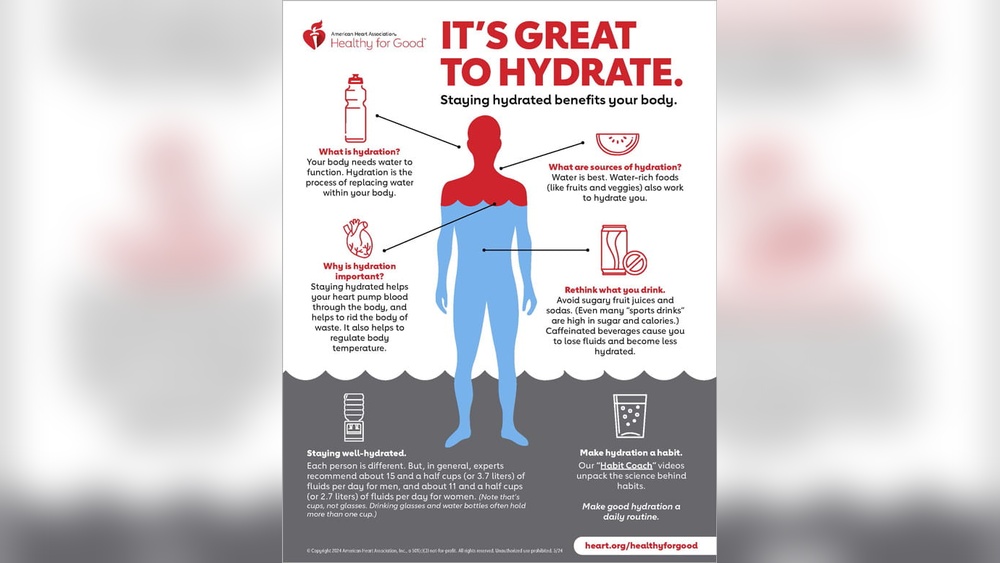
Hydration is the process of absorbing and retaining water in the body to keep everything working smoothly. When you drink water, it travels from your digestive system into your bloodstream and then to your cells. The body uses water for almost every function, from carrying nutrients to removing waste.
Proper hydration is not only about drinking enough water but also about maintaining the right balance of fluids and electrolytes. This balance helps control temperature, supports digestion, and keeps joints lubricated. Without enough water, your body cannot work at its best.
How Water Moves Through The Body
When you drink a glass of water, it follows a well-organized path:
- Mouth and Stomach: Water enters through the mouth and passes down the esophagus to the stomach.
- Absorption in the Small Intestine: Most water absorption happens in the small intestine. Here, water passes through the intestinal wall into the bloodstream.
- Distribution via Bloodstream: The heart pumps this water-rich blood to organs and tissues.
- Cellular Uptake: Cells take in water through tiny channels called aquaporins.
- Removal of Waste: The kidneys use water to filter and remove waste, which leaves the body as urine.
Each stage is critical for keeping you hydrated. Without enough water, these processes slow down, and health problems can develop.
Why Hydration Is Essential
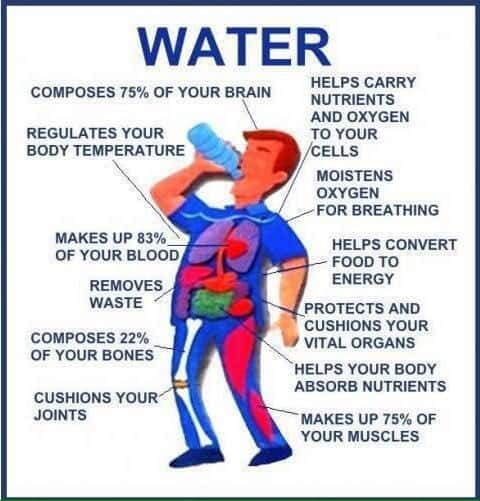
Water is involved in nearly every body function. Some of the key roles include:
- Regulating temperature: Sweating and evaporation help keep your body cool.
- Transporting nutrients: Water carries vitamins, minerals, and oxygen to cells.
- Cushioning joints: Synovial fluid, which lubricates joints, is mostly water.
- Aiding digestion: Water helps break down food and move it through the intestines.
- Flushing out toxins: Kidneys rely on water to filter waste from the blood.
Even small drops in hydration can cause fatigue, confusion, and mood changes. According to the CDC, losing as little as 2% of your body’s water can reduce physical and mental performance.
Key Data: Daily Water Needs
The amount of water a person needs can vary based on activity, weather, and health status. But general guidelines are helpful for most adults.
| Group | Recommended Daily Intake | Notes |
|---|---|---|
| Men | 3.7 liters (125 oz) | Includes all fluids and food |
| Women | 2.7 liters (91 oz) | Includes all fluids and food |
| Athletes | Up to 5 liters (170 oz) | Depends on sweat loss |
| Children | 1.0 – 2.0 liters (34-68 oz) | Depends on age and activity |
About 20% of daily water comes from food, with the rest from drinks. Fruits and vegetables like watermelon, cucumber, and oranges are especially hydrating.
Credit: hohmanrehab.com
How Water Actually Hydrates Cells
The real work of hydration happens at the cellular level. Water enters cells by moving from areas of high concentration (blood plasma) to low concentration (inside the cell) through a process called osmosis. Specialized proteins called aquaporins speed up this movement.
Inside the cell, water allows important chemical reactions to occur. Enzymes that drive metabolism only work in a water-rich environment. Water also helps maintain cell shape, pressure, and communication with other cells.
Without enough water inside cells, they shrink and cannot perform their roles. This leads to symptoms like dry skin, headache, and even confusion.
Practical Examples Of Hydration In Daily Life
You may not notice it, but hydration affects you every day. Here are a few real-world examples:
- After a tough workout, you sweat and lose water. If you do not replace it, you may feel dizzy or weak.
- On a hot day, you need more water to replace what you lose through sweat.
- When you are sick with a fever or vomiting, your body loses extra fluids. Drinking more water helps you recover faster.
- Even long periods in air-conditioned rooms can cause dehydration, as dry air increases water loss from the skin.

Credit: functionalpatterns.com
Signs And Indicators Of Hydration Status
Your body gives many clues about hydration. Some signs are easy to spot, while others are more subtle. Here are the main indicators:
- Urine color: Pale yellow means good hydration; dark yellow or amber suggests dehydration.
- Thirst: Feeling thirsty is an early warning, but do not wait for thirst to drink.
- Dry mouth and lips: Common in mild dehydration.
- Headache or lightheadedness: Often caused by low fluid levels.
- Fatigue: When dehydrated, your body cannot produce enough energy.
- Skin elasticity: Pinch the skin on your hand; if it snaps back quickly, you are likely hydrated.
For children and older adults, thirst is a less reliable sign, so regular water intake is especially important.
Step-by-step Guide To Staying Hydrated
Here is a simple plan I recommend to clients for staying hydrated:
- Start your day with water: Drink a glass as soon as you wake up.
- Carry a bottle: Keep a reusable bottle with you to make drinking easy.
- Drink before meals: A glass of water before eating helps both hydration and digestion.
- Monitor urine color: Aim for pale yellow.
- Increase intake with activity: Drink more when you exercise or sweat.
- Eat water-rich foods: Add fruits and vegetables to your diet.
- Listen to your body: Do not ignore early signs of dehydration.
I also recommend setting reminders if you often forget to drink.
Common Problems And Solutions
Even with the best intentions, people face challenges with hydration. Here are the most common, and how to solve them:
Problem: Forgetting To Drink
Many people simply forget to drink water. Setting phone alarms or using hydration apps can help.
Problem: Not Liking Plain Water
If you do not enjoy plain water, try adding lemon, mint, or cucumber slices. Herbal teas without caffeine are also good.
Problem: Busy Schedule
Keep a bottle at your desk or in your bag. Sip throughout the day, even if you are not thirsty.
Problem: Increased Fluid Loss
Hot weather, exercise, or illness increase water loss. In these situations, increase your fluid intake and watch for signs of dehydration.
Problem: Overhydration
Drinking too much water can be harmful, leading to a condition called hyponatremia. This happens when sodium in the blood gets too low. Listen to your thirst and avoid forcing water.
Maintenance Tips For Good Hydration
Good hydration is a daily habit. Here are a few maintenance strategies I have found effective:
- Plan your intake: Spread water consumption throughout the day.
- Flavor naturally: Use fruits or herbs if you want variety.
- Check your environment: Air conditioning or heating can dry the air, so adjust your intake.
- Hydrate before, during, and after exercise: Do not wait until after you finish.
- Monitor alcohol and caffeine: Both can increase fluid loss, so balance them with extra water.
- Use technology: Hydration-tracking apps or smart bottles can help you build the habit.
Key Information At A Glance
Here is a quick summary comparing hydration needs and effects:
| Condition | Hydration Need | Effect of Dehydration | Practical Tip |
|---|---|---|---|
| Normal day | 2-3 liters | Fatigue, headache | Drink regularly |
| Exercise | +0.5-1 liter/hour | Cramps, dizziness | Sip before and during |
| Hot weather | +0.5-1 liter | Heat exhaustion | Increase intake |
| Illness | Varies | Delayed recovery | Drink more fluids |
Non-obvious Insights Most People Miss
First, not all fluids hydrate equally. Drinks high in sugar, caffeine, or alcohol can actually pull water out of your body. Water, herbal teas, and clear broths are the best choices.
Second, you can lose water just by breathing, especially in cold or dry air. If you wake up with a dry mouth or sore throat, you may need to hydrate more before bed.
Frequently Asked Questions
Why Do I Still Feel Thirsty After Drinking Water?
Thirst can linger if you are very dehydrated or if your body is losing fluids quickly, such as with sweating or illness. It is important to drink slowly and give your body time to absorb the water.
Can I Drink Too Much Water?
Yes, drinking more water than your kidneys can handle can lead to low sodium levels, a condition called hyponatremia. Listen to your body and do not force excessive water intake.
How Can I Tell If I Am Hydrated Without Feeling Thirsty?
Check your urine color and pay attention to energy levels, headaches, and skin elasticity. Thirst is not always a reliable signal, especially for older adults and children.
Do Other Drinks Count Toward Hydration?
Most drinks, including milk, tea, and juice, count toward your fluid intake. However, water is best because it hydrates without added sugar, caffeine, or calories.
What Should I Do If I Am Very Dehydrated?
If you have signs like confusion, rapid heartbeat, or very dark urine, seek medical help. For mild dehydration, sip water slowly and rest. In severe cases, oral rehydration solutions may be necessary.
Key Takeaway
Hydration is more than just drinking water—it is about giving your body the fluid it needs to function at its best. By understanding how water hydrates your body, paying attention to signs, and building smart habits, you can stay energized, focused, and healthy every day. For a deeper look at the science behind hydration, visit the CDC’s Hydration page or read the research at National Center for Biotechnology Information.
If you make hydration a daily priority, you will feel the difference in energy, mood, and overall well-being.

Credit: www.vitajab.co.uk

Hasan Al Sarker is a Reverse Osmosis Specialist. He has worked for many years to ensure safe drinking water for all. His research paper has been published in several journals, including Issue, Medium, and Slideshare. He is recognized as a water doctor among specialists though he did not attend medical college.
Besides working as a researcher of reverse osmosis technology, he is also very fancy with the kitchen and cooking. His guides are reading thousands of people every day. As a head of content, he is responsible for all the published articles at RO System Reviews.