Every day, I see people struggling with low energy, slow weight loss, and even stubborn health issues. One simple factor often overlooked is hydration. Water is not just a drink; it is a silent engine for your body’s metabolism. In my years as a nutrition expert, I have seen how the right amount of water can speed up metabolism, help burn more calories, and make you feel better overall. Today, I will share how water works inside your body, why it is vital for metabolism, and how you can use it to improve your health.
Understanding Metabolism And Water’s Role
Metabolism is the process where your body turns food and drink into energy. This process happens every second, even when you rest or sleep. The basal metabolic rate (BMR) is the number of calories your body uses at rest, and water plays a key part in this.
Water is needed for almost all chemical reactions inside the body. Without enough water, these reactions slow down. For example, breaking down food, moving nutrients, and removing waste all need water. When you are well hydrated, your body can do these jobs faster and more efficiently.
How Water Speeds Up Metabolism
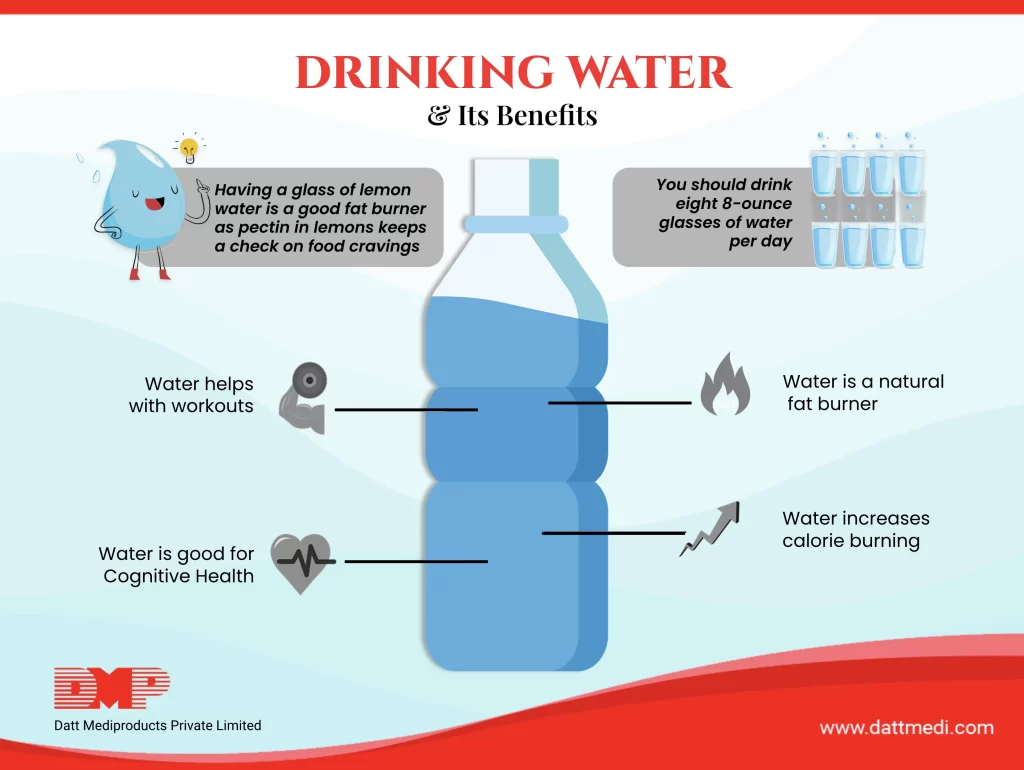
Drinking enough water can increase the number of calories your body burns. Here’s how it works:
- Thermogenesis: When you drink cold water, your body uses energy to heat it up to body temperature. This process is called water-induced thermogenesis.
- Cellular Reactions: Water helps enzymes work better, making energy production from food faster.
- Transport of Nutrients: Water moves nutrients through your blood, helping cells get what they need for energy.
- Removal of Waste: Water helps kidneys and liver flush out toxins, keeping your system running smoothly.
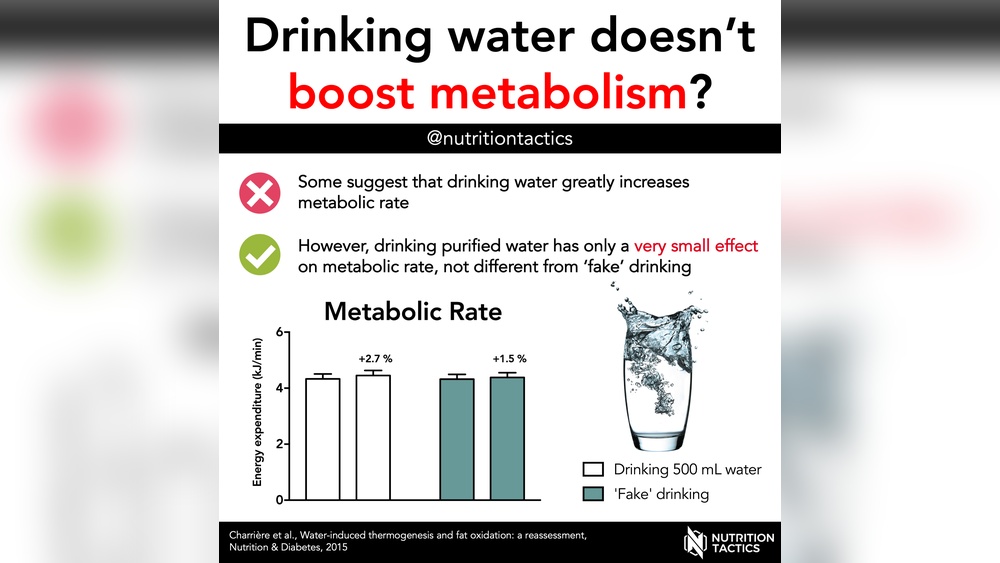
Research shows that drinking 500 ml (about 17 ounces) of water can increase metabolic rate by 24-30% for about an hour. Over a day, that adds up, especially when you drink water regularly.
Credit: www.amazon.com
Why Water Matters For Metabolism
Many people think only about food and exercise for a healthy metabolism. But hydration is just as important. Here is why:
- Fat Burning: Water is needed to break down fat (lipolysis). Without water, your body cannot use fat for energy efficiently.
- Muscle Performance: Muscles are about 75% water. Low hydration leads to fatigue and less calorie burn during exercise.
- Digestion: Water helps dissolve fiber and nutrients, making digestion smoother and quicker.
A study in the Journal of Clinical Endocrinology & Metabolism found that increasing water intake by 1. 5 liters per day could burn an extra 17,400 calories per year. That’s about 5 pounds (2. 2 kg) of fat loss with no change in diet or exercise.
Practical Examples Of Water’s Impact
Let me share some real-life examples from my practice:
- Weight Loss: Clients who start drinking a glass of water before meals often eat less, feel fuller, and lose weight faster. In one case, a client lost 3 kg in 2 months just by drinking water before meals.
- Better Focus: Students who drink water during study sessions report more focus and less tiredness. Dehydration as small as 1-2% of body weight can lower concentration and memory.
- Improved Workout: Athletes who drink water before and during exercise can train longer and burn more calories. Even small dehydration (2% loss) can reduce performance by up to 25%.

Credit: www.fellahealth.com
Key Data And Comparisons
Here is a table summarizing some important findings about water and metabolism:
| Factor | With Adequate Water | With Low Water |
|---|---|---|
| Metabolic Rate | Up to 30% higher | Slower by 10-20% |
| Fat Burning | Efficient | Reduced |
| Energy Levels | Stable | Low and tired |
| Kidney Function | Normal waste removal | Sluggish, risk of stones |
| Calorie Burn (after 500ml water) | +24-30% for 1 hour | No boost |
These numbers show that water is not just nice to have; it is central to a healthy, active metabolism.
Signs And Indicators Of Dehydration
Knowing the signs of low water in your body is important for keeping your metabolism working well. Some common signs are:
- Dark yellow urine
- Dry mouth and lips
- Headaches
- Low energy or fatigue
- Dizziness
- Slow digestion or constipation
If you notice these symptoms, your metabolism may already be slowing down.
Credit: www.ctcd.edu
Step-by-step Guidance To Use Water For Better Metabolism
I always recommend a simple, step-by-step approach to improve hydration and metabolism:
- Start Your Day with Water: Drink a glass (250 ml) right after waking up. This wakes up your metabolism.
- Drink Before Meals: Have another glass 20-30 minutes before each meal. It helps control appetite and digestion.
- Carry a Water Bottle: Keep a bottle with you. Small sips throughout the day are better than large amounts at once.
- Adjust for Activity: If you exercise or sweat, add at least 500 ml for every 30 minutes of activity.
- Check Your Urine: Aim for pale yellow color. Dark color means you need more water.
- Limit Sugary Drinks: Replace soda or juice with water when possible. These drinks can slow metabolism due to extra sugar.
A common mistake is to only drink when thirsty. By the time you feel thirst, you are already slightly dehydrated.
Common Problems And How To Solve Them
Many people find it hard to drink enough water daily. Here are frequent issues and solutions:
- Forgetting to Drink: Set reminders on your phone or use a water tracking app.
- Dislike for Plain Water: Add a slice of lemon, cucumber, or mint for taste.
- Frequent Urination: This usually improves as your body adjusts. Spread your intake through the day.
- Busy Schedule: Keep water at your desk or in your bag. Take sips during breaks.
Another issue is thinking that coffee or tea is a good substitute. While they provide water, too much caffeine can have a mild dehydrating effect. Aim for most of your fluids to come from pure water.
Maintenance Tips For Hydration And Metabolic Health
Long-term success comes from good habits. Here are some tips that work for my clients:
- Set a Daily Goal: Most adults need 2-3 liters (8-12 cups) per day. Adjust for heat, exercise, and body size.
- Eat Water-Rich Foods: Include fruits and vegetables like watermelon, cucumber, and oranges.
- Monitor Intake: Use a reusable bottle with markings to track how much you drink.
- Listen to Your Body: Thirst, dry skin, or headaches are signals to check your water intake.
One non-obvious tip: drinking water at regular times can help train your body to use it efficiently. For example, always drink after brushing teeth or before a commute.
Frequently Asked Questions
How Much Water Should I Drink Daily To Boost Metabolism?
For most adults, 2 to 3 liters (8 to 12 cups) per day is a good target. This can change based on your size, age, activity, and weather. Listen to your body and aim for pale yellow urine as a sign of good hydration.
Does Drinking Cold Water Burn More Calories Than Warm Water?
Yes, cold water slightly increases calorie burn because your body uses energy to heat it up. However, the effect is small, about 5 to 15 calories for each glass. Regular water intake is more important than temperature.
Can I Drink Too Much Water?
Yes, drinking excessive amounts (over 5 liters in a short time) can cause water intoxication or hyponatremia, which is dangerous. Stick to steady intake throughout the day and do not force yourself to drink when not thirsty.
Is Water Better Than Sports Drinks For Metabolism?
For most people, plain water is best for metabolism. Sports drinks are only needed for long, intense exercise lasting over an hour. They contain extra sugar and salt, which are not necessary for daily hydration.
Does Drinking Water Help With Weight Loss?
Yes, drinking water before meals can help you eat less and feel full. Studies show it can increase calorie burn by up to 30% for a short time and support weight loss when combined with a healthy diet.
Key Takeaway
Water is more than just a thirst-quencher. It is a powerful tool to improve your metabolism, support weight loss, boost energy, and keep your body working at its best. Simple changes, like starting your day with water and carrying a bottle, can bring real results. If you want to learn more about the science behind water and metabolism, the National Institutes of Health offers detailed research. For additional healthy living tips, you can also check the CDC’s hydration guide.
Stay hydrated, and your metabolism will thank you every day.

Hasan Al Sarker is a Reverse Osmosis Specialist. He has worked for many years to ensure safe drinking water for all. His research paper has been published in several journals, including Issue, Medium, and Slideshare. He is recognized as a water doctor among specialists though he did not attend medical college.
Besides working as a researcher of reverse osmosis technology, he is also very fancy with the kitchen and cooking. His guides are reading thousands of people every day. As a head of content, he is responsible for all the published articles at RO System Reviews.