
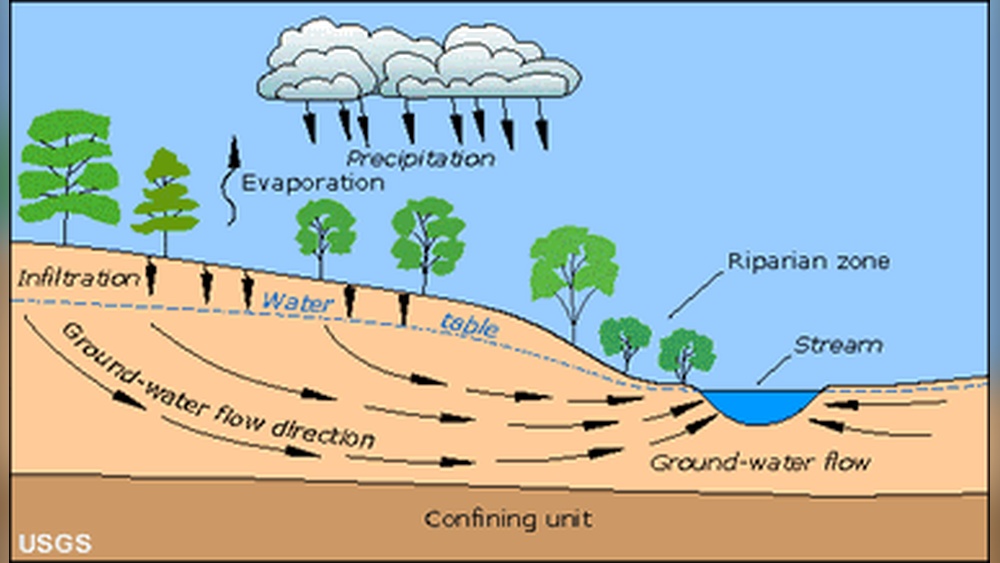
Understanding how water moves through soil is essential for farming, gardening, construction, and environmental science. Water movement in soil affects plant health, building stability, and even the way we manage flood risks. In my years working with soil and water management, I have seen firsthand how small changes in soil properties can change water flow dramatically.
This article explains the process clearly, covers why it matters, and gives practical steps to observe and improve water movement in your own environment.
What Is Water Movement In Soil?
Water movement in soil refers to how water enters, travels through, and leaves the ground. This movement is driven by gravity, soil texture, and the way soil particles hold or release water. The process is called soil water infiltration and percolation.
There are three main ways water moves in soil:
- Infiltration: Water enters the soil surface.
- Percolation: Water moves downward through soil layers.
- Capillary action: Water moves sideways or upward, against gravity, due to attraction between water and soil particles.
The speed and direction of water movement depend on the type of soil and the amount of water present.
How Does Water Move Through Soil?
The Key Processes
Water starts by entering the soil surface, usually from rain or irrigation. This is infiltration. Once inside, gravity pulls the water down, but not all water moves straight down. Some is held by soil particles. As the soil gets wetter, water fills the spaces between soil grains and moves deeper.
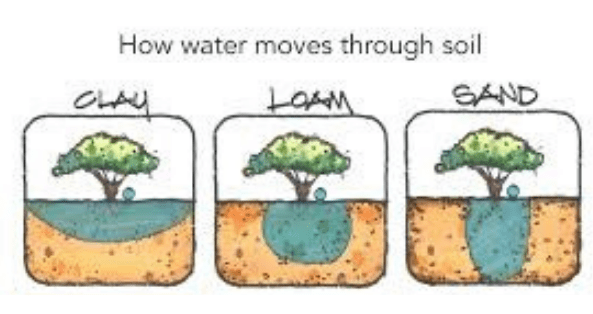
- Sandy soils: Water moves quickly, sometimes over 15 centimeters per hour, because large spaces let water flow easily.
- Clay soils: Water moves slowly, often less than 1 centimeter per hour, as tiny spaces hold water tightly.
- Loam soils: These have a mix of sand, silt, and clay, so water movement is moderate.
Capillary action can move water upward from wet areas to dry areas, which is important for plant roots near the surface.
The Role Of Soil Structure
Soil structure refers to how soil particles group together. Well-structured soil has many small channels and pores. Water moves faster in soils with good structure. Compacted or poorly structured soils can block water, causing puddles or poor plant growth.
Credit: dailyacts.org
Why Water Movement In Soil Matters
Water movement affects:
- Plant growth: Roots need water, but not too much or too little.
- Soil erosion: Fast water movement can wash away topsoil.
- Nutrient delivery: Nutrients travel with water to plant roots.
- Building foundations: Wet or unstable soils can damage structures.
- Flooding: Poor water movement increases surface runoff and flood risk.
Research shows that in agriculture, poor water movement can reduce crop yields by 20% or more. In cities, blocked water movement can cost millions in flood damage repairs each year.
Practical Examples
Farming
Farmers often test soil infiltration rates to plan irrigation. For example, a corn field with sandy loam might absorb 7 centimeters of water per hour. If the soil turns compacted, that rate drops, so the farmer needs to irrigate slowly or use aeration.
Gardening
Gardeners notice water pooling on clay soil after rain. This means the soil cannot absorb water fast enough. Adding compost can double the infiltration rate in a year, making the garden more productive.
Construction
Engineers check how quickly water drains to design safe building foundations. In areas with slow-draining soils, extra drainage systems are added to avoid water damage.
Environmental Restoration
Wetland managers measure soil water movement to restore marshes. Fast water loss can dry out wetlands, so they may add clay to slow water movement and keep habitats healthy.
Signs And Indicators Of Water Movement
You can observe water movement using simple signs:
- Puddles after rain: Slow infiltration or compacted soil.
- Cracks during dry periods: Water loss and clay soil shrinking.
- Healthy plant growth: Good balance of water movement.
- Yellowing or wilting plants: Too much or too little water reaching roots.
- Surface runoff: Water flows away without soaking in.
A simple garden test involves digging a small hole, filling it with water, and timing how long it takes to drain.
Step-by-step Guidance To Test Water Movement
Testing water movement in your soil is straightforward. Here is a method I use with students and clients.
- Select a spot: Choose an area you want to test.
- Dig a hole: Make a hole 30 cm deep and 10 cm wide.
- Fill with water: Pour water to the top and let it soak in. This wets the soil.
- Refill and measure: Fill the hole again and use a stopwatch.
- Record time: Check how long the water takes to drain completely.
- If water drains in under 30 minutes, you have fast-draining soil (sandy or well-structured).
- If it takes 30 minutes to 4 hours, drainage is moderate (loam or silty soils).
- More than 4 hours means poor drainage (clay or compacted soil).

Credit: soilsmatter.wordpress.com
Data Summary: Water Movement By Soil Type
Here is a comparison of water movement rates in different soil types.
| Soil Type | Infiltration Rate (cm/hour) | Common Use | Typical Plant Health |
|---|---|---|---|
| Sandy | 15 – 20 | Vegetables, turf | High, if irrigated often |
| Loam | 5 – 10 | Fruits, flowers | Very good |
| Clay | 0.5 – 2 | Rice, wetlands | Variable, prone to waterlogging |
This table shows why different plants prefer different soils. Fast-draining sandy soil needs more frequent watering, while clay soil holds water longer.
Common Problems And Solutions
Problem 1: Waterlogging
Symptoms: Persistent puddles, yellowing plants, foul smell.
Solution: Improve drainage by adding organic matter like compost. You can also install drainage pipes or raised beds.
Problem 2: Fast Drying Soil
Symptoms: Plants wilt quickly, soil feels dry even after watering.
Solution: Add organic matter or mulch to slow evaporation. Water early in the morning to reduce loss.
Problem 3: Surface Runoff
Symptoms: Water flows away instead of soaking in, leading to erosion.
Solution: Break up compacted layers with a garden fork. Plant ground cover to protect the soil.
Problem 4: Compaction
Symptoms: Hard soil, roots struggle to grow, poor water absorption.
Solution: Avoid walking on wet soil. Use aeration tools and add sand or compost to improve structure.
Problem 5: Uneven Wetting
Symptoms: Some areas stay wet, others dry out.
Solution: Level the surface and mix the soil well. Check for buried debris or layers blocking water.

Credit: www.youtube.com
Maintenance Tips For Healthy Soil Water Movement
- Test soil regularly: Repeat infiltration tests twice a year.
- Add organic matter: Compost and mulch improve structure and water holding.
- Avoid heavy equipment: Machines can compact soil, blocking water flow.
- Rotate crops: Different plants use water differently, helping balance the soil.
- Water wisely: Use drip systems to reduce runoff and target root zones.
By following these tips, you keep the soil healthy for plants, reduce erosion, and use water efficiently.
Frequently Asked Questions
How Does Soil Texture Affect Water Movement?
Soil texture determines the size and number of spaces between particles. Sandy soils have large spaces for quick water flow, while clay soils have tiny spaces that slow water movement. Loam soils provide a balance, supporting healthy plants.
Why Do Plants Wilt Even After Watering?
If water moves too quickly through sandy soil, roots may not absorb enough moisture. In clay soils, water may sit on the surface and not reach roots. Improving soil structure helps water reach where it is needed.
Can Adding Sand Fix Drainage Problems In Clay Soil?
Adding sand alone can make things worse, creating a cement-like layer. It is better to add organic matter like compost, which breaks up clay and improves water movement.
How Often Should I Test My Soil’s Water Movement?
Testing every spring and fall gives a good picture of changes over time. If you see signs of poor drainage or fast drying, test again before making changes.
Where Can I Learn More About Soil And Water Movement?
The USDA Natural Resources Conservation Service provides detailed guides and data. You can read more on their website or visit the USDA NRCS for trusted resources.
Key Takeaway
The way water moves through soil shapes everything from plant health to building safety. By understanding your soil type, testing regularly, and making small changes, you can improve water movement. Better water management leads to stronger plants, less erosion, and a more resilient environment. For more technical details, you may also visit Wikipedia’s Water in Soil page.
Soil and water are always changing, but with these insights, you can manage both with confidence.

Hasan Al Sarker is a Reverse Osmosis Specialist. He has worked for many years to ensure safe drinking water for all. His research paper has been published in several journals, including Issue, Medium, and Slideshare. He is recognized as a water doctor among specialists though he did not attend medical college.
Besides working as a researcher of reverse osmosis technology, he is also very fancy with the kitchen and cooking. His guides are reading thousands of people every day. As a head of content, he is responsible for all the published articles at RO System Reviews.