
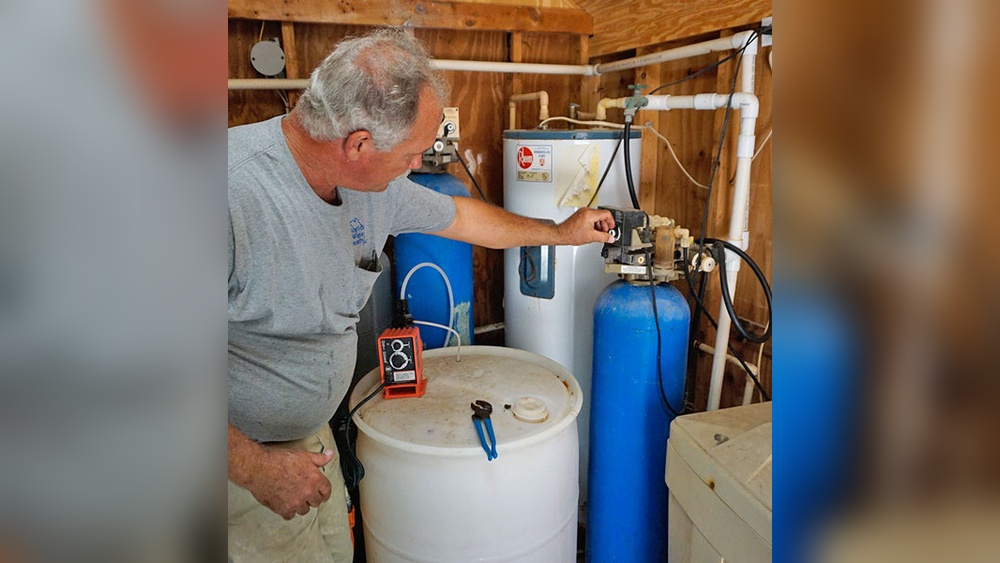
Are you worried about the quality of the water flowing through your home? You might be wondering if a whole house water filter is really worth the investment.
Imagine turning on any tap and knowing the water is clean, fresh, and safe for your family. But is it just an extra expense, or does it truly make a difference? You’ll discover the key benefits, hidden costs, and what to consider before deciding.
Keep reading to find out if a whole house water filter could be the solution you’ve been searching for.

Why Choose A Whole House Water Filter
A whole house water filter cleans water before it reaches any faucet. This system treats all the water in your home. It works for drinking, cooking, bathing, and washing. Many people choose whole house filters to protect their family and improve water quality. Understanding the benefits helps decide if this system fits your needs.
Common Water Contaminants
Water can carry many harmful substances. These include chlorine, sediment, rust, and chemicals. Some water contains bacteria and viruses. Hard water minerals like calcium and magnesium also cause problems. A whole house filter removes or reduces these contaminants. It helps keep water clean and safe throughout your home.
Health Advantages
Clean water supports good health. Removing chemicals lowers risks of skin irritation and other issues. Filtered water helps prevent stomach problems caused by bacteria. Drinking pure water improves hydration and body function. Families with children or elderly members benefit the most. A whole house filter ensures safe water for all daily uses.
Improved Water Taste And Smell
Filtered water tastes better and smells fresher. Chlorine and other chemicals often cause bad odors. Removing these makes water more pleasant for drinking and cooking. Better water quality encourages healthier habits. Enjoy clear water from every tap without worrying about taste or smell.
Types Of Whole House Water Filters
Whole house water filters come in different types. Each type targets specific water problems. Understanding these types helps you choose the best filter for your home. Here are the main types of whole house water filters.
Carbon Filters
Carbon filters remove chlorine, bad tastes, and odors from water. They work by trapping chemicals in activated carbon. These filters improve water smell and taste. They also reduce some pesticides and solvents. Carbon filters are affordable and easy to maintain.
Reverse Osmosis Systems
Reverse osmosis systems push water through a fine membrane. This removes many contaminants like lead, arsenic, and fluoride. These systems provide very clean water. They waste some water during the process. Usually, they work best with other filters.
Uv Purifiers
UV purifiers use ultraviolet light to kill bacteria and viruses. They do not remove chemicals or sediments. UV purifiers are great for disinfecting water. They need electricity to work. This type is good for homes with well water.
Sediment Filters
Sediment filters catch dirt, sand, and rust particles. They protect pipes and appliances from damage. These filters are the first step in many water systems. Sediment filters need regular cleaning or replacement. They keep water clear and safe.
Installation And Maintenance
Installing and maintaining a whole house water filter is key to its performance. The process affects water quality and system lifespan. Understanding installation options and upkeep needs helps you decide if this system fits your home and budget.
Professional Vs Diy Installation
Professional installation ensures the filter works right from the start. Experts handle plumbing and check for leaks. It takes less time and avoids mistakes. DIY installation saves money but needs some plumbing skills. You must follow instructions carefully to avoid damage. A wrong setup can reduce filter efficiency.
Filter Replacement Frequency
Filters need changing regularly for clean water. Most systems require new filters every 3 to 6 months. The frequency depends on water use and quality. Dirty filters slow water flow and reduce filtration. Check the filter indicator if available. Timely replacement keeps water safe and clear.
Cost Of Upkeep
Maintaining a whole house filter involves buying new filters. Prices vary based on filter type and brand. Budget extra for professional checkups or repairs. Regular upkeep costs less than fixing damage from neglect. Plan for these expenses to keep the system running smoothly.
Cost Analysis And Savings
Understanding the cost and savings of a whole house water filter helps you decide if it fits your budget. This section breaks down the initial cost, ongoing savings, and how it stacks up against bottled water expenses. Clear numbers show the financial impact of this investment.
Initial Investment
Installing a whole house water filter requires upfront money. The price varies based on the system size and features. Basic models cost less, while advanced filters with extra functions cost more. Professional installation may add to the expense. Expect to spend between a few hundred to over a thousand dollars. This cost covers the filter unit and setup.
Long-term Financial Benefits
The filter reduces the need to buy water repeatedly. Clean water protects your pipes and appliances, lowering repair costs. It also saves money on bottled water and water softeners. Filters need replacement over time, but these costs are small compared to benefits. Over years, savings can balance or exceed the initial price.
Comparing Bottled Water Expenses
Bottled water adds up fast for families. Buying daily bottles costs much more than filtered tap water. The filter gives clean water from every tap at home. This means no need for constant bottled water purchases. Over time, this change saves hundreds or thousands of dollars. It also reduces plastic waste, which helps the environment.
Potential Drawbacks To Consider
Whole house water filters offer many benefits but also come with some downsides. Understanding these drawbacks can help you make a better decision. Here are some key points to think about before installing one.
Water Pressure Impact
Whole house filters can reduce water pressure. The water must pass through filter media, which slows flow. If your home already has low pressure, this effect might be noticeable. Choosing the right filter size and type helps reduce pressure loss. Regular filter maintenance also keeps flow steady.
Space Requirements
These systems need space for installation. The filter unit is usually large and requires a dedicated spot. Basements, garages, or utility rooms often work best. Small homes might struggle to find enough room. Proper placement is important for easy access and maintenance.
System Limitations
Whole house filters do not remove all contaminants. Some systems target only chlorine, sediment, or rust. They may not filter out bacteria or viruses. Testing your water first clarifies which filter fits your needs. Sometimes, additional filters or treatments are necessary for full protection.
Real User Experiences
Real user experiences give clear insight into whole house water filters. They share actual benefits and challenges. This helps you decide if the filter fits your home and needs.
Positive Outcomes
Many users report cleaner water throughout their homes. They notice better taste and fewer odors in drinking water. Skin and hair feel softer after showers. Appliances like dishwashers and washing machines last longer. People also mention fewer stains on sinks and bathtubs. These results show how filters can improve daily life.
Common Complaints
Some users find installation difficult without a professional. A few mention the filter needs frequent replacement. Others say the water pressure drops slightly after installation. Some report the initial cost is higher than expected. A few users feel the filter does not remove all contaminants. These points can help set realistic expectations.
Tips From Homeowners
Buy the right size filter for your water use. Follow the manufacturer’s instructions carefully during installation. Regularly check and replace filter cartridges on time. Test water quality before and after installation. Consider professional help if unsure about setup. These tips help maintain good water quality and filter performance.
Making The Right Choice
Choosing the right whole house water filter is important. It affects water quality, health, and costs. This section helps you decide by focusing on key factors. Clear steps make the choice easier and smarter.
Assessing Your Water Quality
Start by testing your water. Check for chemicals, sediments, and bacteria. Local water reports can offer useful information. Knowing what is in your water guides your filter choice. It prevents buying unnecessary features.
Matching Filters To Needs
Select a filter that handles your water issues. Some filters remove chlorine and odors. Others target lead, iron, or hard minerals. Think about your family’s health needs too. Choose a filter that meets those specific concerns.
Evaluating Budget And Goals
Set a clear budget before buying a filter. Consider installation and maintenance costs. A higher price might mean better quality or longer life. Balance cost with your water goals and filter features. This helps avoid overspending on unneeded options.

Frequently Asked Questions
What Are The Benefits Of A Whole House Water Filter?
A whole house water filter improves water quality throughout your home. It removes contaminants, protects plumbing, and enhances taste and odor. It ensures clean water for drinking, cooking, and bathing, promoting better health and appliance longevity.
How Much Does A Whole House Water Filter Cost?
Whole house water filter systems typically cost between $500 and $3,000. Installation fees vary depending on system complexity. Consider long-term savings from reduced plumbing repairs and bottled water purchases when evaluating cost.
How Often Should Whole House Water Filters Be Replaced?
Filter replacement depends on water usage and filter type. Generally, filters need changing every 6 to 12 months. Regular replacement ensures optimal filtration, maintaining water quality and system efficiency.
Can A Whole House Water Filter Remove Hard Water Minerals?
Most whole house filters reduce chlorine and sediment but don’t soften hard water. For hard water minerals like calcium, a water softener system is needed alongside the filter for effective treatment.
Conclusion
Choosing a whole house water filter depends on your water needs. Clean water improves health and protects appliances. It saves time by filtering water for the entire home. Some filters cost more upfront but offer long-term benefits. Think about water quality, budget, and maintenance before deciding.
Quality water matters for daily life and peace of mind. A whole house filter can be a smart choice for many families. Consider your situation carefully before making a final decision.

Hasan Al Sarker is a Reverse Osmosis Specialist. He has worked for many years to ensure safe drinking water for all. His research paper has been published in several journals, including Issue, Medium, and Slideshare. He is recognized as a water doctor among specialists though he did not attend medical college.
Besides working as a researcher of reverse osmosis technology, he is also very fancy with the kitchen and cooking. His guides are reading thousands of people every day. As a head of content, he is responsible for all the published articles at RO System Reviews.