
Have you ever wondered if the water coming from your tap is truly safe to drink? If your home has hard water, you might be asking yourself, “Is hard water safe to drink?” This question matters because what you drink affects your health every single day.
You want to know if that water is helping you stay healthy or quietly causing harm. Keep reading, and you’ll discover the facts about hard water, how it impacts your body, and what you can do to protect yourself and your family.
Don’t let uncertainty about your water hold you back from feeling your best.

Credit: www.ecowater-softeners.co.uk
Hard Water Basics
Understanding hard water starts with knowing its basics. Hard water is common in many homes around the world. It affects daily activities like washing clothes, bathing, and cooking. People often wonder what makes water hard and what minerals it contains. This knowledge helps in deciding if hard water is safe to drink.
What Makes Water Hard
Water becomes hard when it picks up minerals from soil and rocks. These minerals dissolve into the water as it moves underground. The main cause of hardness is calcium and magnesium ions. The more of these minerals in water, the harder it is. Hard water is not harmful but can cause problems with soap and appliances.
Common Minerals In Hard Water
Calcium is the most common mineral found in hard water. It comes from limestone and chalk deposits. Magnesium is another important mineral, often found in dolomite rocks. Small amounts of iron, manganese, and other minerals may also be present. These minerals give hard water its unique taste and feel.
Credit: friendlywater.co.uk
Health Effects Of Hard Water
Hard water contains minerals like calcium and magnesium. These minerals affect health in different ways. Some effects can be good, while others might cause concern. Understanding these health effects helps you decide about drinking hard water.
Potential Benefits
Hard water provides essential minerals for the body. Calcium supports strong bones and teeth. Magnesium helps with muscle function and energy production. Drinking hard water can add to your daily mineral intake. Some studies suggest it may lower the risk of heart disease. It also helps keep your body hydrated with natural minerals.
Possible Risks
Too much calcium and magnesium may cause problems. Some people might get digestive discomfort or constipation. Hard water can increase the risk of kidney stones in sensitive individuals. It may also cause dry skin or irritation in some cases. People with certain health conditions should check with a doctor. Overall, risks are low for most healthy people.
Myths About Hard Water
Hard water often gets a bad reputation. Many people believe it causes health problems. These ideas are mostly myths. Understanding the truth helps you decide if hard water is safe.
Hard Water And Skin Problems
Some say hard water harms skin. It can make skin feel dry or itchy. This happens because minerals in hard water leave a residue. The residue can block pores. But hard water itself does not cause skin diseases. Washing with soft water may feel better but hard water is not unsafe.
Hard Water And Kidney Stones
People think hard water causes kidney stones. Kidney stones form from minerals like calcium. Hard water contains calcium but drinking it does not increase stones risk. Stones form due to many factors, like diet and genetics. Hard water alone is not a cause of kidney stones.
Hard Water And Heart Health
There is a myth that hard water harms the heart. Some studies suggest minerals in hard water might protect heart health. Calcium and magnesium in hard water can be good for the heart. No strong evidence links hard water to heart disease. Drinking hard water is generally safe for your heart.
Water Quality Standards
Water quality standards help protect public health. They set limits on what minerals and substances can be in drinking water. These standards ensure water is safe and healthy for daily use. They also guide water treatment and testing processes.
Understanding these rules helps people know if hard water is safe. Hard water contains minerals like calcium and magnesium. Water quality standards define safe levels of these minerals.
Safe Mineral Levels
Minerals like calcium and magnesium are natural in water. They give hard water its taste and benefits. Too much of these minerals can cause problems. Water quality standards limit mineral levels to safe amounts.
Safe mineral levels protect plumbing and appliances. They also prevent health issues like kidney stones. Drinking water should not exceed these limits.
Regulations And Guidelines
Government agencies create rules for water safety. The Environmental Protection Agency (EPA) sets standards in the United States. Other countries have similar organizations.
These rules cover minerals, bacteria, and harmful chemicals. Water suppliers must test water regularly. They must fix any safety problems found during testing.
Testing And Treating Hard Water
Testing and treating hard water helps keep your water safe and clean. Hard water contains minerals like calcium and magnesium. These minerals can cause problems in your home and affect water taste. Testing water hardness shows how many minerals are present. Treating hard water can reduce these minerals and improve water quality.
How To Test Water Hardness
Testing water hardness is easy and quick. Use a water hardness test kit from a store or online. Dip the test strip in water and wait a few seconds. The strip changes color based on mineral levels. Compare the color with the chart to know hardness. Some kits use drops instead of strips for more accuracy. You can also send water samples to a lab for precise results.
Methods To Soften Hard Water
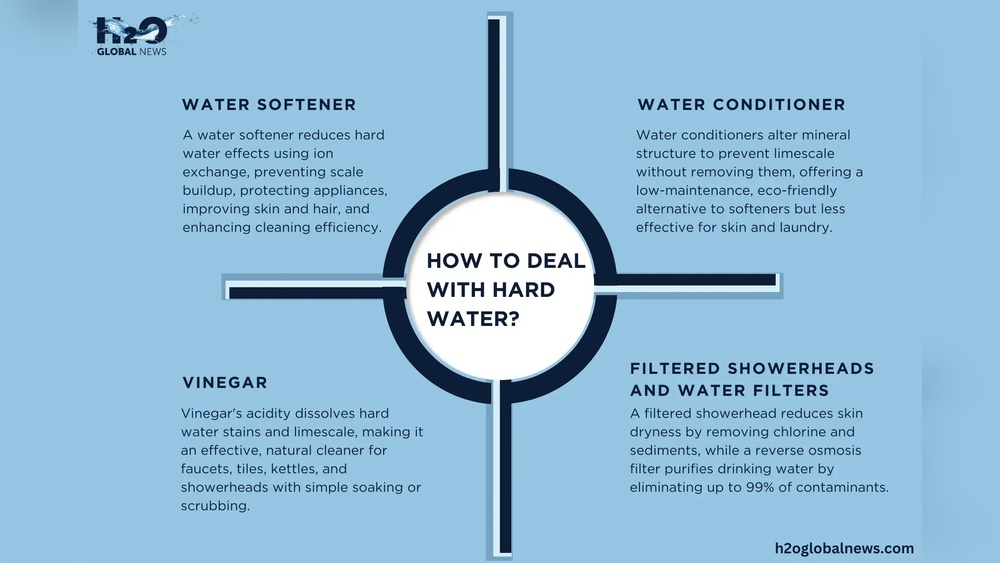
Softening hard water removes minerals that cause hardness. One popular method is using a water softener. It swaps calcium and magnesium ions with sodium or potassium ions. This process is called ion exchange. Another method is using a reverse osmosis filter. It removes many minerals and impurities from water. Some people use vinegar or washing soda to treat water at home. Choose a method based on your water hardness level and budget.

Credit: paqos.in
Choosing The Right Drinking Water
Choosing the right drinking water is important for health and taste. Water quality varies by source and treatment. Knowing your options helps you make smart choices. This section explains the main choices for drinking water.
Bottled Vs Tap Water
Bottled water is convenient and easy to carry. It often comes from springs or purified sources. Bottled water may cost more than tap water. Tap water is treated by local utilities. It is tested for safety and quality. Tap water usually has minerals that affect taste. Some people prefer bottled water for its taste. Others trust tap water as a safe and cheap option. Check your local water report for details. Both options can be safe if treated well.
Filtered Water Options
Water filters improve taste and remove impurities. Common filters include charcoal, reverse osmosis, and UV purifiers. Charcoal filters remove chlorine and odors. Reverse osmosis filters remove more minerals and contaminants. UV purifiers kill bacteria and viruses. Filters are easy to install and maintain. Filtered water can be safer than untreated tap water. Choose a filter based on your water quality needs. Regular filter changes keep water clean and fresh.
Frequently Asked Questions
Is Hard Water Harmful To Drink Regularly?
Hard water is generally safe to drink but may cause minor digestive issues. It contains minerals like calcium and magnesium, which are beneficial. However, excessive hardness could lead to kidney stones in sensitive individuals. Overall, it poses no serious health risks for most people.
What Minerals Are Found In Hard Water?
Hard water primarily contains calcium and magnesium minerals. These minerals contribute to water hardness and can improve dietary intake. However, high levels might affect taste and cause scale buildup in pipes and appliances. These minerals are essential for human health in moderate amounts.
Can Hard Water Cause Health Problems?
Hard water rarely causes health problems. It may cause dry skin or hair in some people. Excessive hardness might lead to kidney stone formation in susceptible individuals. Generally, it is safe to consume and even provides essential minerals beneficial for health.
How Does Hard Water Affect Taste?
Hard water can have a slightly metallic or mineral taste. The presence of calcium and magnesium alters water flavor. Some people may find it less pleasant than soft water. However, it does not indicate contamination or health hazards.
Conclusion
Hard water is generally safe to drink for most people. It contains minerals like calcium and magnesium. These minerals can be good for your health in small amounts. Sometimes, hard water may cause minor taste or build-up issues. It rarely causes serious health problems.
If you have concerns, testing your water is a good idea. Using water softeners can help with hardness. Knowing the facts helps you make smart choices. Drink water that feels right for you and your family. Stay informed and keep your water safe.

Hasan Al Sarker is a Reverse Osmosis Specialist. He has worked for many years to ensure safe drinking water for all. His research paper has been published in several journals, including Issue, Medium, and Slideshare. He is recognized as a water doctor among specialists though he did not attend medical college.
Besides working as a researcher of reverse osmosis technology, he is also very fancy with the kitchen and cooking. His guides are reading thousands of people every day. As a head of content, he is responsible for all the published articles at RO System Reviews.