
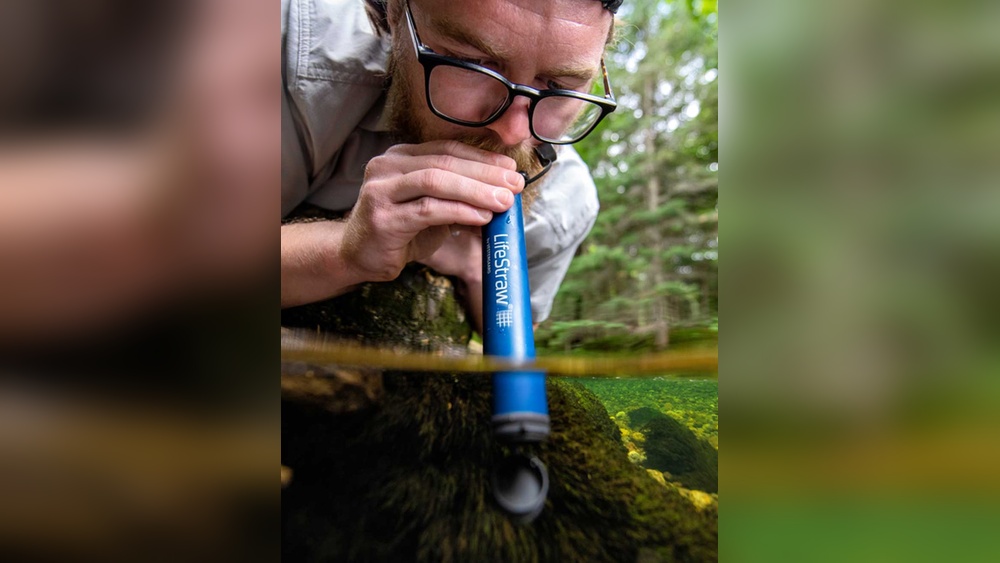
Are you worried about the quality of water when you’re outdoors or traveling? You’ve probably heard about Lifestraw, but is it really a good water filter for your needs?
Choosing the right water filter can be confusing, and you want something reliable, easy to use, and effective. You’ll discover what makes Lifestraw stand out—and where it might fall short. Keep reading to find out if Lifestraw is the perfect solution to keep your water safe and your mind at ease.
Lifestraw Basics
Lifestraw is a popular water filter known for its simple design and reliable performance. It helps people drink clean water from lakes, rivers, or taps. This tool is small and easy to carry. Many use it for hiking, camping, or emergencies.
Understanding Lifestraw basics helps you see why it is trusted worldwide. It removes harmful germs and makes water safe. Let’s explore how it works, the types available, and its key features.
How Lifestraw Works
Lifestraw uses a hollow fiber membrane to filter water. This membrane blocks bacteria, parasites, and dirt. You simply put one end in water and suck through the mouthpiece. The filter cleans water as it passes through. No chemicals or batteries are needed. It removes 99.9999% of harmful microbes. Lifestraw makes natural water safe to drink instantly.
Types Of Lifestraw Filters
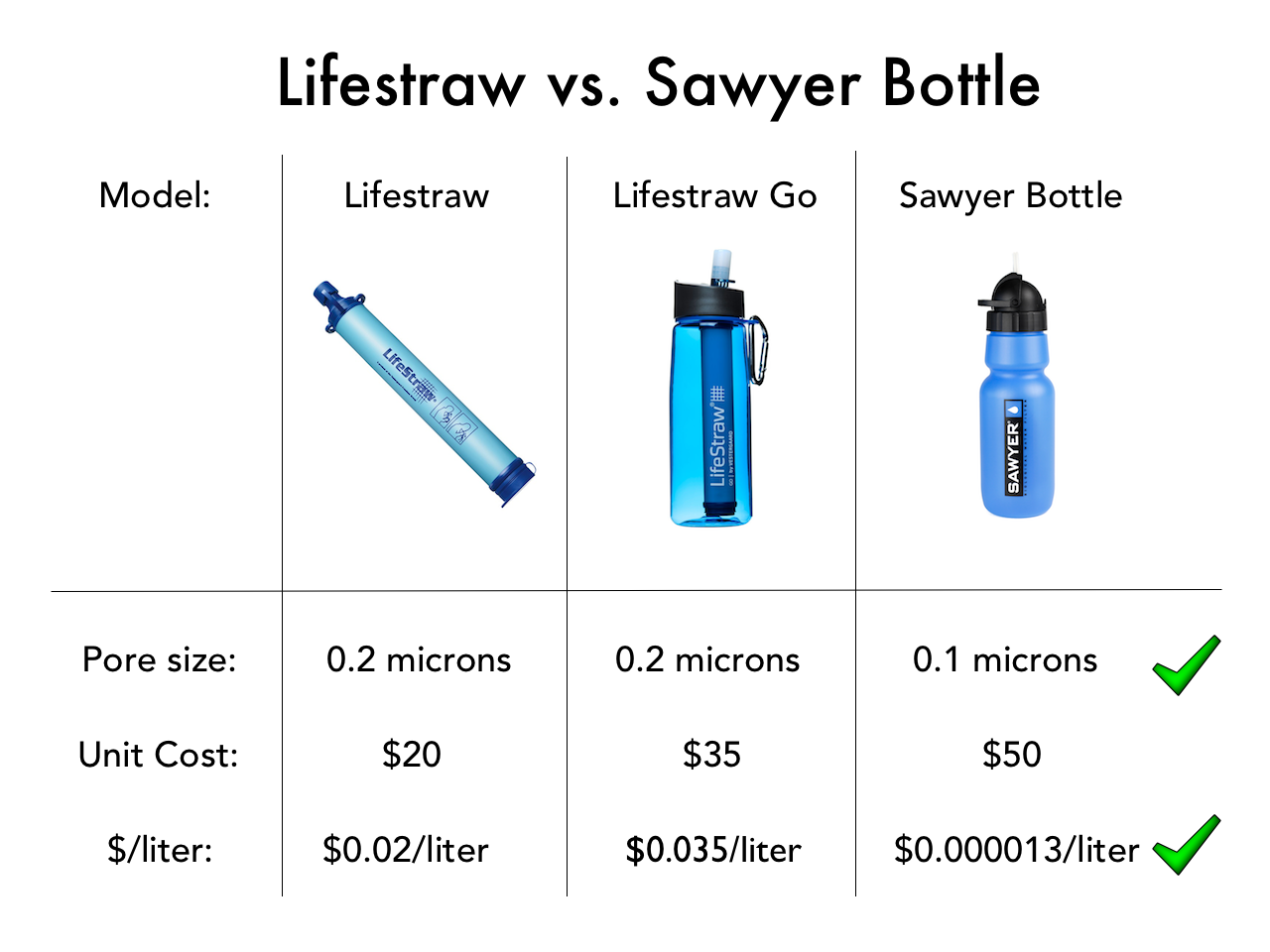
There are several Lifestraw models for different needs. The original Lifestraw is a personal straw filter. Lifestraw Go is a bottle with a built-in filter. Lifestraw Family is a larger filter for group use. Each type removes similar contaminants. They differ in size, capacity, and use cases. Choose the one that fits your activity and water source.
Key Features
Lifestraw is lightweight and easy to carry. It can filter up to 1,000 liters of water. The filter does not use chemicals or electricity. It works instantly and tastes neutral. Lifestraw is durable and lasts long with proper care. It needs no setup or replacement parts. This makes it perfect for travel and outdoor use.
Filtration Performance
The filtration performance of LifeStraw plays a crucial role in its effectiveness as a water filter. This section examines how well it removes harmful elements, its lifespan, and how easy it is to use. Understanding these factors helps decide if LifeStraw suits your water needs.
Contaminants Removed
LifeStraw removes bacteria, parasites, and microplastics from water. It filters out 99.9999% of waterborne bacteria like E. coli. It also blocks 99.9% of protozoan parasites such as Giardia and Cryptosporidium. LifeStraw does not remove viruses or chemicals. It is best for filtering natural water sources like rivers or lakes.
Filter Lifespan
The filter can purify up to 1,000 liters of water before it needs replacement. This capacity makes it ideal for hiking or emergency use. After reaching its limit, the filter will clog and stop working properly. Regular cleaning can help maintain flow but will not extend the lifespan. Monitoring the volume filtered is important for safety.
Flow Rate And Ease Of Use
LifeStraw offers a steady flow rate suitable for quick drinking. It does not require batteries or chemicals. Users simply sip water directly through the straw. The lightweight design makes it easy to carry. Cleaning requires only backflushing with clean water. These features make LifeStraw user-friendly for outdoor activities and travel.
Durability And Design
The durability and design of LifeStraw matter a lot for its use in outdoor and emergency situations. A strong build ensures it lasts long under rough conditions. A smart design makes it easy to carry and clean. These features help users trust the product for safe water anywhere.
Build Quality
LifeStraw has a sturdy plastic body that resists breaking. The materials used are BPA-free and safe for drinking water. It feels solid in hand and can handle drops and bumps. The inner filter is well protected to keep it working well over time.
Portability
The design of LifeStraw is slim and lightweight. It fits easily into backpacks or pockets. This makes it ideal for hiking, camping, or travel. Users can carry it without extra weight or bulk. The simple shape also helps in quick use during emergencies.
Maintenance Requirements
LifeStraw needs little care to keep working. It does not require batteries or complicated parts. Users only need to rinse the filter after use to clear debris. There is no need to replace parts often. This low maintenance design suits outdoor activities well.

Comparing Lifestraw To Other Filters
Choosing the right water filter matters for safety and convenience. Lifestraw is popular for outdoor use and emergencies. Comparing Lifestraw to other filters helps find the best fit for your needs. Let’s see how it matches against pump filters and UV purifiers. Also, check the cost differences.
Versus Pump Filters
Lifestraw is lightweight and easy to carry. It works by sucking water through a straw. Pump filters need more effort and gear. They filter larger water amounts faster. Pump filters can remove more types of contaminants. Lifestraw filters bacteria and parasites well but not chemicals. Pump filters are better for longer trips with many people.
Versus Uv Purifiers
UV purifiers use light to kill germs. They need batteries or power to work. Lifestraw works without electricity or batteries. UV purifiers handle viruses better than Lifestraw. Lifestraw is faster for one person to use. UV purifiers need clear water to work well. Lifestraw can filter cloudy water more easily.
Cost Comparison
Lifestraw is less expensive upfront. It lasts about 1,000 liters before replacement. Pump filters cost more but filter larger water volumes. UV purifiers have higher prices and need batteries. Lifestraw offers a low-cost option for occasional use. Pump and UV devices suit frequent or group use better.
User Experiences
User experiences offer real insight into Lifestraw’s performance. People share how it works in daily use. Their stories help understand its strengths and limits. Reviews come from various settings like outdoors, travel, and emergencies. Each use case shows different benefits and challenges. These firsthand accounts guide others in choosing the right water filter.
Outdoor And Survival Use
Many hikers and campers trust Lifestraw for clean water. It works well with rivers and lakes. Users say it removes dirt and bad taste effectively. Some find it easy to carry and use on trails. It helps in survival kits for emergencies outdoors. The filter does not need batteries or chemicals. Some users mention slower flow rate but accept it for safety.
Travel And Emergency Preparedness
Travelers appreciate Lifestraw in places with unsafe tap water. It provides quick access to clean drinking water. People use it during trips to remote areas. It fits well in emergency kits for natural disasters. Some users keep it ready for unexpected events. The simple design makes it easy to use anywhere. Many say it gives peace of mind when away from home.
Common Issues Reported
Some users report that Lifestraw clogs after heavy use. It needs cleaning to keep working well. The flow can slow down with particles in water. A few find it hard to use for large groups. Lifestraw filters only a limited amount before replacement. Some mention difficulty in drinking directly from the straw. These points help users manage expectations and maintain the filter properly.
Health And Safety Considerations
Health and safety are key when choosing a water filter like Lifestraw. Clean water protects you from diseases and harmful bacteria. It is vital to know how well Lifestraw performs in these areas. Understanding its safety features helps you decide if it suits your needs.
Certifications And Testing
Lifestraw meets several international safety standards. It has certifications from organizations like NSF and EPA. These groups test water filters for removing bacteria and parasites. Lifestraw filters out 99.9999% of bacteria and 99.9% of parasites. This shows it is reliable for most water sources.
Limitations Of Lifestraw
Lifestraw does not remove viruses or chemicals. It is not effective against heavy metals or salt water. The filter has a lifespan of about 1,000 liters. After that, it stops filtering properly. It is best for emergency use or outdoor activities.
Proper Usage Tips
Always follow the instructions when using Lifestraw. Avoid using it in water with chemicals or oil. Clean the filter regularly by blowing air back through it. Store it in a dry place after use. These steps keep the filter working well and safe to use.
Buying Guide
Choosing the right Lifestraw water filter means understanding your needs and options. This buying guide helps you pick the best model, find trusted sellers, and know what support to expect. It ensures a safe and clean water experience wherever you go.
Choosing The Right Model
Lifestraw offers several models. Each suits different uses and water conditions. Some filters are for hiking, others for daily use or emergency kits. Check the capacity, size, and filtration speed. Consider how much water you need to filter each day. Look at the lifespan of the filter too. The right model fits your lifestyle and water needs.
Where To Buy
Buy Lifestraw from official websites or trusted retailers. Avoid unknown sellers to ensure product authenticity. Online stores like Amazon often stock genuine Lifestraw products. Local outdoor or camping stores also carry them. Check for return policies and shipping options. Purchase from reliable sources to guarantee product quality and safety.
Warranty And Customer Support
Lifestraw offers warranties on most products. Read the warranty terms carefully before buying. Good customer support helps solve any issues quickly. Check if the company provides easy contact options like email or phone. A solid warranty and support build trust in the product. They protect your purchase and peace of mind.

Frequently Asked Questions
What Contaminants Does Lifestraw Remove Effectively?
Lifestraw removes bacteria, parasites, and microplastics from water. It filters out 99. 9999% of waterborne pathogens, making water safe to drink.
How Long Does A Lifestraw Filter Last?
A Lifestraw can filter up to 1,000 liters of water. After that, the filter loses effectiveness and should be replaced or discarded.
Is Lifestraw Suitable For Emergency Situations?
Yes, Lifestraw is ideal for emergencies. It provides clean drinking water quickly without needing batteries or chemicals.
Can Lifestraw Filter Cloudy Or Muddy Water?
Lifestraw works best with clear water. For very cloudy or muddy water, pre-filtering is recommended to prolong its lifespan.
Conclusion
Lifestraw offers a simple way to get clean water outdoors. It removes many harmful germs and bacteria effectively. The filter is light and easy to carry everywhere. Perfect for hiking, camping, or emergencies. Keep in mind, it does not remove chemicals or viruses.
Regular maintenance helps the filter last longer. Overall, Lifestraw can be a useful tool for safe drinking water. A good choice for those who need quick and reliable water filtration on the go.

Hasan Al Sarker is a Reverse Osmosis Specialist. He has worked for many years to ensure safe drinking water for all. His research paper has been published in several journals, including Issue, Medium, and Slideshare. He is recognized as a water doctor among specialists though he did not attend medical college.
Besides working as a researcher of reverse osmosis technology, he is also very fancy with the kitchen and cooking. His guides are reading thousands of people every day. As a head of content, he is responsible for all the published articles at RO System Reviews.