Are you wondering if the water from your Pur water filter is truly safe to drink? You rely on clean water every day for your health and well-being, so it’s important to know exactly what you’re getting.
Not all water filters are created equal, and making the right choice can protect you and your family from harmful contaminants. You’ll discover how Pur water filters work, what they remove, and whether they meet the safety standards you deserve.
Keep reading to find out if your Pur water filter is giving you the pure, safe water you expect.
Pur Water Filter Basics
The Pur water filter is a popular choice for clean drinking water. It removes many impurities. People want to know how it works and what types are available. Understanding these basics helps decide if Pur filters are right for home use.
How Pur Filters Work
Pur filters use activated carbon and ion exchange technology. The carbon traps dirt, chlorine, and bad tastes. Ion exchange removes heavy metals like lead and mercury. Water passes through these layers. The filter cleans water before it reaches the glass. This process improves taste and safety.
Types Of Pur Filters
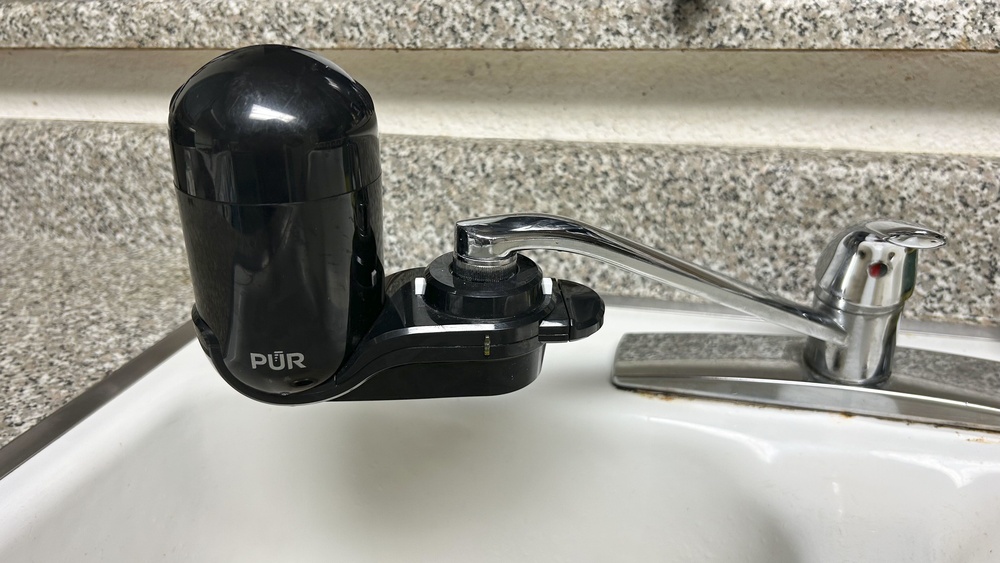
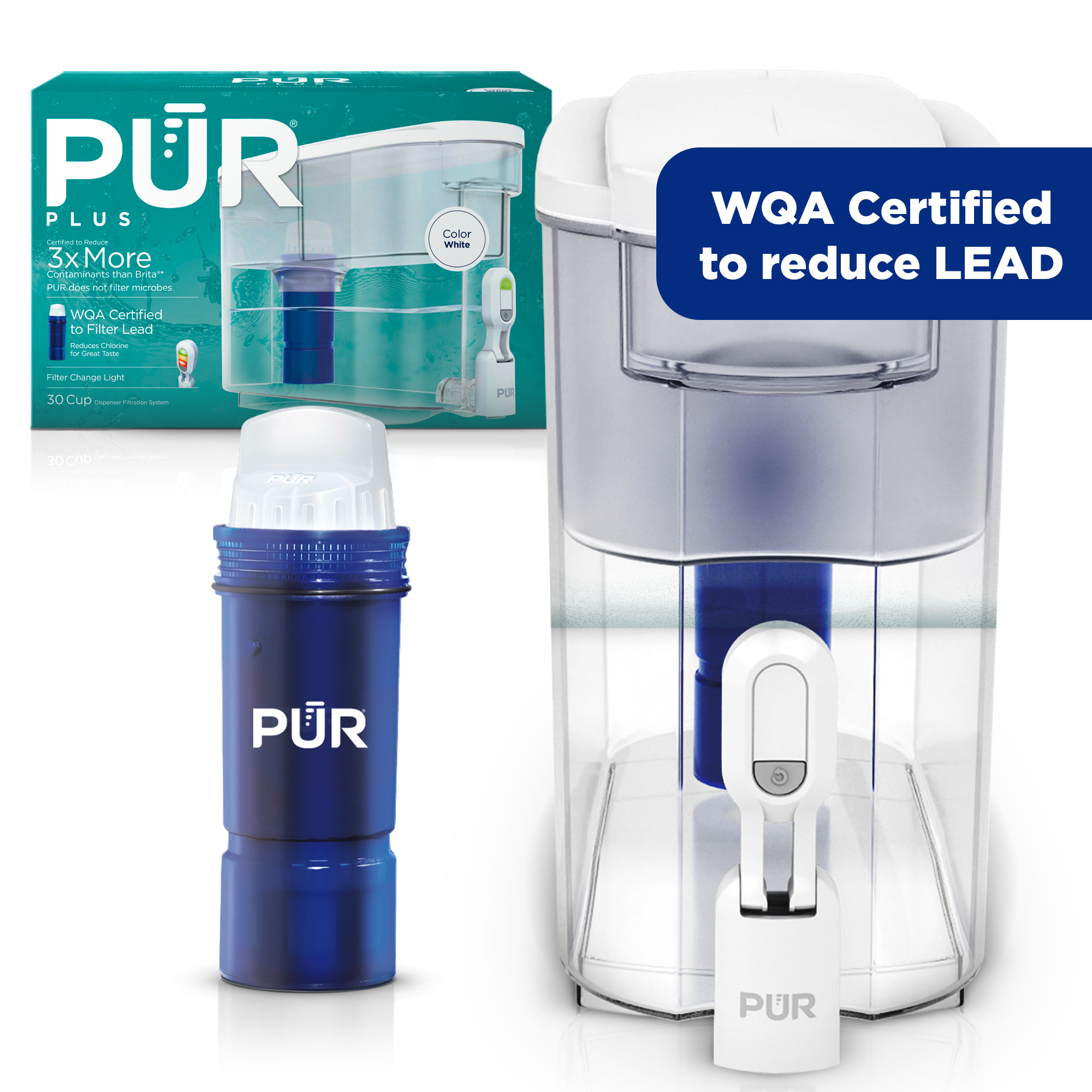
Pur offers several filter types for different needs. Faucet-mounted filters connect directly to the kitchen tap. They are easy to install and use. Pitcher filters hold water and filter it as you pour. They are portable and good for small spaces. Under-sink filters install below the counter. They provide filtered water through a separate faucet. Each type targets common water problems in homes.
Water Contaminants Removed
Pur water filters help remove many harmful substances from tap water. This makes drinking water safer and cleaner. Understanding what contaminants Pur filters remove can help you trust your water.
These filters use advanced technology to trap and reduce impurities. They improve taste, odor, and overall water quality. Knowing the types of contaminants filtered out is important for health.
Common Impurities Filtered Out
Pur filters reduce chlorine, which affects water taste and smell. They also remove lead, a heavy metal harmful to health. Other common impurities include mercury, asbestos, and certain pesticides. These substances can cause health problems over time. Removing them makes water safer for drinking and cooking.
Effectiveness Against Bacteria And Viruses
Pur filters block many bacteria that cause illness. They reduce harmful germs like E. coli and salmonella. However, they may not remove all viruses completely. For virus protection, extra treatment might be needed. Still, Pur filters greatly lower bacterial risks in water.
Safety Standards And Certifications
Safety standards and certifications show how reliable a water filter is. They prove the filter meets strict rules for clean water. These marks help buyers trust the product. Pur water filters follow many important standards. These ensure the water you drink is safe.
Nsf And Epa Certifications
NSF certification tests water filters for health safety. It checks if filters remove harmful chemicals and germs. Pur filters often hold NSF certification for various contaminant removal. This means they meet high safety and quality rules.
The EPA sets rules for drinking water safety. Pur filters meet EPA guidelines for removing dangerous substances. This protects your health by giving you cleaner water. Certifications from both NSF and EPA prove Pur filters work well.
Quality Control Measures
Pur uses strict quality control during filter production. Each filter goes through tests to check for defects. The company ensures every filter meets safety standards before selling.
Ongoing checks monitor filter performance over time. This keeps the water clean and safe to drink. Quality control makes sure Pur filters stay reliable for users.

Taste And Odor Improvements
Water that tastes and smells fresh is easier to drink. Many people notice strange tastes and odors in tap water. These issues make drinking water less pleasant. Pur water filters help improve both taste and smell. They reduce unwanted chemicals and impurities. The result is water that feels cleaner and fresher.
Chlorine Removal
Chlorine is common in tap water. It kills germs but affects taste and smell. Pur filters use activated carbon to remove chlorine. This process lowers the chemical’s presence in water. Less chlorine means fewer bad odors. The water tastes more natural and pure. Many users say the chlorine smell disappears completely.
Impact On Water Flavor
Removing chlorine and other chemicals improves water flavor. Pur filters catch particles that cause a metallic or bitter taste. Water becomes smoother and more refreshing. Clean water encourages people to drink more. This helps maintain good hydration. The better taste also suits cooking and making drinks.
Maintenance And Filter Replacement
Maintaining your PUR water filter is key to safe drinking water. A clean and well-functioning filter removes harmful substances effectively. Neglecting maintenance can reduce water quality and taste. Regular care keeps the filter working at its best.
Recommended Replacement Frequency
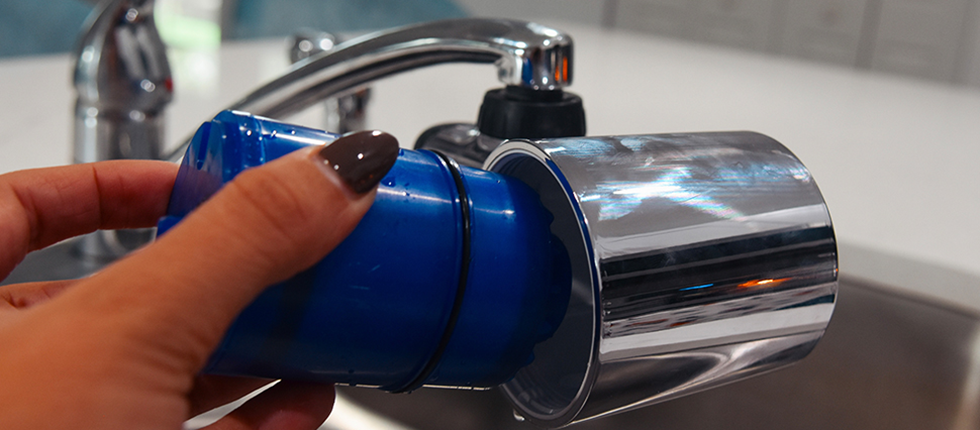
PUR water filters usually need replacement every 2 to 3 months. This depends on the water usage and quality. Using the filter beyond this time lowers its efficiency. Most filters can purify about 40 gallons before they stop working well. Follow the manufacturer’s advice for best results.
Signs Of Filter Wear
Look for changes in water taste or smell. If water tastes strange or smells bad, the filter may be worn out. A slower water flow can also indicate a clogged filter. Visible dirt or stains on the filter are warning signs too. Replace the filter immediately if you notice these signs.
Potential Risks And Limitations
Understanding the potential risks and limitations of the Pur water filter helps users make safe choices. No water filter is perfect, including Pur. Knowing what it cannot remove and the dangers of expired filters keeps your water safer. This section explains these concerns clearly and simply.
What Pur Filters Cannot Remove
Pur filters remove many common contaminants. They target chlorine, lead, and some harmful bacteria. Yet, some substances pass through. Pur filters do not remove fluoride, nitrates, or viruses fully. Certain chemicals like pesticides and pharmaceuticals may also remain. Users should not rely on Pur for all water issues. Testing your water can reveal what needs filtering.
Risks Of Using Expired Filters
Using an expired Pur filter reduces its cleaning power. Old filters may let contaminants pass into your drinking water. They can also grow bacteria inside the filter. This growth can cause bad taste or illness. Changing filters on time is important for safety. Follow the manufacturer’s schedule to avoid risks.
User Reviews And Expert Opinions
User reviews and expert opinions provide a clear picture of the Pur water filter’s safety and effectiveness. Real users share their experiences, highlighting the filter’s strengths and weaknesses. Experts analyze the technology and materials used to determine if the filter meets health standards.
Customer Satisfaction Trends
Many customers report cleaner and better-tasting water after using Pur filters. They praise the easy installation and filter replacement process. Some users mention a reduction in chlorine taste and odor. A few note that the filter needs frequent changing, depending on water quality. Overall, most users feel confident about the water’s safety and quality. Negative reviews often focus on filter lifespan or occasional leaks. This feedback helps new buyers make informed decisions.
Expert Recommendations
Experts test Pur filters for contaminant removal and safety compliance. Most confirm Pur effectively removes chlorine, lead, and some pesticides. They recommend the filter for improving tap water taste and safety. Experts advise changing filters regularly to maintain performance. Some suggest pairing Pur filters with other purification methods for best results. The product meets many national health and safety standards. Experts highlight the importance of following manufacturer guidelines for use and maintenance.
Comparing Pur With Other Filters
Choosing the right water filter matters for clean and safe drinking water. Comparing Pur with other popular water filters helps you decide which fits your needs best. Focus on cost, performance, and how long the filters last.
Cost Vs. Performance
Pur filters are usually affordable and offer good water cleaning. Some other brands cost more but may remove fewer contaminants. Pur balances price and quality well. This makes it a smart choice for many families. Some cheaper filters might save money but need frequent replacement. Think about how much you pay and what you get in return.
Filter Lifespan And Efficiency
Pur filters generally last about 40 gallons or two months. Other brands may last longer or shorter periods. Efficiency means how well the filter removes harmful substances. Pur removes lead, chlorine, and some bacteria. Some filters remove more types of contaminants but at a higher cost. It is important to change filters on time for best water quality. Check the filter’s lifespan and what it removes before buying.
Frequently Asked Questions
Is Pur Water Filter Effective In Removing Contaminants?
Yes, Pur Water Filters effectively remove many common contaminants like lead, chlorine, and mercury. They use activated carbon and ion exchange to improve water taste and safety, making filtered water cleaner and healthier for daily consumption.
How Safe Is Water Filtered By Pur?
Water filtered by Pur is generally safe to drink. Their filters reduce harmful substances and improve water quality. However, always replace filters regularly to maintain safety and effectiveness, as expired filters can harbor bacteria or lose filtration ability.
Does Pur Water Filter Remove Bacteria And Viruses?
Pur Water Filters primarily target chemicals and heavy metals, not all bacteria or viruses. For microbial safety, additional treatment methods like boiling or UV purification are recommended, especially in areas with unsafe water sources.
How Often Should Pur Water Filters Be Replaced?
Pur Water Filters should be replaced every 2 to 3 months or after filtering about 100 gallons. Timely replacement ensures optimal filtration performance and safe, clean drinking water.
Conclusion
Pur water filters remove many harmful particles from water. They help improve taste and reduce odors. Using a Pur filter can make tap water safer to drink. Regular filter changes keep the water clean and fresh. Always follow the instructions to get the best results.
Clean water supports good health every day. Trusting Pur means choosing filtered water without chemicals and dirt. Safe drinking water is important for you and your family. Pur water filters offer a simple way to enjoy better water. Easy to use and effective too.

Hasan Al Sarker is a Reverse Osmosis Specialist. He has worked for many years to ensure safe drinking water for all. His research paper has been published in several journals, including Issue, Medium, and Slideshare. He is recognized as a water doctor among specialists though he did not attend medical college.
Besides working as a researcher of reverse osmosis technology, he is also very fancy with the kitchen and cooking. His guides are reading thousands of people every day. As a head of content, he is responsible for all the published articles at RO System Reviews.