Have you ever wondered if sand can really clean your water? You might think it’s just dirt, but sand has been used for filtering water for centuries.
If you want to know whether sand is a good filter for your water, this article will clear up the mystery. By the end, you’ll understand how sand works, its benefits, and what to watch out for. Keep reading to discover if sand could be the simple solution you need for cleaner water.

Role Of Sand In Water Filtration
Sand plays a vital role in cleaning water. It helps remove dirt, particles, and some germs from water. Water passes through layers of sand, which traps impurities. This process makes water clearer and safer to use.
Many water systems use sand as a natural filter. It is a simple and cost-effective method. Sand filters work without chemicals, making them eco-friendly. They help improve water quality for drinking, farming, and other needs.
How Sand Filters Work
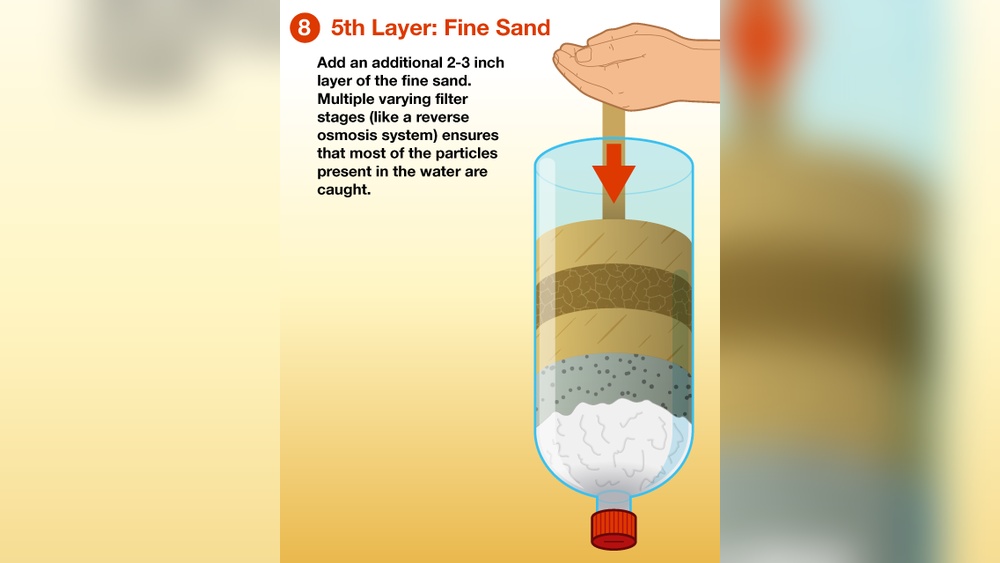
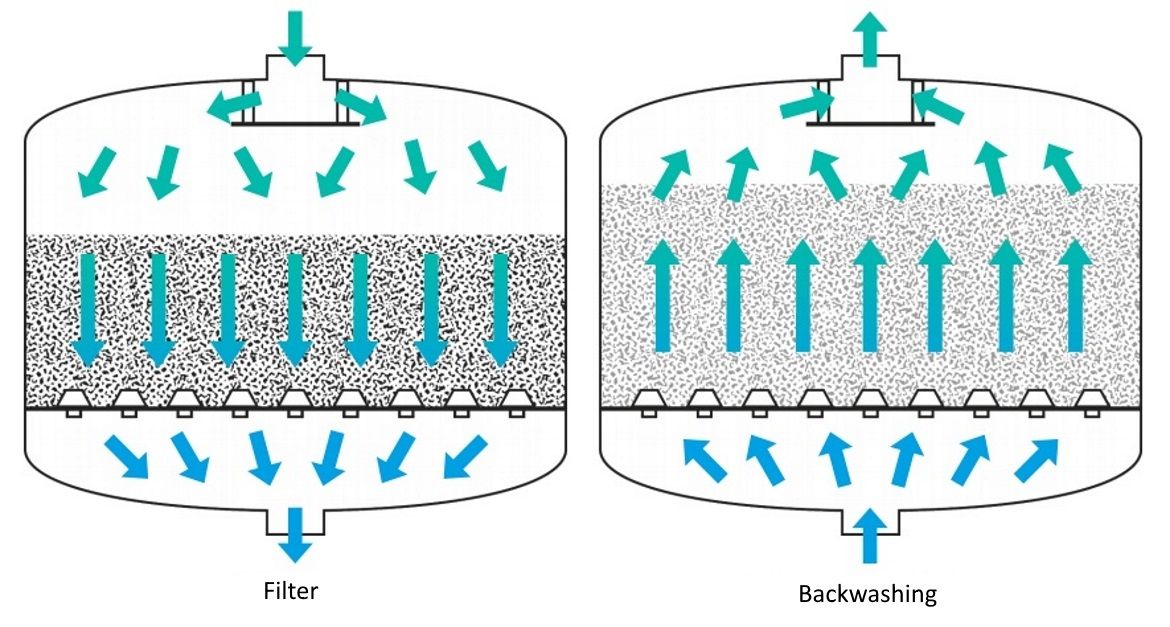
Water flows through sand layers slowly. The sand traps solid particles and tiny dirt pieces. The gaps between sand grains catch these impurities. This process is called mechanical filtration.
Some bacteria and germs also stick to the sand grains. This helps reduce harmful microorganisms in the water. The cleaner water then moves out of the filter. Regular cleaning of the sand is needed to keep it effective.
Types Of Sand Used In Filtration
Not all sand is good for filtering water. Filter sand must be clean and have the right grain size. Coarse sand removes large particles. Fine sand traps smaller dirt and germs.
Silica sand is the most common type used in filters. It has a uniform shape and size. Other sands can contain clay or dust, which reduce filtering power. Choosing the right sand improves water cleaning results.
Effectiveness Of Sand Filters
Sand filters are common in water treatment for their simple design and practical use. They work by passing water through layers of sand, which traps many impurities. Understanding their effectiveness helps decide if sand filters suit your water needs.
Removing Particles And Sediments
Sand filters excel at capturing large particles and sediments. Dirt, sand grains, and debris get stuck in the sand layers. This process clears the water of visible impurities. The filter improves water clarity significantly. Regular cleaning keeps the filter working well.
Impact On Microbial Contaminants
Sand filters can reduce some microbes by trapping them. Tiny organisms stick to sand grains as water flows through. However, they do not kill bacteria or viruses. The filter helps lower microbial levels but does not eliminate all pathogens. Extra treatment is needed for safe drinking water.
Limitations In Chemical Filtration
Sand filters do not remove chemicals or dissolved substances. Harmful chemicals like pesticides or heavy metals pass through easily. They only filter physical particles, not chemical pollutants. Using sand filters alone is not enough for chemical contamination. Other methods must be added to handle chemicals.
Comparing Sand To Other Filter Media
Choosing the right filter media is key for clean water. Sand is common, but other options exist. Each type has strengths and weaknesses. Understanding these helps pick the best filter for your needs.
Sand Vs Activated Carbon
Sand filters trap particles by size. They remove dirt, silt, and some bacteria. Activated carbon filters absorb chemicals and odors. They do not catch large particles well. Sand is great for physical cleaning. Carbon improves taste and removes chlorine.
Sand Vs Ceramic Filters
Ceramic filters have tiny pores. They block bacteria and protozoa effectively. Sand filters remove bigger particles but miss some germs. Ceramic filters clean water better for health. Sand filters are faster but less thorough. Ceramic filters need careful handling to avoid cracks.
Cost And Maintenance Differences
Sand filters usually cost less upfront. They need regular cleaning to avoid clogging. Activated carbon filters require frequent replacement. Ceramic filters last longer but can break easily. Sand filters are simple to maintain. Carbon and ceramic need more care and expense.
Applications Of Sand Filtration
Sand filtration plays a vital role in cleaning water across different settings. Its natural ability to trap dirt and particles makes it a popular choice worldwide. People use sand filters in homes, industries, and even during outdoor activities. Each use shows how effective and versatile sand filtration can be.
Use In Household Water Systems
Many homes use sand filters to improve water quality. These filters remove sand, dirt, and small debris from tap water. They help protect plumbing and appliances from damage. Sand filtration also improves water clarity and taste. It is an affordable and simple way to keep water clean.
Industrial And Municipal Uses
Industries depend on sand filters for cleaning large water volumes. Factories need clean water for production and cooling systems. Municipal water plants use sand filtration to treat drinking water. It removes harmful particles before water reaches homes. Sand filtration supports health and safety on a big scale.
Outdoor And Emergency Filtration
Sand filters are practical for outdoor trips and emergencies. Campers and hikers use portable sand filters to clean river or lake water. They remove visible dirt and some bacteria. In emergencies, sand filtration can provide safer water quickly. It is a simple tool for survival and outdoor safety.
Enhancing Sand Filter Performance
Improving sand filter performance makes water cleaner and safer. Simple steps boost the filter’s ability to remove dirt and impurities. These methods help the sand filter work longer and better.
Using other materials with sand, cleaning the filter regularly, and adding chemical treatments all help. Each step is important for clear water.
Layering With Other Materials
Adding layers of gravel or activated charcoal below the sand helps trap smaller particles. Gravel supports the sand and stops it from washing away. Activated charcoal removes bad smells and chemicals. This mix cleans water more deeply than sand alone.
Regular Cleaning And Replacement
Cleaning the sand filter often stops clogs and keeps water flowing. Washing or stirring the sand removes trapped dirt. Replace the sand every few years to keep it fresh. Dirty sand cannot clean water well.
Combining With Chemical Treatments
Using safe chemicals like chlorine kills germs that sand cannot catch. Chemicals help stop bacteria and viruses in water. Always follow instructions for safe chemical use. Combining chemicals with sand filters improves water safety a lot.
Frequently Asked Questions
Is Sand Effective For Filtering Water Impurities?
Sand is effective in removing large particles and sediments from water. It traps dirt, debris, and some bacteria. However, sand alone cannot remove all contaminants like chemicals or viruses. It works best as part of a multi-layer filtration system for safer water.
How Does Sand Filter Water In Purification Systems?
Sand filters work by forcing water through fine sand grains. The sand traps suspended solids and particles. Microorganisms get caught or die due to limited oxygen. This natural process helps clarify water and reduce turbidity effectively.
Can Sand Filter Remove Harmful Bacteria From Water?
Sand filters can reduce some bacteria but don’t eliminate all harmful pathogens. They provide partial biological filtration but are not reliable alone for pathogen removal. Additional disinfection methods like chlorination or UV treatment are necessary for safe drinking water.
What Are The Benefits Of Using Sand As A Water Filter?
Sand is affordable, abundant, and environmentally friendly. It requires low maintenance and is easy to use. Sand filters improve water clarity and remove physical impurities efficiently. They are ideal for pre-filtration in many water treatment setups.
Conclusion
Sand works well to remove large particles from water. It traps dirt and helps clear cloudy water. Yet, sand alone cannot remove all germs or chemicals. For safer drinking water, use sand with other filters or treatments. Simple and natural, sand is a good first step in cleaning water.
It is affordable and easy to use in many places. Choose sand filters wisely based on your water needs and safety. Clean water is possible with the right tools and care.

Hasan Al Sarker is a Reverse Osmosis Specialist. He has worked for many years to ensure safe drinking water for all. His research paper has been published in several journals, including Issue, Medium, and Slideshare. He is recognized as a water doctor among specialists though he did not attend medical college.
Besides working as a researcher of reverse osmosis technology, he is also very fancy with the kitchen and cooking. His guides are reading thousands of people every day. As a head of content, he is responsible for all the published articles at RO System Reviews.