
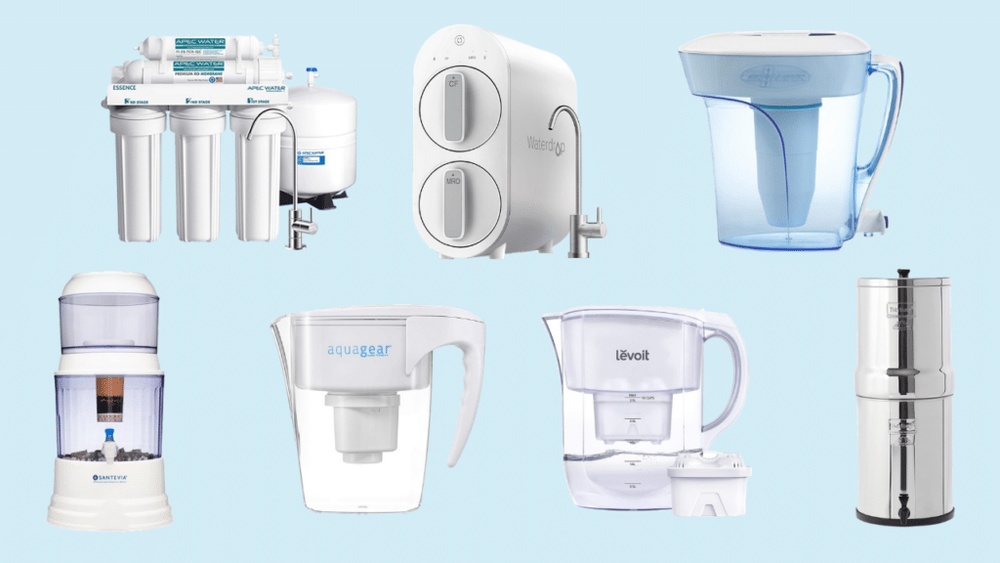
Are you worried about the fluoride in your tap water? You’re not alone.
Many people want to know if there’s a water filter that can actually remove fluoride. After all, you want clean, safe water for you and your family. But with so many options out there, it’s hard to know which filters really work.
You’ll discover the truth about fluoride removal and find out which filters can give you peace of mind with every sip. Keep reading—you deserve to know what’s really in your water.
Why Remove Fluoride From Water
Fluoride is a common additive in many public water supplies. It helps prevent tooth decay but also raises concerns for some people. Understanding why some choose to remove fluoride from water is important. This section explains key reasons for fluoride removal and its effects on health.
Health Concerns Linked To Fluoride
Fluoride in high amounts can cause health problems. One issue is dental fluorosis, which changes tooth appearance. Some studies link excess fluoride to bone weakness. There are worries about how fluoride affects brain development. People with sensitive health conditions may react to fluoride.
Fluoride Levels In Tap Water
Many cities add fluoride to tap water at controlled levels. The amount varies depending on local rules and guidelines. Sometimes, natural water sources have higher fluoride levels. Monitoring is essential to keep fluoride safe for drinking. People want to know exactly how much fluoride is in their water.
Benefits Of Fluoride Removal
Removing fluoride can reduce health risks for sensitive groups. It offers peace of mind for families concerned about long-term effects. Fluoride-free water suits those who prefer natural or minimal additives. It helps avoid dental fluorosis and potential bone issues. Clean water without fluoride supports overall well-being.
Types Of Water Filters That Remove Fluoride
Fluoride is a common additive in many water supplies. Some people want to remove it for health or taste reasons. Various water filters can reduce or remove fluoride effectively. Each type works differently and suits different needs.
Choosing the right filter depends on your water source and budget. Here are the main types of water filters that remove fluoride.
Reverse Osmosis Systems
Reverse osmosis (RO) systems use a special membrane to filter water. The membrane blocks fluoride and many other contaminants. These systems often install under the sink. They provide clean, clear water. RO systems need regular filter changes for best results.
Activated Alumina Filters
Activated alumina filters are made from aluminum oxide. They attract and hold fluoride particles. These filters work best with clean, neutral pH water. They are affordable and easy to install. Replace them as the filter’s capacity decreases.
Distillation Units
Distillation units boil water and collect the steam. The steam leaves behind fluoride and other minerals. The steam turns back into liquid water. This process removes almost all fluoride. Distillation takes more time and energy than other methods.
Bone Char Filters
Bone char filters use charred animal bones to trap fluoride. They have a high capacity to remove fluoride. These filters also reduce some heavy metals. Bone char filters work well in home systems but need regular replacement.
Top Water Filters For Fluoride Removal
Removing fluoride from drinking water requires special filters. Not all water filters can reduce fluoride effectively. Some filters use different methods to target fluoride ions and improve water quality.
Choosing the right filter depends on your needs and budget. The following are some of the best water filters for fluoride removal.
Best Reverse Osmosis Filter
Reverse osmosis (RO) filters push water through a semi-permeable membrane. This membrane blocks fluoride and other contaminants. RO systems often include several stages for thorough cleaning. They provide clean, safe water by removing up to 95% of fluoride.
Best Activated Alumina Filter
Activated alumina filters absorb fluoride from water. They use a porous form of aluminum oxide. These filters work best in neutral or slightly acidic water. Activated alumina can remove about 90% of fluoride with regular maintenance.
Best Distillation System
Distillation heats water to create steam, leaving impurities behind. The steam then cools back to liquid form. This process removes fluoride and most other chemicals. Distillers produce very pure water but use more energy and time.
Best Bone Char Filter
Bone char filters use charred animal bones to trap fluoride. The porous structure attracts and holds fluoride ions. These filters can remove up to 90% of fluoride. Bone char is a natural and effective option, especially for well water.
Factors To Consider When Choosing A Fluoride Filter
Choosing the right water filter to remove fluoride is important for safe drinking water. Several key factors affect how well a filter works and fits your needs. Understanding these points helps pick the best option for your home.
Filtration Efficiency
Check how well the filter removes fluoride from water. Some filters remove nearly all fluoride, while others reduce only a small amount. Look for filters tested by trusted organizations. High efficiency means safer water.
Cost And Maintenance
Consider the price of the filter and ongoing costs. Some filters cost more upfront but need less frequent maintenance. Others are cheaper but require regular filter changes. Choose a filter that fits your budget and time.
Installation Requirements
Some fluoride filters need professional installation. Others are easy to install yourself. Think about your comfort level with installation and space available. Proper setup ensures the filter works correctly.
Filter Lifespan And Replacement
Filters have a limited lifespan before they stop working well. Check how long the filter lasts and how often to replace it. Frequent replacements can increase costs and effort. A longer-lasting filter may save money over time.
Testing And Verifying Fluoride Removal
Testing and verifying fluoride removal from water is crucial. Without testing, you cannot be sure the filter works. Fluoride is a small mineral, so not all filters remove it effectively. Regular testing shows if fluoride levels drop after filtration. This step helps protect your health and confirms filter performance.
Home Testing Kits
Home testing kits offer a simple way to check fluoride levels. These kits usually include strips or drops that change color. You dip the strip or add drops to a water sample. Then, compare the color to a chart to find fluoride concentration. Home kits are affordable and easy to use. They provide quick results but may lack high accuracy. Still, they help you track fluoride before and after filtering.
Professional Water Testing Services
Professional water testing services deliver precise fluoride measurements. Experts collect water samples and analyze them in laboratories. They use advanced tools that detect even tiny fluoride amounts. This service ensures accurate results and detailed reports. Professional tests cost more but offer reliable data. Use these services for peace of mind or detailed water quality checks. They confirm if your water filter removes fluoride effectively.
Common Myths About Fluoride Filters
Many people believe a water filter that removes fluoride works like any regular filter. This is not always true. There are common myths about fluoride filters that can confuse buyers. Understanding these myths helps you choose the right filter for your needs.
Effectiveness Of Carbon Filters
Carbon filters clean water by trapping particles and chemicals. They remove chlorine, bad smells, and taste from water. But carbon filters do not remove fluoride. Fluoride is very small and passes through these filters easily. People think carbon filters remove fluoride because they clean other chemicals well. This is a misunderstanding.
Fluoride Removal Vs. Other Contaminants
Filters that remove fluoride work differently than regular filters. Fluoride needs special materials like activated alumina or reverse osmosis to be removed. Some filters can remove many contaminants but not fluoride. Others focus only on fluoride and miss other harmful substances. Knowing the difference helps you pick a filter that matches your water quality needs.
Frequently Asked Questions
What Types Of Water Filters Remove Fluoride Effectively?
Reverse osmosis and activated alumina filters are the most effective at removing fluoride. They reduce fluoride levels significantly, making water safer to drink.
Can A Standard Carbon Filter Remove Fluoride?
No, standard carbon filters do not remove fluoride effectively. Fluoride requires specialized filtration methods like reverse osmosis or activated alumina.
How Does Reverse Osmosis Remove Fluoride From Water?
Reverse osmosis pushes water through a semipermeable membrane, trapping fluoride and other contaminants. It provides high fluoride removal efficiency.
Is Activated Alumina Safe For Fluoride Removal?
Yes, activated alumina is safe and commonly used to remove fluoride. It absorbs fluoride ions through a chemical adsorption process.
Conclusion
Many water filters can remove fluoride effectively. Choosing the right filter depends on your needs. Activated alumina and reverse osmosis systems work well. Regular filter changes keep water clean and safe. Testing your water helps know fluoride levels clearly. Clean water supports better health every day.
Simple steps can improve your drinking water quality. Stay informed to make the best choice for you.

Hasan Al Sarker is a Reverse Osmosis Specialist. He has worked for many years to ensure safe drinking water for all. His research paper has been published in several journals, including Issue, Medium, and Slideshare. He is recognized as a water doctor among specialists though he did not attend medical college.
Besides working as a researcher of reverse osmosis technology, he is also very fancy with the kitchen and cooking. His guides are reading thousands of people every day. As a head of content, he is responsible for all the published articles at RO System Reviews.