Have you ever wondered if installing a filter on your hot water line could make a real difference in your home? You might think filtering cold water is enough, but what about the water coming directly from your heater?
The truth is, unfiltered hot water can carry impurities that affect your skin, appliances, and even your health. If you care about cleaner water, longer-lasting appliances, and a safer home environment, this is something you need to consider. Keep reading to find out whether adding a filter to your hot water line is the smart choice for you.
Benefits Of Hot Water Line Filters
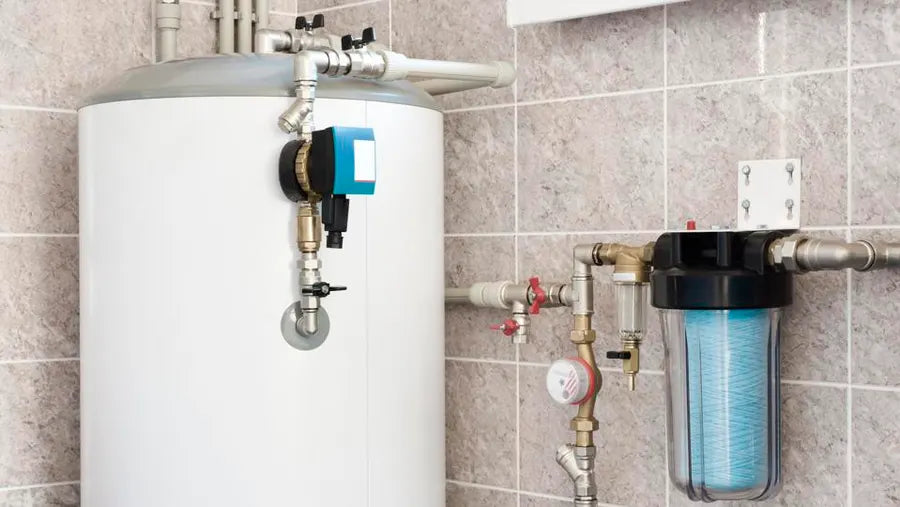
Installing a filter on the hot water line offers several important benefits. It improves the quality of water you use every day. The filter removes impurities that can affect taste and safety. It also helps protect your home appliances and supports healthier skin and hair. These advantages make a strong case for having a hot water line filter.
Improved Water Quality
Hot water filters remove sediments, chlorine, and other contaminants. This creates cleaner water for cooking and cleaning. It helps reduce odors and tastes caused by impurities. Cleaner water improves your overall home environment and health.
Protection For Appliances
Impurities in hot water can damage appliances like water heaters and dishwashers. A filter prevents buildup of minerals and rust inside these devices. This extends their life and reduces repair costs. Appliances run more efficiently with filtered hot water.
Enhanced Skin And Hair Health
Hot water can strip natural oils from skin and hair. Filters reduce harsh chemicals that cause dryness and irritation. Using filtered hot water helps keep skin soft and hair smooth. It supports a gentle and healthy daily routine.
Types Of Filters Suitable For Hot Water
Choosing the right filter for your hot water line is important. Hot water can carry different impurities than cold water. Some filters work better with hot water to protect your pipes and appliances. Understanding the types of filters helps you make a smart choice.
Each filter type has its own way of cleaning water. Some remove particles, others reduce chemicals or soften hard water. Let’s explore the common filters that suit hot water lines.
Sediment Filters
Sediment filters trap dirt, sand, and rust from water. They protect your water heater and pipes from damage. These filters are usually made of pleated fabric or spun fibers. They work well with hot water but need regular cleaning or replacement. Sediment filters keep your water clear and your system safe.
Carbon Filters
Carbon filters reduce chlorine, bad tastes, and odors in water. They use activated carbon to absorb chemicals and impurities. Some carbon filters can handle hot water temperatures. They improve water quality and make it safer for use. Carbon filters also protect appliances by reducing scale and build-up.
Water Softeners
Water softeners remove hardness minerals like calcium and magnesium. Hard water can cause scale in pipes and heaters. Softeners use salt or potassium to replace these minerals. They work well with hot water and extend the life of your water heater. Softened water feels smoother and helps soap work better.
Installation Considerations
Installing a filter on the hot water line needs some planning. You must think about where to place it, if it fits your plumbing, and how to keep it working well. These factors help you get the best results and avoid problems later.
Placement Options
Choose a spot that is easy to reach. Filters need space for installation and future care. Near the water heater is common. It protects the heater and gives clean hot water. Avoid places with extreme heat or cold. Check for enough room to open and replace the filter. A good spot saves time and effort.
Compatibility With Plumbing
Make sure the filter matches your pipes. Check pipe size and type before buying. Some filters fit only certain pipe materials. Use adapters if needed, but avoid complex setups. The filter should not reduce water flow. A mismatch can cause leaks or damage. Proper fit keeps water clean and system safe.
Maintenance Requirements
Filters need regular care to work well. Learn how often to change or clean the filter. Some need monthly attention, others less often. Easy access helps with quick maintenance. Ignoring maintenance lowers water quality and filter life. Keep a reminder to check the filter on time. Clean filters give better water and last longer.
Potential Drawbacks
Installing a filter on the hot water line has clear benefits. Still, it can come with some drawbacks. Knowing these issues helps make the right choice for your home. Consider these potential challenges before installation.
Cost Factors
Filters for hot water lines often cost more than cold water filters. The materials must withstand higher temperatures. This raises the price of buying and installing them. Maintenance costs add up over time too. Budgeting for these expenses is important.
Impact On Water Pressure
Adding a filter to the hot water line can lower water pressure. The filter blocks some flow to catch impurities. This can make showers and taps feel weaker. Homes with already low water pressure may notice this more. Checking pressure levels before installing is wise.
Filter Lifespan And Replacement
Hot water filters may wear out faster than others. Heat can reduce the filter’s effectiveness over time. Regular replacement is necessary to keep water clean. Forgetting to change filters can cause clogs and damage. Staying on a replacement schedule saves trouble later.
Signs You Need A Hot Water Filter
Knowing the signs that indicate the need for a hot water filter helps protect your home and health. Contaminants in hot water can cause taste, odor, and appliance problems. Detecting these issues early can save money and improve water quality.
Below are common signs that suggest installing a hot water filter is a smart choice.
Water Taste And Odor Issues
Hot water may taste metallic, sour, or strange. Unpleasant smells like rotten eggs or chlorine can also appear. These signs point to impurities in your water. A filter can remove these unwanted tastes and odors for cleaner water.
Appliance Damage Or Inefficiency
Minerals and sediments can build up inside water heaters and appliances. This causes rust, clogs, and reduces efficiency. Your water heater may take longer to heat water or break down early. A hot water filter helps prevent damage and keeps appliances running well.
Hard Water Symptoms
Hard water leaves white spots on dishes and soap scum in sinks. It also makes soap less effective and can dry out skin. High levels of calcium and magnesium cause these issues. Filtering hot water can reduce hardness and protect plumbing and skin.

Comparing Hot And Cold Water Filtration
Hot and cold water filtration serve different purposes and face unique challenges. Understanding their differences helps decide if a filter is needed on the hot water line. Each type of water contains distinct contaminants. Filter materials react differently to heat. Usage patterns also affect filter performance and lifespan.
Differences In Contaminants
Cold water often carries dirt, rust, and chlorine. Hot water may have minerals like calcium and magnesium. These minerals cause scale buildup inside pipes and heaters. Some bacteria can grow faster in warm water. Filters for hot water must handle these unique problems. Cold water filters focus more on taste and odor removal.
Filter Material Durability
Not all filter materials work well with hot water. Heat can damage or weaken some filter media. Plastic parts may warp or crack under high temperatures. Specialized filters use materials designed for heat resistance. These filters last longer and keep working properly. Choosing the right filter material is crucial for hot water lines.
Usage Frequency
Hot water is used less frequently than cold water. Showers, cooking, and cleaning use hot water. Cold water is used for drinking, washing, and more. Filters on cold water lines may need more frequent changes. Hot water filters might clog slower but still need maintenance. Regular checks ensure both filters work efficiently.
Frequently Asked Questions
Should I Install A Filter On My Hot Water Line?
Installing a filter on the hot water line can improve water quality and protect appliances. It removes sediments and contaminants that may affect taste and safety. Consider your water source and specific needs before installation for best results.
What Are The Benefits Of Filtering Hot Water?
Filtering hot water reduces sediments, chlorine, and harmful chemicals. It protects pipes and appliances from buildup and corrosion. Additionally, filtered water improves taste and odor, making it safer and more pleasant for daily use.
Can A Hot Water Filter Protect My Water Heater?
Yes, a hot water filter can protect your water heater by reducing scale and sediment buildup. This extends the heater’s lifespan and improves efficiency. It also reduces maintenance costs and potential repairs.
How Often Should I Change A Hot Water Filter?
Hot water filters typically need changing every 6 to 12 months. Frequency depends on water quality and usage levels. Regular replacement ensures optimal filtration and prevents clogging, maintaining clean and safe hot water.
Conclusion
Installing a filter on your hot water line can protect your pipes and appliances. It helps remove dirt and minerals that cause damage. Clean water means better water quality for your home. Filters also extend the life of water heaters.
Think about your water source and needs before deciding. A good filter adds value and peace of mind. Small steps like this improve daily water use. Consider this option to keep your water clean and safe.

Hasan Al Sarker is a Reverse Osmosis Specialist. He has worked for many years to ensure safe drinking water for all. His research paper has been published in several journals, including Issue, Medium, and Slideshare. He is recognized as a water doctor among specialists though he did not attend medical college.
Besides working as a researcher of reverse osmosis technology, he is also very fancy with the kitchen and cooking. His guides are reading thousands of people every day. As a head of content, he is responsible for all the published articles at RO System Reviews.