Are you thinking about installing a whole house water filter? It sounds like a great idea to get clean water throughout your home.
But before you make that decision, it’s important to know the downsides. What if this system isn’t as perfect as it seems? What problems could you face with maintenance, cost, or water flow? Understanding the disadvantages now can save you time, money, and frustration later.
Keep reading to find out what you need to watch out for before committing to a whole house water filter.
Initial Cost Concerns
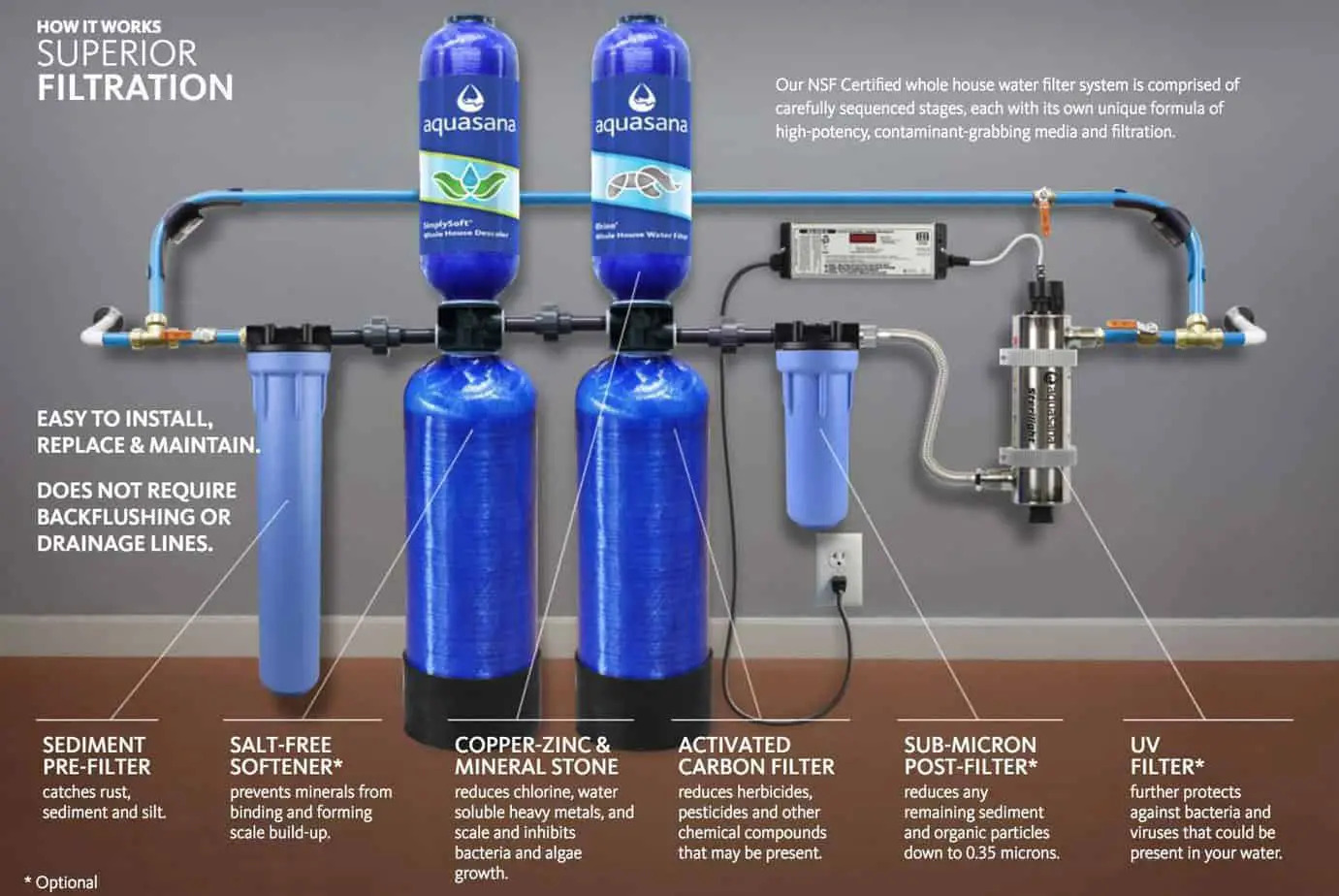
Installing a whole house water filter can be costly upfront. Many homeowners hesitate due to the initial expense. It is important to understand the cost factors involved before making a decision. This section breaks down the key initial cost concerns.
High Purchase Price
Whole house water filters often have a high purchase price. These systems use advanced technology to clean water for the entire home. The price varies by brand and filter type. Some models cost hundreds or even thousands of dollars. This upfront cost can be a barrier for many families.
Installation Expenses
Installation adds to the overall cost of a whole house water filter. Most systems require professional installation to work correctly. Plumbers charge for their time and expertise. Complex plumbing setups may increase these expenses. Installation fees can sometimes equal or exceed the filter’s purchase price.
Maintenance Challenges
Whole house water filters need regular care to work well. Maintenance can be a hassle for many homeowners. It requires time and effort to keep the system running smoothly. Ignoring maintenance can cause poor water quality and damage the filter system. Understanding these challenges helps in managing the filter better.
Frequent Filter Replacements
Filters in a whole house system must be changed often. Dirty or clogged filters reduce water flow and quality. Replacement schedules vary based on water use and type. Some filters need changes every few months. Missing these changes can cause system failure or water contamination.
Ongoing Upkeep Requirements
Besides changing filters, the system needs regular checks. Pipes and valves should be inspected for leaks or damage. Cleaning parts prevents buildup that can block water flow. Maintaining the system can be complex for beginners. Professional help may be needed, adding to the cost and effort.
Water Pressure Issues
Whole house water filters can cause water pressure problems in your home. These issues happen because the filter slows down water flow. Low water pressure can make everyday tasks harder. Washing dishes, showering, and watering plants may take longer. Understanding the causes of pressure issues helps you decide if this system fits your needs.
Reduced Flow Rate
Whole house water filters often reduce the flow rate of water. The filter material blocks some water as it cleans. This means less water comes out of your faucets. Showers may feel weak, and filling pots can take more time. The thicker or dirtier the filter, the more it slows water down. Regular maintenance can help but cannot fully prevent flow reduction.
Pump Compatibility Problems
Some water pumps may not work well with whole house filters. The filter adds resistance to water flow. Pumps designed for clear water might struggle to push water through. This can cause the pump to run longer or fail sooner. You might need a stronger pump to keep good pressure. Checking pump compatibility before installation is very important.
Limited Contaminant Removal
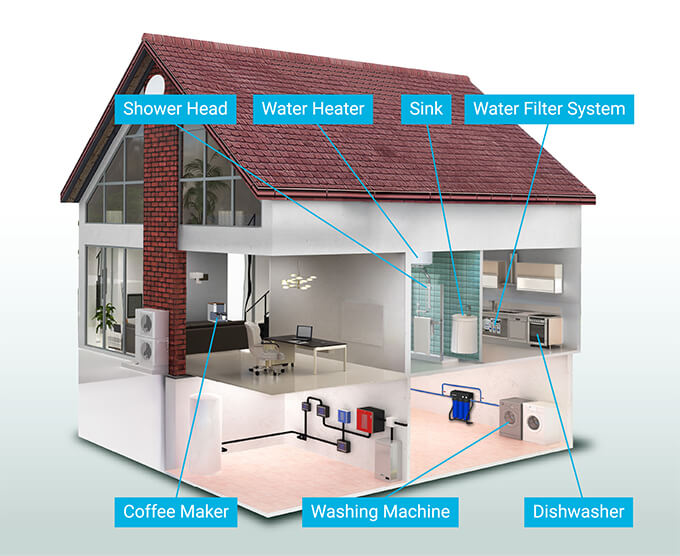
Whole house water filters offer convenience by treating all water entering your home. They improve water quality but have limits. One major drawback is limited contaminant removal. Not all pollutants get filtered out effectively. This can affect water safety and taste. Understanding these limits helps in making a better choice for your water needs.
Ineffective Against Certain Pollutants
Whole house filters often miss some harmful pollutants. Chemicals like pesticides, solvents, and heavy metals may pass through. Some filters cannot remove bacteria or viruses effectively. This means water might still contain unsafe substances. Relying solely on one system can leave gaps in water protection.
False Sense Of Security
People may believe their water is completely clean after installing a whole house filter. This can lead to ignoring other water quality checks. Testing water regularly is still important. Assuming full protection can cause health risks if contaminants remain. Awareness about filter limits is crucial for safety.
Space And Installation Limitations
Whole house water filters need space and careful installation. These filters are often large and require room near the main water line. This can be a problem in small homes or tight spaces. Installation may also need changes to your plumbing system. These changes can be tricky and costly.
Large Footprint
Whole house water filters take up a lot of space. The filter tanks and units are bulky. They need a spot that is dry and easy to reach. Many homes do not have extra space near the main water pipe. Storing and fitting the filter can be hard in small basements or utility rooms. This limits where you can put the filter.
Complex Plumbing Integration
Installing a whole house water filter often means changing your pipes. Plumbers must cut into the main water line. The filter must connect properly to avoid leaks or pressure loss. This work can take time and cost more money. If your plumbing is old or unusual, installation gets harder. Mistakes can cause water damage or poor filter performance.

Environmental Impact
Whole house water filters help improve water quality, but they also affect the environment. Understanding their environmental impact is important before choosing this system. Some effects come from waste and energy use.
Waste From Filter Cartridges
Filter cartridges need regular replacement to work well. Old cartridges create waste that often ends in landfills. Many cartridges contain plastic and materials that do not break down easily. This waste can harm the environment over time. Recycling options for these cartridges are limited and not always available.
Energy Consumption
Whole house water filters use electricity to operate. Pumps and other parts consume energy continuously. This energy use can increase your home’s carbon footprint. Systems with high energy needs contribute more to pollution. Choosing energy-efficient models can help reduce this impact.
Potential Health Risks
Whole house water filters can improve water quality, but they also carry some health risks. These risks come from problems inside the filter system. Understanding these risks helps you make a smart choice for your home.
Bacterial Growth In Filters
Water filters can trap dirt and germs over time. This trapped material can become a place for bacteria to grow. If not cleaned often, the bacteria can enter your water. Drinking this water may cause stomach problems or infections.
Regular filter changes and proper maintenance reduce this risk. Ignoring these steps allows bacteria to multiply quickly. This makes your water less safe to use or drink.
Water Quality Fluctuations
Filters may not remove all harmful substances evenly. Some pollutants might pass through in small amounts. This causes water quality to change without warning. You might get clean water one day and less clean the next.
These fluctuations can confuse users and affect health. Testing water quality regularly helps spot these changes early. It ensures your water stays safe over time.
Compatibility With Home Systems
Whole house water filters must fit well with your home’s plumbing and systems. Compatibility issues may cause trouble with existing equipment. It is important to know these problems before installing the filter. This section explains common compatibility challenges.
Issues With Existing Water Softeners
Water softeners and whole house filters sometimes do not work well together. The softener removes minerals, but the filter may trap particles that block the softener’s function. This clash can reduce water flow and cause pressure drops. Also, the filter may need frequent cleaning because of mineral buildup. Matching both systems needs careful planning and sometimes extra parts.
Impact On Appliances
Whole house filters change water quality, which affects appliances. Some filters remove minerals that protect pipes and machines from corrosion. Without these minerals, appliances may wear out faster. Filters can also reduce water pressure, causing dishwashers and washing machines to work less efficiently. This can increase repair costs and shorten appliance life. Always check if the filter suits your home’s devices.
Frequently Asked Questions
What Are The Main Drawbacks Of Whole House Water Filters?
Whole house water filters can be costly to install and maintain. They may reduce water pressure and require regular filter replacements to function effectively. Some systems do not remove all contaminants, limiting their effectiveness depending on water quality.
How Does A Whole House Filter Affect Water Pressure?
These filters can lower water pressure due to the filtration process. The flow rate depends on the filter type and size. Proper system sizing and maintenance help minimize pressure drops and maintain steady water flow.
Are Whole House Water Filters Expensive To Maintain?
Maintenance costs can be high due to frequent filter changes. Replacement filters vary in price depending on the system. Neglecting maintenance can reduce filter efficiency and water quality over time.
Do Whole House Filters Remove All Water Contaminants?
No, not all filters remove every contaminant. Some systems target specific impurities like chlorine or sediment. It’s important to choose a filter based on your water test results for effective purification.
Conclusion
Whole house water filters have clear drawbacks to consider. They cost a lot to buy and install. Maintenance takes time and can get expensive. Some filters may reduce water pressure in your home. Not all contaminants get removed by these systems.
Choosing the right filter is important to avoid problems. Weigh the pros and cons before making a decision. A good choice depends on your water quality needs. Think carefully before buying a whole house water filter.

Hasan Al Sarker is a Reverse Osmosis Specialist. He has worked for many years to ensure safe drinking water for all. His research paper has been published in several journals, including Issue, Medium, and Slideshare. He is recognized as a water doctor among specialists though he did not attend medical college.
Besides working as a researcher of reverse osmosis technology, he is also very fancy with the kitchen and cooking. His guides are reading thousands of people every day. As a head of content, he is responsible for all the published articles at RO System Reviews.