
Have you ever wondered what’s really in the water coming from your tap? You might think it’s clean, but many tiny impurities can hide in plain sight.
That’s where a charcoal filter steps in. It’s a simple tool that can make a big difference in the quality of your water. But what exactly does a charcoal filter remove from water? Understanding this can help you decide if it’s the right choice for your home and health.
Keep reading to discover how charcoal filters work and why they might be the key to cleaner, safer water for you and your family.
How Charcoal Filters Work
Charcoal filters clean water by removing many impurities. They use a special type of charcoal that traps harmful substances. This process makes water safer and better tasting. Understanding how these filters work helps you choose the right one for your needs.
Activated Charcoal Basics
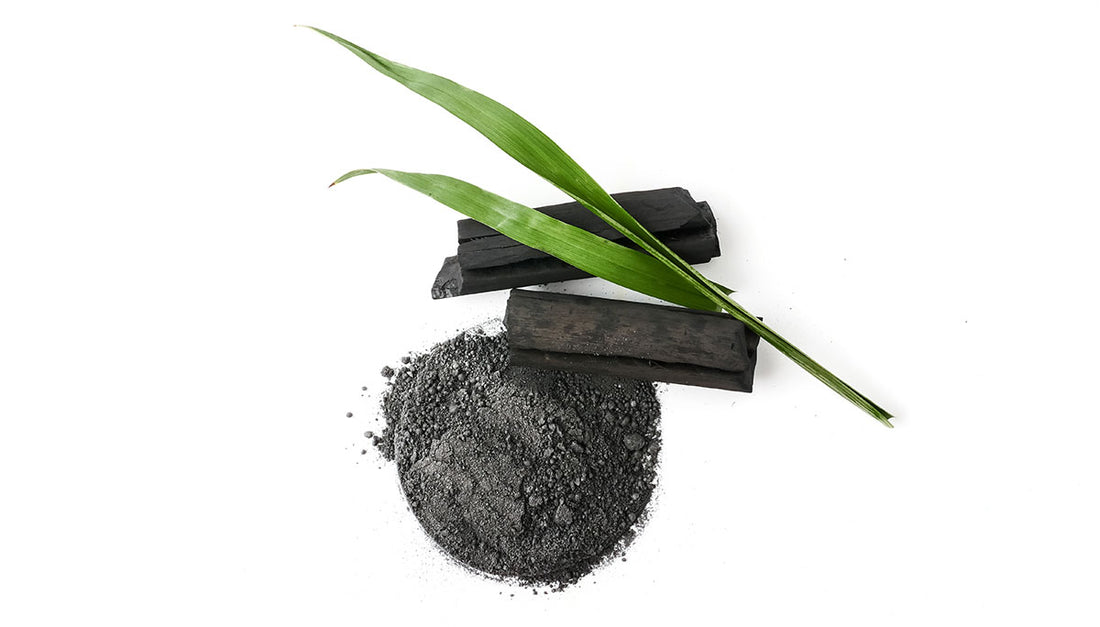
Activated charcoal is carbon treated with oxygen. This treatment creates tiny pores on its surface. These pores increase the charcoal’s surface area greatly. More surface area means more space to trap contaminants. It looks like black powder but works like a sponge.
Adsorption Process
Charcoal removes impurities through adsorption, not absorption. Adsorption means contaminants stick to the charcoal’s surface. Water flows through the charcoal, leaving harmful chemicals behind. It captures chlorine, pesticides, and some heavy metals. This process improves water smell and taste.
Filter Design Variations
Charcoal filters come in different shapes and sizes. Some use loose charcoal granules, others use solid blocks. Block filters have higher density and trap more particles. Some filters combine charcoal with other materials for extra cleaning. Each design targets specific impurities in water.
Common Contaminants Removed
Charcoal filters clean water by trapping many harmful substances. They use activated charcoal, which has tiny pores. These pores catch chemicals and particles, making water safer and better tasting. Below are common contaminants charcoal filters remove from water.
Chlorine And Chloramine
Chlorine is added to water to kill germs. It can leave a bad taste and smell. Charcoal filters absorb chlorine, improving water flavor. They also remove chloramine, a chemical made from chlorine and ammonia. Chloramine is harder to remove, but charcoal helps reduce it.
Volatile Organic Compounds
Volatile organic compounds (VOCs) come from factories and fuel. They can cause health problems if in drinking water. Charcoal filters trap VOCs by sticking to their surface. This stops them from reaching your glass.
Pesticides And Herbicides
Pesticides and herbicides protect crops but can pollute water. These chemicals may harm humans over time. Activated charcoal captures many types of these chemicals. It helps keep water safer for daily use.
Heavy Metals
Heavy metals like lead and mercury can poison water. They enter water through pipes or pollution. Charcoal filters can reduce some heavy metals. This lowers the risk of health issues from drinking water.
Sediments And Particulates
Sediments include dirt, sand, and rust particles. These make water cloudy and unpleasant. Charcoal filters trap these solid particles. This clears the water and protects other filter parts.
Limitations Of Charcoal Filters
Charcoal filters clean water by trapping many harmful substances. They work well for removing chlorine, bad taste, and odors. Still, charcoal filters do not catch everything. Knowing their limits helps choose the right filter for safe water.
Microorganisms And Bacteria
Charcoal filters do not remove bacteria or viruses. These tiny germs can pass through the filter easily. To protect against microbes, use filters with special layers or UV treatment.
Minerals And Salts
Minerals and salts stay in water after charcoal filtering. These include calcium, magnesium, and sodium. Charcoal does not change water hardness or salt content. Reverse osmosis filters work better for this task.
Fluoride And Nitrates
Fluoride and nitrates remain in water after charcoal filtration. They are small and dissolve well in water. Charcoal does not trap these chemicals. Special filters or treatments are needed to reduce fluoride and nitrates.
Benefits Of Using Charcoal Filters
Using charcoal filters for water brings many clear benefits. These filters improve water quality by removing unwanted substances. The result is better tasting, cleaner water that feels safer to drink. Charcoal filters also support health and help protect the environment.
Improved Taste And Odor
Charcoal filters remove chlorine and other chemicals that cause bad taste. They reduce odors that make water unpleasant. This creates fresh, clean-tasting water. Many people find it easier to drink more water with charcoal filtration.
Health Advantages
These filters trap harmful chemicals and impurities. They reduce contaminants like pesticides and heavy metals. This lowers health risks linked to unsafe water. Clean water supports better digestion and overall well-being.
Environmental Impact
Charcoal filters help reduce plastic waste by encouraging tap water use. They avoid the need for bottled water. The filters are often made from natural, renewable materials. This makes them a greener choice for daily water needs.
Choosing The Right Charcoal Filter
Choosing the right charcoal filter is key to clean and safe water. Not all filters work the same. Different filters suit different needs and water types. Understanding the options helps you pick the best one.
Filter Types And Sizes
Charcoal filters come in various forms. Some are block filters, others are granular. Block filters remove more particles but may slow water flow. Granular filters allow faster flow but catch fewer contaminants. Size matters too. Larger filters last longer and handle more water. Smaller filters fit compact systems but need frequent changes.
Filter Lifespan And Maintenance
Filters lose effectiveness over time. Most charcoal filters last between three to six months. Usage and water quality affect lifespan. Change filters regularly to avoid contamination. Cleaning some filters extends their life. Check the manufacturer’s instructions for care tips. Proper maintenance keeps your water pure and safe.
Certification And Standards
Look for certified filters to ensure safety. Certifications from NSF or WQA show filters meet strict standards. These filters remove specific contaminants reliably. Non-certified filters may not remove harmful substances well. Certification gives peace of mind about water quality and filter performance.
Tips For Maximizing Filter Efficiency
Maximizing the efficiency of a charcoal filter helps ensure clean and safe water. Simple steps improve how well your filter works. These tips help your filter remove more impurities and last longer.
Proper Installation
Install the charcoal filter carefully. Follow the instructions from the manufacturer. Place the filter in the right direction so water flows through it properly. Avoid leaks by tightening connections well. Poor installation can reduce filtering power.
Regular Replacement
Change the charcoal filter regularly. Over time, the filter fills with contaminants and stops working well. Check the replacement schedule on the filter packaging. Using a worn-out filter lets impurities pass through. Fresh filters keep water clean and fresh.
Water Quality Testing
Test your water quality often. Testing shows if the filter removes harmful substances. Use simple water test kits available online or in stores. If water quality drops, replace the filter sooner. Testing helps protect your health by ensuring safe drinking water.

Frequently Asked Questions
What Contaminants Do Charcoal Filters Remove From Water?
Charcoal filters effectively remove chlorine, sediment, volatile organic compounds (VOCs), and bad odors from water. They improve taste and clarity by trapping these impurities, making water safer and more pleasant to drink.
How Does A Charcoal Filter Improve Water Taste?
Charcoal filters absorb chlorine and other chemicals that cause unpleasant taste and odors. This process enhances the water’s freshness, making it more enjoyable and healthier for daily consumption.
Can Charcoal Filters Remove Heavy Metals From Water?
Charcoal filters have limited ability to remove heavy metals like lead or mercury. For heavy metal removal, specialized filters such as reverse osmosis or ion exchange are more effective.
How Often Should Charcoal Filters Be Replaced?
Charcoal filters should be replaced every 3 to 6 months, depending on usage and water quality. Regular replacement ensures effective filtration and prevents clogging or bacterial growth.
Conclusion
Charcoal filters clean water by removing many harmful substances. They trap chlorine, bad tastes, and odors effectively. These filters also reduce some chemicals and small particles. This makes water safer and better to drink. Using charcoal filters helps improve water quality at home.
Clean water supports health and daily life. Choose charcoal filters for simpler, clearer water every day.

Hasan Al Sarker is a Reverse Osmosis Specialist. He has worked for many years to ensure safe drinking water for all. His research paper has been published in several journals, including Issue, Medium, and Slideshare. He is recognized as a water doctor among specialists though he did not attend medical college.
Besides working as a researcher of reverse osmosis technology, he is also very fancy with the kitchen and cooking. His guides are reading thousands of people every day. As a head of content, he is responsible for all the published articles at RO System Reviews.