
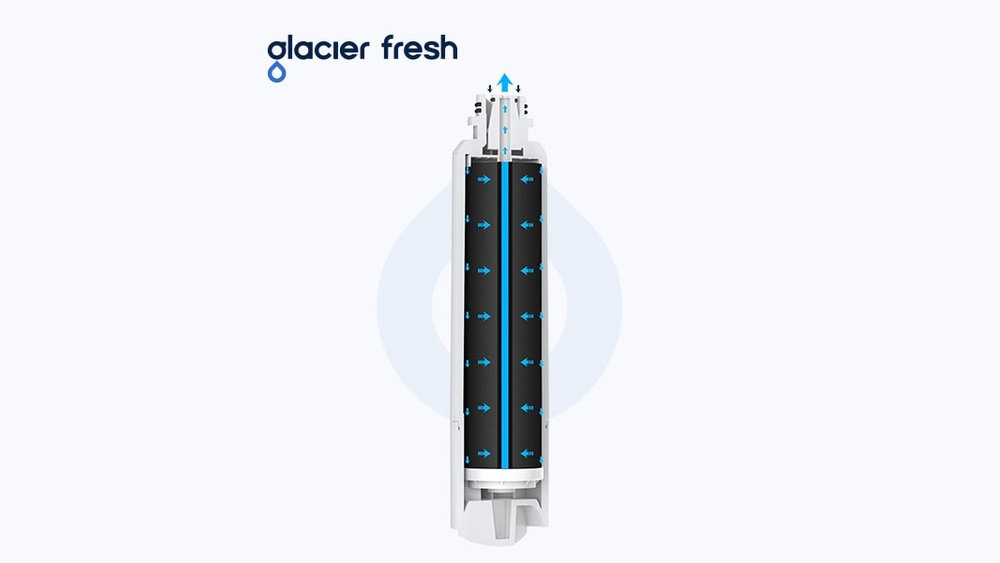
Have you ever wondered what’s really happening when your fridge dispenses cold, fresh water? Your refrigerator water filter plays a crucial role in making sure that every sip you take is clean, clear, and tastes great.
But how exactly does this tiny device work, and why should you care about replacing it regularly? You’ll discover the simple yet powerful way your fridge keeps your drinking water safe and refreshing. Keep reading to unlock the secrets behind that little filter and learn how it protects your health every day.
Role Of Refrigerator Water Filters
Refrigerator water filters play an important role in providing clean and safe water. They help remove impurities from the water before it reaches your glass or ice maker. These filters ensure the water tastes good and protects your refrigerator from damage. Understanding their role helps you appreciate why regular filter changes matter.
Let’s explore the main functions of refrigerator water filters and how they benefit your daily life.
Filtering Contaminants
Water filters trap dirt, rust, and tiny particles from your water supply. They also reduce harmful substances like chlorine, lead, and bacteria. This process helps lower health risks linked to dirty water. Clean water means safer drinking and cooking for your family.
Improving Taste And Odor
Some water has a strange taste or smell due to chemicals or minerals. The filter removes these elements, making water fresh and pleasant. Better taste encourages you to drink more water. Good-smelling water also improves the quality of ice cubes and drinks.
Protecting Appliance Components
Filtered water helps keep your refrigerator’s parts in good condition. It stops buildup of scale and minerals inside pipes and ice makers. This reduces breakdowns and extends the appliance’s life. Clean water means less maintenance and fewer repairs over time.

Types Of Refrigerator Water Filters
Refrigerator water filters come in different types. Each type cleans water in its own way. Knowing the types helps you choose the right filter for your needs.
Some filters focus on removing bad taste and odors. Others remove tiny particles and chemicals. Some combine several methods for better cleaning.
Carbon Filters
Carbon filters use activated carbon to clean water. They remove chlorine, bad tastes, and odors. These filters also reduce some chemicals and sediments. Carbon filters are common and affordable. They improve water taste and smell quickly.
Reverse Osmosis Filters
Reverse osmosis filters use a thin membrane. This membrane blocks many impurities, including heavy metals and salts. They remove more particles than carbon filters. These filters produce very clean water. They work slower and cost more than carbon filters.
Combination Filters
Combination filters mix different filtering methods. They often combine carbon and reverse osmosis. This provides better water cleaning. Combination filters remove a wide range of impurities. They offer cleaner and safer drinking water.
Signs To Replace Water Filters
Knowing when to replace your refrigerator water filter is key for clean, fresh water. Over time, filters get clogged with dirt and particles. This lowers their ability to clean your water properly. Watch for clear signs. They help you decide the right time to change the filter. This keeps water tasting good and safe to drink.
Decreased Water Flow
Water flows slower than usual through the dispenser. This often means the filter is clogged. A blocked filter stops water from passing easily. It may take longer to fill a glass. Check the flow regularly. A sudden drop usually signals a filter change is needed.
Unpleasant Taste Or Smell
Your water tastes strange or smells bad. This happens when a filter no longer cleans well. Old filters let impurities pass through. These cause bad taste and odors in the water. If water quality drops, replace the filter soon. Fresh filters keep water clear and tasty.
Filter Life Indicator Alerts
Many refrigerators have filter indicators. These lights or messages tell you when to change filters. The alert appears after a set time or water amount. Pay attention to these signals. They help maintain water quality and protect your appliance.

Benefits Of Using Water Filters
Water filters in refrigerators offer many benefits beyond clean water. They improve taste and remove harmful substances. Using these filters helps protect your health, saves money, and supports the environment.
Health Advantages
Water filters remove chlorine, lead, and other chemicals. This lowers health risks from drinking tap water. Clean water reduces stomach problems and improves overall wellness. It also helps avoid unpleasant tastes and odors in water.
Cost Savings
Filtered water means fewer bottled water purchases. This saves money over time. You also avoid costly repairs from mineral buildup in your fridge. Using a water filter reduces waste and maintenance costs.
Environmental Impact
Using a refrigerator water filter cuts plastic bottle waste. It reduces pollution from producing and transporting bottled water. Clean water from your fridge supports a greener lifestyle. This small step helps conserve natural resources and lowers your carbon footprint.
Maintaining Your Refrigerator Filter
Maintaining your refrigerator water filter is key for clean, fresh water. A well-kept filter helps remove dirt, chlorine, and bad tastes. It also protects your fridge’s water system from damage.
Regular care keeps water clear and safe. It also helps your fridge work better and last longer.
Regular Replacement Schedule
Change your water filter every 6 months or as your fridge manual says. Old filters can clog and stop working well. A fresh filter keeps water pure and tasting good. Set a reminder to replace it on time. Don’t wait until water tastes bad or flows slow.
Proper Installation Tips
Turn off the water supply before changing the filter. Remove the old filter by twisting it gently. Insert the new filter with the arrows pointing the right way. Twist it until it clicks or feels tight. Run water for a few minutes to clear air and loose particles. Check for leaks around the filter area. A good fit stops water leaks and keeps the filter working well.
Troubleshooting Common Issues
Water tastes funny? The filter might be old or installed wrong. Replace or reinstall the filter. Water flow is slow? The filter could be clogged. Change it sooner. Leaks appear? Check if the filter is tight and in the right spot. If problems stay, check your fridge manual or call support.

Frequently Asked Questions
What Does A Refrigerator Water Filter Remove?
A refrigerator water filter removes impurities like chlorine, sediment, and lead. It improves water taste and safety for drinking and ice-making.
How Often Should I Replace My Refrigerator Water Filter?
Replace your refrigerator water filter every 6 months or after filtering 200-300 gallons. Timely replacement ensures clean, fresh water and optimal filter performance.
Can A Water Filter Improve Ice Quality?
Yes, a refrigerator water filter removes contaminants that affect ice clarity and taste. Filtered water produces clearer, better-tasting ice cubes.
Is It Necessary To Use A Water Filter In Refrigerators?
Using a water filter is necessary to remove harmful substances and improve water quality. It safeguards your health and enhances drinking water flavor.
Conclusion
A refrigerator water filter cleans your water and ice. It removes dirt, bad taste, and odors. This helps keep your water fresh and safe to drink. Changing the filter regularly keeps your fridge working well. Clean water means better health and taste every day.
Simple, effective, and important for your home. Don’t forget to check your filter often. Clean water is easy with the right filter inside your fridge.

Hasan Al Sarker is a Reverse Osmosis Specialist. He has worked for many years to ensure safe drinking water for all. His research paper has been published in several journals, including Issue, Medium, and Slideshare. He is recognized as a water doctor among specialists though he did not attend medical college.
Besides working as a researcher of reverse osmosis technology, he is also very fancy with the kitchen and cooking. His guides are reading thousands of people every day. As a head of content, he is responsible for all the published articles at RO System Reviews.