Are you curious about what your PUR water filter actually removes from your tap water? You might think it’s just about making water taste better, but there’s a lot more going on beneath the surface.
Understanding exactly what contaminants are filtered out can help you feel confident every time you take a sip. You’ll discover the key impurities PUR targets and why that matters for your health and peace of mind. Keep reading to learn how your water filter works to protect you and your family.
How Pur Water Filters Work
Understanding how PUR water filters work helps you trust the water you drink. These filters clean water using smart technology. The process removes many impurities. It improves taste and safety.
Filtration Technology
PUR water filters use activated carbon and ion exchange. Activated carbon captures chlorine and bad odors. Ion exchange removes heavy metals like lead and mercury. Water passes through these layers slowly. This gives enough time to trap contaminants. The filter also reduces some pesticides and pharmaceuticals. The result is cleaner, better-tasting water.
Filter Components
The filter has several key parts. First is the activated carbon block. It looks like a small black cylinder. This part traps chemicals and particles. Next is the ion exchange resin. It captures heavy metals. Finally, a screen stops large debris from entering. These parts work together. They keep water pure and fresh.
Common Contaminants Removed
Pur water filters clean many harmful substances from tap water. They improve taste and safety by removing common pollutants. Understanding these contaminants helps explain why Pur filters are popular.
Chlorine And Chloramine
Chlorine and chloramine are chemicals used to kill germs in water. These chemicals can cause bad taste and smell. Pur filters reduce both, making water fresher and better to drink.
Lead And Heavy Metals
Lead and heavy metals come from old pipes and the environment. They can harm health, especially in children. Pur filters block these metals, helping protect your family.
Pesticides And Herbicides
Pesticides and herbicides come from farms and gardens. These chemicals can enter water and cause health risks. Pur filters remove many of these harmful substances.
Pharmaceuticals
Traces of medicines can reach water sources. These can affect health if consumed over time. Pur filters reduce many pharmaceutical residues, improving water quality.
Microorganisms
Microorganisms include bacteria, viruses, and parasites. They can cause illness if swallowed. Pur filters trap many harmful microbes, making water safer to drink.
Benefits Of Using Pur Filters
Using PUR water filters offers many benefits for daily water use. These filters improve water quality in simple and effective ways. People enjoy better tasting water and feel safer drinking it. The advantages go beyond taste and health. PUR filters also help save money over time. These benefits make PUR filters a smart choice for many households.
Improved Taste And Odor
PUR filters reduce chlorine and other chemicals that cause bad taste. Water tastes cleaner and fresher after filtering. Removing odors makes drinking water more pleasant. This encourages people to drink more water daily. Fresh tasting water also improves cooking and making drinks.
Health Advantages
PUR filters remove harmful contaminants like lead and mercury. These metals can cause health problems over time. The filter also reduces pesticides and bacteria. Cleaner water supports better overall health. Families can trust their tap water is safer to drink.
Cost Savings Compared To Bottled Water
Using a PUR filter costs less than buying bottled water. Bottled water expenses add up quickly over weeks and months. PUR filters provide a steady supply of clean water at home. This reduces plastic waste and saves money. It is an eco-friendly and budget-friendly choice.
Limitations Of Pur Water Filters
PUR water filters are popular for improving water taste and reducing many common impurities. They help make tap water safer and cleaner for daily use. Still, these filters have some limits that buyers must know.
Understanding these limits helps users set the right expectations. It also guides proper care and maintenance of the filter system.
Contaminants Not Removed
PUR filters do not remove all types of contaminants. They mainly target chlorine, lead, mercury, and some pesticides. But they cannot remove bacteria, viruses, or fluoride. Hard minerals like calcium and magnesium also stay in the water. These limits mean PUR filters do not make water completely pure. They reduce certain chemicals but do not sterilize water.
Filter Lifespan And Maintenance
PUR filters need regular changes to work well. Each filter lasts about 2-3 months or 40 gallons of water. Using the filter beyond this time lowers its ability to clean water. Users must follow replacement schedules closely. Cleaning the filter system parts helps avoid clogging and bacteria buildup. Ignoring maintenance can cause poor water flow and bad taste.
Comparing Pur With Other Filters
Choosing the right water filter is important for clean and safe drinking water. PUR filters are popular, but other filters also offer good purification. Comparing PUR with other filters helps you understand their strengths and limits. This guide looks at three common types of filters.
Activated Carbon Filters
PUR uses activated carbon to reduce chlorine taste and odor. It also removes some pesticides and industrial chemicals. Activated carbon filters work by trapping particles on their surface. Many water pitchers and faucet filters use this method. These filters improve water taste and smell well. They do not remove minerals or heavy metals completely.
Reverse Osmosis Systems
Reverse osmosis (RO) systems push water through a fine membrane. This process removes many impurities, including heavy metals, salts, and bacteria. RO systems clean water more thoroughly than PUR. They also remove beneficial minerals, which some people may miss. RO systems are larger and cost more. They often require professional installation and more maintenance.
Uv Purifiers
UV purifiers use ultraviolet light to kill bacteria and viruses. They do not remove chemicals, sediments, or metals. UV systems work well with other filters for complete cleaning. PUR filters do not use UV light. UV purifiers need electricity and regular bulb changes. They are effective for disinfecting water but do not improve taste or odor.
Choosing The Right Pur Filter Model
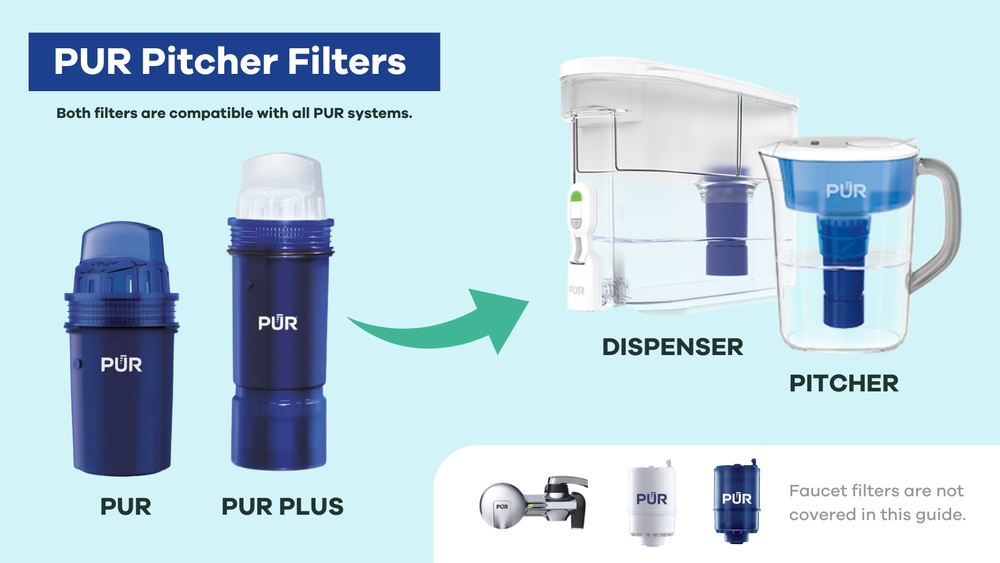
Choosing the right PUR water filter model depends on your needs and space. Each type offers unique benefits. Some fit on your faucet, others sit under your sink, and some are portable pitchers. Understanding these options helps you pick the best filter for clean water.
Pitcher Filters
Pitcher filters are easy to use and move around. Fill the pitcher with tap water, and it filters as it fills. These filters remove chlorine, lead, and mercury. They improve taste and odor. Perfect for small spaces or renters.
Faucet Mount Filters
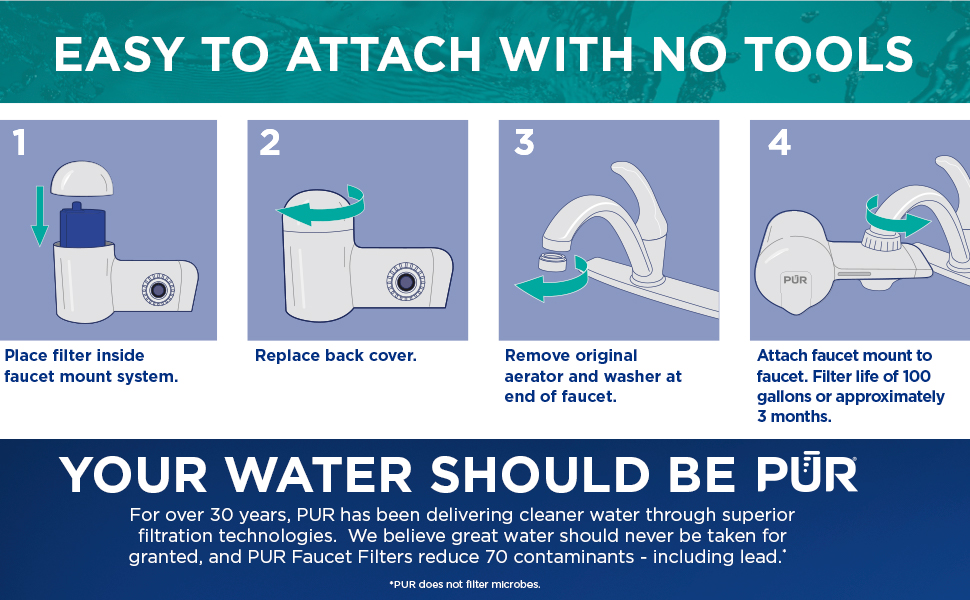
Faucet mount filters attach directly to your kitchen faucet. They filter water instantly when you turn on the tap. These filters reduce chlorine, lead, and some pesticides. They save counter space and give quick access to clean water.
Under-sink Filters
Under-sink filters install under your kitchen sink. They connect to your cold water line. These filters remove more contaminants, including lead, chlorine, and some bacteria. They provide filtered water from a dedicated faucet. Best for families needing large amounts of clean water.
Maintaining Your Pur Filter
Keeping your PUR water filter in good shape is important for clean and safe water. Regular care helps the filter work well and last longer. This section explains how to maintain your PUR filter with simple steps. Follow these tips to enjoy fresh water every day.
When To Replace Filters
Replace your PUR filter every 2 to 3 months. The exact time depends on your water use and quality. A worn-out filter lets impurities pass through. Check for changes in water taste or flow. These signs mean it is time to change the filter. Using a fresh filter keeps water clean and healthy.
Cleaning Tips
Clean the filter housing regularly to avoid dirt buildup. Use warm water and mild soap for cleaning. Do not use strong chemicals or abrasive tools. Rinse all parts well before reassembling. Avoid soaking the filter cartridge in water. Keep the filter dry when not in use to prevent mold growth.

Frequently Asked Questions
What Contaminants Does A Pur Water Filter Remove?
A PUR water filter removes chlorine, lead, mercury, pesticides, and certain bacteria. It improves taste and odor while reducing harmful substances for safer drinking water.
How Effective Is Pur In Removing Lead From Water?
PUR filters use activated carbon and ion exchange to reduce lead by up to 99%. This makes tap water much safer, especially in older homes with lead plumbing.
Does Pur Filter Remove Bacteria And Viruses?
PUR filters primarily target chemicals and heavy metals. They reduce some bacteria but do not eliminate all viruses. For virus removal, additional treatment is recommended.
How Often Should You Replace A Pur Water Filter?
Replace PUR filters every 2-3 months or after filtering 100 gallons. Timely replacement ensures optimal contaminant removal and maintains water quality and taste.
Conclusion
A PUR water filter removes many common water impurities. It cuts chlorine taste and odor effectively. It also reduces lead, mercury, and other metals. Dirt, rust, and some bacteria get filtered out too. Clean water helps your health and taste better.
Using a PUR filter is an easy way to improve water quality at home. Trusting your water feels good. Clear, fresh water is just a filter away.

Hasan Al Sarker is a Reverse Osmosis Specialist. He has worked for many years to ensure safe drinking water for all. His research paper has been published in several journals, including Issue, Medium, and Slideshare. He is recognized as a water doctor among specialists though he did not attend medical college.
Besides working as a researcher of reverse osmosis technology, he is also very fancy with the kitchen and cooking. His guides are reading thousands of people every day. As a head of content, he is responsible for all the published articles at RO System Reviews.