

Are you concerned about the fluoride levels in your tap water? You’re not alone.
Many people want to know how to remove fluoride to ensure their water is as clean and safe as possible. But with so many filters on the market, which one truly works? You’ll discover exactly what filter removes fluoride from water effectively.
By the end, you’ll have the clear answers you need to make the best choice for your health and your family’s well-being. Keep reading to find out how to protect your water—and yourself.
Fluoride In Drinking Water
Fluoride is a common element found in many water supplies. It helps prevent tooth decay but can cause problems if too much is consumed. Understanding where fluoride comes from and how it affects health is important for safe drinking water.
Many people want to know how to remove excess fluoride from their water. Knowing the sources and health impacts of fluoride helps make better choices about water filters.
Sources Of Fluoride
Fluoride enters water naturally through soil and rocks. Some water sources have higher fluoride levels than others. In many areas, fluoride is added to public water to protect teeth. Industrial pollution can also increase fluoride in water.
Health Impacts Of Fluoride
Small amounts of fluoride can strengthen teeth and reduce cavities. Too much fluoride can cause dental fluorosis, which changes the appearance of teeth. High fluoride levels may lead to bone problems and other health issues. Children are more sensitive to fluoride’s effects than adults.
Common Filtration Methods
Removing fluoride from water requires special filters. Some common methods work better than others. These methods use different technologies to clean the water effectively. Understanding each type helps to choose the right filter.
Activated Carbon Filters
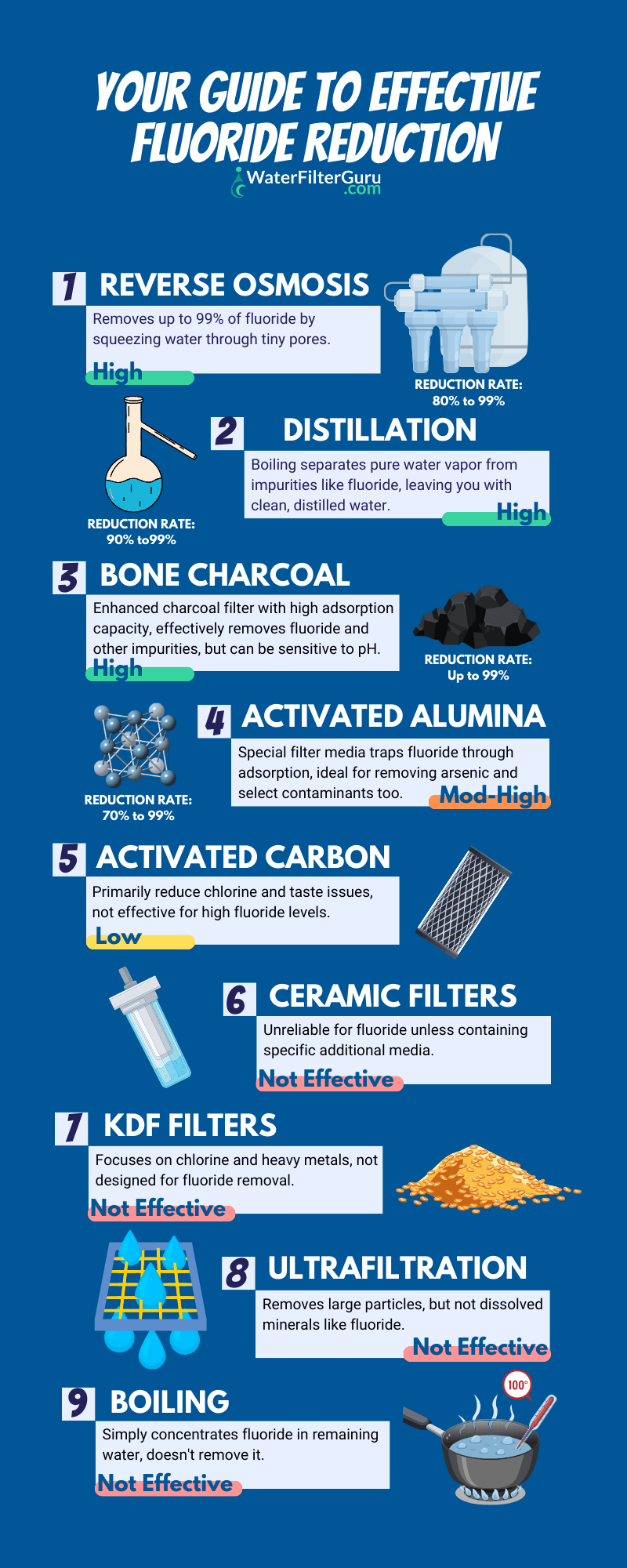
Activated carbon filters trap many chemicals. They work well for chlorine and odors. But they remove only small amounts of fluoride. These filters use porous carbon to catch impurities. They improve water taste but are less effective for fluoride.
Reverse Osmosis Systems
Reverse osmosis systems force water through a thin membrane. This membrane blocks many contaminants, including fluoride. These systems remove up to 95% of fluoride. They also filter out heavy metals and other pollutants. Reverse osmosis is one of the best options for fluoride removal.
Distillation Units
Distillation units boil water and collect steam. The steam leaves impurities behind, including fluoride. This process removes almost all fluoride from water. It also kills bacteria and viruses. Distillation units provide very pure water but use more energy.
Specialized Fluoride Filters
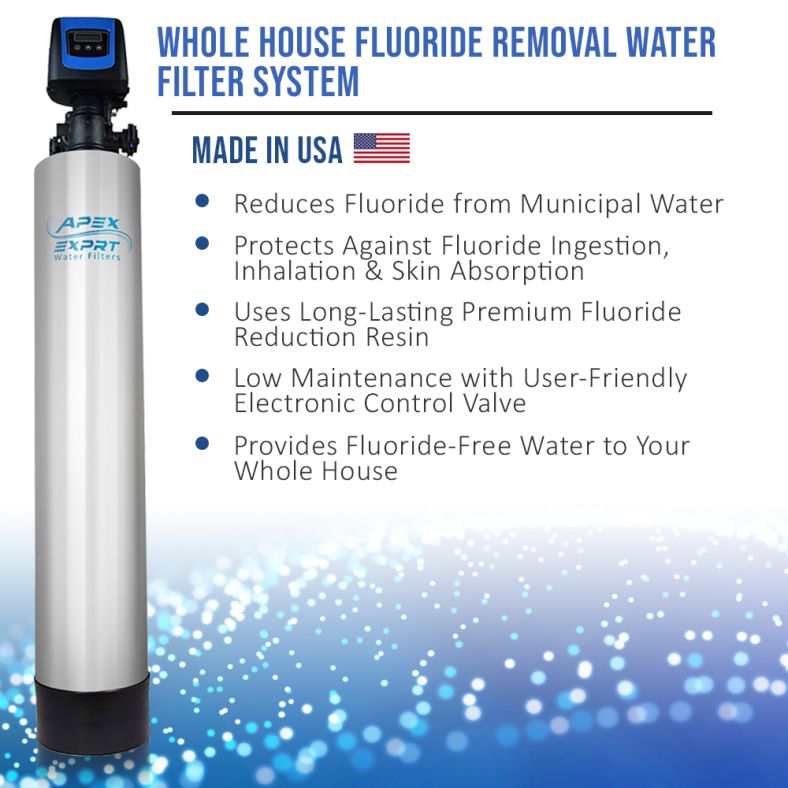
Specialized fluoride filters are designed to remove fluoride from water effectively. These filters use different materials and methods to reduce fluoride levels. They are ideal for people who want safer drinking water.
Each type of filter has unique features and benefits. Understanding these can help choose the right one for your needs.
Bone Char Carbon Filters
Bone char carbon filters use charred animal bones. The bones contain carbon and calcium phosphate. This material attracts and traps fluoride ions in water. Bone char filters remove up to 90% of fluoride. They also improve water taste and clarity. These filters work well in home water systems.
Alumina-based Filters
Alumina-based filters use activated alumina, a porous material. The alumina adsorbs fluoride from the water. These filters can remove fluoride efficiently. They work best with neutral to slightly acidic water. Regular filter replacement keeps performance high. Activated alumina filters are common in water purification systems.
Deionization Filters
Deionization filters remove ions from water using resin beads. These beads exchange fluoride ions with other harmless ions. Deionization offers thorough fluoride removal. It also softens water by removing minerals. These filters need regular regeneration for best results. Deionization is useful in labs and homes with high fluoride levels.
Comparing Filter Effectiveness
Choosing the right filter to remove fluoride from water needs careful thought. Different filters vary in how well they remove fluoride, their cost, and how they affect water taste. Comparing these factors helps find the best filter for clean, safe water.
Fluoride Removal Efficiency
Some filters remove fluoride better than others. Activated alumina filters are very good. They can remove up to 90% of fluoride. Reverse osmosis systems also work well, often removing more than 95%. Bone char filters are effective but less common. Carbon filters usually do not remove much fluoride. Check the product details for exact removal rates.
Cost And Maintenance
Filters differ in price and upkeep. Activated alumina filters are affordable but need regular replacement. Reverse osmosis systems cost more upfront and use more water. They need filter changes every 6 to 12 months. Bone char filters have moderate cost but may require special care. Think about your budget and how much time you want to spend on maintenance.
Water Taste And Quality
Some filters change water taste more than others. Reverse osmosis systems can make water taste pure and clean. Activated alumina may leave slight taste changes. Bone char filters can soften water taste. Carbon filters improve taste but do not remove fluoride well. Choose a filter that keeps your water tasty and fresh.
Choosing The Right Filter
Choosing the right filter to remove fluoride from water is important. It ensures safe drinking water for you and your family. Not all filters work the same way or remove fluoride effectively. Some types are better suited for different water qualities and household needs.
Before selecting a filter, consider testing your water and understanding filter certifications. Proper installation and use also affect how well the filter works. These steps help you pick the best filter for your home.
Testing Fluoride Levels
Test your water to know the fluoride amount. Many local labs offer water testing services. You can also buy home test kits online. Knowing fluoride levels helps choose a filter with the right capacity. Filters vary in how much fluoride they can remove.
Filter Certification Standards
Check if the filter has certification for fluoride removal. Look for NSF/ANSI Standard 58 or 53. These standards confirm the filter removes harmful substances. Certified filters provide proof of effectiveness and safety. Avoid filters without proper testing or certification.
Installation And Usage Tips
Install the filter according to the manufacturer’s instructions. Poor installation can reduce filter performance. Change filter cartridges regularly to maintain fluoride removal. Use clean water containers to avoid contamination. Keep the filter area clean and dry for best results.

Frequently Asked Questions
What Filter Effectively Removes Fluoride From Water?
Activated alumina filters are highly effective at removing fluoride. They adsorb fluoride ions, reducing fluoride levels to safe limits. These filters are affordable, easy to maintain, and widely used in homes and industries for fluoride removal.
Can Reverse Osmosis Remove Fluoride From Water?
Yes, reverse osmosis (RO) systems can remove fluoride effectively. RO uses a semi-permeable membrane that filters out fluoride ions and other contaminants. It’s a popular and reliable method for improving water quality and reducing fluoride content.
How Does Activated Alumina Filter Work For Fluoride?
Activated alumina filters work by adsorbing fluoride ions onto their porous surface. This process traps fluoride, lowering its concentration in water. They require regular regeneration to maintain effectiveness and are suitable for both residential and commercial water treatment.
Are There Any Other Filters That Remove Fluoride?
Besides activated alumina and RO, bone char filters can remove fluoride. Bone char uses carbonized animal bones to adsorb fluoride ions. However, it’s less common and may not be suitable for all users due to ethical concerns.
Conclusion
Removing fluoride from water is possible with the right filter. Activated alumina and reverse osmosis filters work well. They reduce fluoride levels effectively and improve water taste. Choosing a filter depends on your budget and needs. Test your water to know fluoride content first.
Clean, safe water matters for health every day. Simple steps make a big difference at home. Stay informed and pick the best filter for your family. Clean water brings peace of mind.

Hasan Al Sarker is a Reverse Osmosis Specialist. He has worked for many years to ensure safe drinking water for all. His research paper has been published in several journals, including Issue, Medium, and Slideshare. He is recognized as a water doctor among specialists though he did not attend medical college.
Besides working as a researcher of reverse osmosis technology, he is also very fancy with the kitchen and cooking. His guides are reading thousands of people every day. As a head of content, he is responsible for all the published articles at RO System Reviews.