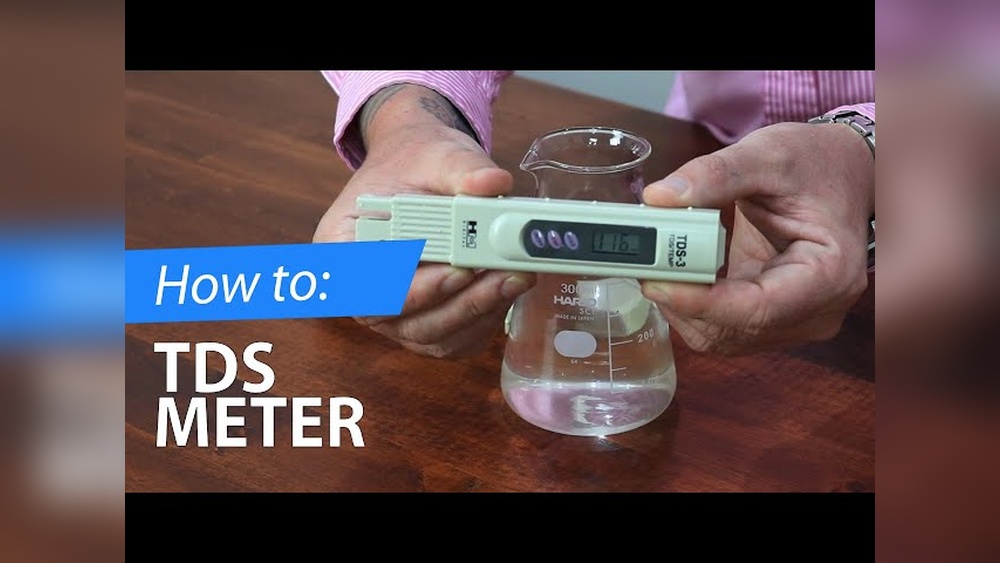
Have you ever wondered what’s really in the water you drink every day? A TDS meter is a simple device that can give you the answer in seconds.
But what exactly is a TDS meter used for, and why should you care about the numbers it shows? Whether you want cleaner water for your home, better quality for your plants, or to ensure your aquarium is safe for your fish, understanding how a TDS meter works can make a big difference.
Keep reading, and you’ll discover how this small tool can help you take control of your water quality and protect your health.

Credit: www.freepik.com
Tds Meter Basics
A TDS meter is a simple device used to measure the quality of water. It checks how many particles are dissolved in water. These particles can affect taste, safety, and use of water in homes or industries. Understanding TDS meter basics helps you know why water purity matters.
What Tds Means
TDS stands for Total Dissolved Solids. It means all tiny particles dissolved in water. These include minerals, salts, and metals. TDS shows how pure or dirty water is. Low TDS means cleaner water. High TDS means more particles and possible contamination.
How Tds Meters Work
TDS meters work by measuring water’s electrical conductivity. Dissolved solids conduct electricity in water. The meter sends a small electric current through the water. It then calculates how much current passes through. The result shows the TDS level in parts per million (ppm). Higher ppm means more dissolved solids in water.
Importance Of Measuring Tds
Measuring Total Dissolved Solids (TDS) in water is very important. It shows how clean or pure water really is. TDS meters help identify the amount of minerals, salts, and other particles in water. Knowing this helps in many ways, from health to daily use.
Water Purity And Safety
TDS levels tell us about water purity. Low TDS usually means clean water. High TDS can indicate pollution or harmful substances. Safe water has balanced TDS, free from too many chemicals. This ensures water is good for drinking and cooking.
Impact On Health
Water with very high or low TDS can harm health. High TDS may contain metals or chemicals that cause illness. Low TDS water might lack important minerals needed by the body. Checking TDS helps keep water healthy and safe for daily use.
Effect On Appliances
High TDS water can damage home appliances. It causes scale buildup in kettles, washing machines, and water heaters. This reduces appliance life and raises repair costs. Measuring TDS helps protect appliances and saves money over time.
Common Uses Of Tds Meters
TDS meters measure the total dissolved solids in water. These solids include minerals, salts, and metals. People use TDS meters in many areas to check water quality. The device helps ensure water is safe and healthy for different uses.
Testing Drinking Water
TDS meters check the purity of drinking water. High TDS levels may indicate contamination. Clean water usually has low TDS readings. This tool helps users decide if water needs filtering. It is handy for home and outdoor use.
Aquarium Maintenance
Aquariums need clean water for fish health. TDS meters help monitor water quality. They detect changes in mineral levels. Proper TDS levels keep fish safe and happy. Regular testing prevents harmful water conditions.
Hydroponics And Gardening
Plants in hydroponics rely on water nutrients. TDS meters measure nutrient concentration in solutions. Correct TDS ensures plants get enough nutrients. It supports healthy plant growth and yield. Gardeners adjust feeding based on TDS results.
Pool And Spa Monitoring
Pools and spas require balanced water chemistry. TDS meters track dissolved solids that affect water clarity. High TDS can cause skin irritation and equipment damage. Regular checks keep water clean and safe. This tool helps maintain a pleasant swimming environment.

Credit: www.youtube.com
Interpreting Tds Readings
Interpreting TDS readings is key to understanding water quality. TDS stands for Total Dissolved Solids. It measures the combined content of all inorganic and organic substances in water. These substances include minerals, salts, and metals. The TDS meter gives a number, usually in parts per million (ppm). This number helps decide if water is safe and clean.
Low Levels
Low TDS levels usually mean very pure water. Numbers below 50 ppm suggest minimal dissolved solids. This water tastes fresh and clean. It is often used for drinking and cooking. Low TDS water may lack minerals some people need. It is common in filtered or distilled water.
Medium Levels
Medium TDS levels range from 50 to 300 ppm. This range is typical for tap water in many areas. The water contains some minerals that improve taste. It is safe for daily use and drinking. Medium levels often show balanced mineral content. These minerals can be good for health.
High Levels
High TDS levels exceed 300 ppm. Water with high TDS may taste salty or bitter. It might contain harmful substances or pollutants. High TDS water is not ideal for drinking. It can cause health issues or damage appliances. Testing water regularly helps catch high TDS early.
What Different Levels Indicate
Low TDS indicates pure water with fewer minerals. Medium TDS shows balanced water with natural minerals. High TDS signals possible contamination or hard water. Each level guides water treatment needs. Knowing these helps maintain safe, good-tasting water.
Limitations Of Tds Meters
TDS meters measure the total dissolved solids in water. They give a quick idea of water quality. Still, these devices have limits. Understanding these limits helps avoid wrong conclusions. TDS meters do not show the full picture of water safety.
What Tds Meters Can’t Detect
TDS meters cannot identify specific harmful substances. They do not detect bacteria, viruses, or chemical pollutants. Toxic metals like lead or mercury remain unseen. Organic contaminants and pesticides also go undetected. The meter only measures the total amount of dissolved particles. It cannot tell if those particles are safe or harmful.
Complementary Water Tests
Other tests are needed for complete water safety checks. Microbiological tests find bacteria and viruses. Chemical tests detect harmful metals and chemicals. pH testing shows water acidity or alkalinity. Using these tests together gives a clearer water quality view. Relying only on a TDS meter can miss serious risks.
Choosing And Using A Tds Meter
Choosing and using a TDS meter is simple but requires attention. This tool measures the total dissolved solids in water. It helps check water purity and safety quickly. Knowing how to pick and use the right TDS meter ensures reliable results.
Features To Consider
Look for a clear digital display. It makes reading results easy. Choose a meter with automatic temperature compensation. This feature adjusts readings for water temperature changes. Select a device with a wide measurement range. It covers different water types well. Check the battery life and ease of calibration too. A compact and waterproof design adds convenience.
Tips For Accurate Measurement
Rinse the meter probe with clean water before testing. This removes any dirt or residue. Dip the probe fully in the water sample. Wait for the reading to stabilize before noting it. Avoid touching the probe with fingers during measurement. Calibrate the meter regularly according to the manual. Test multiple samples to confirm consistency.

Credit: www.netsolwater.com
Frequently Asked Questions
What Does A Tds Meter Measure In Water?
A TDS meter measures Total Dissolved Solids in water. It indicates the concentration of minerals, salts, and impurities present. This helps assess water quality for drinking, aquariums, and industrial uses. Lower TDS usually means purer water.
How Is A Tds Meter Used For Water Quality Testing?
To use a TDS meter, dip its probe into a water sample. Wait for the reading on the screen. The displayed number shows the dissolved solids level, helping determine water purity and safety quickly and easily.
Why Is Monitoring Tds Important For Drinking Water?
Monitoring TDS ensures water safety and taste. High TDS levels can indicate contamination or hardness, affecting health and appliances. Regular TDS checks help maintain clean, safe, and pleasant drinking water standards.
Can Tds Meters Detect Harmful Contaminants?
TDS meters do not identify specific contaminants. They measure overall dissolved solids, which can indicate pollution. For detailed contaminant analysis, specialized water testing is required beyond TDS readings.
Conclusion
A TDS meter helps check water quality quickly and easily. It measures total dissolved solids in water. This tool is useful for homes, schools, and workplaces. Clean water keeps people healthy and safe. Knowing TDS levels helps decide if water needs treatment.
Using a TDS meter is simple and cost-effective. It ensures water meets basic safety standards. Everyone should consider testing their water regularly. Clear, safe water starts with knowing what’s inside. Simple but important.

Hasan Al Sarker is a Reverse Osmosis Specialist. He has worked for many years to ensure safe drinking water for all. His research paper has been published in several journals, including Issue, Medium, and Slideshare. He is recognized as a water doctor among specialists though he did not attend medical college.
Besides working as a researcher of reverse osmosis technology, he is also very fancy with the kitchen and cooking. His guides are reading thousands of people every day. As a head of content, he is responsible for all the published articles at RO System Reviews.