Have you ever wondered what’s really in your drinking water? A TDS meter can give you the answer quickly and easily.
Whether you’re concerned about water quality at home, for your plants, or even in your aquarium, this small device can be a game-changer. By understanding what a TDS meter is used for, you’ll gain control over the purity of your water and protect your health and belongings.
Keep reading to discover how this simple tool can make a big difference in your daily life.
Tds Meter Basics
A TDS meter is a simple device that checks water quality. It measures the amount of dissolved solids in water. These solids can be minerals, salts, or metals. Knowing the TDS level helps understand water purity. People use TDS meters in homes, labs, and industries. They help keep water safe and clean.
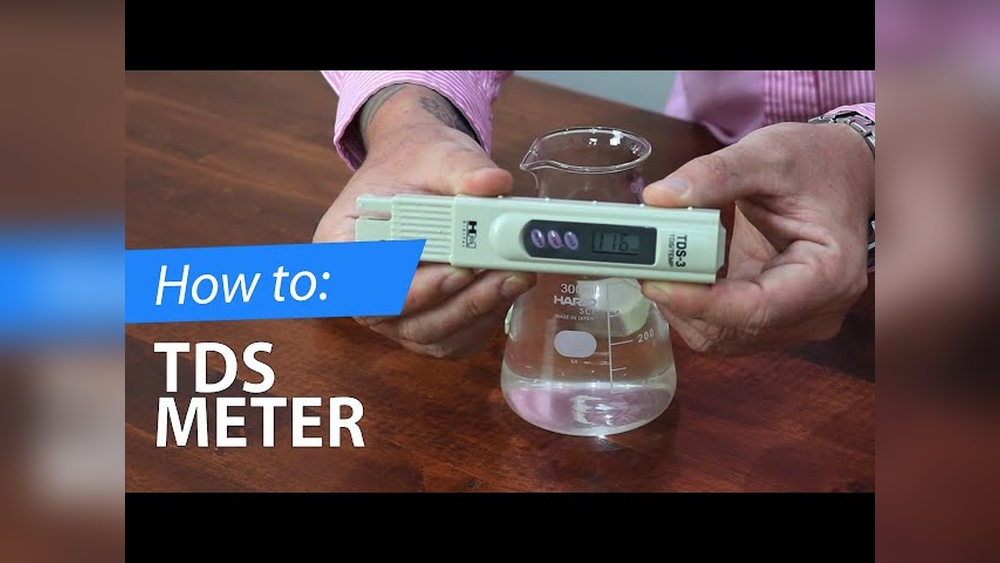
Using a TDS meter is quick and easy. Just dip the device into water and get a reading. The number shows how many particles dissolve in the water. This information guides decisions about water use and treatment.
What Tds Means
TDS stands for Total Dissolved Solids. It means all tiny particles dissolved in water. These particles come from natural sources or pollution. Common dissolved solids include calcium, magnesium, and sodium. High TDS levels may affect water taste and safety. Low TDS water often tastes flat or pure. Knowing TDS helps check water quality for drinking or irrigation.
How Tds Meters Work
TDS meters measure electrical conductivity in water. Water with more dissolved solids conducts electricity better. The device sends a small current through the water. It then measures how well electricity flows. The meter converts this to a TDS value in parts per million (ppm). This number shows how many solids are present. It gives a fast, clear picture of water quality.

Credit: www.netsolwater.com
Importance Of Measuring Tds
Measuring Total Dissolved Solids (TDS) is important for many reasons. TDS shows how much solid material is in water. This helps people know if water is safe and healthy for use. Checking TDS helps avoid problems in daily life and work. It plays a key role in drinking water, aquariums, and farming.
Impact On Drinking Water
High TDS in drinking water can taste bad or smell strange. It can also cause health issues over time. Measuring TDS helps keep water clean and safe. Water with low TDS is usually better for drinking. People can trust their water by testing TDS regularly.
Effect On Aquariums
Fish and plants in aquariums need clean water. Too much TDS can harm fish and plants. Measuring TDS ensures a healthy environment for aquatic life. It helps keep fish active and plants growing well. Regular checks prevent problems in aquariums.
Role In Agriculture
Water quality affects how plants grow in farms. High TDS water can damage crops or reduce growth. Farmers measure TDS to protect their plants. Good water quality means better soil and healthier crops. Monitoring TDS helps farmers plan irrigation wisely.
Using A Tds Meter
Using a TDS meter is simple and helps check water quality fast. This small tool measures the total dissolved solids in water. Knowing the TDS level helps decide if water is safe for drinking, plants, or appliances. Anyone can use a TDS meter with basic steps and get clear results.
Steps To Measure Tds
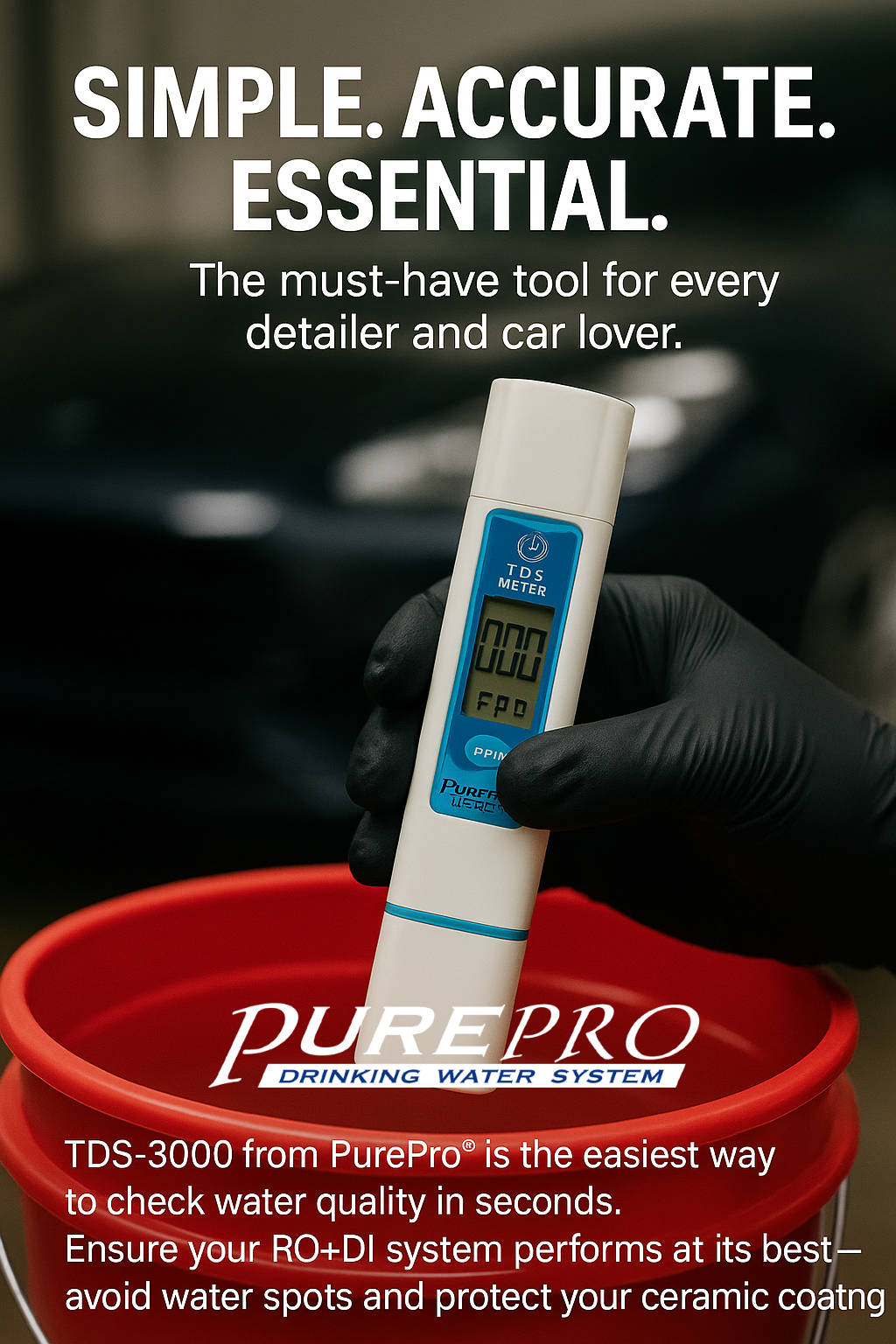
First, turn on the TDS meter. Make sure the device is clean and dry. Next, dip the meter’s probe into the water sample. Wait a few seconds for the reading to stabilize. Read the number shown on the screen. This number shows the amount of dissolved solids in parts per million (ppm). After testing, rinse the probe with clean water and turn off the meter.
Interpreting The Results
Low TDS levels usually mean pure water. Levels below 300 ppm are good for drinking. TDS between 300 and 600 ppm is acceptable but not ideal. Above 600 ppm, the water might have too many minerals or pollutants. For plants, moderate TDS is fine. High TDS may harm sensitive crops. Check the results against local water standards to decide next steps.
Credit: www.pure-pro.com
Tds Levels And Water Quality
TDS levels play a key role in measuring water quality. TDS stands for Total Dissolved Solids. It shows how many minerals, salts, and metals are in the water. These solids affect taste, safety, and water use. A TDS meter helps check these levels fast and easy. Understanding TDS helps you know if water is good for drinking or other uses.
Safe Tds Ranges
Safe TDS levels usually range from 50 to 300 parts per million (ppm). Water in this range tastes good and is safe to drink. It has the right amount of minerals for health. Water below 50 ppm may taste flat. Above 300 ppm, water might have too many dissolved solids. Staying within this range helps ensure clean and healthy water.
High Tds Concerns
High TDS means too many solids in water. This can cause bad taste or smell. It might also harm pipes and appliances. Some solids, like lead or arsenic, can be dangerous. High TDS water may cause health problems if used long term. Testing water regularly helps spot high TDS early.
Low Tds Implications
Low TDS water has very few minerals. It may taste bland or flat. Lack of minerals can affect health if it is the only water source. Low TDS water can be corrosive to pipes. Sometimes, low TDS water means it is over-purified. This water might lack essential nutrients for the body.
Choosing The Right Tds Meter
Choosing the right TDS meter is important for accurate water quality testing. A good meter helps you measure total dissolved solids in water easily. It ensures you get reliable results every time. Different meters offer different features and levels of accuracy. Picking one that suits your needs saves time and effort.
Features To Consider
Look for a TDS meter with a clear digital display. It makes reading results simple and quick. Check the measuring range to cover the water types you test. Some meters also measure temperature, which adds value. A compact, waterproof design offers convenience and durability. Consider meters with automatic calibration to keep accuracy high. Battery life matters, especially for frequent use. Choose a meter with easy-to-replace batteries.
Maintenance Tips
Keep the TDS meter clean after every use. Rinse the probe with distilled water to avoid damage. Store the meter in a dry place to prevent corrosion. Replace batteries before they run out to avoid errors. Calibrate your meter regularly according to the manual. Avoid dropping or exposing it to extreme temperatures. Proper care extends the life of your TDS meter.

Credit: www.freepik.com
Common Myths About Tds Meters
TDS meters are simple tools used to measure water quality. Despite their usefulness, many false ideas about them exist. These myths can confuse people about what TDS meters really do. Clearing up these myths helps you understand water better.
What Tds Meters Actually Measure
TDS meters measure the total dissolved solids in water. These solids include minerals, salts, and metals. The meter does not identify the type of solids, only their amount. Some think it shows harmful substances, but it does not.
Tds Value And Water Safety
Many believe low TDS means safe water. This is not always true. Water can have low TDS but still contain harmful bacteria or chemicals. TDS meters do not test for these dangers. They only give a number related to dissolved solids.
Using Tds Meters For All Water Types
Some assume TDS meters work the same for all water. Tap water, mineral water, and distilled water differ. Distilled water has very low TDS, while mineral water has higher levels. The meter helps compare water but does not judge quality alone.
Frequently Asked Questions
What Does A Tds Meter Measure In Water?
A TDS meter measures total dissolved solids in water. It detects minerals, salts, and metals affecting water quality. This helps assess water purity and suitability for drinking or industrial use.
Why Use A Tds Meter For Water Testing?
Using a TDS meter quickly checks water cleanliness. It indicates contamination levels without complex lab tests. This tool ensures safe drinking water and maintains appliance efficiency.
How Accurate Is A Tds Meter Reading?
TDS meters provide reliable approximate values of dissolved solids. They are accurate for general water quality checks but may vary slightly. For precise analysis, lab testing is recommended.
Can A Tds Meter Detect Harmful Substances?
A TDS meter detects total dissolved solids but not specific toxins. It indicates water purity but cannot identify all harmful chemicals. Additional tests are needed for detailed contaminant detection.
Conclusion
A TDS meter helps check water quality quickly and easily. It measures total dissolved solids in water. People use it to see if water is safe to drink. It also helps keep appliances clean by spotting hard water. Using a TDS meter saves time and money.
It is simple to use and gives fast results. Everyone who cares about water should try a TDS meter. Clean water matters. Stay informed and protect your health.

Hasan Al Sarker is a Reverse Osmosis Specialist. He has worked for many years to ensure safe drinking water for all. His research paper has been published in several journals, including Issue, Medium, and Slideshare. He is recognized as a water doctor among specialists though he did not attend medical college.
Besides working as a researcher of reverse osmosis technology, he is also very fancy with the kitchen and cooking. His guides are reading thousands of people every day. As a head of content, he is responsible for all the published articles at RO System Reviews.