
Have you ever wondered how water gets so clean and pure? Or how certain industries remove unwanted minerals and chemicals from liquids quickly and efficiently?
The secret often lies in a powerful material called ion exchange resin. If you’re curious about what ion exchange resin is and how it works, this article will give you clear answers. By the time you finish reading, you’ll understand why this tiny substance plays a huge role in water purification, chemical processing, and many other important applications.
Let’s dive into the basics and discover what ion exchange resin can do for you.
Basics Of Ion Exchange Resin
Ion exchange resins are important materials used in water treatment and chemical processes. They help remove unwanted ions from liquids. This section explains the basics of ion exchange resins. Understanding their composition, types, and how they work is key to grasping their role in many industries.
Composition And Structure
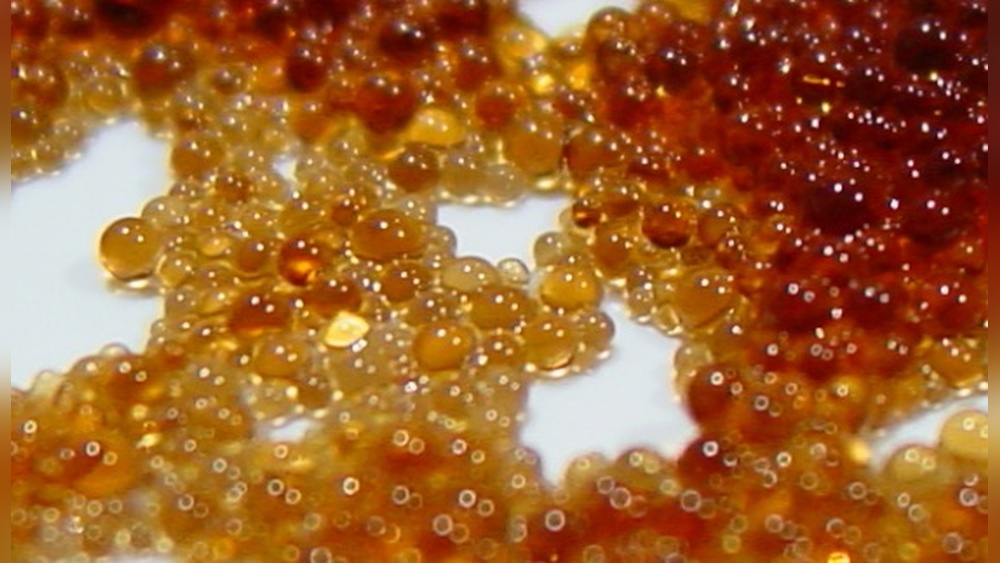
Ion exchange resins are small, solid beads. They are usually made from organic polymers. These polymers form a strong, porous structure. The beads contain charged sites that attract ions.
The resin’s structure allows liquids to flow through easily. This helps ions in the liquid to contact the charged sites. The beads can hold positive or negative ions depending on their type.
Types Of Ion Exchange Resins
There are two main types of ion exchange resins: cation and anion resins. Cation resins attract and hold positively charged ions. Anion resins attract negatively charged ions. Some resins can do both, called mixed bed resins.
Each type is used for different purposes. For example, cation resins remove calcium and magnesium from water. Anion resins remove chloride and sulfate ions. Choosing the right type depends on the process needs.
How Ion Exchange Works
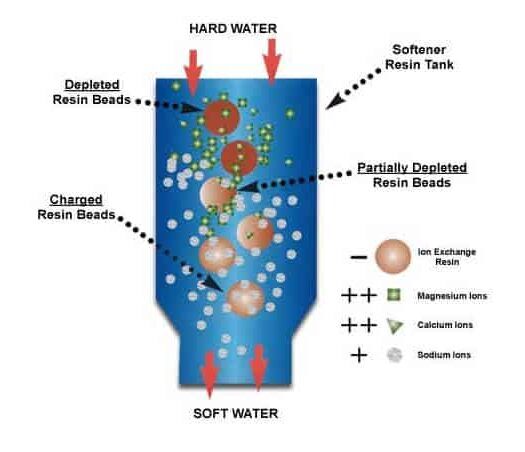
Ion exchange works by swapping ions between the resin and the liquid. The resin’s charged sites hold specific ions. When liquid passes through, unwanted ions swap places with ions on the resin.
This process cleans or softens the liquid. The resin releases ions it holds and captures new ones. Over time, the resin needs regeneration to restore its ion-holding ability.

Credit: eaiwater.com
Common Applications
Ion exchange resins serve many important purposes in different industries. Their ability to swap ions makes them useful in many processes. This section explains common uses of ion exchange resins across various fields.
Water Softening
Ion exchange resins remove calcium and magnesium ions from hard water. This process prevents scale buildup in pipes and appliances. Soft water improves soap efficiency and protects household systems. Many homes and industries rely on this method for water treatment.
Wastewater Treatment
These resins help clean wastewater by removing harmful metals and pollutants. They capture toxic ions, making water safer for the environment. Industries use ion exchange to meet regulations and reduce pollution. It is a cost-effective way to treat wastewater.
Pharmaceutical Industry
Ion exchange resins purify drugs and active ingredients. They remove impurities and unwanted ions during manufacturing. This ensures high-quality and safe medicines. The pharmaceutical field depends on these resins for consistent purity.
Food And Beverage Processing
Resins improve taste and safety in food and drinks. They remove metal ions and other contaminants. This process helps maintain product quality and shelf life. Many producers use ion exchange to meet health standards.
Chemical Purification
Chemicals need to be pure for effective reactions and products. Ion exchange resins separate and remove unwanted ions. This increases chemical quality and performance. The chemical industry uses these resins in many purification steps.
Advantages Of Ion Exchange Resin
Ion exchange resin offers many advantages in water treatment and chemical processes. It efficiently removes unwanted ions from solutions. This helps improve water quality and protect equipment. The resin’s unique properties allow it to work in various industries. It provides cost-effective and reliable solutions for ion removal. Below are some key benefits of ion exchange resin.
High Efficiency
Ion exchange resin quickly captures ions from liquids. Its large surface area increases contact with ions. This leads to faster and more complete purification. It works well even at low ion concentrations. Efficiency reduces the need for frequent replacements or cleaning.
Selective Ion Removal
Resins can target specific ions in a mixture. This selectivity helps remove harmful substances while keeping useful ones. Different resins suit different needs, such as softening water or removing heavy metals. Selective removal improves the overall process quality.
Regeneration And Reusability
The resin can be regenerated by washing with special solutions. This restores its ion exchange capacity. Users can reuse the resin many times, cutting costs. Regeneration reduces waste and keeps the system running longer.
Environmental Benefits
Using ion exchange resin reduces chemical waste. It helps lower pollution by cleaning water effectively. The reusable nature of resin cuts down on material waste. This makes ion exchange an eco-friendly choice in water treatment.
Credit: www.ionicsystems.com
Factors Affecting Performance
Ion exchange resins are widely used for water purification and other chemical processes. Their effectiveness depends on several important factors. Understanding these factors helps in choosing and using the right resin for specific needs.
Resin Capacity
Resin capacity is the amount of ions the resin can hold. Higher capacity means the resin can treat more water before it needs replacement. Capacity depends on the resin’s chemical structure and size. Choosing a resin with the right capacity increases efficiency and lowers costs.
Operating Conditions
Temperature, pH, and flow rate affect resin performance. High temperatures can damage the resin beads. Extreme pH levels can reduce ion exchange ability. Flow rate controls contact time between resin and water. Proper operating conditions keep the resin working well for longer.
Contaminant Concentration
The amount of contaminants in water impacts resin life. Higher contaminant levels use up resin capacity faster. Some contaminants may foul or clog the resin. Regular monitoring of contaminant levels helps maintain resin effectiveness.
Maintenance And Handling Tips
Proper maintenance and handling of ion exchange resin ensure its long life and efficiency. Taking care of the resin prevents damage and keeps it working well. This section covers key tips to maintain and handle ion exchange resin safely and effectively.
Cleaning Procedures
Clean the resin regularly to remove dirt and buildup. Use a mild acid or cleaning solution made for ion exchange resin. Rinse the resin thoroughly with clean water after cleaning. Avoid harsh chemicals that can damage the resin beads. Follow the manufacturer’s instructions for cleaning frequency and methods.
Storage Guidelines
Store the resin in a cool, dry place away from direct sunlight. Keep the resin in a sealed container to prevent contamination. Avoid freezing or overheating the resin during storage. If storing for a long time, keep the resin moist with a salt solution. Check the resin condition before use after storage.
Troubleshooting Common Issues
If resin shows poor performance, check for fouling or channeling. Clean the resin or regenerate it as needed. Look for broken or crushed resin beads and replace the resin if damaged. Monitor pressure drops in the system, which may indicate clogging. Regular inspection helps spot problems early and avoid system failure.

Credit: www.sciencedirect.com
Emerging Trends And Innovations
Ion exchange resins continue to evolve with new trends and innovations. These developments improve their efficiency and environmental impact. Companies and researchers focus on creating better materials and smarter systems. This section covers some key emerging trends in ion exchange resin technology.
Advanced Resin Materials
New resin materials offer higher capacity and faster ion exchange. Scientists design resins that resist fouling and last longer. These materials work well in harsh conditions. Some resins can target specific ions more precisely. This leads to improved water purification and chemical processing.
Sustainable Practices
Sustainability drives changes in resin production and use. Manufacturers reduce harmful chemicals during resin synthesis. Recycling and regenerating resins extend their life cycle. Research explores biodegradable and eco-friendly resin options. These efforts lower waste and energy use in water treatment.
Integration With Modern Technologies
Modern technologies enhance ion exchange resin systems. Automation controls resin regeneration and monitoring in real time. Sensors detect resin performance and water quality instantly. Combining resin with membranes or other filters improves results. Digital tools help manage large-scale water treatment plants efficiently.
Frequently Asked Questions
What Is Ion Exchange Resin Used For?
Ion exchange resin removes unwanted ions from liquids. It purifies water, softens hard water, and separates chemicals. Industries rely on it for water treatment and chemical processing. It improves product quality and protects equipment from scaling and corrosion.
How Does Ion Exchange Resin Work?
Ion exchange resin swaps ions in water with those on its surface. It attracts harmful ions and releases harmless ones. This process cleans and softens water effectively. The resin regenerates to maintain its ion exchange capacity.
What Types Of Ion Exchange Resins Exist?
There are two main types: cation and anion resins. Cation resins exchange positively charged ions, like calcium. Anion resins exchange negatively charged ions, like chloride. Both types work together in water purification systems.
How Long Does Ion Exchange Resin Last?
Ion exchange resin typically lasts 5 to 10 years. Its lifespan depends on usage, water quality, and maintenance. Proper regeneration and cleaning extend resin life. Regular checks ensure optimal performance and longevity.
Conclusion
Ion exchange resin plays a key role in water purification and softening. It removes unwanted ions and improves water quality. This material is used in many industries and homes. Understanding its function helps you appreciate its value. It works by swapping harmful ions for safer ones.
Simple, effective, and reliable. Ion exchange resin makes water cleaner and safer to use. A small bead with a big impact.

Hasan Al Sarker is a Reverse Osmosis Specialist. He has worked for many years to ensure safe drinking water for all. His research paper has been published in several journals, including Issue, Medium, and Slideshare. He is recognized as a water doctor among specialists though he did not attend medical college.
Besides working as a researcher of reverse osmosis technology, he is also very fancy with the kitchen and cooking. His guides are reading thousands of people every day. As a head of content, he is responsible for all the published articles at RO System Reviews.