
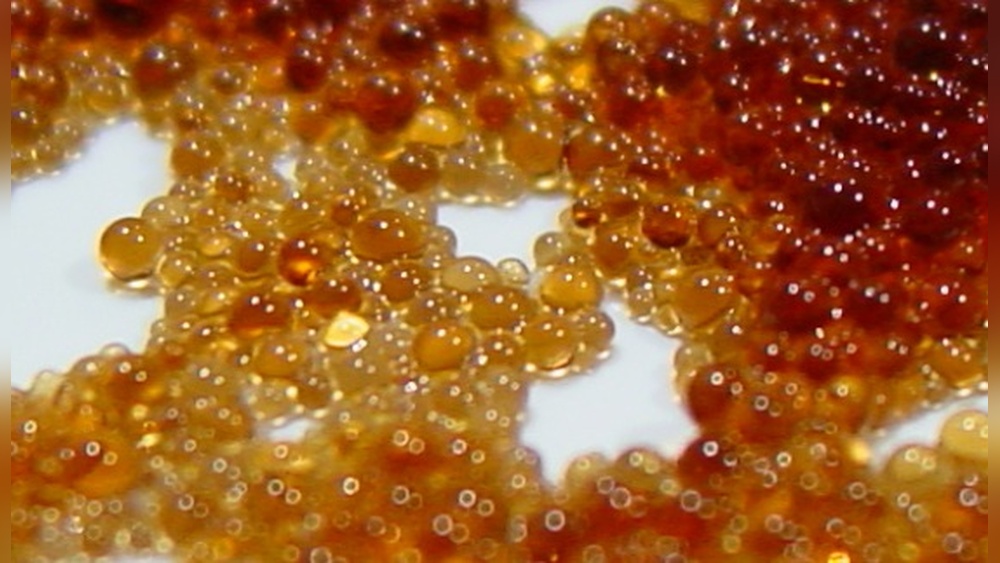
Have you ever wondered how clean water is made or how certain medicines are purified? The secret often lies in a powerful material called ion exchange resin.
This tiny substance plays a big role in making your water safer, your appliances last longer, and even in important industrial processes. If you want to discover how ion exchange resin could be working quietly behind the scenes in your life, keep reading.
You’ll learn what it is, how it works, and why it matters to you every day.

Credit: eaiwater.com
Basics Of Ion Exchange Resin
Ion exchange resin is a material used to remove unwanted ions from liquids. It is common in water treatment and chemical processes. These resins help clean and soften water by swapping harmful ions for safer ones. Understanding the basics of ion exchange resin is key to knowing its many uses.
These resins come in different types and work through a simple chemical process. The resin beads are usually tiny and packed into a filter system. As liquid passes through, the resin traps certain ions and releases others. This exchange improves water quality or helps in other industrial tasks.
Types Of Ion Exchange Resins
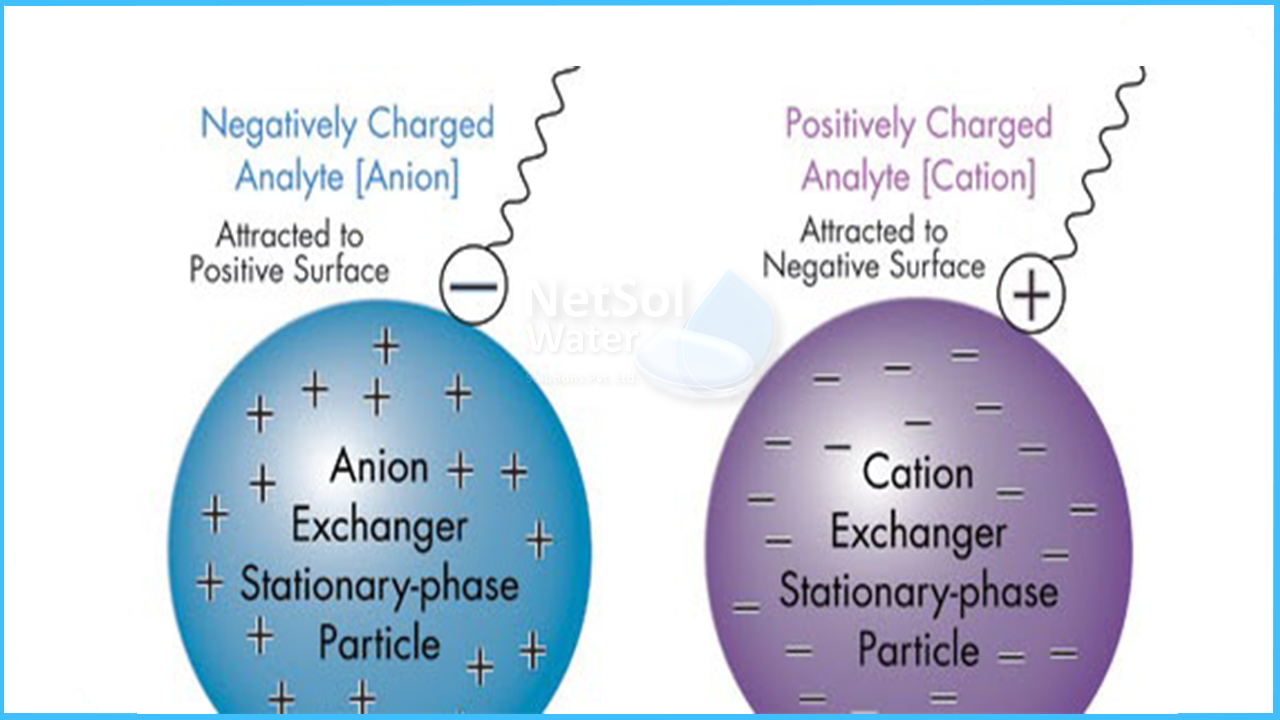
There are two main types of ion exchange resins: cation and anion resins. Cation resins remove positively charged ions like calcium and magnesium. Anion resins remove negatively charged ions such as chloride and sulfate. Some systems use both types together for better cleaning. Resins can also be strong or weak based on their chemical structure.
How Ion Exchange Works
The process relies on exchanging ions between the resin and the liquid. The resin beads hold charged groups that attract opposite ions. When water flows through, harmful ions attach to the resin. At the same time, safe ions are released into the water. This swap helps remove contaminants and improves water quality.
The resin can be reused after cleaning with a special solution. This restores its ability to exchange ions. This cycle makes ion exchange an efficient and cost-effective method for water treatment.
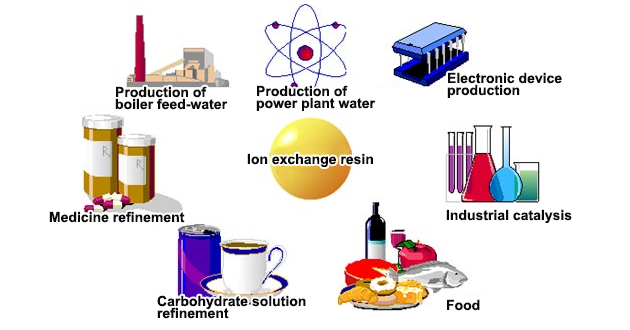
Credit: www.diaion.com
Water Treatment Applications
Ion exchange resins play a key role in treating water. They help improve water quality by removing unwanted elements. These resins work by swapping harmful ions with safer ones. Water treatment plants and homes use ion exchange resins for cleaner water. The following sections explain their main uses in water treatment.
Softening Hard Water
Hard water contains calcium and magnesium ions. These ions cause scale buildup in pipes and appliances. Ion exchange resins remove these ions by swapping them with sodium ions. This process makes water soft and safer for washing and cooking. Soft water also extends the life of water heaters and plumbing.
Removing Heavy Metals
Heavy metals like lead, copper, and mercury are harmful in water. Ion exchange resins capture these metals and remove them effectively. This treatment protects health and prevents metal poisoning. It is useful in industrial wastewater and drinking water purification. The resin traps metals while allowing clean water to pass.
Deionization And Demineralization
Deionization removes all charged particles from water. Demineralization eliminates minerals like salts and metals. Ion exchange resins exchange these ions with hydrogen and hydroxide ions. The result is pure water without minerals or salts. This water is important for laboratories, batteries, and medical uses.
Chemical Processing Uses
Ion exchange resins play a vital role in chemical processing. They help improve efficiency and product quality. These resins have unique properties that make them useful in many chemical tasks. Their ability to exchange ions allows them to support catalysts, separate substances, and recover acids and bases. Each use is important for different industrial processes.
Catalyst Support
Ion exchange resins act as a base for catalysts in chemical reactions. They provide a surface where reactions happen more easily. This support helps speed up reactions without mixing into the final product. Using resins as catalyst supports can reduce waste and energy use. They also make it simple to separate catalysts from products.
Separation And Purification
These resins separate chemicals based on their charge. They remove unwanted ions from mixtures, making products pure. This use is common in water treatment and chemical manufacturing. Ion exchange resins can target specific ions, improving separation accuracy. This leads to higher quality and safer products.
Acid And Base Recovery
Ion exchange resins recover acids and bases from waste streams. They capture and release these chemicals for reuse. This process lowers waste and saves raw materials. Recovering acids and bases also reduces environmental impact. Industries benefit by cutting costs and conserving resources.
Credit: www.netsolwater.com
Food And Beverage Industry
The food and beverage industry uses ion exchange resin in many ways. This material helps improve product quality and safety. It plays a key role in processing foods and drinks. Ion exchange resin works by removing unwanted ions and impurities. This makes products cleaner and healthier for consumers.
Sugar Refining
Ion exchange resin removes color and impurities from raw sugar. This process makes sugar pure and white. It also improves the taste and texture of sugar. Using resin helps reduce chemical use in refining. It creates a safer and more natural product.
Beverage Clarification
Resin clears beverages like fruit juices and wines. It removes haze, bitterness, and unwanted minerals. This makes drinks look clear and taste better. The process keeps natural flavors intact. It helps extend the shelf life of beverages.
Water Purification
Clean water is important in food and drink production. Ion exchange resin removes hardness, metals, and salts from water. This prevents scale and corrosion in machines. It also improves the taste and safety of water. Purified water leads to better final products.
Pharmaceutical And Medical Fields
Ion exchange resins play an important role in the pharmaceutical and medical fields. These materials help improve drug quality and support medical treatments. Their unique properties make them ideal for various applications where purity and safety matter most.
Drug Purification
Drug purification is essential to ensure medicines are safe and effective. Ion exchange resins remove impurities and unwanted ions from drug solutions. This process helps produce pure active ingredients. It also improves the stability and shelf life of medications. Many pharmaceutical companies use these resins to meet strict quality standards.
Dialysis Applications
Dialysis treatment relies on ion exchange resins to clean blood. These resins remove harmful waste and toxins from the bloodstream. They replace lost kidney function for patients with kidney failure. Ion exchange resins also help balance important minerals in the blood. This support reduces complications and improves patient health during dialysis.
Environmental And Energy Sectors
Ion exchange resins play a vital role in the environmental and energy sectors. They help manage pollutants and improve energy storage. These resins remove unwanted ions from liquids, making processes cleaner and safer.
They support efforts to reduce waste and protect natural resources. Their use spans several important applications that impact daily life and industry.
Wastewater Treatment
Ion exchange resins clean wastewater by removing harmful metals and chemicals. They capture toxins that damage ecosystems and human health. This process helps meet strict environmental regulations. Treated water can be reused or safely released into nature.
Nuclear Power Plant Uses
In nuclear plants, ion exchange resins purify water used in reactors. They remove radioactive ions to prevent contamination. This keeps the water safe for cooling and reduces waste volume. The resins help protect workers and the environment from radiation risks.
Battery Manufacturing
Battery makers use ion exchange resins to purify materials and improve battery life. These resins remove impurities in battery chemicals. Cleaner materials lead to better performance and longer-lasting batteries. This supports the growing demand for electric vehicles and renewable energy storage.
Maintenance And Regeneration
Ion exchange resins need regular care to work well. Maintenance and regeneration keep the resin strong. These processes remove trapped impurities and restore ion exchange capacity. Proper upkeep extends resin life and saves money over time.
Resin Lifespan
The lifespan of ion exchange resin varies by use. Proper maintenance can help the resin last several years. Resin that is not cleaned or regenerated loses effectiveness quickly. Hard water or high contaminant levels shorten the resin’s life. Regular checks identify when the resin needs attention.
Regeneration Techniques
Regeneration restores the resin’s ion exchange ability. It involves flushing the resin with special chemicals. Common agents include salt solutions and acid or base washes. These chemicals remove captured ions and prepare the resin for reuse. The process must follow exact steps to avoid damage.
Common Challenges
Clogging is a frequent problem in ion exchange systems. This happens when particles block resin pores or channels. Fouling reduces the resin’s capacity and slows processing. Another issue is resin bead degradation over time. Monitoring and timely regeneration reduce these problems significantly.
Frequently Asked Questions
What Is Ion Exchange Resin Used For In Water Treatment?
Ion exchange resin removes unwanted ions like calcium and magnesium from water. It softens hard water and improves water quality for household and industrial use.
How Does Ion Exchange Resin Work In Purification?
It swaps harmful ions in water with harmless ones. This process effectively removes contaminants like heavy metals and hardness-causing minerals.
Can Ion Exchange Resin Remove Heavy Metals?
Yes, ion exchange resins can capture heavy metals such as lead, copper, and mercury. They help make water safer for consumption and use.
Is Ion Exchange Resin Reusable Or Disposable?
Most ion exchange resins are reusable. They can be regenerated with specific chemicals to restore their ion exchange capacity multiple times.
Conclusion
Ion exchange resin plays a key role in water purification and softening. It removes unwanted minerals and improves water quality. Industries use it to treat wastewater and protect machines. People also rely on it for clean drinking water at home.
This material works by swapping ions to make water safer. Its uses are simple but very effective. Understanding ion exchange resin helps you see how water gets cleaner. It’s a small part of a big process that benefits daily life.

Hasan Al Sarker is a Reverse Osmosis Specialist. He has worked for many years to ensure safe drinking water for all. His research paper has been published in several journals, including Issue, Medium, and Slideshare. He is recognized as a water doctor among specialists though he did not attend medical college.
Besides working as a researcher of reverse osmosis technology, he is also very fancy with the kitchen and cooking. His guides are reading thousands of people every day. As a head of content, he is responsible for all the published articles at RO System Reviews.