
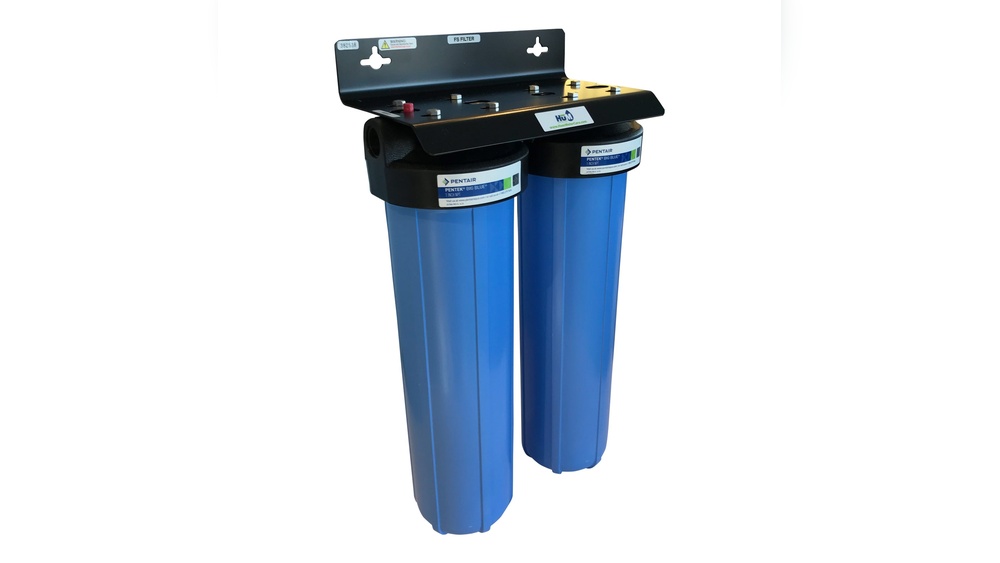
Are you worried about the quality of water flowing through every tap in your home? Choosing the best whole house water filter can feel overwhelming with so many options out there.
But imagine having clean, fresh water from every faucet—no more worrying about contaminants or unpleasant tastes. You’ll discover exactly what to look for in a whole house water filter and how to pick the one that fits your needs perfectly.
Keep reading to make sure your family gets the pure, safe water they deserve.
Benefits Of Whole House Water Filters
Whole house water filters improve water quality for every tap in your home. These systems remove dirt, chemicals, and bad tastes. They protect your plumbing and appliances from damage caused by hard water and sediments. A clean water supply benefits your health and daily life. Below are key benefits of using whole house water filters.
Improved Water Quality
Whole house filters remove chlorine, sediment, and other impurities. This means cleaner, clearer water for drinking and bathing. The water tastes better and smells fresher. It also prevents stains on sinks and bathtubs caused by minerals.
Health Advantages
Filtered water reduces exposure to harmful chemicals and bacteria. It supports skin health by removing irritants. Families with allergies or sensitive skin notice fewer problems. Clean water also lowers the risk of waterborne illnesses.
Cost Savings Over Time
Using a whole house filter protects pipes and appliances. This reduces repairs and replacements. Less soap and detergent are needed for cleaning. You save money on bottled water and energy bills. The system pays for itself over time.
Types Of Whole House Water Filters
Whole house water filters improve water quality for your entire home. They remove dirt, chemicals, and germs from the water supply. Different types of filters target different impurities. Choosing the right type depends on your water issues and needs.
Activated Carbon Filters
Activated carbon filters remove chlorine, bad taste, and odors. They trap chemicals and organic compounds effectively. These filters are common and affordable. They improve water smell and taste significantly.
Reverse Osmosis Systems
Reverse osmosis systems remove many contaminants, including heavy metals and salts. Water passes through a fine membrane, leaving impurities behind. These systems produce very clean water. They require more maintenance and cost more than other filters.
Ultraviolet Purifiers
Ultraviolet purifiers kill bacteria and viruses using UV light. They do not remove chemicals or sediments. These purifiers are great for homes with well water or biological contamination. They work quickly and without adding anything to the water.
Sediment Filters
Sediment filters remove sand, dirt, and rust particles. They protect other filters and appliances from damage. These filters come in different sizes and strengths. They are usually the first stage in a whole house system.
Key Features To Consider
Choosing the best whole house water filter needs careful thought. It is important to know what features matter most. This helps pick a filter that suits your home and water needs. Focus on key features that affect performance, cost, and ease of use.
Understanding these features makes the selection easier. It also ensures clean, safe water for every tap in the house.
Filter Capacity And Lifespan
Filter capacity shows how much water the system can clean before changing the filter. A bigger capacity means fewer replacements. Lifespan tells how long the filter lasts. Longer lifespan saves money and time. Check the capacity and lifespan to match your water use.
Flow Rate And Water Pressure
Flow rate is the speed water moves through the filter. High flow rate means fast water delivery. Water pressure affects flow and filter performance. The filter should keep good pressure for showers and taps. Choose a filter that fits your home’s water flow and pressure.
Installation And Maintenance
Simple installation saves time and cost. Some filters need a professional, others are DIY-friendly. Maintenance includes cleaning and changing filters. Easy maintenance means less hassle. Check what tools and skills you need for upkeep.
Certification And Standards
Certifications prove the filter meets safety and quality rules. Look for NSF or WQA marks. These show the filter removes harmful substances effectively. Certified filters ensure healthy water for your family. Always pick filters with recognized certifications.

Top Whole House Water Filters
Choosing the right whole house water filter can improve water quality throughout your home. Clean water protects pipes, appliances, and your family’s health. Different filters serve different needs, such as budget limits or specific water problems. Here are some top options to consider.
Best Overall Filter
This filter balances price, performance, and ease of use. It removes common contaminants like chlorine, sediment, and rust. Most homes benefit from its reliable filtration system. Installation is simple and it requires low maintenance.
Best Budget Option
This choice offers basic filtration at a low cost. It effectively reduces sediment and improves water taste. Ideal for renters or small homes on a budget. It has a compact design and easy filter changes.
Best For Hard Water
This filter targets minerals causing hard water issues. It helps prevent scale buildup in pipes and appliances. Water feels softer and cleaner after treatment. Regular use extends the life of your plumbing system.
Best For Well Water
This model handles common well water problems like iron, sulfur, and bacteria. It uses multiple filtration stages for thorough cleaning. It ensures safe water for drinking, cooking, and bathing. Built to last with durable materials.
Best High-capacity Model
This filter suits large households or homes with high water use. It holds more contaminants before needing replacement. Provides consistent water quality without frequent maintenance. Its strong filter media captures a wide range of pollutants.
Installation Tips
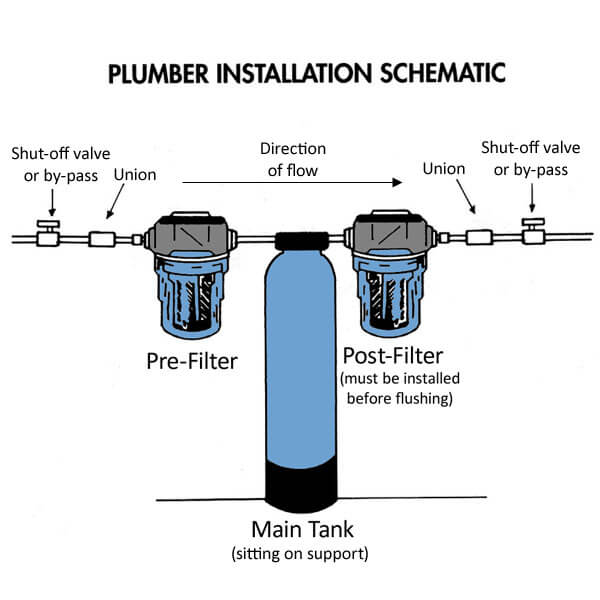
Installing a whole house water filter is a key step to improve water quality. Proper installation ensures the system works well and lasts long. Careful planning helps avoid problems and saves time.
Professional Vs Diy Installation
Professional installation guarantees correct setup and safety. Experts know plumbing and electrical codes. They avoid mistakes that cause leaks or damage.
DIY installation saves money but needs some skills. Follow the instructions carefully. Use the right tools and parts. Know your home’s plumbing system well before starting.
Location Considerations
Choose a dry, accessible spot for your filter. Near the main water line is best. Avoid places with extreme temperatures or direct sunlight. Leave space for future filter changes and maintenance.
Maintenance Schedule
Regular maintenance keeps the filter working well. Check the manual for how often to replace cartridges. Clean the system parts as recommended. Set reminders to avoid forgetting important tasks.
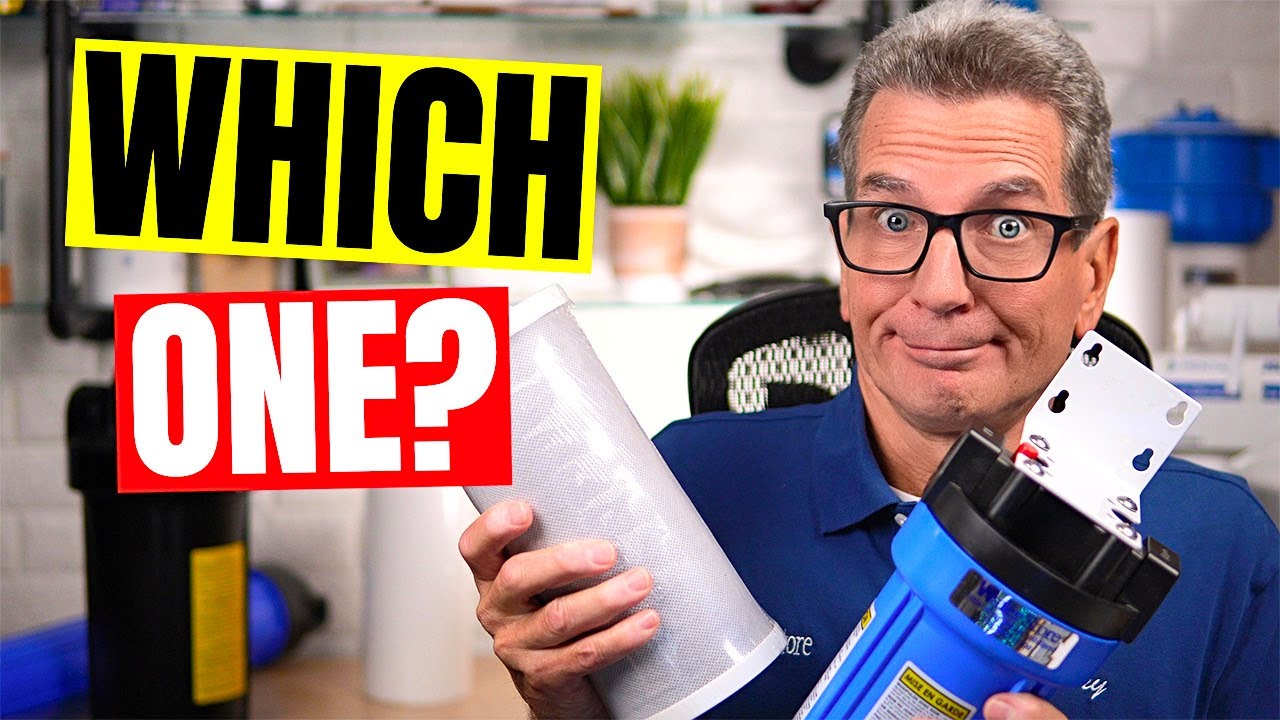
Common Problems And Solutions
Whole house water filters improve water quality for your entire home. Despite their benefits, some common problems can arise. Knowing these issues helps you fix them quickly. This section covers typical problems and easy solutions.
Low Water Pressure
Low water pressure often happens after installing a water filter. The filter may block water flow if clogged or too fine. Check the filter screen for dirt or debris. Clean or replace filters regularly to keep pressure steady. Choose filters with larger pores for better flow.
Filter Replacement Issues
Replacing filters can be tricky without instructions. Filters must fit properly to avoid leaks or poor filtration. Mark replacement dates on a calendar to avoid delays. Use genuine parts to ensure proper function. Always turn off water before changing filters to prevent mess.
Water Taste And Odor Problems
Bad taste or smell may not go away right after installation. Filters need time to work fully, sometimes a few days. If problems persist, check filter type matches water issues. Replace old filters that no longer remove contaminants. Clean the system to prevent mold or bacteria buildup.
Comparing Whole House Filters To Point-of-use Systems
Choosing the right water filter for your home depends on your needs and preferences. Whole house filters and point-of-use systems serve different purposes. Understanding their differences helps in making the best choice for clean water.
Coverage And Convenience
Whole house filters clean water at the main entry point. This means all taps and appliances get filtered water. No need to install multiple filters. Point-of-use systems filter water at one spot, like the kitchen sink. This limits filtered water to that location only. Whole house filters offer more convenience for the entire home.
Cost Differences
Whole house filters usually cost more upfront. Installation can be complex and may need a professional. Point-of-use systems are cheaper and easier to install. They target specific water needs, saving money on unnecessary filtering. Over time, whole house filters may save money by protecting pipes and appliances.
Effectiveness
Whole house filters remove sediments, chlorine, and some chemicals from all water sources. They improve water quality everywhere in the house. Point-of-use systems often provide more thorough filtration. They can remove specific contaminants like lead or bacteria. Choosing depends on which contaminants matter most for your water.
Frequently Asked Questions
What Is A Whole House Water Filter?
A whole house water filter cleans all water entering your home. It removes contaminants like sediment, chlorine, and chemicals. This improves water quality for drinking, cooking, and bathing.
How Do I Choose The Best Whole House Water Filter?
Choose based on water quality, filter type, and flow rate. Test your water to identify contaminants. Select filters that target those specific impurities for best results.
How Often Should I Replace Whole House Water Filters?
Filter replacement depends on usage and water quality. Typically, replace every 6 to 12 months. Regular replacement ensures optimal filtration and prevents clogging or reduced water flow.
Can Whole House Filters Remove Lead And Chlorine?
Yes, many whole house filters effectively remove lead and chlorine. Look for filters with activated carbon and specific media certified for these contaminants. This ensures safer, better-tasting water throughout your home.
Conclusion
Choosing the best whole house water filter depends on your needs. Think about water quality, budget, and maintenance. A good filter keeps water clean and safe for your family. It also protects pipes and appliances from damage. Take time to compare features and reviews.
Clear, fresh water is worth the effort. Start with a filter that fits your home and lifestyle. Clean water brings peace of mind every day.

Hasan Al Sarker is a Reverse Osmosis Specialist. He has worked for many years to ensure safe drinking water for all. His research paper has been published in several journals, including Issue, Medium, and Slideshare. He is recognized as a water doctor among specialists though he did not attend medical college.
Besides working as a researcher of reverse osmosis technology, he is also very fancy with the kitchen and cooking. His guides are reading thousands of people every day. As a head of content, he is responsible for all the published articles at RO System Reviews.