Are you worried about the quality of the water flowing through every tap in your home? You deserve clean, fresh water that’s safe for your family, no matter where you turn on the faucet.
Choosing the best whole house water filter system can feel overwhelming with so many options out there. But what if you could find the perfect solution that fits your needs and gives you peace of mind every time you use water?
Keep reading, because this guide will help you discover exactly what to look for and how to pick the ideal system for your home. Your journey to better water starts here.
Top Whole House Water Filters
Choosing the right whole house water filter is key for clean water in every tap. These systems remove dirt, chemicals, and bad tastes. They protect your pipes and improve water quality for drinking, cooking, and bathing. The best filters offer strong performance and easy maintenance.
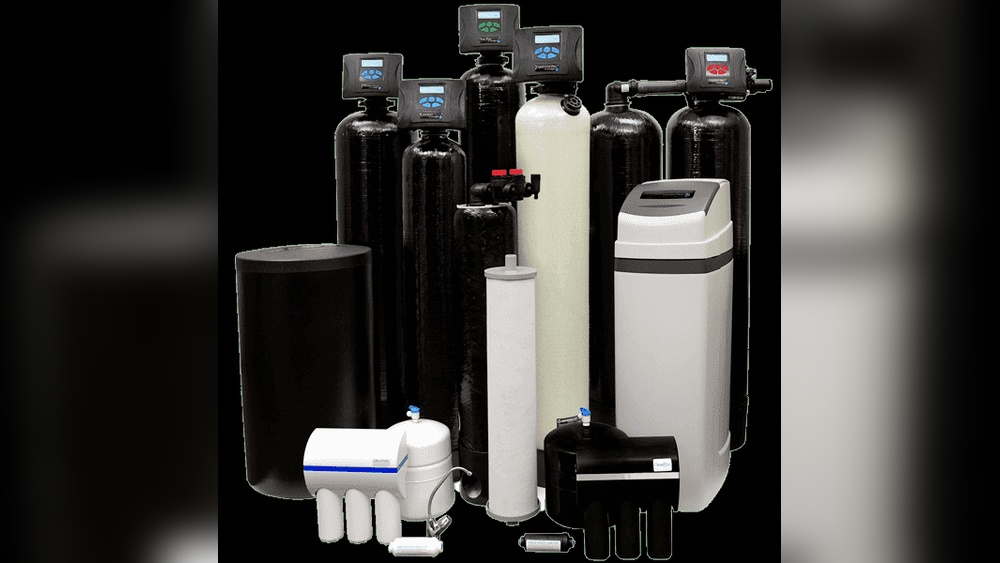
Below are some top whole house water filters that many homeowners trust. Each system has unique features suited for different needs. Read on to find one that fits your home and budget.
Springwell Whole House Water Filter
SpringWell offers a high-quality filter that removes sediment, chlorine, and other contaminants. It uses a multi-stage process for thorough cleaning. This system requires low maintenance and has a long filter life. It improves water taste and protects appliances.
Aquasana Rhino Eq-1000
The Aquasana Rhino EQ-1000 filters out chlorine, heavy metals, and harmful chemicals. Its large capacity suits bigger homes. The filter system includes a salt-free conditioner to reduce scale build-up. Installation is simple, and filters last up to 1,000,000 gallons.
Ispring Wgb32b 3-stage Whole House Water Filtration System
This iSpring model features three filtration stages to remove chlorine, lead, and iron. It helps clear sediment and other particles. The system is reliable and easy to install. It improves water clarity and smell for all household uses.
Express Water Whole House Water Filter
Express Water’s filter removes sediment, chlorine, and rust from water. It has a strong filtration capacity and a user-friendly design. Replacement filters are affordable and last several months. This system is good for moderate to heavy water use.
Pelican Water Whole House Filter System
Pelican Water uses natural filtration media to reduce chlorine and contaminants. The system protects plumbing and appliances from scale and build-up. It requires little upkeep and enhances water quality for drinking and bathing. Installation is straightforward with clear instructions.
Key Features To Compare
Choosing the best whole house water filter system requires comparing key features. These features affect water quality, system efficiency, and user experience. Knowing what to check helps make a smart choice. The main factors include filtration stages, flow rate, filter lifespan, and maintenance needs.
Filtration Stages
The number of filtration stages shows how well the system cleans water. More stages usually mean better removal of dirt, chemicals, and bacteria. Some systems use carbon filters, sediment filters, or UV light. Each stage targets different contaminants for safer water.
Flow Rate
Flow rate tells how much water the system can handle per minute. A higher flow rate means water moves faster through pipes. This is important for big homes with many water outlets. A good flow rate keeps water pressure steady and avoids slow taps.
Filter Lifespan
Filter lifespan shows how long a filter lasts before replacement. Longer lifespan means fewer filter changes and less hassle. Check the lifespan in gallons or months. Choose a system with filters that fit your water usage and budget.
Maintenance Needs
Maintenance needs affect how easy it is to keep the system working. Some filters require frequent cleaning or changes. Others need less attention. Pick a system with clear instructions and simple maintenance steps. This saves time and keeps water clean.
Types Of Whole House Filters
Choosing the right whole house water filter system depends on the type of filter it uses. Each filter type targets different impurities. Knowing these types helps pick the best system for your home. Here are the main types of whole house water filters.
Activated Carbon Filters
Activated carbon filters remove chlorine, bad tastes, and odors. They trap chemicals and organic compounds in water. These filters improve water smell and taste. They work well for city water with chemical treatments.
Reverse Osmosis Systems
Reverse osmosis systems push water through a thin membrane. This process removes many contaminants like lead, arsenic, and fluoride. It produces very clean water. These systems need more maintenance and water pressure to work well.
Uv Purification
UV purification uses ultraviolet light to kill bacteria and viruses. It does not remove chemicals or sediments. This method is good for water with biological contamination. It keeps water safe from germs without adding chemicals.
Sediment Filters
Sediment filters catch dirt, sand, and rust particles. They protect pipes and appliances from clogging. These filters help extend the life of other filters and equipment. They are often the first step in a whole house system.
Benefits Of Whole House Filtration
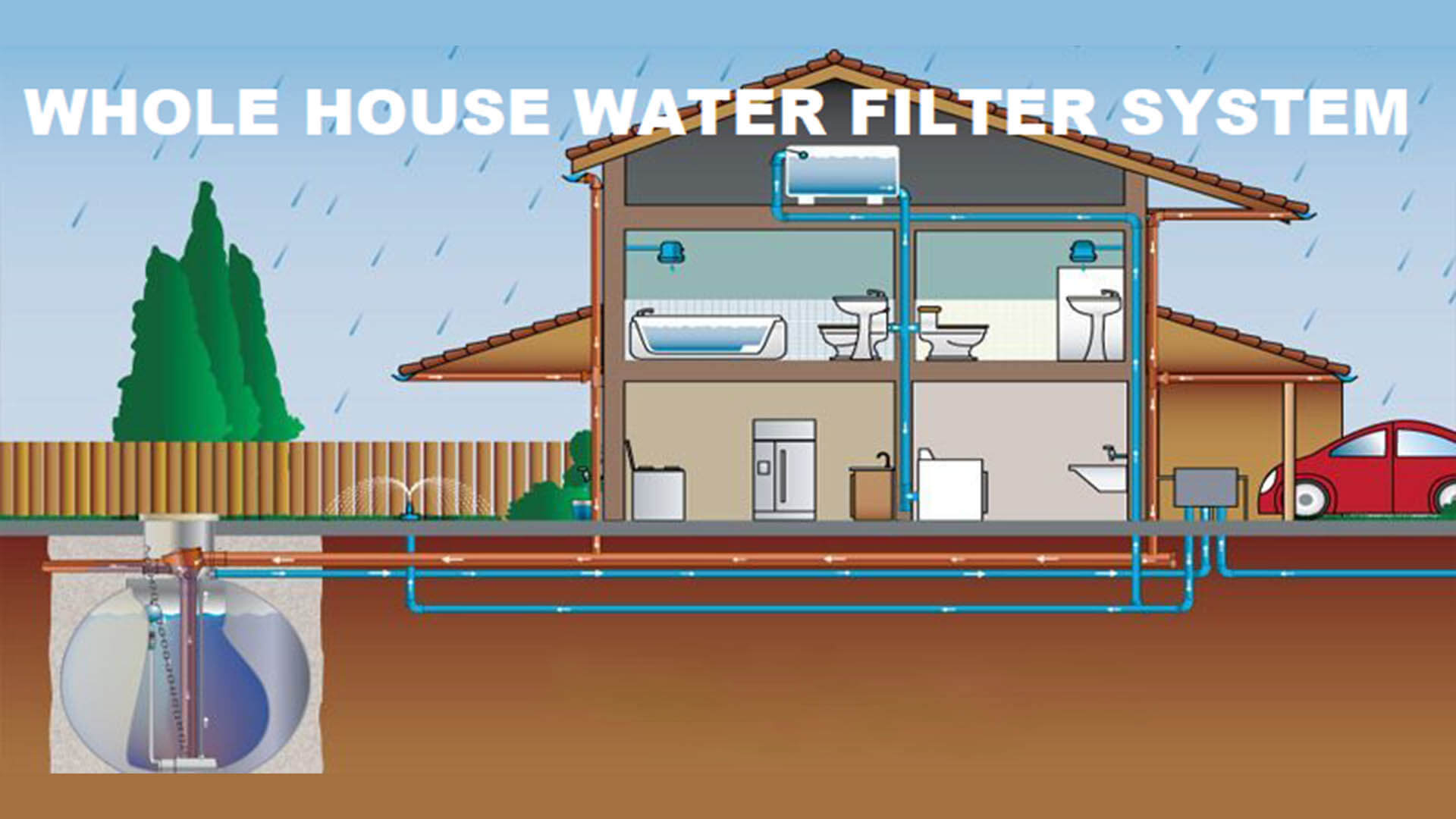
A whole house water filter system offers many benefits for every home. It cleans all the water entering your house. This means you get better water from every tap. The system helps improve water quality and protects your plumbing. It also supports your health and can save money over time.
Improved Water Quality
Whole house filtration removes dirt, chlorine, and bad smells. It also reduces chemicals and other harmful substances. Cleaner water tastes better and looks clearer. Your clothes will feel softer after washing. Showers become more refreshing without harsh water.
Health Advantages
Filtered water lowers the risk of drinking harmful contaminants. It helps reduce allergies and skin problems caused by dirty water. Clean water supports good digestion and overall health. The system also protects children and pets from unsafe water.
Protecting Plumbing
Filters stop minerals and sediments from clogging pipes. This prevents damage to faucets, appliances, and water heaters. It extends the life of your plumbing system. Less buildup means fewer repairs and less maintenance.
Cost Savings
Using a whole house filter reduces the need for bottled water. It lowers energy bills by keeping appliances clean and efficient. Fewer plumbing repairs save money on service calls. Over time, the system pays for itself through these savings.
Installation Tips
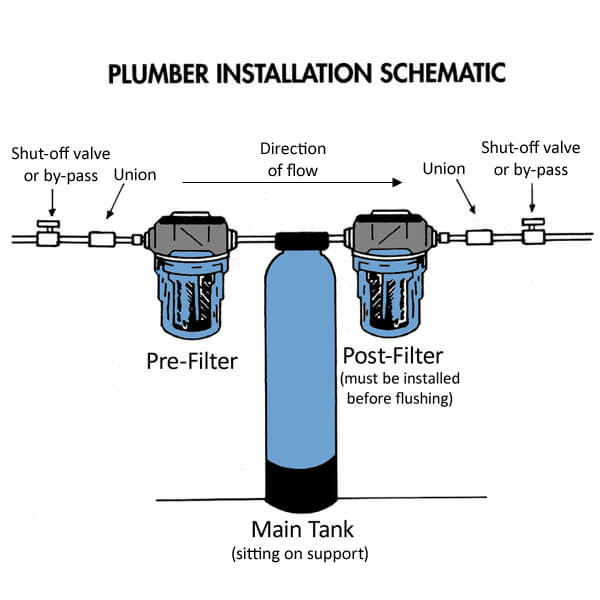
Installing a whole house water filter system requires careful planning. Proper installation ensures clean water throughout your home. It also prevents leaks and system damage. Follow these tips to make installation smoother and safer.
Location Selection
Choose a spot near the main water line entry. This helps filter all water before it reaches pipes. Ensure the area is dry and easy to access. Avoid places with extreme temperatures or direct sunlight. Leave enough space around the filter for maintenance and cartridge changes.
Professional Vs Diy
Decide if you want to hire a professional or do it yourself. Professionals have tools and skills for quick, safe setup. DIY saves money but needs careful reading of instructions. Know your plumbing basics before starting. Incorrect installation can cause leaks and poor filtering.
Common Challenges
Leaks are a common problem during installation. Tighten all connections properly but do not overtighten. Air pockets may form; bleed the system to release trapped air. Some filters need a bypass valve; check if yours does. Watch for pressure drops after installation and adjust settings if needed.
Maintenance And Troubleshooting
Maintaining your whole house water filter system is key to clean water at every tap. Regular care keeps the system working well and extends its life. Troubleshooting helps fix small problems before they grow.
Filter Replacement Schedules
Filters do not last forever. Most need changing every 3 to 6 months. Some systems have a built-in indicator to show when to replace. Follow the manufacturer’s guide for best results. Timely replacement stops bad taste and poor water flow.
Signs Of Filter Failure
Watch for changes in water taste or smell. Low water pressure can mean a clogged filter. Cloudy water or strange colors may signal a problem. If these happen, check the filter right away. Ignoring signs can harm your plumbing.
Cleaning Procedures
Clean the filter housing every time you change the filter. Use a mild soap and warm water. Rinse well to remove all soap. Avoid harsh chemicals that can damage parts. Clean pipes and fittings to keep the system clear. Regular cleaning prevents buildup and keeps water pure.
Budgeting And Cost Factors
Choosing the best whole house water filter system requires careful budgeting. Understanding cost factors helps plan the purchase and maintenance. Costs vary widely based on system type, capacity, and features. Knowing these costs prevents surprises and ensures a smooth experience.
Initial Investment
The initial cost includes buying the filter system and installation fees. Prices range from affordable basic models to high-end advanced systems. Installation costs depend on plumbing complexity and labor rates. Some systems need professional setup to work properly. A good system balances cost and performance.
Ongoing Expenses
Filters need regular replacement to keep water clean. Replacement filter prices vary by type and brand. Some systems require frequent changes, increasing yearly costs. Energy use can add to bills if the system uses electricity. Budgeting for these ongoing expenses is essential for long-term use.
Value For Money
Consider how long the system lasts and how well it filters water. A higher initial cost may save money on repairs and replacements. Good water quality protects appliances and health, adding value. Read reviews and compare features to find a system that fits your budget and needs.

User Reviews And Ratings
User reviews and ratings give real insights into whole house water filter systems. They show how these systems perform in everyday homes. Genuine feedback helps buyers choose the right system. It highlights strengths and any issues users face. Reading many reviews offers a clear picture of product quality and reliability.
Ratings also help compare different models. Higher-rated systems usually mean better customer satisfaction. Reviews often mention ease of installation, filter life, and water taste. These details guide buyers to make smart decisions. Here we explore top-rated systems and what customers say about them.
Top Rated Systems In 2025
Several whole house water filter systems stand out in 2025. These models have high ratings across multiple platforms. They combine effective filtration with easy maintenance. Popular brands include APEC, Aquasana, and Home Master. Each offers unique features tailored to different water needs. Customers praise their durability and consistent water quality. These systems often score above 4.5 stars out of 5.
Customer Feedback Highlights
Many users appreciate simple installation steps. Clear instructions and included parts make setup easier. Filter changes receive mixed reviews; some find them quick, others find them tricky. Water taste improves significantly for most users. Some mention softer water and fewer odors. A few report occasional leaks, but these are rare. Overall, customers value good customer service and warranty support. Honest feedback guides others toward reliable choices.
Frequently Asked Questions
What Factors Determine The Best Whole House Water Filter System?
The best system depends on water quality, flow rate, filter type, and budget. Consider contaminants, maintenance, and certification for safe water.
How Often Should Whole House Water Filters Be Replaced?
Filter replacement varies by model and water usage. Typically, replace every 6 to 12 months for optimal performance and water quality.
Can Whole House Filters Remove Chlorine And Sediments?
Yes, many systems effectively remove chlorine, sediments, rust, and other impurities, improving water taste and protecting plumbing and appliances.
Are Whole House Water Filters Easy To Install?
Most systems are DIY-friendly but may require basic plumbing skills. Professional installation ensures proper setup and warranty compliance.
Conclusion
Choosing the best whole house water filter system helps keep water clean. Good filters remove dirt, chemicals, and bad taste. Clean water protects your family’s health every day. Consider your budget, water quality, and filter type. Regular maintenance keeps the system working well.
A reliable filter saves money on repairs and bottled water. Safe water means peace of mind at home. Start with the right filter for your needs today.

Hasan Al Sarker is a Reverse Osmosis Specialist. He has worked for many years to ensure safe drinking water for all. His research paper has been published in several journals, including Issue, Medium, and Slideshare. He is recognized as a water doctor among specialists though he did not attend medical college.
Besides working as a researcher of reverse osmosis technology, he is also very fancy with the kitchen and cooking. His guides are reading thousands of people every day. As a head of content, he is responsible for all the published articles at RO System Reviews.