Have you ever wondered why your soap doesn’t lather well or why spots keep appearing on your dishes? The answer might be in the water you use every day.
Water isn’t just water—it can be hard or soft, and this difference can affect your home, health, and even your wallet. Understanding what sets hard water apart from soft water will help you make smarter choices for your daily routine.
Keep reading to discover the key differences and how they impact your life.
Credit: www.h2xengineering.com
Hard Water Basics
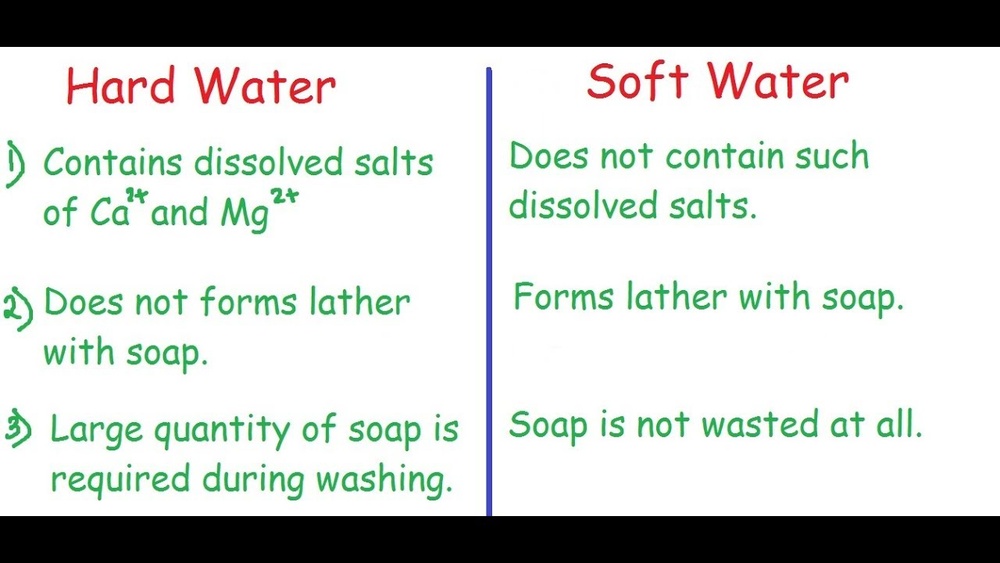
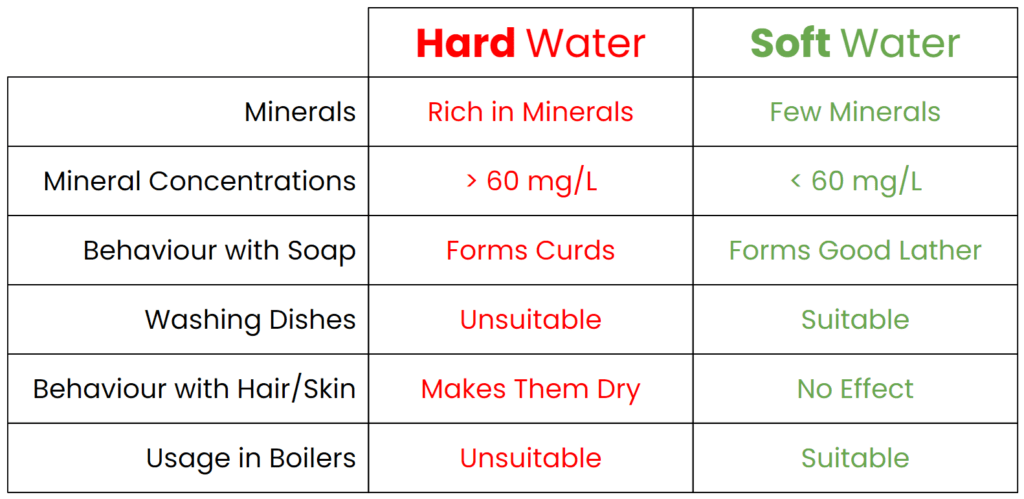
Hard water is water that contains a high amount of minerals. These minerals change how water feels and behaves. Understanding hard water helps explain its effects on daily life.
Hard water is common in many places. It affects cleaning, cooking, and even how appliances work. Learning about its basics helps people make better water choices.
Mineral Content
Hard water contains minerals like calcium and magnesium. These minerals come from rocks and soil. They dissolve into water as it moves underground. The more minerals in the water, the harder it becomes. Hard water may also have iron or manganese in smaller amounts. These minerals can cause stains or a metallic taste.
Sources Of Hard Water
Hard water usually comes from underground sources. Water passes through limestone, chalk, or gypsum. These rocks add minerals to the water. Well water often has high mineral content. Surface water, like rivers and lakes, usually has less hardness. Some regions naturally have harder water due to their geology. Understanding the source helps in choosing the right water treatment.
Soft Water Characteristics
Soft water contains low levels of minerals like calcium and magnesium. It feels smooth and does not leave spots on dishes. Unlike hard water, soft water helps soaps and detergents work better.
Low Mineral Levels
Soft water contains very few minerals like calcium and magnesium. These minerals make water hard when they are present in high amounts. Soft water feels smooth and can create more foam with soap. It does not leave white stains or spots on dishes and clothes. This makes soft water easier to use for cleaning and bathing.
Natural And Treated Soft Water
Some soft water occurs naturally in areas with low mineral deposits. Rainwater is an example of natural soft water. Other soft water is treated by removing minerals from hard water. Water softeners use special chemicals or salt to reduce hardness. Both natural and treated soft water share similar benefits for home and skin care.
Effects On Daily Life
Water quality affects daily life in many ways. Hard and soft water feel different on skin and hair. They also affect appliances in homes. Understanding these effects helps choose the right water for comfort and efficiency.
Impact On Skin And Hair
Hard water can leave skin dry and rough. It may cause irritation or itchiness. Soap does not lather well in hard water. This leaves a residue on skin and hair.
Soft water feels gentler on skin. It helps soap create a rich lather. This removes dirt and oils better. Hair washed with soft water often feels softer and shinier.
Household Appliance Efficiency
Hard water causes scale buildup inside appliances. This reduces their efficiency and lifespan. Water heaters, dishwashers, and washing machines can clog. This leads to higher energy use and repair costs.
Soft water prevents scale buildup. Appliances run smoothly and use less energy. They need less cleaning and last longer. Soft water helps save money on maintenance.
Credit: h2oglobalnews.com
Cleaning And Soap Use
Water quality affects cleaning and soap use in many ways. Hard and soft water behave differently when mixed with soap. These differences impact how well soap cleans and how much effort is needed for cleaning tasks.
Soap Scum Formation
Hard water contains minerals like calcium and magnesium. These minerals react with soap to create soap scum. Soap scum looks like a white, sticky residue on sinks and bathtubs. It also builds up on skin and hair, leaving a rough feeling. Soft water has fewer minerals, so it produces less soap scum. Soap lathers better and rinses off easily with soft water.
Cleaning Challenges
Hard water makes cleaning harder. Soap does not dissolve well, reducing its cleaning power. More soap is needed to get things clean, which can waste money. Soap scum can stick to dishes, clothes, and surfaces. This residue needs extra scrubbing to remove. Soft water helps soap work better and cleans faster. Less scrubbing is needed, saving time and effort.
Health Considerations
Water quality affects our health in many ways. Hard and soft water differ in mineral content. These differences may impact daily health and well-being. Understanding health considerations helps choose the best water type for you.
Mineral Intake Benefits
Hard water contains calcium and magnesium minerals. These minerals are essential for strong bones and teeth. They also support heart and muscle functions. Drinking hard water can add to your daily mineral needs. It may reduce the risk of some diseases linked to mineral deficiencies.
Potential Health Risks
Soft water has fewer minerals and may taste different. It sometimes contains more sodium, which can be harmful in excess. People with heart problems should watch their sodium intake. Hard water may cause skin dryness or irritation in some people. Both water types can have risks depending on individual health conditions.
Water Treatment Methods
Water treatment methods help improve water quality for daily use. Different techniques remove minerals and impurities. These methods make water safer and better for skin, appliances, and health.
Hard water contains calcium and magnesium, which can cause problems. Soft water has fewer minerals and feels smoother. Treating hard water often requires special processes to reduce mineral content.
Softening Techniques
Water softening removes calcium and magnesium ions. Ion exchange is a common method. It swaps hard minerals for sodium or potassium ions. This process reduces scale buildup in pipes and appliances.
Another method uses chemical additives. These chemicals bind to minerals, preventing scale formation. Softening makes water gentle on skin and cleans better.
Filtration Options
Filtration removes particles and some minerals from water. Activated carbon filters trap chlorine and impurities. They improve taste and odor. Sediment filters catch dirt and rust.
Reverse osmosis pushes water through a special membrane. It removes many minerals and contaminants. Filtration works well with softening for cleaner, clearer water.
Testing Water Hardness
Testing water hardness helps you know if your water is hard or soft. This is important for many reasons. Hard water can cause scale buildup in pipes and appliances. Soft water may feel slippery and taste different. Knowing the hardness level helps choose the right water treatment.
Testing is easy and can be done at home or by professionals. Both methods give you clear results. You get to understand your water quality better. Let’s explore the two main ways to test water hardness.
Diy Test Kits
DIY test kits are simple and affordable. They usually include test strips or drops. You dip the strip or add drops to a water sample. The color change shows the hardness level. These kits are quick and need no special skills.
They work well for basic checks. You get results in minutes. These kits are great for home use. They help you decide if you need water softeners or filters.
Professional Testing
Professional testing offers detailed and accurate results. Experts collect water samples and analyze them in labs. They measure minerals like calcium and magnesium. This testing shows the exact hardness level.
It is useful for complex water problems. Professionals provide advice based on the test. This helps in choosing the best treatment system. It is ideal for businesses or serious home issues.

Credit: www.youtube.com
Environmental Impact
Hard and soft water affect the environment in different ways. Understanding these impacts helps us make better choices. Water hardness influences how much water and chemicals are needed for cleaning and treatment.
These factors affect water resources and pollution levels. Let’s explore water usage and waste, followed by chemical use in treatment.
Water Usage And Waste
Hard water causes more soap scum and mineral buildup. This means using more water to rinse and clean surfaces. More water use increases waste and puts pressure on water supplies.
Soft water reduces soap scum, saving water during washing. Less water waste helps protect rivers and lakes from drying out. Choosing soft water can reduce water consumption in homes and industries.
Chemical Use In Treatment
Hard water often needs chemicals to remove minerals before use. These chemicals can harm aquatic life if they enter water bodies. Soft water requires fewer chemicals, lowering pollution risks.
Water softening processes sometimes release salt and other substances into the environment. This can affect soil and plant health. Managing chemical use and disposal is vital for environmental safety.
Frequently Asked Questions
What Defines Hard Water Compared To Soft Water?
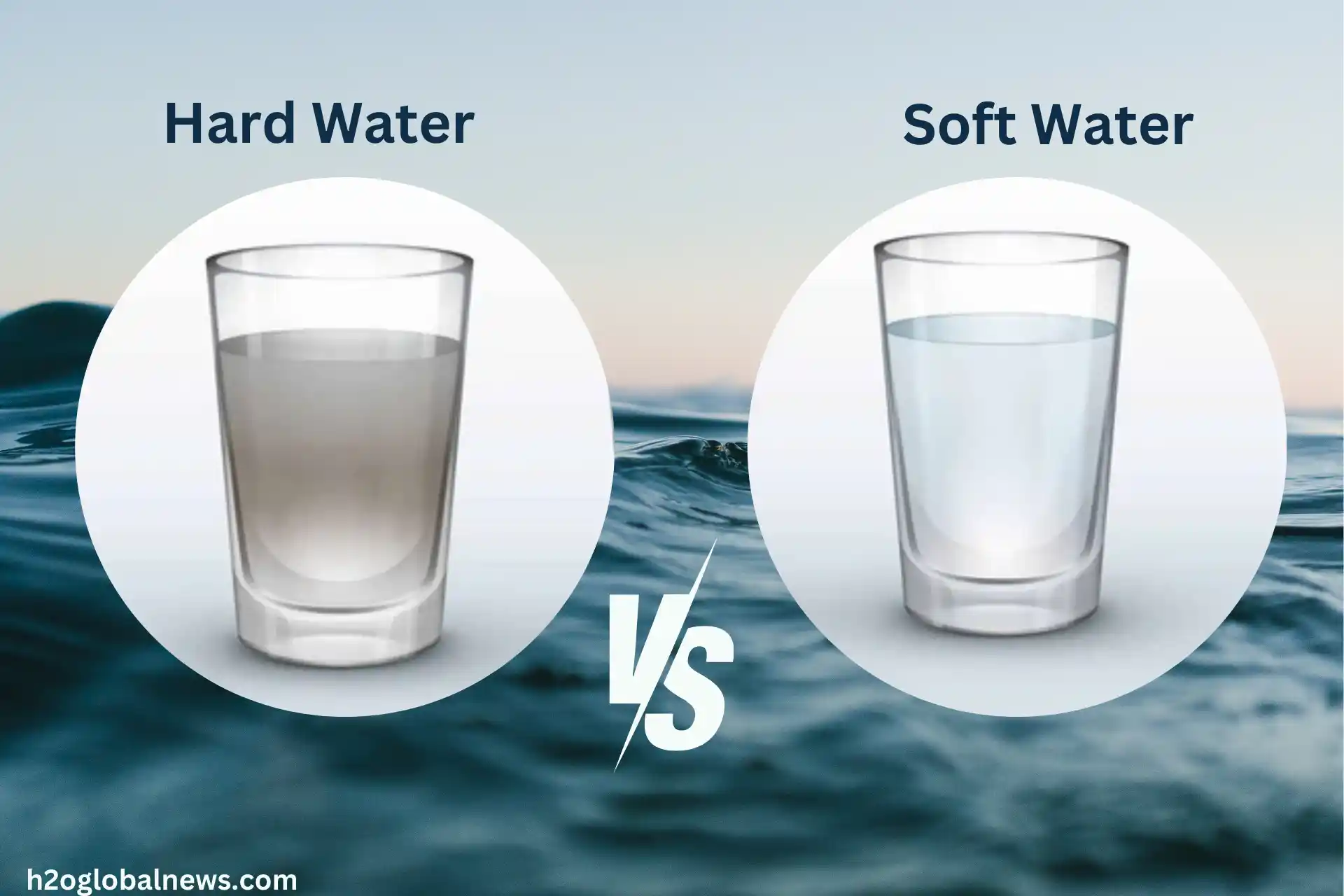
Hard water contains high levels of calcium and magnesium. Soft water has low mineral content. This difference affects soap lather, appliance lifespan, and taste.
How Does Hard Water Impact Household Appliances?
Hard water causes mineral buildup in appliances like kettles and washing machines. This reduces efficiency and can lead to costly repairs over time.
Can Soft Water Affect Skin And Hair Health?
Soft water is gentler on skin and hair. It reduces dryness and irritation by allowing soap to rinse off more easily.
Is Hard Water Safe To Drink?
Yes, hard water is safe to drink and may provide beneficial minerals. However, very hard water might taste unpleasant to some people.
Conclusion
Hard water has minerals that cause scale and stains. Soft water feels smooth and cleans better. Both types affect your home and health differently. Knowing their differences helps you choose the right water for daily use. Simple care can reduce hard water problems.
Soft water can save soap and energy. Understanding water types leads to smarter decisions. Choose wisely for cleaner dishes and softer skin. Water quality matters for comfort and health.

Hasan Al Sarker is a Reverse Osmosis Specialist. He has worked for many years to ensure safe drinking water for all. His research paper has been published in several journals, including Issue, Medium, and Slideshare. He is recognized as a water doctor among specialists though he did not attend medical college.
Besides working as a researcher of reverse osmosis technology, he is also very fancy with the kitchen and cooking. His guides are reading thousands of people every day. As a head of content, he is responsible for all the published articles at RO System Reviews.