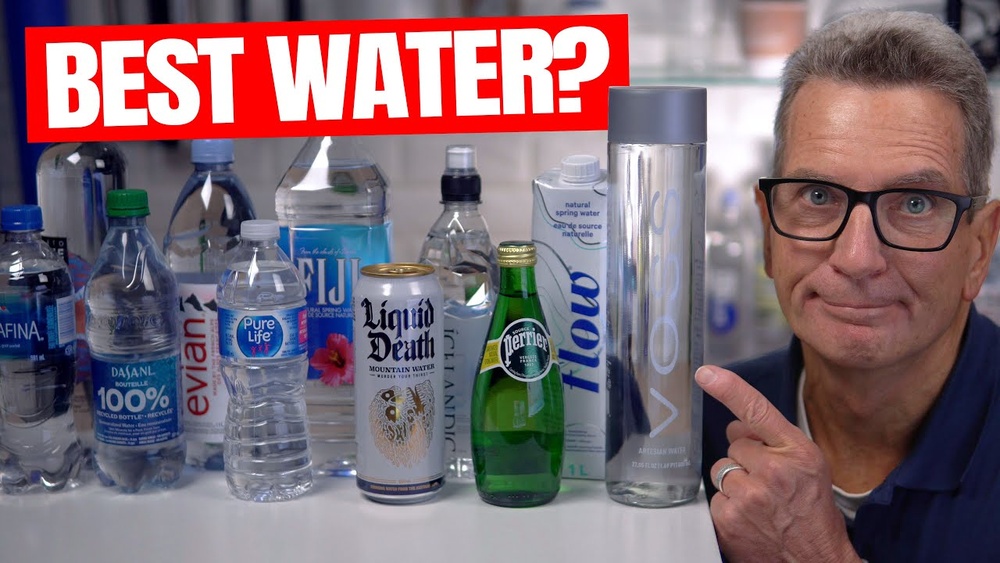
When it comes to your health, nothing is more important than the water you drink every day. But how do you know if the water coming from your tap or bottle is truly safe?
You might be surprised to learn that not all water is created equal. Choosing the safest water isn’t just about taste—it’s about protecting your body from harmful contaminants that you can’t see or smell. Keep reading to discover exactly what makes water safe and how you can ensure you and your loved ones are drinking the best water possible.
Your health depends on it.
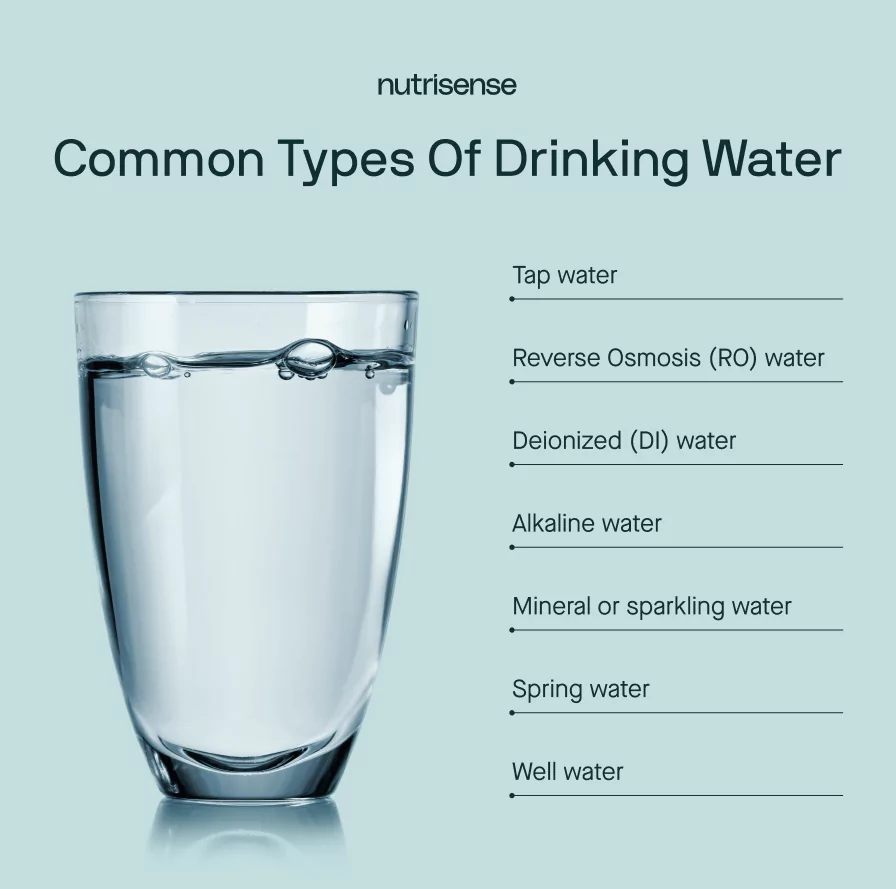
Types Of Drinking Water
Water is essential for life. People drink different types of water daily. Knowing the types helps choose the safest option. Each type has unique features and uses. This section explains common drinking water types.
Tap Water
Tap water comes from public water systems. It is treated to remove harmful substances. Tap water usually contains minerals good for health. Some places add fluoride to protect teeth. Quality depends on local water treatment and pipes.
Bottled Water
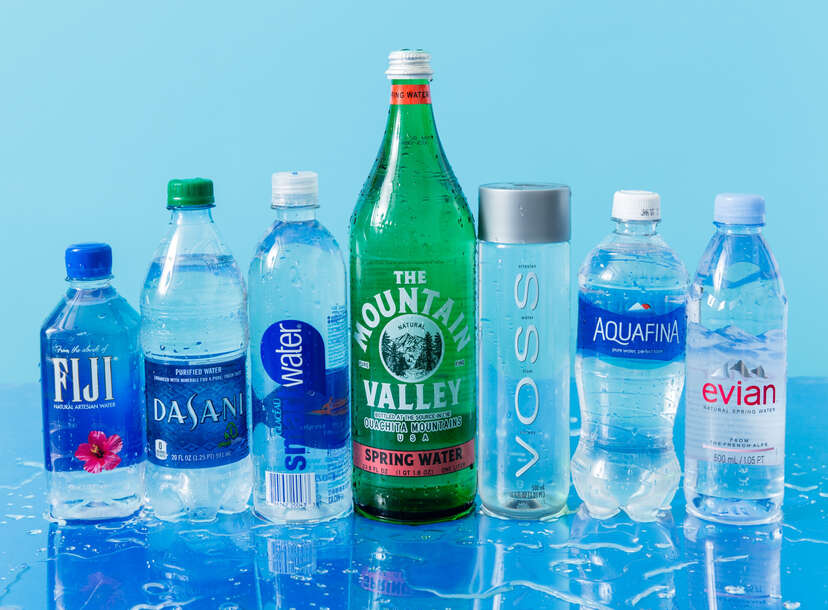
Bottled water is sold in plastic or glass bottles. It often comes from springs or purified sources. Bottled water is convenient for travel or emergencies. It can cost more than tap water. Make sure the bottle is sealed before use.
Filtered Water
Filtered water passes through devices that remove impurities. Filters reduce chlorine, sediments, and some bacteria. Many homes use pitchers or faucet filters. Filters improve taste and smell. Changing filters regularly keeps water safe.
Distilled Water
Distilled water is boiled and collected as steam. This process removes minerals and contaminants. Distilled water is very pure but lacks minerals. Some people use it for medical or laboratory needs. Drinking it daily may not provide needed minerals.
Spring Water
Spring water comes from natural underground sources. It flows to the surface naturally or by pumping. Spring water contains natural minerals and tastes fresh. It is often bottled directly at the source. Quality depends on the cleanliness of the spring.
Common Water Contaminants
Water can have many hidden dangers. These dangers come from different contaminants. Knowing these helps choose safer water to drink.
Contaminants affect water quality and health. They come from natural sources and human activities. Some are easy to see, others invisible.
Microbial Contaminants
Microbes include bacteria, viruses, and parasites. They cause illnesses like diarrhea and stomach pain. Drinking water with microbes can spread diseases fast.
Common microbes in water come from sewage or animal waste. Boiling or filtering water can kill many of them.
Chemical Pollutants
These chemicals come from factories, farms, and homes. Pesticides, fertilizers, and cleaning products often pollute water. Chemicals in water can cause long-term health problems.
Some chemicals change water taste and smell. Testing water helps find and reduce these pollutants.
Heavy Metals
Heavy metals like lead, arsenic, and mercury enter water through pipes and soil. They build up in the body and harm organs. Children are especially at risk from heavy metals.
Safe water sources avoid old pipes and contaminated areas. Filtering can reduce metal levels too.
Plastic Residues
Plastic breaks down into tiny pieces called microplastics. These float in water and are hard to remove. Microplastics may carry harmful chemicals inside the body.
Plastic pollution comes from trash and plastic use. Reducing plastic helps keep water cleaner.
Water Purification Methods
Water purification methods remove harmful substances from water. These methods make water safe to drink. Each method has its own way to clean water. Choosing the right one depends on water quality and available tools.
Boiling
Boiling kills bacteria, viruses, and parasites. Heat destroys these germs quickly. Boil water for at least one minute. At high altitudes, boil for three minutes. Boiling does not remove chemicals or dirt. It’s simple and effective for emergency use.
Filtration Systems
Filters trap particles and some germs. They use materials like charcoal or ceramic. Filters remove dirt, sand, and some bacteria. Not all filters remove viruses or chemicals. Choose a filter that fits your water needs. Regular cleaning keeps filters working well.
Reverse Osmosis
Reverse osmosis pushes water through a thin membrane. This membrane blocks many contaminants. It removes salts, bacteria, and viruses. Reverse osmosis needs electricity or pressure. It also removes minerals from water. The water tastes clean and fresh after treatment.
Uv Treatment
UV treatment uses ultraviolet light to kill germs. The light damages their DNA, stopping reproduction. UV systems work fast and use no chemicals. They do not remove particles or chemicals. Clean water must pass through UV light for safety.
Chemical Disinfection
Chemicals like chlorine or iodine kill harmful organisms. They are easy to use and carry. Chemicals need time to work, usually 30 minutes. Some people dislike the taste after treatment. Chemical disinfection does not remove dirt or particles. It is good for emergency and travel use.

Credit: www.youtube.com
Health Benefits Of Pure Water
Pure water is essential for good health. Drinking clean water supports many vital functions in the body. It helps maintain balance and keeps organs working well. Understanding its health benefits encourages better choices for safe water.
Hydration And Body Functions
Water keeps the body hydrated. Every cell needs water to work properly. It helps transport nutrients and oxygen to cells. Water also aids digestion and keeps joints lubricated. Staying hydrated boosts energy and focus throughout the day.
Detoxification
Pure water helps flush out toxins from the body. It supports kidney function and helps remove waste. Drinking enough water reduces the risk of infections. Clean water prevents harmful substances from building up. This detox process keeps the body clean and healthy.
Improved Skin Health
Water hydrates the skin from inside out. It helps maintain skin elasticity and softness. Drinking pure water can reduce dryness and wrinkles. Clear water supports the healing of skin problems. Healthy skin looks brighter and feels smoother.
Risks Of Contaminated Water
Contaminated water poses serious health risks worldwide. It can carry harmful germs and chemicals that affect the body. Drinking unsafe water can cause illness and long-term damage. Understanding these risks helps in choosing the safest water to drink.
Waterborne Diseases
Unsafe water often contains bacteria, viruses, and parasites. These germs cause waterborne diseases like cholera, typhoid, and dysentery. Symptoms include diarrhea, vomiting, and fever. These illnesses spread quickly and can be deadly. Clean water helps stop these diseases from spreading.
Long-term Health Effects
Some contaminants in water build up over time in the body. Chemicals like lead, arsenic, and pesticides cause serious harm. They can affect the brain, kidneys, and other organs. Long-term exposure may cause cancer or developmental problems. Drinking pure water reduces these health dangers.
Impact On Vulnerable Groups
Children, elderly, and sick people suffer most from unsafe water. Their immune systems are weaker and less able to fight infections. Contaminated water can cause growth delays in children. Elderly people may face severe dehydration and complications. Protecting these groups needs safe, clean drinking water.
Credit: www.servicecore.com
Choosing Safe Water At Home
Choosing safe water at home is very important for your health. Water can have germs, chemicals, or dirt that you cannot see. Drinking clean water helps prevent sickness and keeps your body strong. You can take steps to make sure the water you drink is safe and pure.
Testing Water Quality
Testing your water shows what is inside. You can buy simple kits to test at home. These kits check for bacteria, lead, and other harmful things. Local health departments often offer free or low-cost testing. Knowing your water quality helps you choose the best cleaning method.
Selecting Filtration Devices
Filters remove harmful particles from water. Different filters remove different things like chlorine, germs, or metals. Some common types are carbon filters, reverse osmosis, and UV purifiers. Choose a filter that matches your water’s needs. Change filter parts as the instructions say to keep water clean.
Storage Tips
Store water in clean, covered containers to stop dirt and bugs. Use food-grade plastic or glass bottles for storing water. Keep water containers in a cool, dark place. Clean containers before refilling to avoid germs. Safe storage keeps your drinking water fresh and healthy.
Environmental Impact Of Bottled Water
Bottled water has become a popular choice worldwide. Many people prefer it for convenience and taste. Yet, this choice has a big effect on the environment. Understanding this impact helps us make better decisions about drinking water.
Plastic Waste Concerns
Bottled water creates a lot of plastic waste. Most bottles are used just once and then thrown away. Many end up in landfills or oceans. This plastic can take hundreds of years to break down. It harms animals and pollutes water sources.
Carbon Footprint
Making and transporting bottled water uses a lot of energy. This process releases carbon dioxide into the air. Carbon dioxide adds to global warming. Transporting bottles across long distances increases pollution. The carbon footprint of bottled water is much higher than tap water.
Sustainable Alternatives
Choosing sustainable options reduces environmental damage. Using reusable water bottles is a simple step. Filtering tap water at home saves plastic and energy. Some companies offer water refills in eco-friendly containers. These choices protect the planet and keep water safe to drink.
Credit: www.nutrisense.io
Frequently Asked Questions
What Defines The Safest Water To Drink?
Safe drinking water is free from harmful contaminants like bacteria, viruses, and chemicals. It meets local health standards ensuring it’s clean and potable. Regular testing and proper treatment guarantee its safety for daily consumption.
How Can I Tell If Water Is Safe?
Look for clear, odorless water with no strange taste. Use water testing kits or check local water quality reports. If unsure, boiling or filtering water can remove many contaminants, making it safer to drink.
Is Bottled Water Always Safer Than Tap Water?
Not always. Bottled water is regulated but can vary in quality. Tap water is often strictly monitored and treated. The safest choice depends on local water sources and treatment methods.
Does Boiling Water Make It Safe To Drink?
Yes, boiling kills most bacteria, viruses, and parasites. Boil water for at least one minute to ensure safety. However, boiling does not remove chemical pollutants or heavy metals.
Conclusion
Safe drinking water keeps your body healthy and strong. Choose water that is clean and free from harmful germs. Tap water, filtered water, or bottled water can be safe if tested and treated well. Always check the source before drinking.
Clean water protects you from sickness and helps you feel good every day. Remember, drinking safe water is simple but very important. Stay aware and make smart choices for your health.

Hasan Al Sarker is a Reverse Osmosis Specialist. He has worked for many years to ensure safe drinking water for all. His research paper has been published in several journals, including Issue, Medium, and Slideshare. He is recognized as a water doctor among specialists though he did not attend medical college.
Besides working as a researcher of reverse osmosis technology, he is also very fancy with the kitchen and cooking. His guides are reading thousands of people every day. As a head of content, he is responsible for all the published articles at RO System Reviews.