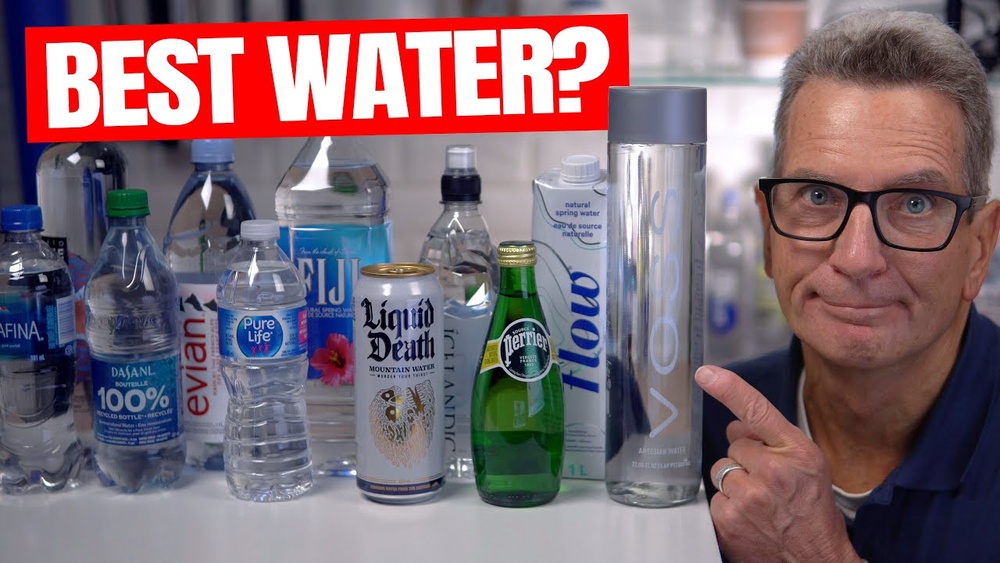
Have you ever stopped to think about the water you drink every day? You might assume it’s safe, but not all water is created equal.
Choosing the safest water for your health can protect you from hidden risks and give you peace of mind. You’ll discover exactly what makes water safe to drink, which options are best for you, and simple ways to ensure your water is clean and healthy.
Keep reading—your body will thank you.
Credit: www.servicecore.com
Types Of Drinking Water
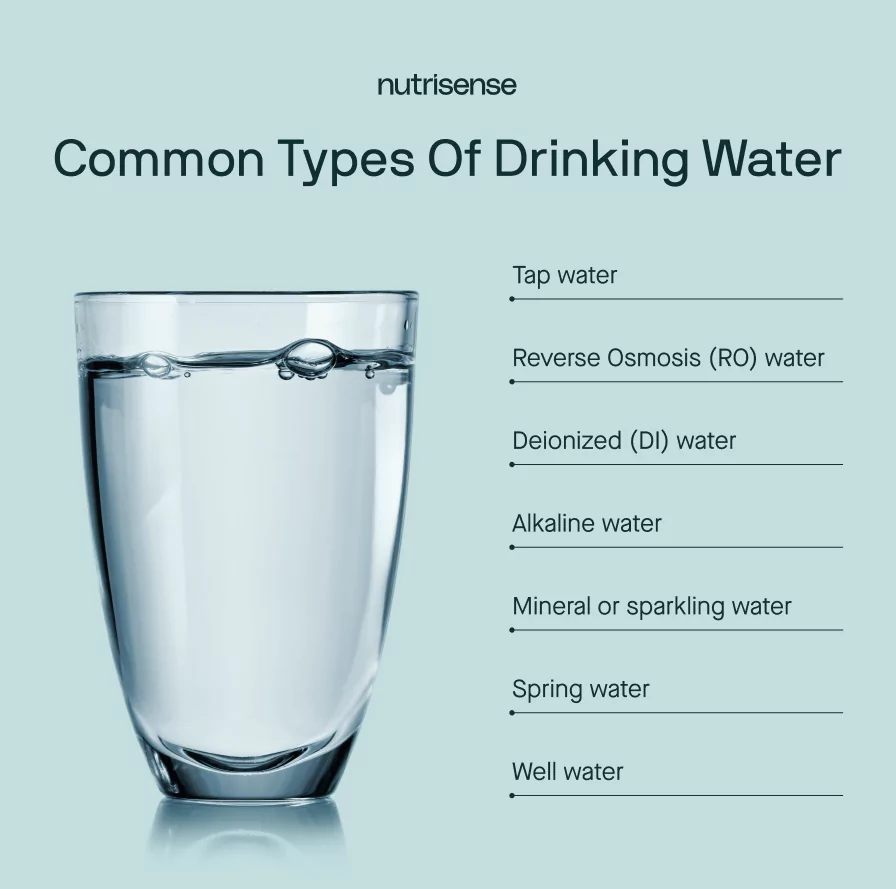
Water is vital for health. Not all water types are the same. Each type has different qualities and sources. Choosing the safest water depends on these differences. Understanding common types helps you decide what to drink daily.
Tap Water
Tap water comes from public systems. It is treated to remove harmful germs. Chlorine or other chemicals keep it safe. Quality depends on local water supply and pipes. Sometimes, tap water may contain small impurities.
Bottled Water
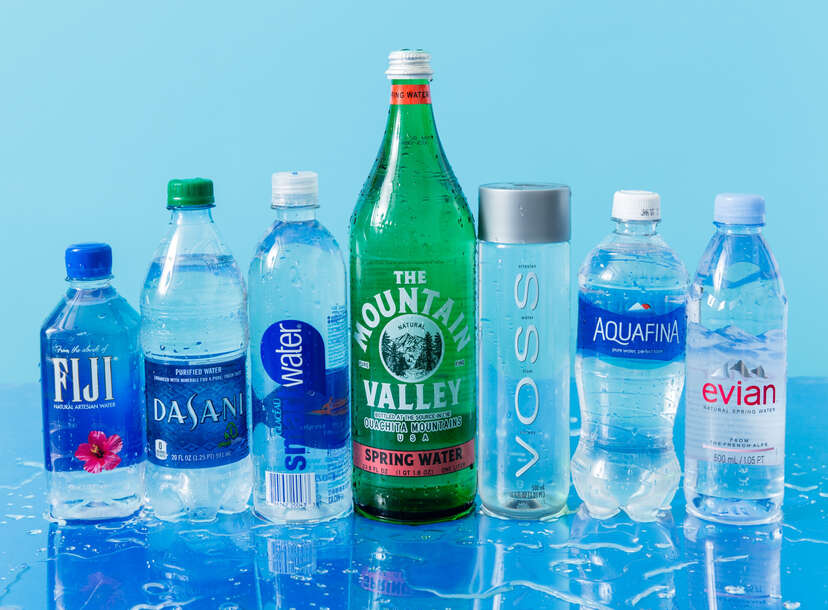
Bottled water is sold in sealed containers. It often comes from springs or purified sources. It is convenient for travel or emergencies. Bottled water quality varies by brand and source. It can be more expensive than tap water.
Filtered Water
Filtered water passes through a device to clean it. Filters remove chlorine, sediments, and some bacteria. Home filters improve taste and safety. Not all filters remove viruses or chemicals. Regular filter changes keep water clean.
Distilled Water
Distilled water is boiled and then cooled to remove impurities. This process removes minerals, bacteria, and chemicals. It is very pure but lacks natural minerals. Some people avoid distilled water for daily use. It is common in labs and machines.
Spring Water
Spring water comes from natural underground sources. It flows to the surface naturally. This water contains minerals from rocks. It is often bottled directly at the source. Spring water taste varies with mineral content.
Common Contaminants In Water
Water is essential for life, but not all water is safe to drink. Many common contaminants can make water harmful. Understanding these contaminants helps protect your health. Contaminants come from natural sources and human activities. They can affect water clarity, taste, and safety. Below are some common types of contaminants found in drinking water.
Microbial Pathogens
Microbial pathogens include bacteria, viruses, and parasites. They enter water from sewage or animal waste. These microbes cause illnesses like diarrhea, cholera, and hepatitis. Boiling or filtering water can remove most pathogens. Clean water sources and proper sanitation reduce microbial contamination risks.
Chemical Pollutants
Chemical pollutants come from industrial waste, farming, and household products. Pesticides, fertilizers, and cleaning agents are common examples. These chemicals can cause poisoning and long-term health issues. Water treatment plants often remove many chemical pollutants. Avoiding polluted water sources is key to safety.
Heavy Metals
Heavy metals include lead, mercury, and arsenic. They enter water through natural deposits or industrial pollution. These metals build up in the body and cause serious health problems. Testing water for heavy metals is important, especially in older homes. Using filters that block heavy metals helps keep water safe.
Pharmaceutical Residues
Pharmaceutical residues come from medicines flushed down drains. These residues reach water supplies in tiny amounts. Effects on human health are still being studied. Removing these residues is difficult but possible with advanced treatment. Proper disposal of medicines helps reduce this contamination.
Water Safety Standards
Water safety standards help protect public health by setting clear rules. These rules control what is allowed in drinking water. They ensure water is clean and safe for daily use. Different organizations create these standards to guide water quality worldwide.
Epa Regulations
The Environmental Protection Agency (EPA) sets rules for safe drinking water in the USA. These rules limit harmful chemicals and bacteria in water. EPA tests and monitors water systems regularly. Their standards protect people from waterborne diseases and pollution.
Who Guidelines
The World Health Organization (WHO) offers global advice on water safety. Their guidelines help countries keep water free from health risks. WHO focuses on contaminants like viruses, metals, and chemicals. These guidelines support clean water access everywhere.
International Standards
International bodies create standards to unify water safety worldwide. They work with governments to improve water quality. These standards cover water treatment, storage, and testing methods. Following them reduces health risks from unsafe water across countries.
Methods To Purify Water
Purifying water is key to safe drinking. Clean water keeps away germs and harmful chemicals. Several easy methods help remove these dangers. Each method suits different needs and situations. Understanding these methods helps pick the best one.
Boiling
Boiling water kills most germs and bacteria. Bring water to a rolling boil for at least one minute. At higher altitudes, boil for three minutes. This method is simple and needs no special tools. Boiled water is safe and clear but may taste flat.
Filtration Systems
Filters trap dirt, bacteria, and some chemicals. They come in many types, like ceramic, charcoal, or membrane filters. Filters are easy to use at home or outdoors. Choose a filter that removes viruses for better safety. Regular cleaning keeps filters working well.
Uv Treatment
UV light kills bacteria, viruses, and protozoa. Portable UV devices can treat small water amounts fast. UV treatment does not change water taste or smell. It requires clear water to work well. It is a good option for travelers and campers.
Chemical Disinfection
Chemicals like chlorine or iodine kill harmful microbes. Add chemicals to water and wait the recommended time. This method is lightweight and easy to carry. Some chemicals may change water taste slightly. Use as directed for safe and clean water.
Health Benefits Of Pure Water
Pure water is essential for good health. It supports many important body functions. Drinking clean, safe water helps keep the body strong and working well. It has many health benefits that improve daily life.
Hydration And Body Functions
Water keeps the body hydrated. Every cell needs water to work properly. It helps regulate body temperature. Water also supports digestion and nutrient absorption. Without enough water, the body can feel tired and weak.
Detoxification
Pure water helps remove waste from the body. The kidneys use water to flush out toxins. Drinking clean water supports natural detoxification. It helps prevent harmful build-up in organs. This keeps the body healthy and free from illness.
Skin Health
Water improves skin appearance and texture. It keeps skin moist and soft. Drinking pure water reduces dryness and wrinkles. It helps flush out impurities that cause skin problems. Clear skin often starts with good hydration.
Credit: www.nutrisense.io
Choosing The Safest Water For You
Choosing the safest water for you means understanding where your water comes from. It also means knowing how clean and healthy it is. Different sources offer different safety levels. Your choice depends on your needs and environment.
Considering Source And Quality
Water can come from many places. Tap water, bottled water, well water, and filtered water are common sources. Each source has its own quality and risks. Checking the origin helps know what might be in your water. Natural sources may have minerals but also pollutants. Treated water is usually safer but varies by location.
Testing Water At Home
Testing water at home is easy and useful. Test kits can check for bacteria, lead, and chemicals. Regular testing helps catch problems early. It ensures your water stays clean and safe. Simple steps like this protect your health every day.
Cost And Accessibility
Cost affects which water you can use safely. Some options like bottled water cost more. Tap water is usually cheaper and easy to access. Consider what fits your budget and lifestyle. Safe water should be affordable and reachable for all.
Environmental Impact Of Water Choices
Choosing the safest water to drink goes beyond health. It also affects the environment. Every water choice has an impact. This impact influences plastic waste, energy use, and natural resources.
Plastic Waste From Bottled Water
Bottled water creates a lot of plastic waste. Most bottles are used once and then thrown away. Many do not get recycled properly. This waste often ends up in oceans and landfills. It harms animals and pollutes nature. Reducing bottled water use helps cut plastic pollution.
Energy Use In Purification
Purifying water takes energy. Bottled water requires energy for bottling and transport. Tap water also needs treatment but uses less energy overall. Some purification methods use more power than others. Choosing less energy-intensive water options helps lower carbon footprints.
Sustainable Water Practices
Sustainable water means using resources wisely. It includes drinking tap water when safe. Using reusable bottles reduces waste. Supporting local water sources saves energy. Protecting natural water bodies keeps ecosystems healthy. Small choices add up to big environmental benefits.

Credit: www.youtube.com
Frequently Asked Questions
What Type Of Water Is Safest To Drink Daily?
The safest water to drink daily is filtered tap water or bottled spring water. These options remove contaminants and provide essential minerals. Avoid untreated or stagnant water to prevent health risks from bacteria or chemicals.
Is Tap Water Safe To Drink Everywhere?
Tap water safety varies by location. In developed areas, it’s usually safe due to strict regulations. However, in some regions, tap water may contain harmful contaminants and require filtration or boiling before drinking.
How Does Bottled Water Compare To Tap Water Safety?
Bottled water is often purified and tested, making it safe for consumption. However, some bottled water comes from tap sources. Tap water is regulated and safe in many places, but filtration can enhance its quality.
Can Boiling Water Improve Its Safety?
Yes, boiling water kills most bacteria, viruses, and parasites. It’s an effective method to make water safe, especially in emergencies or when tap water quality is uncertain. Boiled water should cool before drinking.
Conclusion
Clean water keeps your body healthy and strong. Choose water that is free from harmful germs and chemicals. Bottled water, filtered water, and boiled water often offer safe choices. Always check your local water quality reports for guidance. Drinking safe water protects you from sickness.
Staying hydrated with clean water helps your mind and body work well. Simple steps can make a big difference in water safety. Trust your senses—if water looks or smells strange, avoid drinking it. Safe water is an easy way to support your health every day.

Hasan Al Sarker is a Reverse Osmosis Specialist. He has worked for many years to ensure safe drinking water for all. His research paper has been published in several journals, including Issue, Medium, and Slideshare. He is recognized as a water doctor among specialists though he did not attend medical college.
Besides working as a researcher of reverse osmosis technology, he is also very fancy with the kitchen and cooking. His guides are reading thousands of people every day. As a head of content, he is responsible for all the published articles at RO System Reviews.