
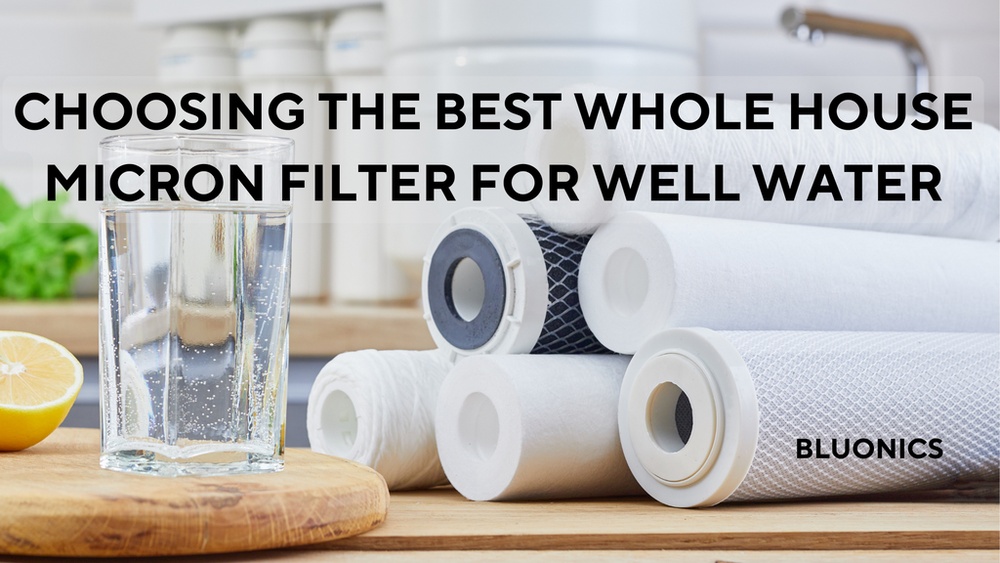
If you rely on well water, you know how important it is to keep it clean and safe. But with so many micron filters out there, how do you choose the one that’s best for your water?
The right filter can make a huge difference in the quality of your water and your health. You’ll discover exactly what micron filter suits your well water needs. By the end, you’ll feel confident about making the best choice for your home and family.
Keep reading to find the perfect solution for your water worries.
Micron Filters For Well Water
Micron filters play a key role in cleaning well water. They remove tiny particles that can affect water quality and taste. Choosing the right micron filter helps protect your plumbing and appliances. It also improves water clarity and safety.
Well water often contains dirt, sand, rust, and other small debris. These particles can be as small as a few microns. A micron filter traps these impurities before water reaches your home. This keeps the water clean and clear for daily use.
What Is A Micron Filter?
A micron filter is a device that removes particles based on size. It has a mesh or screen with tiny holes. The size of these holes is measured in microns. One micron equals one-millionth of a meter. Filters with smaller micron ratings catch finer particles.
Common Micron Sizes For Well Water
Filters for well water often range from 1 to 50 microns. Larger sizes like 50 microns stop bigger debris. Smaller sizes like 1 or 5 microns catch very fine particles. The best size depends on the water quality and needs.
Choosing The Right Micron Filter
Test your well water to find particle size and amount. Use a larger micron filter first to remove big debris. Then add a smaller micron filter to catch fine particles. This two-step approach protects the system and cleans water well.
Benefits Of Using Micron Filters
Micron filters improve water clarity and taste. They reduce sediment that can harm pipes and appliances. Filters also help prevent clogging in faucets and fixtures. Clean water supports health and household comfort.
Why Micron Size Matters
Choosing the right micron size for your well water filter is very important. It controls what particles get removed from your water. The size of the micron filter affects water quality and system performance. Small changes in micron size can make a big difference.
Micron size measures how small the holes are in a filter. The smaller the micron number, the finer the filter. This means it can catch tiny particles that larger filters miss. Knowing why micron size matters helps you pick the best filter for your water needs.
What Does Micron Size Mean?
Micron size tells you the size of particles a filter can catch. One micron equals one-millionth of a meter. Filters with smaller micron ratings trap smaller particles. For example, a 5-micron filter blocks bigger dirt than a 1-micron filter.
Impact On Water Quality
Smaller micron filters remove more impurities. They stop sand, rust, and some bacteria. This improves the water’s taste, smell, and safety. But very small micron filters can slow water flow. Balance is key for good quality and pressure.
Filter Lifespan And Maintenance
Filters with small micron sizes clog faster. They need cleaning or replacing more often. Larger micron filters last longer but catch fewer particles. Choose a size that fits your water’s dirt level and maintenance ability.
Matching Micron Size To Well Water Conditions
Test your well water to know what particles are present. High sediment needs a larger micron filter first, then a smaller one. This protects the fine filter and keeps water clean. Different wells need different micron sizes.
Common Contaminants In Well Water
Well water often contains various substances that affect its quality. These substances, called contaminants, can impact taste, safety, and plumbing. Knowing common contaminants helps choose the best micron filter to improve water.
Contaminants differ based on location and environment. Some are natural, while others come from human activities. Testing well water is the first step to identify these substances.
HTML:Common Contaminants in Well Water
Bacteria And Viruses
Well water can contain bacteria and viruses from soil or animal waste. These germs cause illnesses if consumed. Filters with very small micron ratings can remove many harmful microorganisms.
Sand And Sediment
Sand and sediment enter wells through soil erosion. They make water cloudy and damage pipes and appliances. Larger micron filters capture these particles effectively.
Iron And Manganese
Iron and manganese occur naturally in groundwater. They cause stains and metallic taste. Filters designed for iron removal improve water appearance and flavor.
Lead And Heavy Metals
Heavy metals like lead can seep into well water from old pipes or nearby pollution. These metals are toxic and need special filtration to reduce them safely.
Pesticides And Chemicals
Farming and industrial activities may introduce pesticides or chemicals into wells. These are harmful even in small amounts. Activated carbon filters help reduce many chemical contaminants.
Types Of Micron Filters
Choosing the right micron filter for well water means understanding the types available. Each type has unique features and suits different water conditions. Knowing these types helps you select the filter that best cleans your water.
String Wound Filters
String wound filters are made by winding string tightly around a core. They trap dirt and sediment effectively. These filters are good for removing large particles. They last long and are affordable. Ideal for basic sediment removal in well water.
Pleated Filters
Pleated filters have many folds or pleats in their material. This design increases the surface area for filtering. They catch fine particles better than string wound filters. Pleated filters are washable and reusable. Best for filtering smaller debris in well water.
Carbon Block Filters
Carbon block filters are made from compressed carbon material. They reduce chlorine, bad taste, and odors. These filters also remove some chemicals and impurities. Carbon block filters improve water quality and safety. Suitable for well water with chemical contaminants.
Ceramic Filters
Ceramic filters use a porous ceramic material to block particles. They filter out bacteria, cysts, and sediment. Ceramic filters are durable and easy to clean. They work well for well water needing biological filtration. A good choice for safe, clean drinking water.
Choosing The Right Micron Rating
Choosing the right micron rating is key for clean well water. The micron rating shows the size of particles a filter can catch. Picking the correct size helps remove dirt, sand, and other debris. It also affects water flow and filter life. Let’s explore how to find the best micron rating for your well water.
Coarse Vs Fine Filtration
Coarse filters catch larger particles like sand and rust. They usually have a micron rating of 50 or higher. Fine filters trap smaller particles down to 1 micron or less. Fine filters clean water better but clog faster. Coarse filters last longer but don’t remove tiny dirt.
Impact On Water Flow
Filters with a low micron rating slow down water flow. Smaller holes block more particles, reducing pressure. Coarse filters allow water to flow faster. Balance is needed between clean water and steady flow. Too fine a filter can make your water slow and weak.
Filter Longevity
Coarse filters last longer because they catch fewer particles. Fine filters clog quickly and need replacing often. Regular cleaning helps extend filter life. Choosing the right micron rating saves money and time. It keeps your water clean without frequent changes.
Filter Material And Durability
Choosing the right filter material and durability is key for well water micron filters. The material affects how well the filter works and how long it lasts. Durable filters save money by needing fewer replacements. The right material resists damage from water pressure and particles. It also avoids breaking down over time.
Some materials block tiny particles better. Others handle rough water with sand or rust. Knowing what each material offers helps pick the best filter. This keeps your water clean and your system strong for years.
Stainless Steel Filters
Stainless steel filters last long and resist rust well. They handle high water pressure without bending. These filters clean easily and can be reused many times. Their strong build works well for tough well water conditions.
Polypropylene Filters
Polypropylene is a common filter material. It works well to catch dirt and sediment. These filters cost less and come in many sizes. They resist chemicals but can wear out faster than metal filters.
Cellulose Filters
Cellulose filters use natural fibers to trap particles. They are affordable and biodegradable. These filters work best for light sediment. They may clog faster with heavy dirt or iron in water.
Durability Factors To Consider
Look for filters that resist cracking and tearing. Check if they stand up to water pressure and temperature changes. A durable filter keeps working without leaks or breaks. This reduces maintenance and replacement costs.
Installation Options
Choosing the right micron filter for well water also means deciding where to install it. The installation spot affects how well the filter works and how easy it is to maintain. There are two main options for installing micron filters: at the point of entry or at the point of use. Each method has its benefits and suits different needs.
Point Of Entry Systems
Point of entry systems install the filter where water enters your home. This setup filters all water before it reaches your taps and appliances. It protects your entire plumbing system from sediment and particles. These systems often handle larger volumes of water, needing stronger filters. They require space near the main water line for installation. Maintenance is less frequent but can be more complex. A point of entry system ensures clean water everywhere in your house.
Point Of Use Systems
Point of use systems install the filter at specific taps or appliances. Common spots include kitchen sinks or bathroom faucets. This method filters water only where you need it most. It uses smaller filters that are easier to replace. Installation is simpler and less costly. These systems work well if only drinking or cooking water needs filtering. Point of use filters focus on improving water quality at one location.
Maintenance And Replacement
Maintaining and replacing micron filters for well water is important for clean water. Proper care keeps the filter working well. It also helps avoid damage to plumbing and appliances.
Regular checks and timely replacements ensure the filter removes particles effectively. Dirty or clogged filters reduce water flow and let contaminants pass.
How Often To Replace Micron Filters
Filter replacement depends on water quality and usage. A common rule is every 3 to 6 months. High sediment levels may need more frequent changes. Check the filter’s appearance and water flow to decide.
Steps For Cleaning Micron Filters
Some filters can be cleaned instead of replaced. Turn off the water supply first. Remove the filter and rinse with clean water. Avoid harsh soaps or chemicals. Let it dry before reinstalling. This can extend the filter’s life.
Signs Your Micron Filter Needs Replacement
Low water pressure often means a clogged filter. Cloudy or bad-tasting water can also signal problems. Visible dirt or damage on the filter means it needs replacing. Acting fast keeps water safe and plumbing healthy.
Top Micron Filters For Well Water In 2025
Choosing the right micron filter can improve well water quality significantly. These filters remove dirt, rust, and other particles. Clean water means safer drinking and better household use.
Micron filters vary by size and material. The best filter depends on your water’s condition and needs. Below are the top micron filters for well water in 2025.
5-micron Sediment Filters
These filters catch most particles larger than 5 microns. They work well for general sediment removal. Common particles include sand, dirt, and rust. A 5-micron filter protects pipes and appliances from damage.
1-micron Carbon Block Filters
Carbon block filters remove smaller particles and improve taste. They reduce chlorine, odors, and some chemicals. These filters add an extra layer of purification to well water. They are ideal for households needing cleaner water.
0.5-micron Pleated Filters
These filters trap very fine particles down to 0.5 microns. They are excellent for removing bacteria and silt. The pleated design offers a large surface area for better filtration. Use these filters if your water has fine sediment or cloudiness.
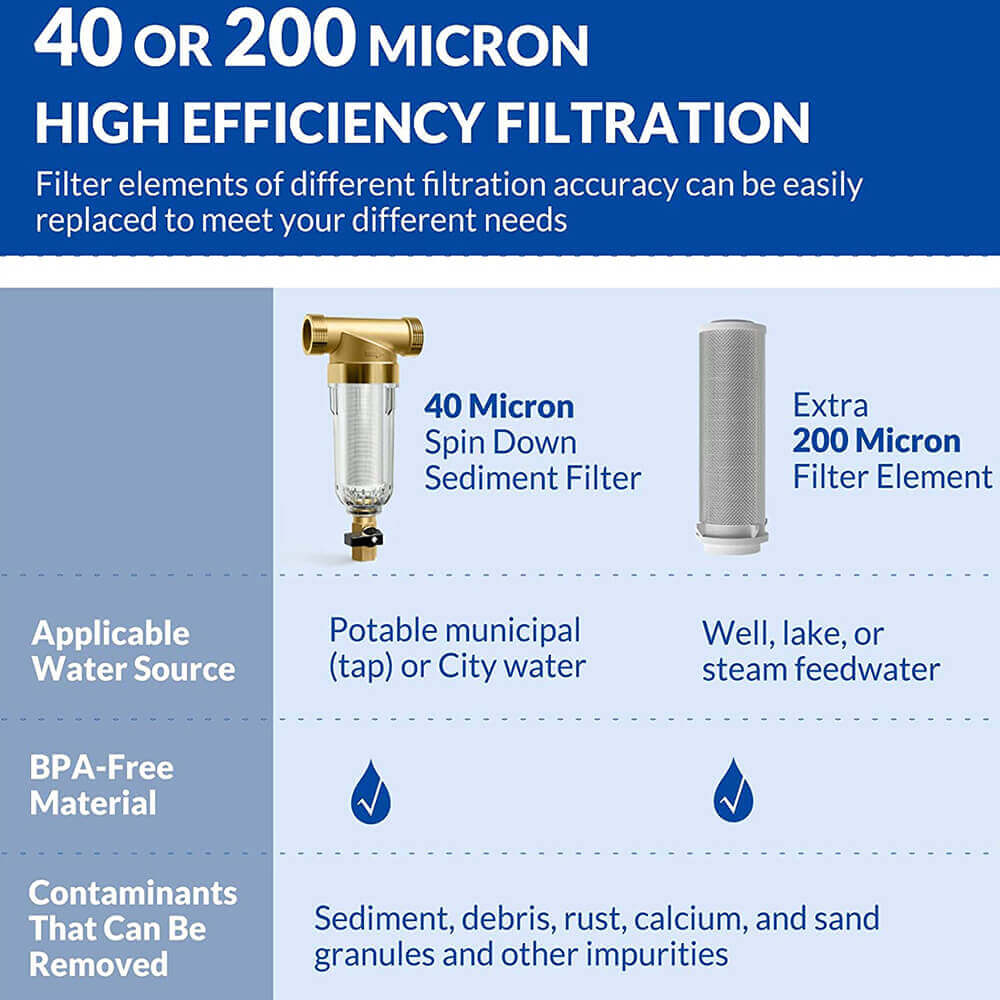
Spin-down Pre-filters
Spin-down filters catch large debris before finer filtration. They spin out sand and heavy particles. This reduces clogging in other filters. Installing a spin-down filter extends the life of your main filter system.
Polypropylene String-wound Filters
String-wound filters trap dirt and rust effectively. They have multiple layers for thorough filtration. These filters are affordable and easy to replace. Great for well water with lots of sediment and particles.
Cost And Value Considerations
Choosing the right micron filter for well water involves balancing cost and value. A filter might be cheap but need frequent replacement. Another might cost more upfront but last longer and work better. Understanding these factors helps you make a smart choice.
Initial Purchase Price
The cost of a micron filter varies by size and type. Smaller filters often cost less but may not handle large water volumes. Larger or advanced filters have higher prices but offer better performance. Think about your budget and water needs.
Replacement And Maintenance Costs
Filters need regular changes to work well. Some filters have affordable cartridges, while others use pricey replacements. Check how often you must replace the filter parts. Maintenance costs add up over time.
Filter Longevity And Durability
Long-lasting filters save money in the long run. Durable filters resist damage and clogging. They reduce the need for frequent replacements. Investing in a sturdy filter offers better value.
Water Quality Improvement
Filters with smaller micron ratings remove more particles. Cleaner water protects your plumbing and appliances. Better water quality means fewer repairs and health risks. Value comes from effective filtration, not just low cost.
Energy And Water Waste
Some filters use more water or energy to operate. Efficient filters minimize waste and lower utility bills. Consider these hidden costs when choosing your filter. Efficient models often offer better overall value.
Tips For Maximizing Filter Performance
Maximizing the performance of your micron filter is key to clean and safe well water. Small steps can make a big difference in how well your filter works. These tips help you keep your filter efficient and extend its life.
Regularly Replace The Filter Cartridge
Change the filter cartridge as often as the manufacturer suggests. A clogged filter cannot remove particles effectively. Frequent replacement keeps water flowing smoothly and clean.
Clean The Filter Housing
Open and clean the filter housing when replacing the cartridge. Dirt and sediment build-up reduce filter efficiency. Use a mild soap and rinse well to avoid chemical residue.
Check Water Pressure Consistently
Low water pressure can mean a dirty or clogged filter. Test pressure monthly to catch issues early. Proper pressure ensures your filter works at its best.
Install A Pre-filter For Large Particles
Use a pre-filter to remove large debris before the micron filter. This step prevents quick clogging and damage. It helps maintain steady water flow and prolongs filter life.
Monitor Water Quality Regularly
Test your well water for changes in sediment and contaminants. Sudden changes might need a filter upgrade or extra treatment. Keep track to adjust your filtration system as needed.
Protect The Filter From Freezing
Freezing can crack the filter and reduce performance. Insulate the filter housing in cold weather. Keep your system safe and working all year.
Frequently Asked Questions
What Micron Filter Size Is Best For Well Water?
A 5-micron filter is ideal for well water. It effectively removes sediment, dirt, and rust particles, ensuring cleaner water.
How To Choose Micron Filter For Well Water?
Choose a filter based on water quality and sediment size. Test water first, then select 1-5 micron filters for best results.
Can A 1 Micron Filter Improve Well Water Quality?
Yes, a 1 micron filter removes finer particles and some bacteria, enhancing well water purity and taste.
Why Use A 10 Micron Filter For Well Water?
A 10 micron filter captures larger sediment like sand and debris. It protects plumbing and extends filter life.
Conclusion
Choosing the right micron filter keeps your well water clean and safe. Smaller micron sizes catch more dirt and particles. Think about your water needs and filter type carefully. Regular filter changes help maintain good water quality. Clean water protects your health and home.
A good micron filter saves money on repairs and illness. Trust your judgment and check water test results often. Clear, fresh water feels better every day. Simple steps lead to safer drinking water.

Hasan Al Sarker is a Reverse Osmosis Specialist. He has worked for many years to ensure safe drinking water for all. His research paper has been published in several journals, including Issue, Medium, and Slideshare. He is recognized as a water doctor among specialists though he did not attend medical college.
Besides working as a researcher of reverse osmosis technology, he is also very fancy with the kitchen and cooking. His guides are reading thousands of people every day. As a head of content, he is responsible for all the published articles at RO System Reviews.