Are you struggling to find the right micron filter size for your well water? Choosing the correct filter can make a huge difference in the quality and safety of the water you use every day.
If your water tastes off, looks cloudy, or leaves residue, the problem might be the filter size. But how do you know which micron rating is best for your well? You’ll discover exactly what size micron filter you need to protect your home and family.
Keep reading to make sure your well water is clean, clear, and safe.
Micron Filters Basics
Micron filters help clean well water by removing tiny particles. These filters protect your home and improve water quality. Understanding how micron filters work is key to choosing the right one.
Micron filters come in different sizes and types. Each type serves a special purpose. Knowing the basics can save you money and keep your water safe.
What Micron Rating Means
Micron rating shows the size of particles a filter can remove. It is measured in microns. One micron equals one-millionth of a meter. Smaller micron numbers mean finer filtration.
For example, a 5-micron filter removes particles bigger than 5 microns. It lets smaller particles pass through. Lower micron ratings catch more dirt and debris.
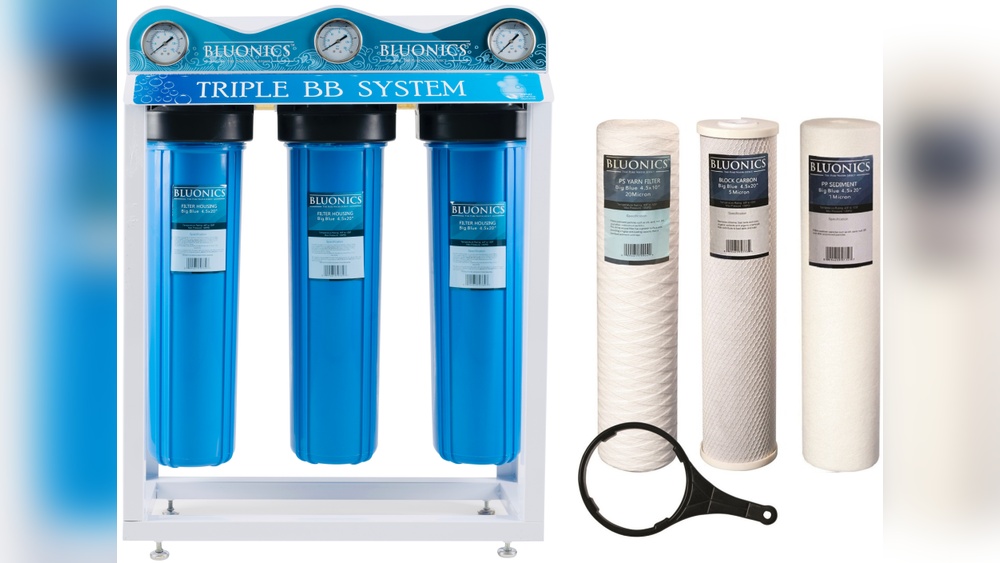
Types Of Micron Filters
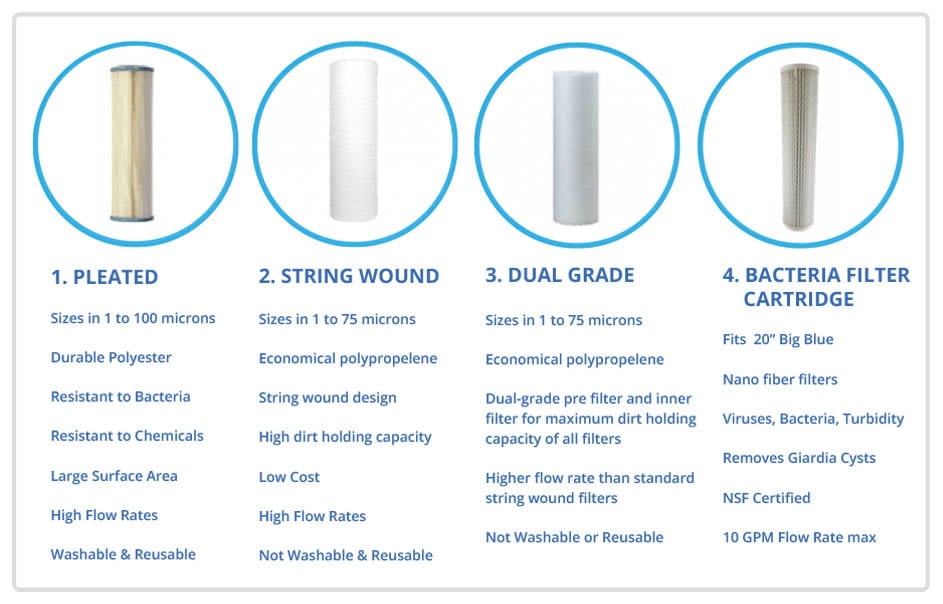
Several types of micron filters exist for well water. The most common are sediment filters and pleated filters. Sediment filters trap large particles like sand and rust.
Pleated filters have folded material for more surface area. They filter smaller particles and last longer. Carbon filters can also have micron ratings and remove chlorine and odors.
Choosing the right type depends on your water quality and needs.
Common Contaminants In Well Water
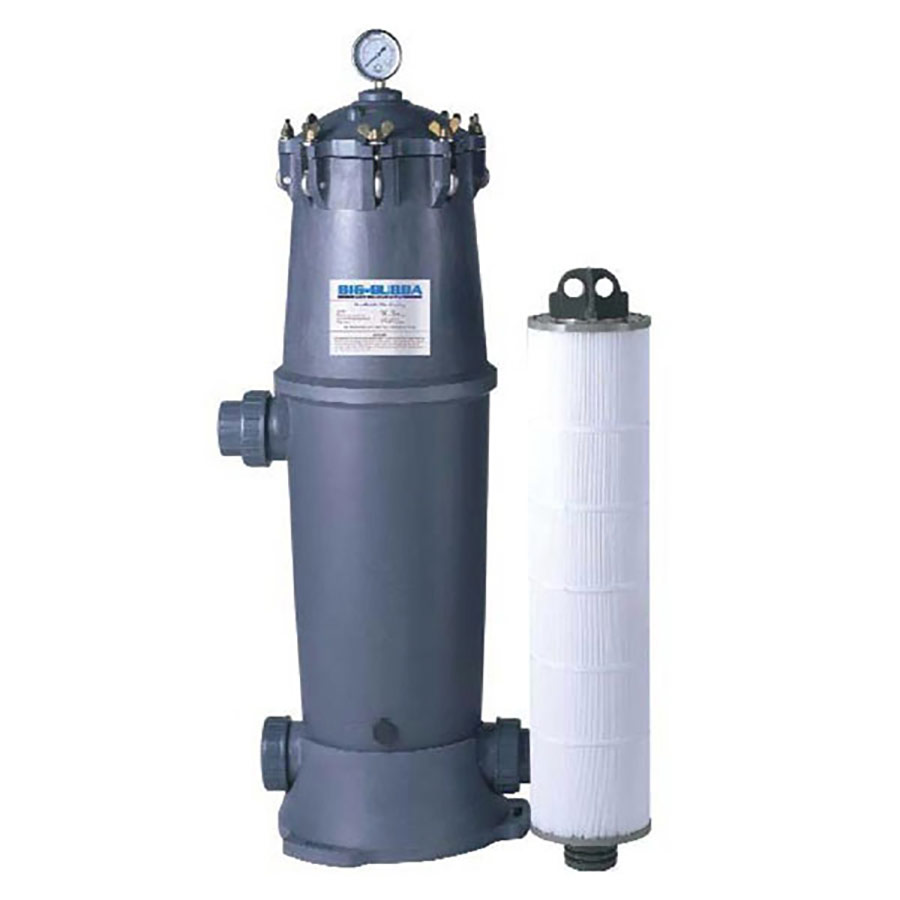
Well water often contains several types of contaminants. These affect water quality and safety. Knowing common contaminants helps choose the right micron filter size. Filters remove particles based on their size. Understanding what is in well water guides filter selection.
Sediment And Particulates
Sediment includes sand, dirt, and rust. These particles are visible to the eye. They can clog pipes and damage appliances. Sediment size varies but often ranges from 10 to 50 microns. A filter with 20 to 50 microns removes most sediment. Smaller particles require finer filters.
Bacteria And Microorganisms
Bacteria and microorganisms are tiny and invisible. They include harmful germs that cause illness. Filters need to be very fine to catch these. Micron sizes of 1 or less can remove bacteria. Some filters use special materials to kill germs.
Chemical Impurities
Chemicals like pesticides and fertilizers can enter well water. These are dissolved and not visible. Filters cannot remove all chemicals by size alone. Activated carbon filters help reduce many chemicals. Combining filter types often gives the best result.
Choosing The Right Micron Size
Choosing the right micron size for your well water filter is important. The micron size controls what particles the filter can remove. It affects water clarity, taste, and safety. Picking a proper size helps protect your plumbing and appliances from damage. It also ensures cleaner water for drinking and cooking.
Different well water sources need different micron sizes. Knowing the water condition guides your choice. Understanding the micron ratings helps you remove the right contaminants. This section explains key factors and common micron ratings for well water filters.
Factors Affecting Filter Size
Water quality varies by location and well depth. Some wells have large sand or dirt particles. Others contain tiny silt or clay. The type and size of particles affect the micron filter needed. Water testing shows what particles are present.
Flow rate matters too. Smaller micron filters slow down water flow. Larger micron filters allow faster flow but remove fewer particles. Your household water use helps decide the right balance. Pipe size and pump strength also influence filter size.
Micron Ratings For Sediment Removal
Sediment includes sand, dirt, and rust particles. These can damage appliances and clog pipes. Filters rated 20 to 50 microns remove larger particles effectively. For finer sediment, 5 to 10 micron filters work better. A 1 micron filter catches very small sediment but may reduce flow rate.
Choosing the right sediment filter size keeps water clear. It protects water heaters, faucets, and washing machines. Regular filter changes ensure continued sediment removal.
Micron Ratings For Bacteria Filtration
Bacteria are much smaller than sediment. They often require filters rated 1 micron or less. Some filters use special materials to trap bacteria. Others combine filtration with UV or chemical treatments.
Filters rated 0.5 to 1 micron reduce bacteria risks. They improve water safety for drinking and cooking. Always test water for bacteria before choosing these filters. Proper maintenance keeps bacterial filters effective.
Filter Material And Durability
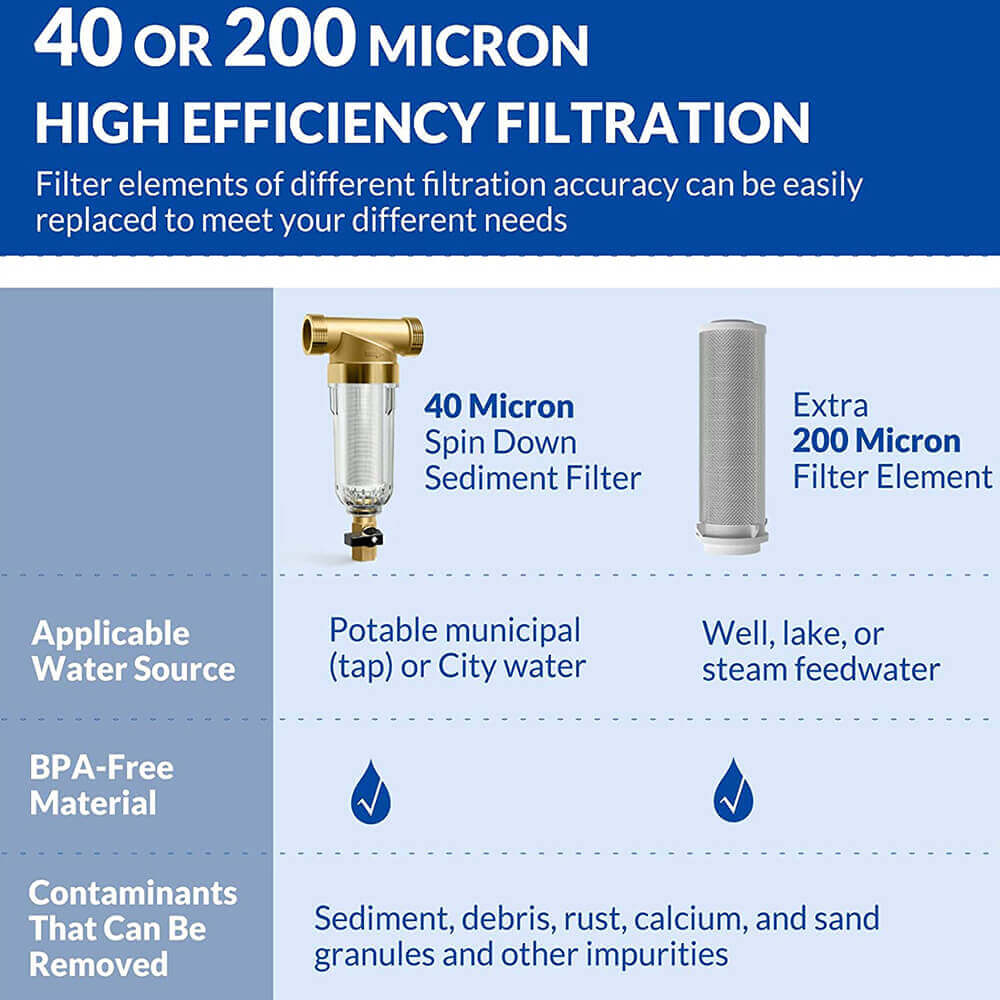
Choosing the right filter material affects how well your well water filter works. It also impacts how long the filter lasts. Durability is key for a filter that keeps your water clean without frequent changes. Different materials offer different strengths and weaknesses. Understanding these helps you pick the best filter for your needs.
Polypropylene Vs. Pleated Filters
Polypropylene filters are made from a solid plastic material. They trap dirt by blocking particles in their tight fibers. These filters handle dirt well and are good for removing sediment. Polypropylene filters are usually less expensive and simple to use.
Pleated filters have a folded design that increases surface area. They catch more particles without clogging quickly. Pleated filters often last longer and clean water better. They work well for removing fine particles in well water.
Lifespan And Maintenance
Polypropylene filters need changing more often. Dirt builds up and reduces water flow faster. Changing them every 3 to 6 months is common. Pleated filters can last longer, sometimes up to a year. They need less frequent replacement, saving time and money.
Regular cleaning helps pleated filters perform better. Polypropylene filters are usually disposable. Keeping your filter clean means better water quality and longer filter life. Check your filter often to avoid problems.
Installation Tips For Well Water Filters
Installing a well water filter needs careful planning. This ensures the filter works well and lasts long. Proper setup helps keep your water clean and safe. Follow these tips for a smooth installation process.
Pre-filtration Needs
Check your water before installing the filter. Test for dirt, sand, or rust. These particles can clog your filter quickly. Use a sediment filter to catch large particles first. This step protects your main filter. It also improves water flow and filter life.
Placement And Flow Rate Considerations
Choose a spot with easy access for maintenance. The filter should be near the main water line. Avoid places with temperature extremes or direct sunlight. Keep the filter upright for best performance. Match the filter size with your water flow rate. A filter too small slows water and clogs fast. A larger filter handles more water and lasts longer.
Signs You Need To Change Your Filter
Knowing when to change your well water filter is important. A clogged filter can cause problems. It stops working well and might not clean your water properly. Watch for signs that tell you it’s time to replace the filter. These signs help keep your water safe and fresh.
Reduced Water Flow
Water flows slower than usual. You notice less water coming from your taps. This happens because the filter is full of dirt and debris. The filter blocks the water, making it hard to pass through. Changing the filter restores normal water flow and pressure.
Unusual Water Taste Or Odor
Your water tastes strange or smells bad. This can mean the filter no longer cleans the water well. Contaminants build up and affect the water’s smell and taste. Replacing the filter improves water quality and makes it safe to drink again.
Additional Water Treatment Options
Choosing the right micron filter is important for well water. Still, other treatments help make water safer and better. These options remove or reduce different problems. They work well with filters to improve water quality.
Uv Purifiers
UV purifiers use ultraviolet light to kill bacteria and viruses. This method does not add chemicals to water. It helps keep water clean and safe to drink. UV purifiers need electricity to work. They are good for water with germs or microbes. Using a UV purifier after a filter gives extra protection.
Water Softeners
Water softeners remove hard minerals like calcium and magnesium. Hard water can cause spots on dishes and damage pipes. Softeners replace these minerals with sodium or potassium. This makes water gentler on skin and appliances. Soft water also helps soap work better. Using a water softener with a micron filter improves water quality greatly.
Frequently Asked Questions
What Micron Filter Size Is Best For Well Water?
A 5-micron filter is commonly ideal for well water. It effectively removes sediment, rust, and dirt while preserving water flow. For finer contaminants, a 1-micron filter may be used, but it requires more frequent replacement.
How To Choose The Right Micron Filter For Well Water?
Test your water for sediment and particle size first. Choose a filter size that captures the largest contaminants. Typically, 5-micron filters suit most well water systems for balanced filtration and flow rate.
Can A 1-micron Filter Improve Well Water Quality?
Yes, a 1-micron filter removes smaller particles like cysts and bacteria. It improves water clarity and safety but may reduce flow rate. Regular maintenance is essential to avoid clogging.
Why Not Use Too Small Micron Filters For Well Water?
Using very small micron filters can clog quickly. This reduces water pressure and increases filter replacement frequency. Choose a size that balances filtration efficiency and flow rate.
Conclusion
Choosing the right micron filter size helps keep well water clean and safe. Smaller filters catch tiny particles but may slow water flow. Larger filters allow faster flow but let some debris pass through. Balance is key for good water quality and pressure.
Test your water to know what size works best. Regular filter changes keep your system running well. Clear, clean water starts with the right filter choice. Simple steps lead to better water every day.

Hasan Al Sarker is a Reverse Osmosis Specialist. He has worked for many years to ensure safe drinking water for all. His research paper has been published in several journals, including Issue, Medium, and Slideshare. He is recognized as a water doctor among specialists though he did not attend medical college.
Besides working as a researcher of reverse osmosis technology, he is also very fancy with the kitchen and cooking. His guides are reading thousands of people every day. As a head of content, he is responsible for all the published articles at RO System Reviews.