You rely on your Zero Water filter to give you clean, great-tasting water every day. But how do you know when it’s time to replace that filter?
Using a worn-out filter can affect the quality of your water and even harm your health. If you want to keep enjoying pure water without any guesswork, this guide will help you spot the signs and understand exactly when to swap out your Zero Water filter.
Keep reading to make sure you never miss the perfect moment for a fresh filter.
Signs Filter Needs Replacement
The Zero Water filter works hard to give clean, fresh water. Over time, the filter wears out and needs replacing. Knowing the signs helps keep your water safe and tasty. Watch for these clear signals that your filter needs a change.
Changes In Water Taste
Fresh water should taste clean and clear. A bitter or odd taste means the filter is no longer effective. The filter may not remove all impurities anymore. Notice a strange flavor? It’s time to replace the filter.
Slow Water Flow
Water should pour smoothly from your Zero Water pitcher. If water slows down or drips slowly, the filter is clogged. Dirt and particles block water flow. Slow water means the filter is full and needs changing.
Filter Life Indicator Alerts
Many Zero Water pitchers have a filter life meter. This meter shows when the filter is still good or must be changed. When the meter turns red or shows “replace,” listen to the warning. Follow the indicator to keep water pure.
Visible Filter Discoloration
Look at the filter inside your pitcher. A new filter is white or light-colored. Dark or brown stains mean it trapped a lot of dirt. This visible change shows the filter is used up. Replace it to keep water clean and fresh.
Factors Affecting Filter Lifespan
Understanding the factors that affect the lifespan of your Zero Water filter helps maintain water quality. The filter’s life depends on several key elements. These elements influence how often you need to replace the filter. Paying attention to these factors extends the filter’s efficiency and ensures safe drinking water.
Water Quality And Contaminants
The quality of water affects how quickly the filter clogs. High levels of impurities make the filter work harder. More particles and chemicals block the filter faster. Hard water with minerals or water with heavy metals shortens filter life. Cleaner water lets the filter last longer.
Usage Frequency
The more you use the filter, the faster it wears out. Daily use filters need replacement sooner than occasional use. Family size and water consumption impact the filter’s lifespan. Heavy use means changing the filter more often. Light use allows the filter to last its full capacity.
Filter Model Variations
Different Zero Water filter models have varying capacities. Some filters are designed for larger volumes of water. Others suit smaller pitchers or dispensers. Always check the specific model’s lifespan guidelines. Using the right filter for your device ensures better performance and longevity.
How To Check Zero Water Filter
Knowing how to check your Zero Water filter is key to clean water. The filter removes impurities, but it loses power over time. Testing the filter helps keep your water safe and fresh. Here are simple steps to check your Zero Water filter’s condition.
Using Tds Meter
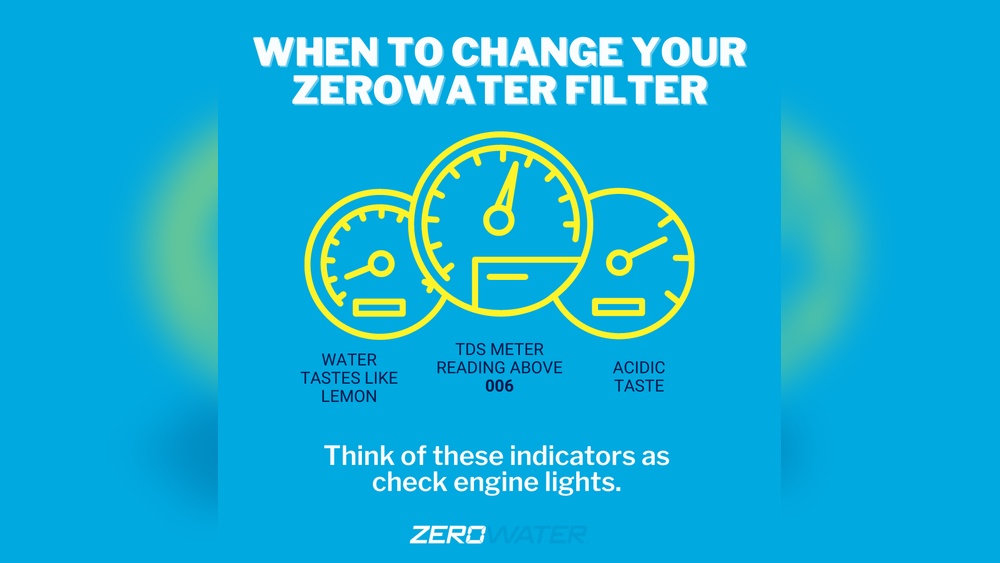
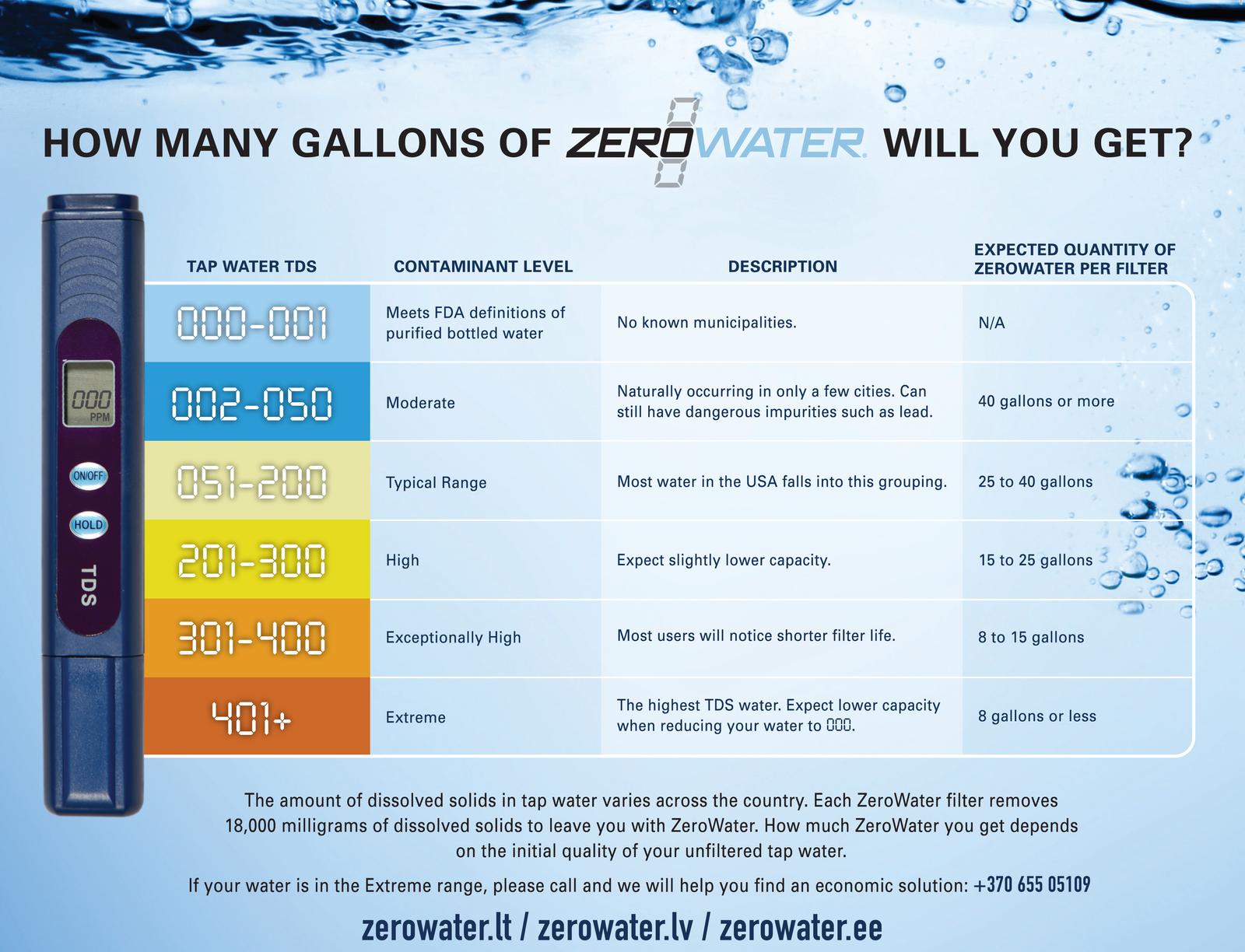
A TDS meter measures total dissolved solids in water. Lower numbers mean cleaner water. Test the water before and after filtering. If the after-filter reading is high, the filter is weak. Replace the filter when numbers rise above 006 ppm.
Visual Inspection Tips
Look at the filter for color changes. A dark or brown filter signals it is clogged. Check for any cracks or damage. Dirty filters may also have a bad smell. These signs mean the filter should be replaced soon.
Following Manufacturer Guidelines
Zero Water provides clear instructions on filter life. Follow the recommended time or volume limit. Most filters last about 40 gallons or two months. Using the filter longer may reduce water quality. Always check the user manual for exact details.
Tips For Extending Filter Life
Extending the life of your Zero Water filter saves money and ensures clean water longer. Simple habits and small steps help keep the filter working well. These tips make a big difference for your filter’s lifespan.
Pre-filtering Hard Water
Hard water contains minerals that clog filters faster. Using a pre-filter reduces these minerals before water reaches your Zero Water filter. This step lowers the strain on the filter and helps it last longer. A simple pre-filter can be installed or use water softeners.
Regular Cleaning Of Pitcher
Cleaning the pitcher regularly stops dirt and bacteria buildup. Wash the pitcher with warm, soapy water every week. Avoid harsh chemicals that might damage the plastic. Clean parts keep water fresh and help the filter work better over time.
Proper Storage Practices
Store your pitcher in a cool, dry place when not in use. Avoid direct sunlight, which can cause algae growth inside the pitcher. Always keep the lid closed to prevent dust and dirt from entering. Proper storage protects the filter and pitcher from damage.
Replacing The Filter Step-by-step
Replacing the Zero Water filter is easy and keeps your water fresh. Follow these clear steps to change your filter safely and quickly. Each step is important for the best water quality. Take your time and follow along.
Removing The Old Filter
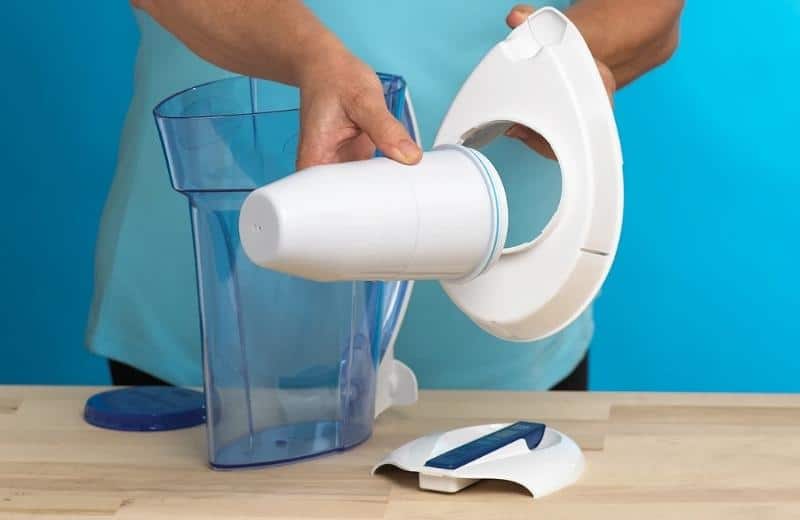
First, remove the pitcher lid. Hold the filter base firmly. Twist the old filter counterclockwise. Pull it out gently from the reservoir. Avoid spilling water. Dispose of the used filter properly.
Installing The New Filter
Take the new filter out of its packaging. Soak it in water for 5 minutes. This removes trapped air inside the filter. Place the new filter into the reservoir. Twist it clockwise until it fits tightly. Make sure it seals well to avoid leaks.
Resetting The Indicator
Replace the pitcher lid. Find the filter indicator button. Press and hold it for 5 seconds. The light will turn green or reset. This shows the new filter is ready. Track filter life with this indicator for best results.

Frequently Asked Questions
How Often Should I Replace My Zero Water Filter?
Replace your Zero Water filter every 2 to 3 months. It depends on your water usage and quality. Check the TDS meter reading to know when it’s time for a change.
What Indicates My Zero Water Filter Needs Replacement?
A high TDS reading above 006 on the meter signals replacement. Also, slow water flow or a strange taste means the filter is exhausted.
Can I Extend The Life Of My Zero Water Filter?
You can extend filter life by pre-filtering water or using it only for cold water. Avoid filtering hot or chemically treated water to preserve filter longevity.
What Happens If I Don’t Replace The Zero Water Filter Timely?
Delaying replacement reduces water quality and filter efficiency. Contaminants may pass through, affecting taste and safety. Timely replacement ensures clean, pure drinking water.
Conclusion
Replacing your Zero Water filter at the right time keeps water clean. Watch for slow flow or bad taste. These signs mean the filter needs changing. Regular replacement protects your health and saves money. Check the filter’s meter often for accurate timing.
Clean water helps your family stay healthy every day. Don’t wait too long; act as soon as you notice changes. This simple step ensures fresh, pure water at all times. Stay safe and enjoy better water with timely filter changes.

Hasan Al Sarker is a Reverse Osmosis Specialist. He has worked for many years to ensure safe drinking water for all. His research paper has been published in several journals, including Issue, Medium, and Slideshare. He is recognized as a water doctor among specialists though he did not attend medical college.
Besides working as a researcher of reverse osmosis technology, he is also very fancy with the kitchen and cooking. His guides are reading thousands of people every day. As a head of content, he is responsible for all the published articles at RO System Reviews.