If you rely on well water, you know how important it is to keep it clean and safe. But where exactly should you install a sediment filter to protect your water system?
Placing the filter in the right spot can save you money, prevent damage, and ensure better water quality for your home. You’ll discover the best location to install a sediment filter so you get the most out of your well water system.
Keep reading—your water’s clarity and your peace of mind depend on it.
Purpose Of Sediment Filters
Sediment filters play a vital role in treating well water. They remove dirt, sand, rust, and other particles. These filters help keep water clean and safe for daily use. Installing them correctly improves the whole water system’s performance.
Protecting Plumbing Systems
Sediment filters stop particles from reaching pipes and appliances. These particles can cause clogs and damage over time. By filtering out sediments, the pipes last longer. This reduces the need for costly repairs. Appliances such as water heaters and dishwashers also work better with clean water.
Improving Water Quality
Removing sediments makes water clearer and more pleasant to use. It helps prevent stains on sinks and clothes. Clean water tastes better and feels smoother on the skin. Sediment filters also reduce cloudiness in water. This makes the water safer for drinking and cooking.

Common Sediment Filter Types
Sediment filters remove dirt, sand, and rust from well water. They protect plumbing and appliances. Choosing the right type helps keep water clean and clear. Common sediment filters come in three main types. Each has unique features and uses. Learn about spin-down, cartridge, and backwashing filters below.
Spin-down Filters
Spin-down filters use a spinning action to remove large particles. Water enters a cylindrical chamber, where dirt spins to the bottom. Users clean the filter by flushing out trapped sediment. These filters last long and need little maintenance. They work best as a first filter in well water systems.
Cartridge Filters
Cartridge filters use replaceable filter cartridges to trap particles. They come in different sizes and micron ratings. Fine cartridges remove tiny sediment, while coarse ones catch larger debris. These filters are easy to install and replace. They suit homes with moderate sediment levels in well water.
Backwashing Filters
Backwashing filters clean themselves by reversing water flow. Dirt and particles wash out into a drain automatically. They have longer filter life and require less manual cleaning. These filters handle heavy sediment loads well. Ideal for homes with high sediment in well water.
Ideal Locations For Installation
Choosing the right spot for your sediment filter is key to clean well water. Proper placement helps protect your plumbing and appliances from dirt and particles. It also extends the life of your filter and keeps your water clear.
Below are the best places to install a sediment filter in your well water system.
Right After The Well Pump
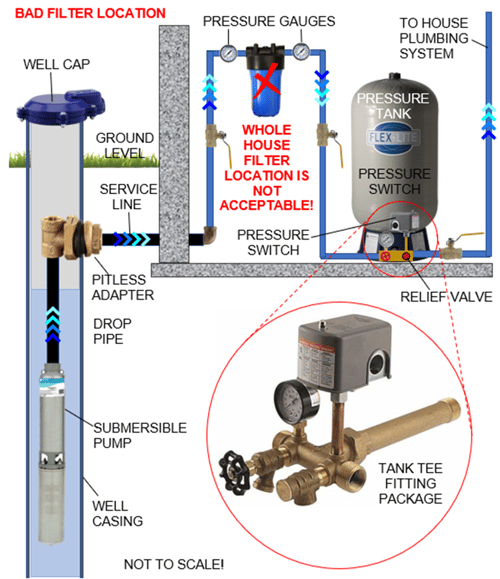
Installing the filter right after the well pump stops dirt early. It catches large particles before they enter the system. This protects pipes and the pressure tank from damage. The filter works best here because water pressure is high.
Before The Pressure Tank
Placing the filter before the pressure tank keeps sediments out of the tank. This prevents buildup and corrosion inside the tank. It also helps maintain steady water pressure. The filter removes particles that could cause problems later.
Near The Main Water Line Entry
Installing the filter near the main water line entry protects the whole home. It filters all water before it reaches taps and appliances. This location ensures clean water for drinking, cooking, and cleaning. It also helps avoid clogs in pipes throughout the house.
Installation Tips And Best Practices
Installing a sediment filter for well water needs careful planning. Proper setup helps the filter work well and last longer. Follow these tips and best practices to get the best results. Focus on easy maintenance, correct fittings, and steady water flow.
Ensuring Easy Access For Maintenance
Place the filter where you can reach it without trouble. Leave enough space around it for cleaning or changing parts. Avoid tight spots or places with hard access. Easy access saves time and effort during upkeep.
Using Proper Pipe Fittings
Use fittings that match the filter size and type. Tight connections prevent leaks and keep pressure steady. Avoid using old or damaged fittings. Choose durable materials like brass or PVC for long life.
Avoiding Pressure Drops
Install the filter in a straight pipe section. Avoid sharp bends or narrow pipes before and after the filter. Large pipes help keep water pressure steady. Check the filter’s flow rate to match your water demand.
Signs You Need To Adjust Filter Placement
Knowing the right place to install a sediment filter for well water is important. Sometimes, the filter may not work well if it is in the wrong spot. Watch for signs that show you need to change the filter’s position. These signs help keep your water clean and your system running smoothly.
Persistent Sediment In Water
Finding small dirt or sand in your water is a clear sign. The filter might not catch all the sediment if placed too far from the well. Sediment in water can cause damage to pipes and appliances. Move the filter closer to the water source for better cleaning.
Reduced Water Pressure
Low water pressure can mean the filter is blocking the flow. This often happens if the filter sits after a long pipe or many bends. The water has to push too hard to get through. Changing the filter location can help keep good pressure.
Frequent Filter Clogging
Clogging happens when the filter collects too much dirt quickly. This may mean the filter is too close to the well or in a bad spot. A clogged filter needs more cleaning or replacement. Adjust the filter place to reduce clogging and save time.
Maintenance And Replacement Guidelines
Maintaining your sediment filter is essential for clean well water. Proper care keeps the filter working well and extends its life. Knowing when to clean and replace parts helps avoid water problems. Check the filter often to catch issues early.
Cleaning Frequency
Clean the sediment filter every 3 to 6 months. This stops dirt buildup and keeps water flow steady. If your well water has more dirt, clean it more often. Use clean water to rinse the filter screen or cartridge. Avoid harsh chemicals that can damage the filter.
Filter Cartridge Replacement
Replace the filter cartridge every 6 to 12 months. Some cartridges may last longer, depending on water quality. Look for signs like low water pressure or cloudy water to know when to change it. Always use the right cartridge size and type for your system.
Monitoring System Performance
Watch your water quality and pressure regularly. A drop in pressure might mean the filter is clogged. Cloudy or bad-tasting water signals a need for maintenance. Keep a log of cleaning and replacements to track filter health over time.
Additional Filtration Options For Well Water
Well water often contains various impurities. A sediment filter removes dirt and sand. But other contaminants may need extra treatment. Additional filtration options improve water quality and protect plumbing. These filters target specific problems in well water. Choosing the right filter depends on your water’s condition.
Iron Filters
Iron is common in many wells. It causes stains and bad taste. Iron filters remove iron from water. They use oxidation or filtration methods. These filters prevent rusty water and damage. Installing an iron filter helps keep water clear.
Water Softeners
Hard water has high minerals like calcium and magnesium. It causes scale buildup on pipes and appliances. Water softeners remove these minerals. They replace hardness with sodium or potassium. Soft water feels better on skin and hair. It also improves soap and detergent efficiency.
Uv Purifiers
Well water can contain bacteria and viruses. UV purifiers use ultraviolet light to kill germs. This process does not add chemicals. UV purification provides safe drinking water. It is ideal for disinfecting well water. Regular maintenance ensures the system works well.

Frequently Asked Questions
Where Should I Install A Sediment Filter For Well Water?
Install the sediment filter right after the well pump. This placement protects your plumbing and appliances from sediment damage. It ensures cleaner water enters your home, improving water quality and system longevity.
Can A Sediment Filter Be Installed Inside The House?
Yes, it can be installed inside, typically near the pressure tank. This location allows easy maintenance and filter replacement. However, installing it outside, close to the well, can prevent sediment buildup in pipes.
How Often Should I Replace My Well Water Sediment Filter?
Replace your sediment filter every 3 to 6 months. Frequency depends on water quality and sediment levels. Regular replacement maintains efficient filtration and prevents clogging, ensuring clean water flow.
Does Installing A Sediment Filter Improve Well Water Taste?
Yes, it removes sand and particles that affect water taste. Cleaner water feels fresher and reduces unpleasant odors. While not removing all contaminants, it significantly improves water clarity and flavor.
Conclusion
Installing a sediment filter early in your water system protects pipes and appliances. Place it just after the well pump or pressure tank for best results. This setup keeps dirt and particles out of your home water supply. Clean water helps your family stay healthy and your equipment last longer.
Regular filter checks ensure it works well over time. Choose the right spot carefully for effective filtration and easy maintenance. Clear water starts with the right sediment filter placement.

Hasan Al Sarker is a Reverse Osmosis Specialist. He has worked for many years to ensure safe drinking water for all. His research paper has been published in several journals, including Issue, Medium, and Slideshare. He is recognized as a water doctor among specialists though he did not attend medical college.
Besides working as a researcher of reverse osmosis technology, he is also very fancy with the kitchen and cooking. His guides are reading thousands of people every day. As a head of content, he is responsible for all the published articles at RO System Reviews.