
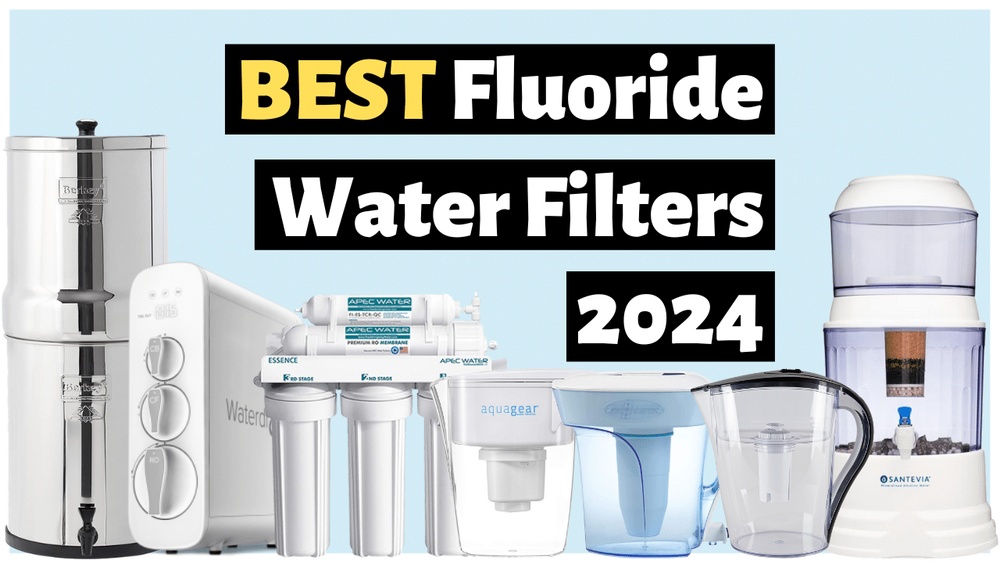
Are you worried about fluoride in your drinking water? You’re not alone.
Many people want to know if their water filter can actually remove fluoride and keep their water safe. Choosing the right filter can be confusing, but it’s important for your health and peace of mind. You’ll discover which water filters truly remove fluoride and how to pick the best one for your home.
Keep reading to protect your family and enjoy cleaner, healthier water every day.

Fluoride In Drinking Water
Fluoride is a mineral found in many water sources. It helps prevent tooth decay but can cause issues if there is too much. Understanding fluoride in drinking water is important for health and safety.
Sources Of Fluoride
Fluoride comes from natural and man-made sources. It occurs naturally in soil, rocks, and water. Some water supplies add fluoride to protect dental health. Industrial pollution can also increase fluoride levels.
Health Effects Of Fluoride
Small amounts of fluoride help keep teeth strong. Too much fluoride can cause dental fluorosis, which changes tooth appearance. High fluoride levels may harm bones and cause other health problems. Monitoring fluoride intake is key to staying healthy.
Types Of Water Filters
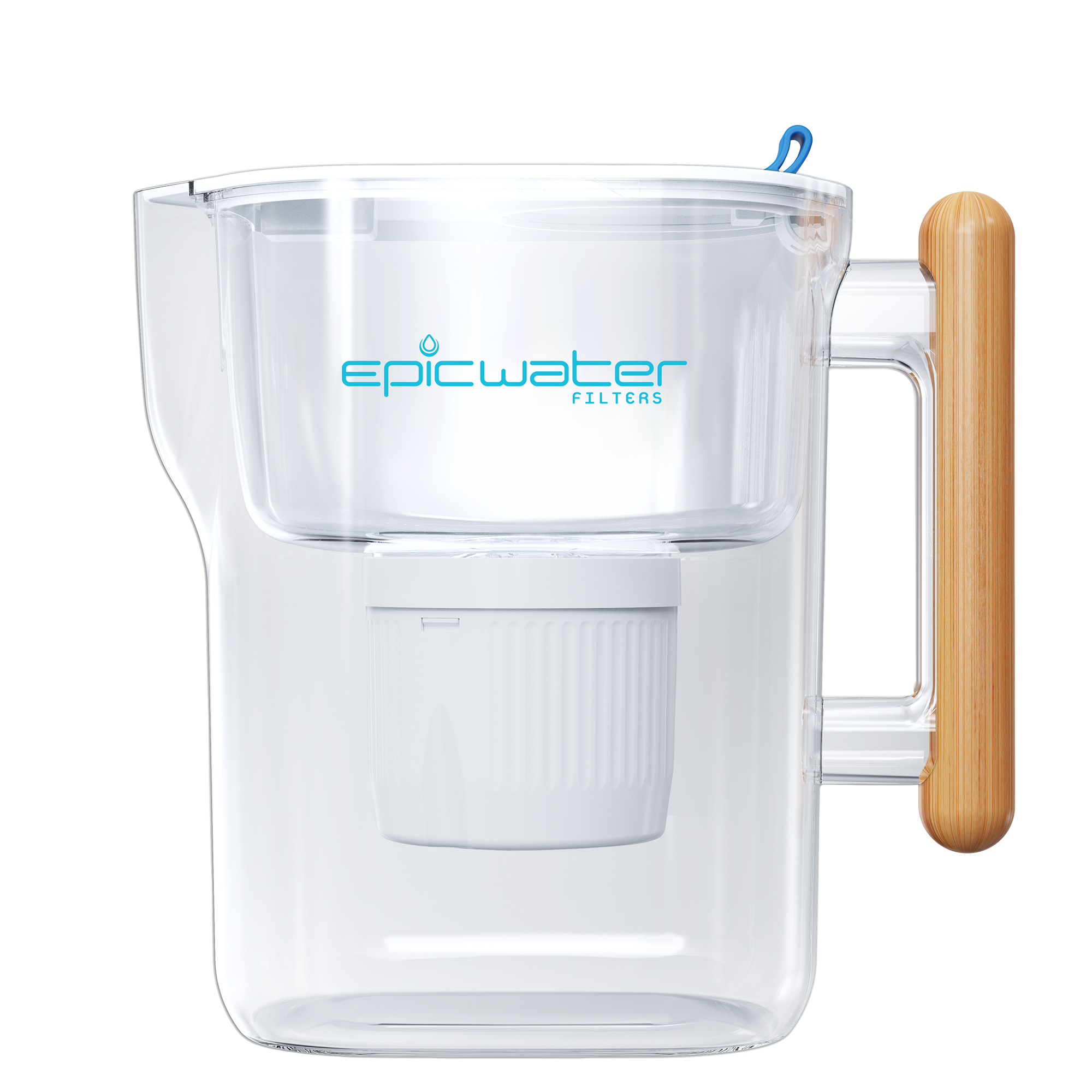
Water filters come in different types. Each type works in its own way to clean water. Some remove chemicals, others remove particles or bad tastes. For fluoride removal, certain filters work better than others. Understanding these types helps you pick the right filter for your needs.
Activated Carbon Filters
Activated carbon filters use charcoal to trap impurities. They remove chlorine and bad odors well. But they do not remove fluoride effectively. These filters improve taste but leave fluoride in water. Good for general use, not for fluoride removal.
Reverse Osmosis Systems
Reverse osmosis systems push water through a fine membrane. This process removes many impurities, including fluoride. These systems are very effective for fluoride removal. They also remove salts, metals, and other chemicals. Often used in homes for clean, safe drinking water.
Distillation Units
Distillation units boil water to create steam. The steam leaves impurities behind, then cools back to water. This method removes fluoride and many other contaminants. It produces very pure water but can be slow. Distilled water may taste flat due to lack of minerals.
Deionizers And Ion Exchange
Deionizers use ion exchange resins to remove minerals from water. They target charged particles like fluoride ions. These systems can reduce fluoride levels but are less common for home use. Often combined with other filters to improve water quality.
Filters That Remove Fluoride
Fluoride is a common chemical found in many water supplies. Some people want to remove it for health or taste reasons. Not all water filters can remove fluoride effectively. Choosing the right filter is important for cleaner water.
Reverse Osmosis Effectiveness
Reverse osmosis (RO) systems use a thin membrane to filter water. This membrane blocks fluoride molecules and other contaminants. RO systems can remove about 85% to 95% of fluoride. They also remove heavy metals and chemicals. Many homes use RO for safe drinking water.
Distillation And Fluoride Removal
Distillation boils water and collects the steam. The steam leaves behind fluoride and other minerals. This method removes nearly all fluoride from water. It also removes bacteria and viruses. Distillation units are easy to use at home. The process is slow but very effective.
Specialized Fluoride Filters
Some filters use activated alumina or bone char to remove fluoride. These materials attract and hold fluoride particles. They can remove up to 90% of fluoride. These filters fit into pitchers or under-sink systems. Check filter specifications to confirm fluoride removal ability.
Choosing The Right Filter
Choosing the right water filter to remove fluoride is important for clean and safe drinking water. Not all filters work the same. Some remove fluoride better than others. Knowing what to check helps you pick the best one for your needs. Consider how well the filter cleans water, the price, and how easy it is to use. This guide will help you make a smart choice.
Filter Efficiency And Certifications
Look for filters that specifically state they remove fluoride. Not all filters do this. Check the efficiency rate. A good filter removes 90% or more fluoride. Certifications from trusted groups show the filter works well. Look for NSF/ANSI Standard 58 or 53 certifications. These prove the filter meets safety and quality rules. Certified filters give more confidence in water safety.
Cost And Maintenance Considerations
Prices vary a lot between filters. Some cost more upfront but last longer. Others are cheaper but need frequent replacement. Factor in the cost of replacement filters. Maintenance is key to keep water clean. Some filters need simple cleaning. Others require changing cartridges regularly. Pick a filter with costs and upkeep you can handle.
Installation And Usage Tips
Some filters are easy to install yourself. Others need a plumber or special tools. Check the installation process before buying. Simple systems fit under the sink or attach to the faucet. Follow manufacturer instructions to use the filter properly. Regularly replace parts to keep fluoride removal effective. Proper use ensures your water stays safe and pure.
Testing Water For Fluoride
Testing water for fluoride is important for health and safety. Fluoride is added to many water supplies. Some people want to know the exact level of fluoride in their water. Testing helps decide if a water filter is needed to remove fluoride.
Water testing shows how much fluoride is in your tap water. It gives clear information about water quality. You can test water at home or use professional services. Both options help you understand your water better.
Home Testing Kits
Home testing kits are easy to use and affordable. They come with clear instructions for testing fluoride levels. You collect a small water sample and add chemicals to it. The color change shows how much fluoride is present. These kits give quick results and help you check water regularly.
Home kits are useful for basic fluoride testing. They may not be as accurate as lab tests. Still, they offer a good starting point for most people.
Professional Testing Services
Professional testing services provide detailed and accurate fluoride analysis. Experts collect water samples and test them in certified labs. They use advanced tools that measure fluoride precisely. These services are best for people who want exact data.
Professional testing can detect even small fluoride amounts. Results come with reports explaining water quality. This helps choose the right water filter to remove fluoride. Professional tests cost more but give trustworthy results.

Frequently Asked Questions
Which Water Filter Effectively Removes Fluoride?
Reverse osmosis filters effectively remove fluoride by pushing water through a semipermeable membrane. Activated alumina filters also reduce fluoride levels. These systems are proven to lower fluoride content, making water safer for consumption.
Can Activated Carbon Filters Remove Fluoride?
Activated carbon filters do not effectively remove fluoride. They mainly target chlorine, odors, and organic compounds. For fluoride removal, specialized filters like reverse osmosis or activated alumina are recommended.
How Does Reverse Osmosis Remove Fluoride?
Reverse osmosis uses a fine membrane to filter out fluoride ions. It forces water through this membrane, leaving fluoride and other contaminants behind. This method typically removes up to 95-99% of fluoride from water.
Are Fluoride Removal Filters Expensive To Maintain?
Fluoride removal filters require periodic maintenance, including membrane or media replacement. Costs vary by filter type and usage but are generally affordable. Proper upkeep ensures consistent fluoride reduction and prolonged filter lifespan.
Conclusion
Choosing the right water filter matters for removing fluoride. Activated alumina and reverse osmosis work well. They help keep your drinking water safe. Testing your water first shows which filter fits best. Clean water supports good health every day. Take action now for better water quality at home.
Simple steps bring peace of mind.

Hasan Al Sarker is a Reverse Osmosis Specialist. He has worked for many years to ensure safe drinking water for all. His research paper has been published in several journals, including Issue, Medium, and Slideshare. He is recognized as a water doctor among specialists though he did not attend medical college.
Besides working as a researcher of reverse osmosis technology, he is also very fancy with the kitchen and cooking. His guides are reading thousands of people every day. As a head of content, he is responsible for all the published articles at RO System Reviews.