Have you ever wondered who invented the water filter that makes your drinking water clean and safe? You might take it for granted every time you turn on the tap or pour a glass.
But the story behind this simple device is fascinating and full of surprising facts. Understanding who created the water filter can change the way you see something so ordinary in your daily life. Keep reading, and you’ll discover the history and the clever minds that made clean water possible for you and millions of others.
Early Methods Of Water Purification
Water has always been vital for human life. Early people knew clean water helped avoid sickness. They found simple ways to make water safer. These early methods of water purification were basic but effective. They set the foundation for modern water filters.
Ancient Techniques Across Civilizations
Many ancient cultures tried to clean water. The Egyptians used cloth to strain water. They believed sunlight helped kill germs. In India, people boiled water to remove dirt and germs. The Greeks used sand and charcoal to purify water. These civilizations shared ideas about clean water.
Natural Filtration Practices
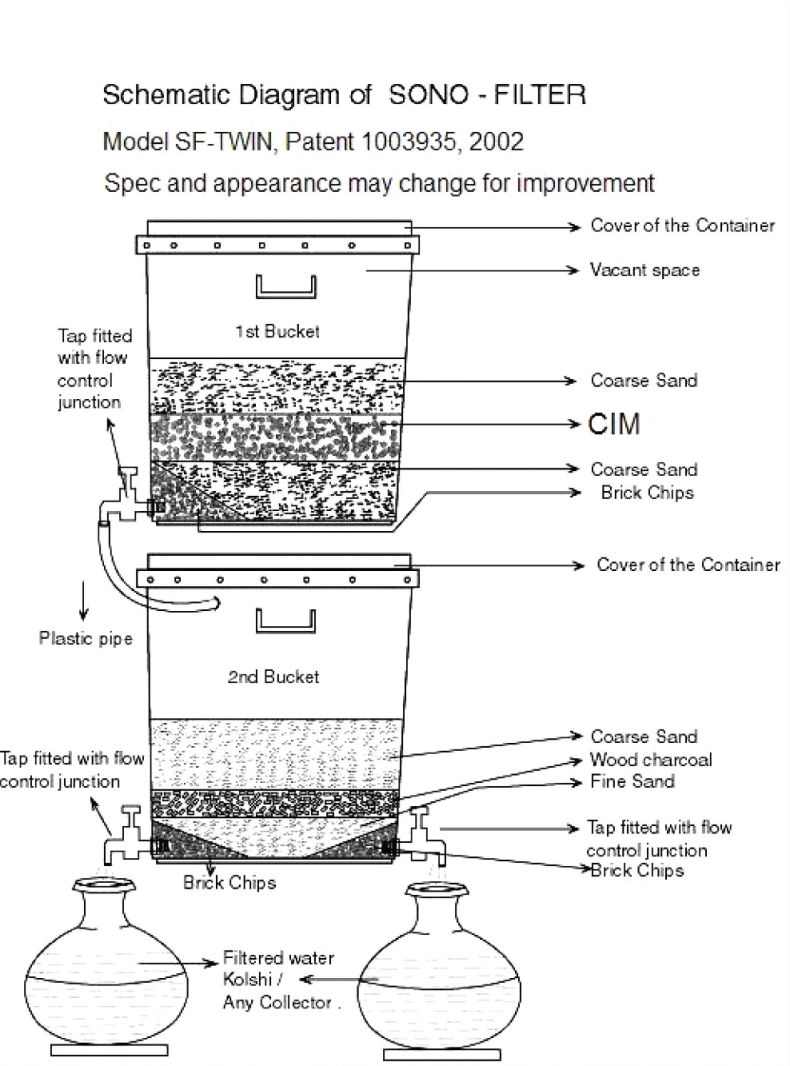
Nature offered easy ways to filter water. Early humans used sand and gravel layers to clean water. Water poured through these layers became clearer. Some used charcoal from burnt wood to remove bad smells. Plants and stones helped trap dirt. These natural methods improved water taste and safety.
Pioneers Of Water Filtration
The story of water filtration began with a few key pioneers. These inventors worked hard to make water safer and cleaner. Their efforts helped reduce diseases caused by dirty water. They laid the foundation for modern water filters. Understanding their contributions shows how far water filtration has come.
Key Inventors And Their Contributions
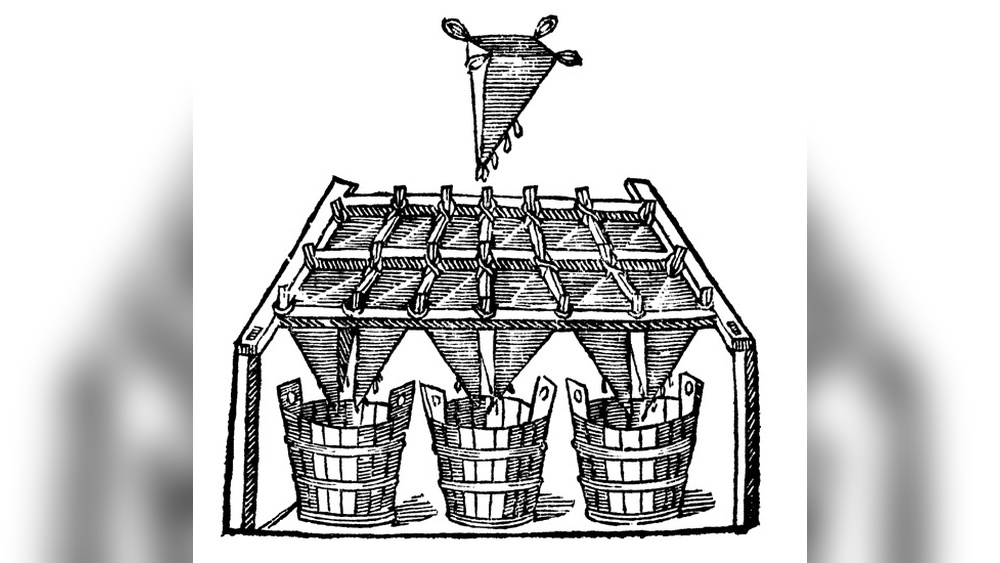
John Wesley was among the first to study water filtration. In the 18th century, he used sand filters to clean water. His work proved that filtered water could reduce sickness. Another important figure was Robert Thom. He built the first slow sand filter in the early 19th century. Thom’s design improved water clarity and safety. These inventors showed that simple methods could save lives.
Innovations In The 19th Century
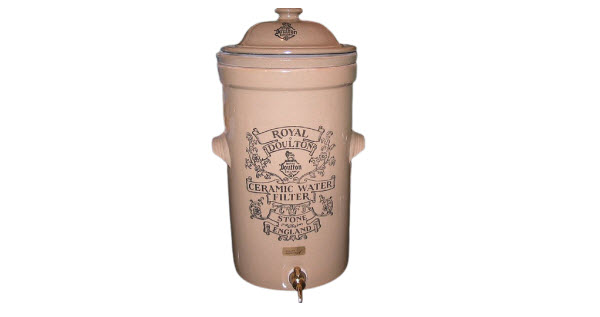
The 19th century brought many new ideas for water filtration. Scientists explored different materials like charcoal and sand. Charles Chamberland invented the porcelain water filter in 1884. This filter removed tiny particles and germs. The development of municipal water systems grew from these advances. Clean water became more available to many people. These innovations shaped the water filters we use today.
Evolution Of Water Filter Technology
Water filters have changed a lot over time. They started simple and grew into complex systems. This evolution helped people get cleaner, safer water. The technology developed step by step with new ideas and science.
Understanding this change shows how important clean water is. It also shows how humans solved water problems over centuries. Let’s explore how water filters moved from basic tools to advanced machines.
From Basic Filters To Advanced Systems
Early water filters used natural materials like sand, charcoal, and cloth. People knew these could remove dirt and some smells. These simple filters helped improve water taste and appearance.
Later, people made better filters with layers and finer materials. These removed smaller particles and some bacteria. Over time, filters became faster and easier to use.
Modern filters use special membranes and chemicals. They can remove germs, chemicals, and heavy metals. Some systems use technology like UV light to kill microbes. These advanced filters provide very clean water for homes and industries.
Role Of Science In Improving Filtration
Science played a big role in filter progress. Chemists and engineers studied water and pollution. They found ways to trap tiny particles and dangerous germs.
Research helped develop new materials like activated carbon and ceramic filters. Scientists also designed membranes that stop viruses and bacteria. Testing made filters safer and more reliable.
Today, science continues to improve filters. New inventions focus on saving energy and removing more pollutants. Science keeps making water filters better for everyone’s health.
Impact On Public Health
The invention of the water filter has had a strong impact on public health. Clean water is essential for life. Before water filters, many people suffered from diseases caused by dirty water. The water filter helped remove harmful particles and germs from drinking water. This invention saved many lives and improved health across the world.
Reduction Of Waterborne Diseases
Water filters help stop the spread of waterborne diseases. These diseases include cholera, typhoid, and dysentery. They cause severe illness and even death. Filtering water removes bacteria, viruses, and parasites. This lowers the chance of getting sick. Communities using water filters show fewer cases of these diseases. It keeps children and adults healthier and stronger.
Access To Safe Drinking Water Worldwide
Water filters make safe drinking water available in many places. Not all areas have clean water sources. Filters provide a way to clean water at home or in public spaces. People in rural and poor areas benefit a lot. Safe water helps prevent illness and supports daily activities. The spread of water filters has made a big difference worldwide. More people can drink water without fear of sickness.
Modern Water Filtration Solutions
Modern water filtration solutions improve water quality for many uses. They remove dirt, chemicals, and germs from water. These filters help keep water safe to drink and use every day.
Today’s filters come in many types. Some fit in homes, while others serve large factories. New technology keeps making filters better and easier to use.
Home And Industrial Filters
Home water filters are small and easy to install. They clean water from taps and pitchers. Many use carbon or ceramic to remove bad taste and odors. Some filter out bacteria and lead.
Industrial filters handle much larger water amounts. They use advanced methods like reverse osmosis and UV light. These filters protect workers and machines. Factories also reduce pollution by cleaning water before release.
Emerging Technologies
New water filter technologies appear regularly. Nanotechnology helps remove tiny particles and viruses. Smart filters can monitor water quality in real time. Some use solar power for clean water in remote areas.
Research also focuses on low-cost, eco-friendly filters. These help communities with limited access to clean water. The future of water filtration looks cleaner and more efficient.

Future Of Water Filtration
The future of water filtration holds many new possibilities. Technology is advancing to make water cleaner and safer for everyone. Scientists and engineers work every day to improve how we remove impurities from water. This progress aims to solve problems like pollution and water scarcity. Clean water is essential for health and life. Better filters will help communities worldwide access safe drinking water easily.
Innovations On The Horizon
New materials are being tested for water filters. Nanotechnology plays a big role in this research. Tiny particles can trap harmful substances more effectively. Smart filters that monitor water quality in real-time are also in development. These filters can send alerts if water becomes unsafe. Portable and low-cost devices are planned to serve remote areas. These advances promise faster, more reliable water cleaning solutions.
Sustainability And Global Challenges
Water filtration must consider environmental impact. Using less energy and fewer chemicals is a priority. Researchers focus on reusable and biodegradable filter materials. This approach reduces waste and pollution. Water scarcity affects many regions around the world. Effective filtration supports sustainable water use and conservation. International efforts aim to provide clean water for all people. Addressing global challenges requires smart, eco-friendly filtration systems.
Frequently Asked Questions
Who Invented The First Water Filter?
The first water filter was invented by Sir Francis Bacon in 1627. He developed a sand filtration method to purify water. This early invention laid the foundation for modern water filtration technologies.
How Did Early Water Filters Work?
Early water filters used natural materials like sand and charcoal. These substances trapped impurities and improved water clarity. This simple method removed particles and some bacteria, making water safer to drink.
When Was The Modern Water Filter Invented?
The modern water filter was invented in the 19th century. John Doulton created the first ceramic filter in 1827. This innovation significantly improved water purification by filtering out harmful pathogens.
Why Is The Invention Of Water Filters Important?
Water filters prevent waterborne diseases by removing contaminants. They provide safe drinking water and improve public health. This invention has saved millions of lives worldwide by reducing water pollution risks.
Conclusion
The invention of the water filter changed how people access clean water. Early inventors laid the foundation for today’s safe drinking water. Their work saved many lives and improved health worldwide. Water filters keep harmful substances out of our water.
Clean water is essential for daily life and well-being. Understanding who invented the water filter helps us value this simple tool. It reminds us how innovation can protect public health. Clean water is a right, thanks to these early inventors.

Hasan Al Sarker is a Reverse Osmosis Specialist. He has worked for many years to ensure safe drinking water for all. His research paper has been published in several journals, including Issue, Medium, and Slideshare. He is recognized as a water doctor among specialists though he did not attend medical college.
Besides working as a researcher of reverse osmosis technology, he is also very fancy with the kitchen and cooking. His guides are reading thousands of people every day. As a head of content, he is responsible for all the published articles at RO System Reviews.