
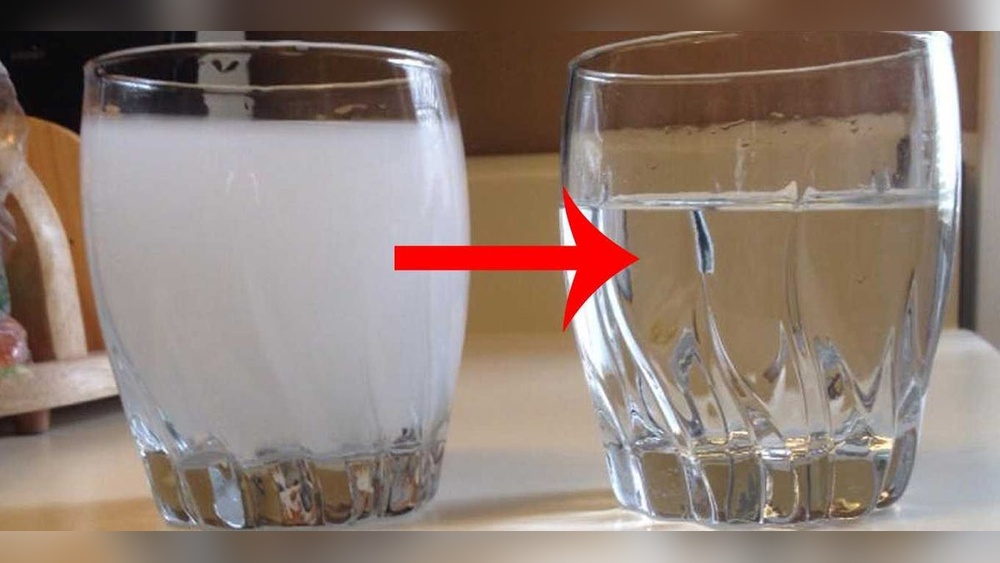
Have you ever turned on your tap and noticed cloudy or milky water coming out? It can be surprising and even a little worrying.
You might wonder if it’s safe to drink or if something is wrong with your plumbing. Understanding why your tap water looks cloudy is important for your health and peace of mind. You’ll discover the common reasons behind cloudy tap water and simple ways to check if it’s something you should be concerned about.
Keep reading to find out what’s really going on inside your glass of water.

Credit: rapidan.org
Common Causes Of Cloudy Tap Water
Cloudy tap water can be surprising and a bit worrying. Several factors cause this common issue. Understanding these causes helps you know when to act or call a professional. The following sections explain the main reasons your tap water may look cloudy.
Air Bubbles And Aeration
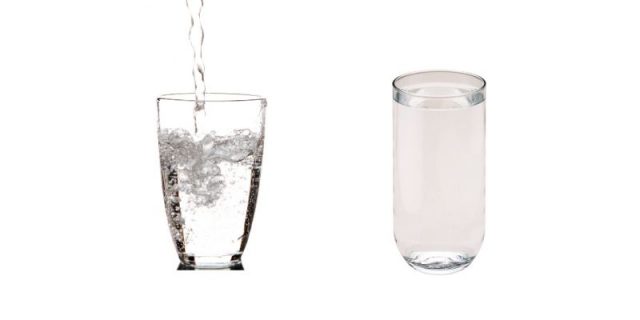
Air bubbles often cause cloudy water. These tiny bubbles form when water pressure changes quickly. They look like white or milky water but clear up fast. This issue is normal and not harmful. Aeration in the water system adds oxygen, which can also create bubbles. Simply let the water sit for a moment, and the cloudiness will disappear.
Sediment And Mineral Deposits
Water contains minerals and tiny particles that sometimes settle in pipes. Sediment from soil or rust can enter the water supply. These particles make water look cloudy or dirty. Mineral deposits like calcium or magnesium can also cloud water. Sediment and minerals are common in older homes or places with hard water. A water filter can help reduce these particles.
Pipe Corrosion
Old or rusty pipes can cause cloudy water. Corrosion breaks down pipe material, sending small flakes into the water. This debris makes water look cloudy and may affect taste. Corroded pipes need repair or replacement to ensure safe water. If your water is often cloudy and has a metallic smell, pipe corrosion might be the cause.
Water Heater Issues
Cloudy water sometimes comes from the water heater. Sediment builds up inside the tank over time. This sediment mixes with water, causing cloudiness. Flushing the water heater regularly can reduce this problem. If water only appears cloudy when hot, the heater likely needs maintenance.
Credit: www.aquacure.co.uk
Health Risks Linked To Cloudy Water
Cloudy tap water can cause concern about health risks. Understanding these risks helps you decide the next steps. Cloudiness might mean tiny particles or contaminants in the water. Some of these could harm your health if consumed regularly. Knowing what might be in the water is important for safety.
Potential Contaminants
Cloudy water often contains air bubbles or sediments. Sometimes, it has minerals like calcium or magnesium. Other times, it may carry harmful substances like bacteria or chemicals. These contaminants enter water through old pipes or pollution. Not all particles are dangerous, but some can cause illness.
Effects On Vulnerable Groups
Children, elderly, and people with weak immune systems face higher risks. Their bodies cannot fight infections well. Drinking cloudy water with germs may cause stomach upset or worse. Pregnant women should also avoid unclear water to protect their babies. Extra caution is necessary for these groups.
When To Be Concerned
Cloudy water that lasts long or has a strange smell needs attention. If your water tastes unusual or causes illness, stop using it. Check if others in your area have the same problem. Contact your local water supplier for testing and advice. Acting fast can prevent health problems.
Simple Methods To Clear Cloudy Water
Cloudy tap water can be unsettling, but simple steps often fix the problem. These easy methods help clear the water quickly. You don’t need special tools or skills. Just a little time and care can improve your water’s clarity and safety.
Letting Water Settle
Pour cloudy water into a clear glass or jar. Let it sit undisturbed for 30 minutes. Tiny air bubbles or particles will settle at the bottom. The water on top will look clearer. This method works best for air or mineral clouds. It does not remove harmful substances.
Flushing Your Pipes
Turn on the cold water tap fully for several minutes. This flushes out trapped air or loose particles in the pipes. Run water until it runs clear and cold. Flushing helps if cloudy water appears after long pipe disuse. Repeat this step if water turns cloudy again.
Cleaning Or Replacing Fixtures
Cloudy water can come from dirty or old fixtures. Remove faucet aerators and clean them with vinegar. Scrub away mineral buildup or debris. Replace old or damaged fixtures if cleaning doesn’t help. Clean fixtures improve water flow and clarity.
Water Filtration Options
Use simple water filters to remove impurities causing cloudiness. Pitcher filters, faucet-mounted filters, or under-sink systems work well. Choose filters certified to remove sediments and particles. Regular filter replacement keeps water clear and safe to drink.
Preventing Cloudy Water In The Future
Preventing cloudy tap water helps keep your home’s water clear and safe. Cloudy water often signals tiny air bubbles or mineral buildup. Taking steps to stop it saves time and worry. Simple changes can make a big difference.
Routine Maintenance Tips
Clean faucet aerators and showerheads regularly. Sediment and minerals can build up over time. Flush your water heater to remove sediment. Check pipes for leaks or rust. These small tasks keep water flowing clean and clear.
Upgrading Plumbing Systems
Old pipes may cause cloudy water. Replacing corroded or worn pipes improves water quality. Consider materials like copper or PVC. Modern pipes reduce rust and sediment issues. Upgrade your plumbing for cleaner water and fewer problems.
Regular Water Testing
Test your water for minerals, bacteria, and contaminants. Use home test kits or hire professionals. Frequent testing catches problems early. Knowing water quality helps choose the right solution. Stay informed to keep water clear and safe.

Credit: teamaustin.com
Frequently Asked Questions
Why Is My Tap Water Cloudy Sometimes?
Cloudy tap water usually happens due to tiny air bubbles trapped in cold water. When water warms, bubbles rise and clear the water quickly. It’s harmless and common in many homes, especially after plumbing repairs or high water pressure.
Can Cloudy Water Affect Health?
Generally, cloudy water caused by air bubbles is safe to drink. However, if cloudiness persists or looks colored, it may indicate contamination. In such cases, testing the water for pollutants and contacting local authorities is advised for safety.
How Can I Fix Cloudy Tap Water At Home?
To clear cloudy water, let it sit in a clear glass for a few minutes. If the cloudiness disappears, it’s air bubbles. Installing a water filter or flushing your pipes can also help reduce cloudiness caused by sediments or minerals.
Does Hard Water Cause Cloudy Tap Water?
Yes, hard water containing minerals like calcium and magnesium can cause cloudiness. These minerals often form tiny particles that make water look milky. Using water softeners or filters can reduce hardness and improve water clarity.
Conclusion
Cloudy tap water often comes from tiny air bubbles or minerals. It usually clears up after a few minutes. Sometimes, it signals a plumbing issue or water quality concern. Testing your water can help find the cause. Regularly checking pipes keeps water clean and safe.
Clear water means peace of mind for your family. Stay aware and act if you notice changes. Clean water matters for health and daily life. Simple steps can improve your tap water quality.

Hasan Al Sarker is a Reverse Osmosis Specialist. He has worked for many years to ensure safe drinking water for all. His research paper has been published in several journals, including Issue, Medium, and Slideshare. He is recognized as a water doctor among specialists though he did not attend medical college.
Besides working as a researcher of reverse osmosis technology, he is also very fancy with the kitchen and cooking. His guides are reading thousands of people every day. As a head of content, he is responsible for all the published articles at RO System Reviews.