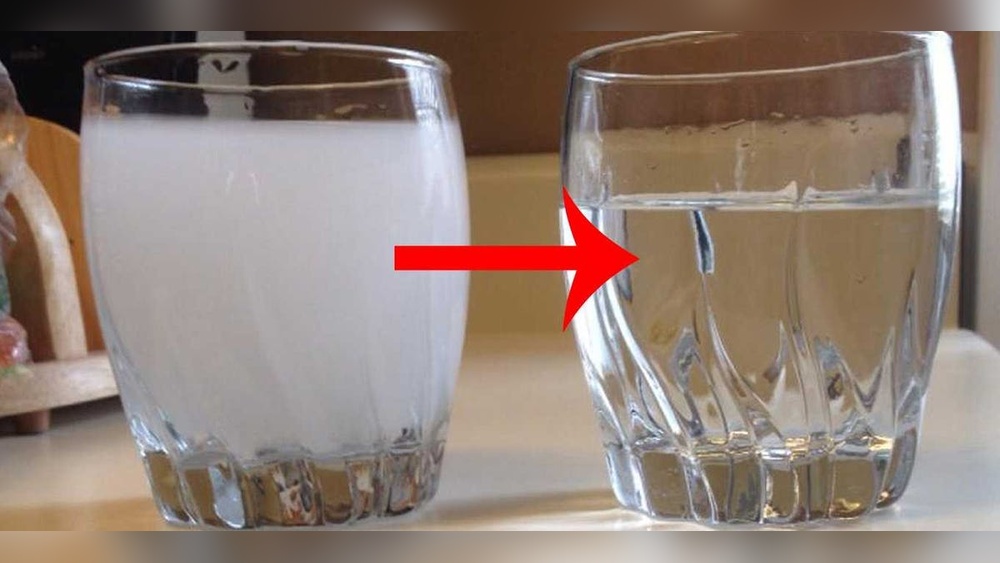
Have you ever turned on your tap and noticed cloudy water coming out? It can be surprising and a bit worrying.
You might wonder if it’s safe to drink or if there’s something wrong with your plumbing. Understanding why your tap water is cloudy is important for your health and peace of mind. You’ll discover the common causes behind cloudy tap water and simple steps you can take to clear it up.
Keep reading to find out what’s really going on inside your glass.

Credit: teamaustin.com
Common Causes Of Cloudy Tap Water
Cloudy tap water can be worrying. It often looks strange and may make you question its safety. Many times, the cause is simple and not harmful. Understanding these causes helps you know what’s normal and when to act.
Cloudiness can come from different sources. Some causes are natural, while others relate to your home’s plumbing. Identifying the cause can guide you to the right solution.
Air Bubbles In Water
Air bubbles are a common cause of cloudy water. Cold water holds more air than warm water. When water flows out of the tap, the air escapes and forms tiny bubbles. These bubbles make the water look white or milky. The cloudiness clears quickly as the bubbles rise and disappear.
Hard Water Minerals
Hard water contains minerals like calcium and magnesium. These minerals can cause cloudiness when they build up in pipes. Hard water often leaves white spots on dishes. It may also feel slippery on the skin. While not harmful, hard water can affect taste and cleaning.
Sediment And Particles
Sediment comes from soil, rust, or other debris in water pipes. It can enter the water during repairs or pipe damage. Sediment makes water look cloudy or dirty. Particles may settle at the bottom of a glass if water stands for a while. Filtering can help remove these particles.
Corroded Pipes
Old or damaged pipes may release tiny rust particles. Rust causes a reddish or brownish tint but can also cloud water. Corrosion can affect water taste and quality. Pipes made of iron or steel are more likely to corrode. Replacing old pipes improves water clarity and safety.
Water Main Disturbances
Water main repairs or breaks can stir up sediment in the system. This disturbance often causes temporary cloudy water. The cloudiness usually clears within a few hours. Flushing taps by running water helps clear out the sediment faster.
Credit: www.aquacure.co.uk
Health Risks Linked To Cloudy Water
Cloudy tap water can raise concerns about health. It often signals the presence of unwanted substances. Understanding the risks helps you protect yourself and your family. Some particles may cause illness or allergic reactions. Knowing what might be in the water is important for safety.
Potential Contaminants
Cloudy water may contain tiny particles like sediment or minerals. Sometimes, bacteria or viruses cause cloudiness. Chemical pollutants can also make water appear murky. These contaminants might cause stomach pain or infections. Not all cloudiness means danger, but caution is wise.
Impact On Vulnerable Groups
Children, elderly, and people with weak immune systems face higher risks. Their bodies cannot fight germs easily. Cloudy water can lead to more severe health problems for them. Pregnant women should avoid drinking unclear water too. Protecting these groups is very important.
When To Seek Professional Testing
Persistent cloudy water needs expert examination. Testing shows what exactly is in your water. It helps decide if treatment or repairs are necessary. Contact local water authorities or certified labs for testing. Early action keeps your water safe to use.
Simple Tests To Identify The Cause
Cloudy tap water can be confusing and concerning. Simple tests help find the cause fast. These tests are easy to do at home. They give clear clues about what makes the water look cloudy.
Clearance Test For Air Bubbles
Fill a clear glass with tap water. Watch it closely for a few minutes. If the cloudiness clears from bottom to top, air bubbles cause the cloudiness. This happens when water traps tiny air pockets. The water is safe to drink if bubbles are the only issue.
Checking For Sediment
Let the cloudy water sit in a glass for 30 minutes. Check if particles settle at the bottom. Sediment or dirt causes cloudiness in this case. Sediment may come from old pipes or water source issues. It is best to avoid drinking water with sediment until fixed.
Water Hardness Test Kits
Use a water hardness test kit to check mineral levels. Follow the kit instructions carefully. High minerals like calcium or magnesium can cause cloudiness. These kits are affordable and easy to use. Knowing hardness helps decide the right water treatment.

Credit: rapidan.org
Easy Fixes For Cloudy Water
Cloudy tap water can be annoying and make you worry about water quality. Luckily, many causes of cloudy water have simple solutions. These easy fixes help clear your water fast. They improve taste and safety. Start with small steps. See which one works best for you.
Flushing Your Pipes
Flushing pipes removes trapped air and loose minerals. Run cold water from all taps for several minutes. This clears out particles that cause cloudiness. Flushing is simple and requires no tools. It often solves cloudy water after repairs or pipe work.
Using Water Filters
Water filters trap dirt, rust, and tiny particles. Install a filter on your faucet or pitcher. Filters improve water clarity and taste. Choose filters certified to remove common impurities. Change filter cartridges regularly for best results.
Installing Water Softeners
Hard water causes cloudy water with mineral buildup. Water softeners replace calcium and magnesium with sodium. This prevents cloudiness and scale in pipes. A softener helps protect appliances too. Professional installation is usually needed.
Regular Plumbing Maintenance
Old or damaged pipes can cause cloudy water. Schedule regular checks with a plumber. They inspect and fix leaks, corrosion, and buildup. Maintaining pipes keeps water clear and safe. Don’t wait for problems to worsen.
When To Call A Professional
Sometimes cloudy tap water clears up on its own. Other times, it stays cloudy or gets worse. Knowing when to call a professional can save time and protect your health.
Persistent Cloudiness
Cloudy water that does not clear after a few minutes is a warning sign. Persistent cloudiness may mean there is a problem with your water supply or pipes. A plumber or water expert can inspect and find the cause.
Signs Of Pipe Damage
Rust-colored water or a strange taste often shows pipe damage. Cracks, leaks, or corrosion inside pipes can affect water clarity. Professionals have tools to check pipes and fix any damage safely.
Water Quality Concerns
Cloudy water can hide harmful bacteria or chemicals. If your water smells bad or causes skin irritation, test it quickly. Certified labs and experts can test and recommend treatment to keep your water safe.
Frequently Asked Questions
Why Is My Tap Water Cloudy Sometimes?
Cloudy tap water often contains tiny air bubbles. These bubbles form due to pressure changes in pipes. The water clears after a few minutes as bubbles rise and escape. This is harmless and common in many homes.
Can Cloudy Water Indicate Water Contamination?
Cloudy water can sometimes signal contamination from sediments or minerals. It’s wise to test the water if cloudiness persists or has an unusual taste or smell. Safe water is clear and odorless, so persistent cloudiness warrants attention.
How Can I Fix Cloudy Tap Water At Home?
To fix cloudy water, flush your pipes by running cold water for several minutes. Check if your water heater needs maintenance. Using a water filter can also improve clarity by removing sediments and impurities.
Is Cloudy Tap Water Safe To Drink?
Usually, cloudy water caused by air bubbles is safe to drink. However, if cloudiness results from contaminants, it might be unsafe. Testing your water regularly ensures it meets safety standards and protects your health.
Conclusion
Cloudy tap water is usually not harmful. Tiny air bubbles or minerals often cause the cloudiness. Let the water sit for a moment. It should clear up quickly. If it stays cloudy, check your pipes or call your water supplier.
Clean, clear water keeps you safe and healthy. Stay informed about your water quality. Simple steps can help you enjoy fresh water every day.

Hasan Al Sarker is a Reverse Osmosis Specialist. He has worked for many years to ensure safe drinking water for all. His research paper has been published in several journals, including Issue, Medium, and Slideshare. He is recognized as a water doctor among specialists though he did not attend medical college.
Besides working as a researcher of reverse osmosis technology, he is also very fancy with the kitchen and cooking. His guides are reading thousands of people every day. As a head of content, he is responsible for all the published articles at RO System Reviews.