
Are you worried about the safety of your tap water? If lead is a concern for you, you’re not alone.
Lead in drinking water can pose serious health risks, especially for children and pregnant women. But here’s the question: will a water filter actually remove lead from your water? Understanding how water filters work and which ones are effective can help you protect your health and your family.
Keep reading to find out what you need to know before choosing a water filter for lead removal.

Lead Contamination In Water
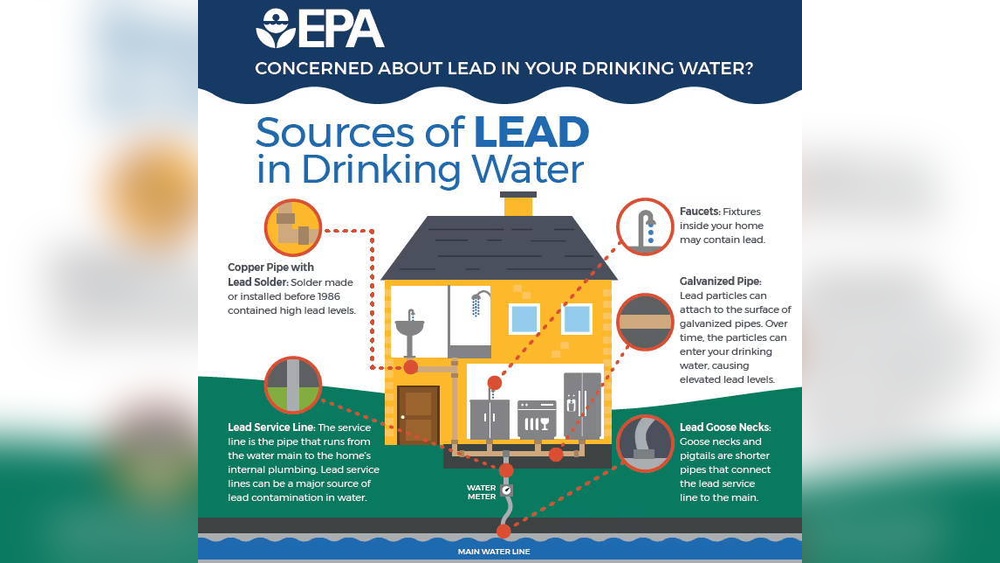
Lead contamination in water is a serious problem in many homes and communities. Lead can enter drinking water through pipes, fixtures, and plumbing materials. This contamination poses health risks, especially to children and pregnant women. Understanding the sources and dangers of lead in water is important for safety.
Sources Of Lead In Drinking Water
Lead often comes from old pipes and plumbing fixtures. Homes built before 1986 may have lead pipes or solder. Water can pick up lead when it sits in these pipes for a long time. Corrosion or damage to plumbing increases lead levels. Lead paint and soil near water sources can also add to contamination.
Health Risks Linked To Lead Exposure
Lead is harmful even in small amounts. It can cause brain and nerve damage. Children are more sensitive to lead than adults. Exposure can slow growth and affect learning. Pregnant women face risks to their babies. Long-term exposure may cause kidney and heart problems. Removing lead from water helps protect health.

Types Of Water Filters
Water filters come in many types, each with different ways to clean water. Some remove chemicals, others block particles. Choosing the right filter helps remove lead from drinking water. Understanding how each filter works is important for safety.
Activated Carbon Filters
Activated carbon filters trap chemicals and impurities. They reduce bad taste and odors in water. These filters are good at catching chlorine and some heavy metals. But they may not remove all lead particles. Regular replacement keeps them effective.
Reverse Osmosis Systems
Reverse osmosis pushes water through a fine membrane. This process removes many contaminants including lead. It also takes out salts and other metals. The system needs maintenance and uses more water. It works well for clean, safe drinking water.
Distillation Units
Distillation heats water to create steam. The steam leaves impurities behind and cools back to water. This method removes lead and other metals effectively. It uses electricity and takes more time. Distilled water tastes very pure and clean.
Ion Exchange Filters
Ion exchange filters swap harmful ions for safer ones. They often replace lead ions with sodium or potassium. These filters reduce lead levels in water well. They need regular recharging or replacement. Ideal for improving water safety at home.
Effectiveness Of Filters Against Lead
Lead in drinking water is a serious health concern. Many people ask if water filters can remove lead effectively. Not all filters work the same. Some reduce lead better than others. Understanding how well a filter removes lead helps you choose the right one. The following sections explain important facts about filters and lead removal.
Filter Certifications To Look For
Certifications show a filter’s ability to remove lead. Look for NSF/ANSI Standard 53 certification. This standard tests filters for lead reduction. Another useful certification is NSF/ANSI Standard 42. It focuses on taste and odor but may also reduce some contaminants. A certified filter meets strict safety and performance rules. Choosing certified filters ensures better protection against lead.
Comparing Removal Rates
Removal rates vary from filter to filter. Some remove 90% or more of lead. Others only reduce a small amount. Filters using activated carbon, ion exchange, or reverse osmosis work best. Reverse osmosis usually removes the highest amount of lead. Check product labels for removal percentages. Higher removal rates mean safer water.
Common Misconceptions
Many believe all filters remove lead. Not true. Basic carbon filters may not remove lead well. Some pitchers or faucet filters only improve taste. Others may remove chlorine but not lead. Another myth is that boiling water removes lead. Boiling can concentrate lead instead of removing it. Always verify if a filter is tested for lead removal before buying.
Choosing The Right Filter
Choosing the right water filter is important to remove lead from your water. Not all filters work the same. Some filters can trap lead particles well. Others may not be effective. Knowing how to pick the best filter helps keep your water safe and clean.
Assessing Your Water Quality
Test your water first to know the lead levels. Use a home test kit or hire a professional. Water with high lead needs a stronger filter. Understanding your water quality guides your filter choice. This step saves money and ensures safety.
Filter Maintenance And Lifespan
Filters need regular cleaning or replacement. A worn-out filter cannot remove lead effectively. Check the manufacturer’s instructions for how often to change it. Keep a schedule to maintain filter performance. Proper care extends the filter’s life and keeps water pure.
Cost Considerations
Filters vary in price and running cost. Some cost more upfront but last longer. Others are cheaper but need frequent replacement. Factor in filter cost and maintenance expenses. Choose a filter that fits your budget and needs.
Additional Safety Measures
Using a water filter helps reduce lead, but extra care is still important. Lead can hide in old pipes and fixtures. Taking simple steps can keep your water safer. These actions work well with filters for better protection.
Flushing Taps And Pipes
Flush your tap before using water for drinking or cooking. Run the cold water for 30 seconds to 2 minutes. This clears out water that stayed in pipes too long. It lowers the chance of lead getting into your glass.
Using Cold Water For Consumption
Always use cold water for drinking and cooking. Hot water can dissolve lead faster from pipes. Avoid using hot tap water for making tea or cooking. Instead, heat cold water on the stove or in a kettle.
Regular Water Testing
Test your water regularly to check lead levels. Home test kits or professional services can help. Testing helps you know if your filter works well. It also shows if extra steps are needed for safety.
Frequently Asked Questions
Can Water Filters Remove Lead From Drinking Water?
Yes, certain water filters effectively remove lead. Filters with activated carbon or reverse osmosis technology can reduce lead levels significantly. Always check if the filter is certified for lead removal by trusted organizations like NSF.
Which Water Filter Types Remove Lead Best?
Reverse osmosis and activated carbon filters remove lead best. These filters capture lead particles and prevent them from passing through. Pitcher filters, faucet mounts, and under-sink systems commonly use these technologies for lead removal.
How To Know If A Filter Removes Lead?
Check the filter’s certification and specifications. Look for NSF/ANSI Standard 53 certification for lead reduction. Manufacturers usually list contaminants their filters remove, including lead, on packaging or product details.
Does Boiling Water Remove Lead Contamination?
No, boiling water does not remove lead. Boiling can concentrate lead levels instead, increasing health risks. Use certified water filters or bottled water to reduce lead exposure safely.
Conclusion
A good water filter can reduce lead in your water. Not all filters work the same. Check the filter’s label for lead removal. Change the filter as the instructions say. Clean water keeps your family safe and healthy. Testing your water helps know if lead is present.
Choose a filter certified for lead removal. Clean water is important for daily life. Simple steps can protect you from lead risks.

Hasan Al Sarker is a Reverse Osmosis Specialist. He has worked for many years to ensure safe drinking water for all. His research paper has been published in several journals, including Issue, Medium, and Slideshare. He is recognized as a water doctor among specialists though he did not attend medical college.
Besides working as a researcher of reverse osmosis technology, he is also very fancy with the kitchen and cooking. His guides are reading thousands of people every day. As a head of content, he is responsible for all the published articles at RO System Reviews.