
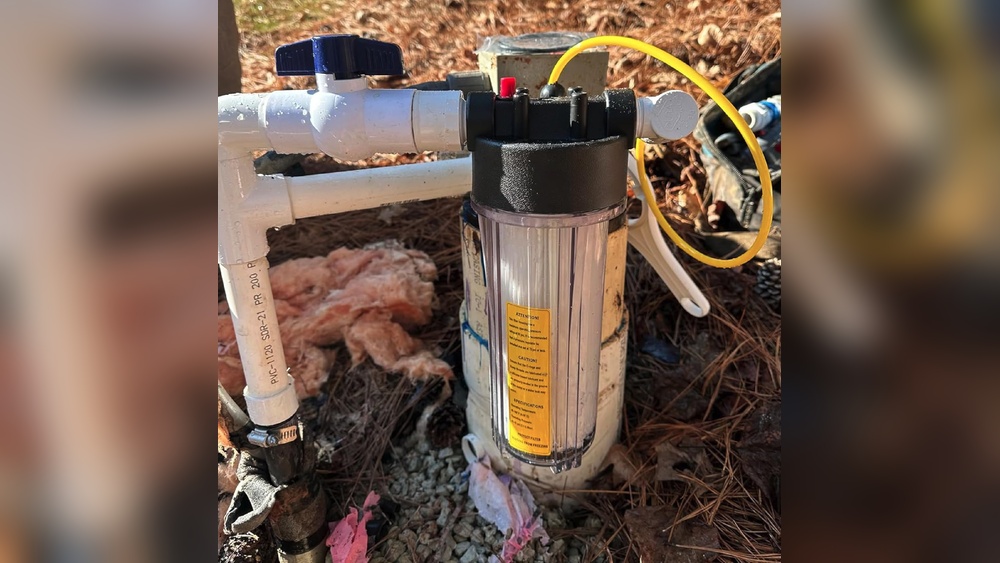
Does your water have that unpleasant sulfur smell that makes you hesitate before taking a sip? You’re not alone.
Many people struggle with that rotten egg odor coming from their taps. It’s frustrating and can make even simple tasks like cooking or showering less enjoyable. But here’s the big question: will a water filter actually get rid of that sulfur smell for good?
Keep reading, because understanding how water filters work could be the key to fresh, clean-smelling water in your home. You deserve to know the truth and find a solution that works.
Sources Of Sulfur Smell In Water
Sulfur smell in water can be unpleasant and concerning. This odor often resembles rotten eggs and can affect the taste and use of water. Understanding where this smell comes from helps in finding the right solution. The sources of sulfur smell vary from natural elements to human-related causes.
Hydrogen Sulfide Origins
Hydrogen sulfide gas is the main cause of sulfur smell in water. It forms naturally from decaying organic matter. This gas may enter groundwater through soil and rocks. It can also come from volcanic or geothermal activity. Even small amounts cause a strong rotten egg smell.
Bacterial Contamination
Certain bacteria produce sulfur compounds as they break down organic material. These bacteria thrive in low-oxygen environments like water wells or plumbing systems. Their activity releases hydrogen sulfide gas into water. This often leads to noticeable sulfur odor in household water.
Water Supply Factors
Water sources influence sulfur smell levels. Private wells are more likely to have sulfur odor due to natural underground conditions. Public water supplies usually treat water to reduce smell and contaminants. Old or corroded pipes may also cause or worsen sulfur odor in tap water.
Impact Of Sulfur Smell On Water Quality
The sulfur smell in water often signals the presence of hydrogen sulfide gas. This gas can affect water quality in several ways. It impacts health, taste, and even household plumbing. Understanding these effects helps in deciding how to handle sulfur odors in water.
Health Considerations
Small amounts of hydrogen sulfide in water usually do not cause health problems. The smell alone is not dangerous, but higher levels can irritate the eyes and throat. People with sensitive health conditions may feel discomfort. Drinking water with sulfur smell over time might cause stomach issues. Testing water quality helps ensure safety.
Taste And Odor Issues
The sulfur smell makes water taste bad and unpleasant. It can remind people of rotten eggs. This taste often stops people from drinking tap water. Cooking with smelly water can also affect food flavor. Removing the odor improves water’s appeal and use.
Plumbing And Appliance Effects
Hydrogen sulfide can damage pipes and appliances. It causes corrosion in metal pipes, leading to leaks. Water heaters and washing machines may break down faster. Sulfur bacteria can form slimy layers inside pipes. These problems increase repair costs and reduce appliance life.
Can Water Filters Remove Sulfur Odor?
Can water filters remove sulfur odor from water? The sulfur smell in water often comes from hydrogen sulfide gas. This gas gives water a rotten egg scent. It can be unpleasant and affect water taste. Removing this odor improves water quality and usability.
Water filters can help reduce or remove sulfur odor. Different filters work in different ways. Some are more effective than others for sulfur problems. Understanding these options helps choose the right filter.
Types Of Filters For Sulfur Removal
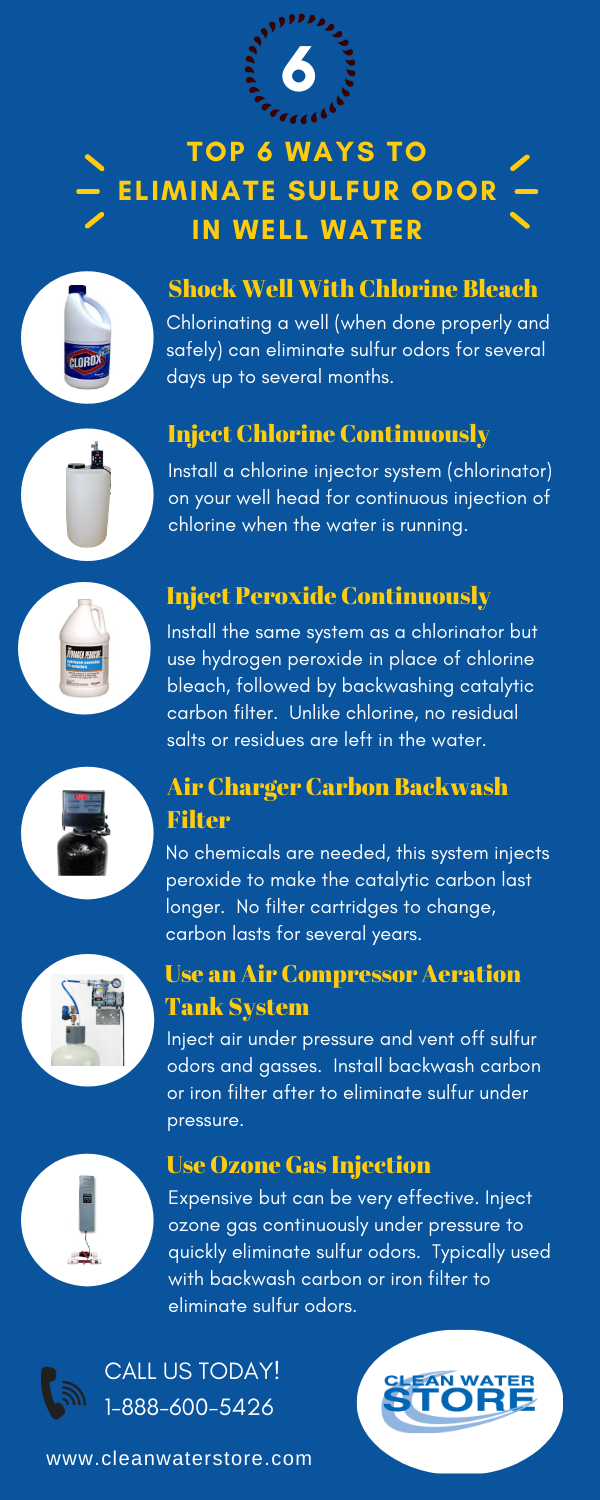
Certain filters target sulfur smell better than others. Activated carbon filters are common. They absorb gases and chemicals causing odors. Another option is oxidation filters. They change hydrogen sulfide into solid particles. These particles can then be filtered out. Aeration systems also remove sulfur by letting gas escape before water use.
Effectiveness Of Activated Carbon
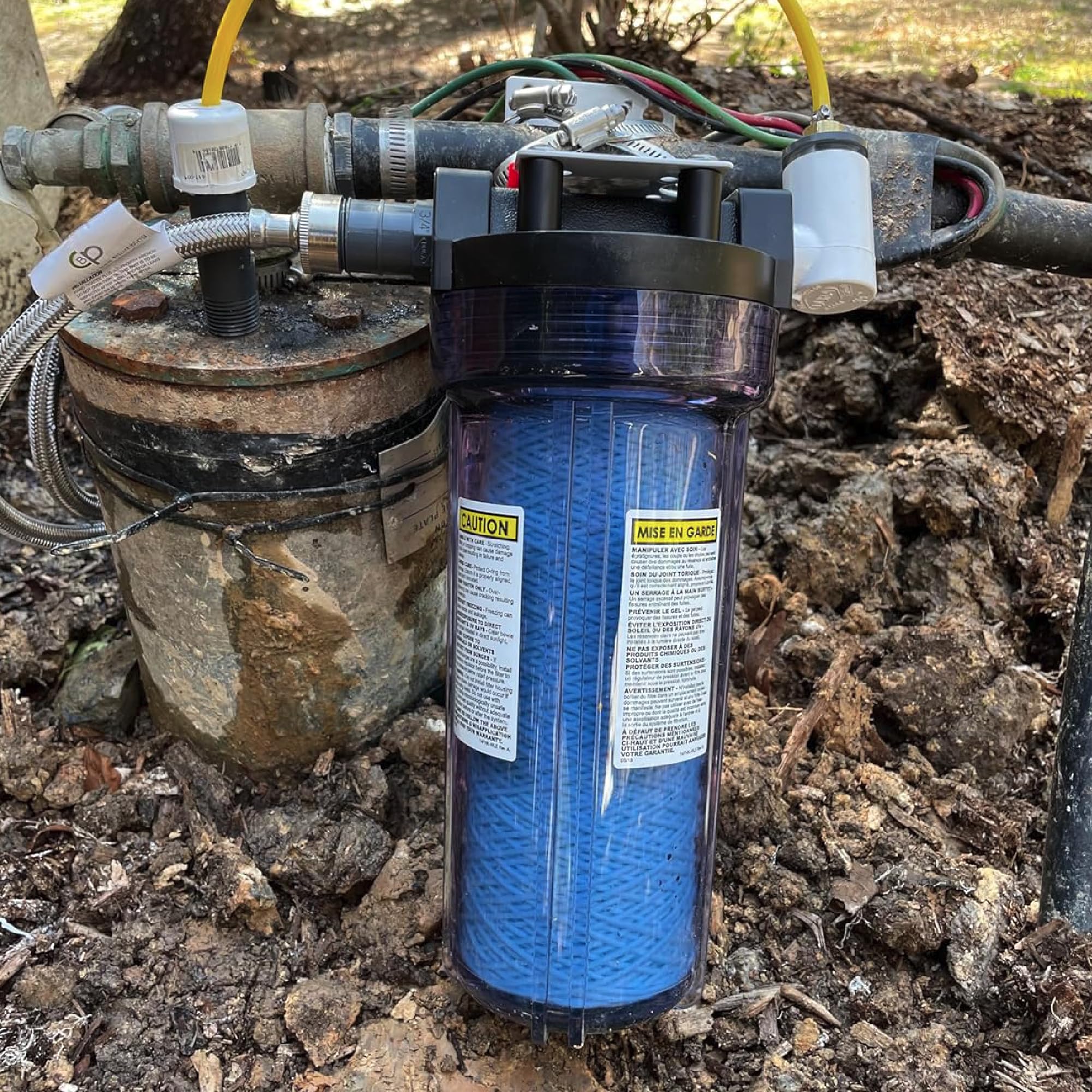
Activated carbon filters work well for mild sulfur odors. They trap hydrogen sulfide molecules on their surface. This reduces the rotten egg smell. The filter needs regular changing for best results. Strong sulfur smells may require a larger or special carbon filter. Carbon filters alone may not fully remove high sulfur levels.
Limitations Of Standard Filters
Standard filters may not remove all sulfur odor. Some filters only remove particles, not gases. Hydrogen sulfide is a gas, so it passes through many filters. High sulfur levels need more advanced treatment. Filters may also clog faster with sulfur present. Testing water helps determine the right filter type and size.
Advanced Solutions For Sulfur Smell
Sulfur smell in water is a common problem that many face. Simple filters may not remove this strong odor effectively. Advanced solutions target the root cause of the smell. These methods treat water deeply and improve its taste and safety.
Oxidizing Filters And Aeration
Oxidizing filters change sulfur compounds into solid particles. These particles get trapped in the filter media. Aeration adds air to water, helping sulfur gases escape. This method reduces the rotten egg smell quickly. Both processes improve water clarity and freshness.
Chemical Treatments
Certain chemicals react with sulfur compounds to remove odors. Chlorine is often used to kill bacteria that cause sulfur smell. Other chemicals can oxidize and neutralize sulfur in water. These treatments require careful dosing and monitoring. They work well for severe sulfur problems.
Water Softening Systems
Water softeners reduce minerals that cause sulfur smell. They exchange sulfur ions with safer minerals like sodium. This process lowers sulfur concentration in water. Softening systems also improve water texture and prevent pipe damage. They suit homes with moderate sulfur levels.
Choosing The Right Treatment For Your Home
Choosing the right treatment for your home’s sulfur smell is important. The smell often comes from hydrogen sulfide gas in your water. This gas gives water a rotten egg odor. Not all water filters remove this smell well. It is crucial to pick a system that fits your needs and water type. Understanding your water’s condition helps you make a smart choice. Let’s explore key steps to choose the best treatment.
Water Testing And Diagnosis
Testing your water is the first step. A simple water test shows the sulfur level. It also finds other contaminants that cause smell. Knowing the exact problem helps select the right filter. Some filters work better for low sulfur levels. Others handle strong sulfur smells. Testing ensures you do not waste money on the wrong system.
Filter Maintenance Tips
Filters need care to work well. Regular cleaning keeps them effective. Change filter cartridges as the instructions say. Dirty filters can cause smells to return. Check your system often for clogs or damage. Proper maintenance saves money and extends filter life. It keeps your water fresh and safe.
Cost And Installation Considerations
Cost varies between filter types and sizes. Simple filters cost less but may need frequent changes. Complex systems cost more but last longer. Installation can be easy or need a professional. Consider space and plumbing before buying. A good system fits your budget and home setup. Planning helps avoid surprises and extra costs.
Frequently Asked Questions
Will A Water Filter Remove Sulfur Smell Effectively?
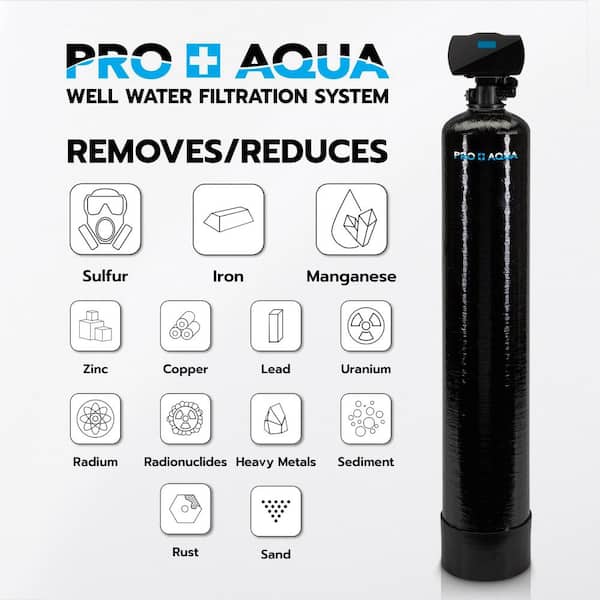
Yes, specific water filters with activated carbon or catalytic media can reduce sulfur smell. These filters target hydrogen sulfide, the main cause of the odor, improving water taste and safety.
What Type Of Filter Removes Sulfur Smell From Water?
Activated carbon filters and catalytic carbon filters are best. They absorb and neutralize hydrogen sulfide, eliminating the rotten egg smell from your water supply.
Can A Water Filter Remove Sulfur Smell From Well Water?
Yes, many well water sulfur issues can be treated with filters. Installing an appropriate filter system can significantly reduce or remove sulfur odor in well water.
How Do Water Filters Eliminate The Rotten Egg Smell?
Filters trap hydrogen sulfide molecules using carbon media. This process removes the odor-causing sulfur compounds, resulting in fresher, cleaner-smelling water.
Conclusion
A water filter can help reduce the sulfur smell in your water. Not all filters work the same, so choose one made for sulfur removal. Regular filter changes keep your water fresh and clean. Clean water means better taste and no bad odors.
Test your water first to understand the problem clearly. A good filter improves your daily water use. Enjoy fresh, odor-free water every day with the right filter. Simple steps lead to better water quality at home.

Hasan Al Sarker is a Reverse Osmosis Specialist. He has worked for many years to ensure safe drinking water for all. His research paper has been published in several journals, including Issue, Medium, and Slideshare. He is recognized as a water doctor among specialists though he did not attend medical college.
Besides working as a researcher of reverse osmosis technology, he is also very fancy with the kitchen and cooking. His guides are reading thousands of people every day. As a head of content, he is responsible for all the published articles at RO System Reviews.