
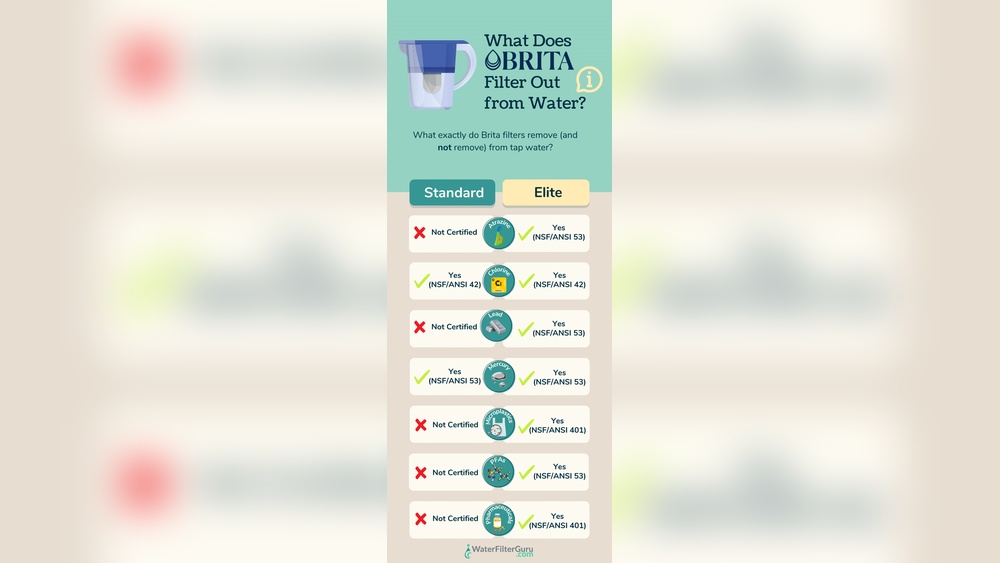
Are you curious about what’s really in your tap water? You might be wondering if your Brita water filter is doing enough to keep your drinking water clean and safe.
Understanding exactly what a Brita filter removes can help you feel confident every time you fill your glass. You’ll discover the key impurities Brita targets and how it improves the taste and quality of your water. Keep reading to find out how this simple device can make a big difference for your health and peace of mind.

Common Contaminants In Tap Water
Tap water contains many substances that affect its taste, safety, and appearance. These substances are called contaminants. Some come from natural sources like soil and rocks. Others come from pipes, factories, and farms. Understanding these common contaminants helps to know what Brita water filters remove. Clean water means better health and better taste.
Chlorine And Chloramine
Water treatment plants use chlorine and chloramine to kill germs. These chemicals keep water safe to drink. They can cause a strong smell and bad taste. Brita filters reduce chlorine and chloramine, making water taste fresher.
Heavy Metals
Heavy metals like lead, mercury, and copper can enter water from old pipes and pollution. These metals harm health, especially in children. Brita filters reduce many heavy metals to protect your family.
Sediments And Particulates
Sand, dirt, and tiny particles often mix in tap water. They make water cloudy and dirty. Brita filters trap these sediments, giving clear and clean water.
Microorganisms And Bacteria
Some tap water may contain bacteria and tiny germs. These can cause illness if not removed. Brita filters reduce some bacteria but are not a full purifier. Use caution with unsafe water sources.
Volatile Organic Compounds
Volatile Organic Compounds (VOCs) come from chemicals and pollution. They can cause bad taste and health problems. Brita filters reduce many VOCs, improving water quality and safety.
How Brita Filters Work
Understanding how Brita filters work helps explain how they improve water quality. These filters reduce many unwanted substances. They use a combination of materials and technology to clean water effectively. The process involves several key components that work together.
Activated Carbon Filtration
Activated carbon removes chlorine and bad taste from water. It has many tiny pores that trap impurities. This filtration improves water smell and flavor. It also helps reduce some organic chemicals that may be present.
Ion Exchange Resin
The ion exchange resin lowers metals like lead and copper. It swaps harmful metal ions with safer ones, such as sodium. This process protects your health by reducing toxic metals. It also softens water slightly, making it gentler on appliances.
Filter Design And Technology
Brita filters use a multi-layer design for thorough cleaning. Water flows slowly through each layer, allowing better contact with filter materials. This design ensures more impurities get trapped before water reaches your glass. The filter housing also helps keep the filter stable and secure during use.
Contaminants Reduced By Brita Filters
Brita filters reduce many common contaminants found in tap water. They improve water taste and safety. Using a Brita filter helps remove substances that affect flavor and health. The filter targets specific impurities to deliver cleaner, fresher water.
Chlorine Taste And Odor
Chlorine is often added to tap water to kill germs. It can cause a strong taste and smell. Brita filters reduce chlorine, making water taste better. This change also removes the chemical odor from water.
Lead And Other Heavy Metals
Lead can enter water from old pipes and plumbing. It is harmful even in small amounts. Brita filters reduce lead and other heavy metals. This helps protect your health and lowers metal exposure.
Mercury And Cadmium
Mercury and cadmium are toxic metals found in some water sources. They can harm the nervous system and organs. Brita filters remove these metals to make water safer. Filtering lowers the risk of exposure to these toxins.
Zinc And Copper
Zinc and copper can come from plumbing and metal pipes. They may cause an unpleasant taste or color in water. Brita filters reduce zinc and copper levels. This improves water clarity and flavor.
Sediment And Rust Particles
Water can contain tiny particles like sediment and rust. These make water look dirty and taste bad. Brita filters trap these particles for cleaner water. Filtering removes visible impurities and improves freshness.
Contaminants Not Removed By Brita
Brita water filters improve tap water taste and reduce many impurities. They target chlorine, sediment, and some heavy metals. Despite this, some contaminants stay in the water after filtering. Knowing what Brita does not remove helps you choose the right water filter for your needs.
Fluoride
Brita filters do not remove fluoride. Fluoride is often added to tap water for dental health. It stays in the water because Brita’s carbon filter cannot filter it out. Special filters are needed to reduce fluoride levels.
Nitrates And Nitrites
Nitrates and nitrites come from fertilizers and waste. Brita filters do not remove these chemicals. They require different filtration methods like reverse osmosis. These compounds can be harmful, especially to babies and pregnant women.
Microbial Cysts
Microbial cysts like Giardia and Cryptosporidium are tiny organisms. Brita filters do not remove these cysts. Removing them needs filters with very small pores or UV treatment. These cysts can cause stomach illness if ingested.
Pharmaceutical Residues
Traces of medicine sometimes enter tap water. Brita filters cannot remove pharmaceutical residues. These chemicals require advanced filtering technologies. Their impact on health is still being studied.
Testing And Certification Standards
Testing and certification standards ensure Brita water filters provide safe, clean water. These standards check what the filter removes and how well it works. They help users trust the filter’s performance and safety. Let’s explore the main certifications and tests behind Brita’s quality.
Nsf Certification
NSF International tests and certifies water filters for safety and performance. Brita filters meet NSF standards for removing chlorine, lead, and other contaminants. This certification shows the filter works as claimed. It also means the filter materials are safe for drinking water.
Epa Guidelines
The Environmental Protection Agency sets rules for drinking water quality. Brita filters aim to reduce contaminants listed by the EPA. These include chemicals and metals that can harm health. Following EPA guidelines ensures the filtered water is safer to drink.
Independent Laboratory Tests
Independent labs test Brita filters to verify their claims. These tests measure contaminant reduction and water flow rates. Independent results add trust and transparency. They confirm Brita’s filters maintain quality under different conditions.

Maintaining Brita Filters For Best Results
Maintaining your Brita water filter is key to clean and fresh water. A well-kept filter works better and lasts longer. It helps remove impurities efficiently. Simple care steps keep your water tasting great and safe to drink.
Follow these tips to get the best from your Brita filter every day.
Filter Replacement Schedule
Replace your Brita filter regularly to keep water clean. Most filters last about 40 gallons or two months. Check the package for exact times. Changing the filter on time stops bacteria growth and clogging. Set a reminder to avoid forgetting.
Proper Usage Tips
Use cold water for filtering only. Hot water can damage the filter. Do not overfill the pitcher. Pour water slowly to allow proper filtering. Clean the pitcher and lid often with mild soap. Avoid strong detergents or scrubbing pads.
Signs Of Filter Wear
Notice slow water flow or strange taste. These signs show the filter needs changing. Cloudy or smelly water means the filter is old. Also, check for cracks or damage in the filter. Replace worn filters to keep water quality high.
Comparing Brita With Other Filters
Choosing the right water filter matters. Brita filters are popular but not the only choice.
Comparing Brita with other filters helps you see what works best for your water needs.
Pitcher Filters Vs. Faucet Filters
Brita pitcher filters are easy to use and portable. You fill the pitcher and wait for filtered water.
Faucet filters attach directly to your tap. They provide filtered water instantly.
Pitcher filters remove chlorine, bad taste, and some metals. Faucet filters often remove more impurities.
Pitchers need refilling often. Faucet filters require installation but offer convenience.
Brita Vs. Reverse Osmosis
Brita uses carbon filters to reduce chlorine and lead. It improves taste and odor.
Reverse osmosis (RO) systems remove many more contaminants. They filter out salts, bacteria, and chemicals.
RO systems need plumbing and take longer to produce water. Brita is simpler and faster.
RO provides very pure water. Brita offers good filtering for everyday use.
Cost And Efficiency
Brita pitchers are affordable and easy to maintain. Replacement filters cost less and last about two months.
Faucet filters cost more initially but filter more water quickly.
Reverse osmosis systems are expensive and need professional setup. Filter replacements also cost more.
Brita balances cost and filtering ability for many users.

Frequently Asked Questions
What Contaminants Does Brita Water Filter Remove?
Brita filters reduce chlorine, mercury, copper, and cadmium from water. They also reduce zinc and some pesticides. This improves taste and odor while making water safer to drink.
Does Brita Filter Remove Bacteria And Viruses?
No, Brita filters do not remove bacteria or viruses. They are designed for chemical contaminants and particulates but not microorganisms. Use additional purification methods for microbial safety.
How Effective Is Brita In Removing Lead From Water?
Brita filters effectively reduce lead levels in tap water. They use activated carbon and ion exchange resin to trap lead particles, making water safer for consumption.
Can Brita Water Filter Remove Fluoride?
No, Brita filters do not remove fluoride. For fluoride removal, specialized filters like reverse osmosis or activated alumina are required.
Conclusion
Brita water filters remove many common impurities from tap water. They reduce chlorine taste and odor, making water taste better. They also lower metals like lead and copper, which can be harmful. Some filters reduce certain pesticides and other chemicals too.
Using a Brita filter helps provide cleaner, safer drinking water at home. It is a simple step for better hydration and health. Clean water matters, and Brita filters help improve it every day.

Hasan Al Sarker is a Reverse Osmosis Specialist. He has worked for many years to ensure safe drinking water for all. His research paper has been published in several journals, including Issue, Medium, and Slideshare. He is recognized as a water doctor among specialists though he did not attend medical college.
Besides working as a researcher of reverse osmosis technology, he is also very fancy with the kitchen and cooking. His guides are reading thousands of people every day. As a head of content, he is responsible for all the published articles at RO System Reviews.