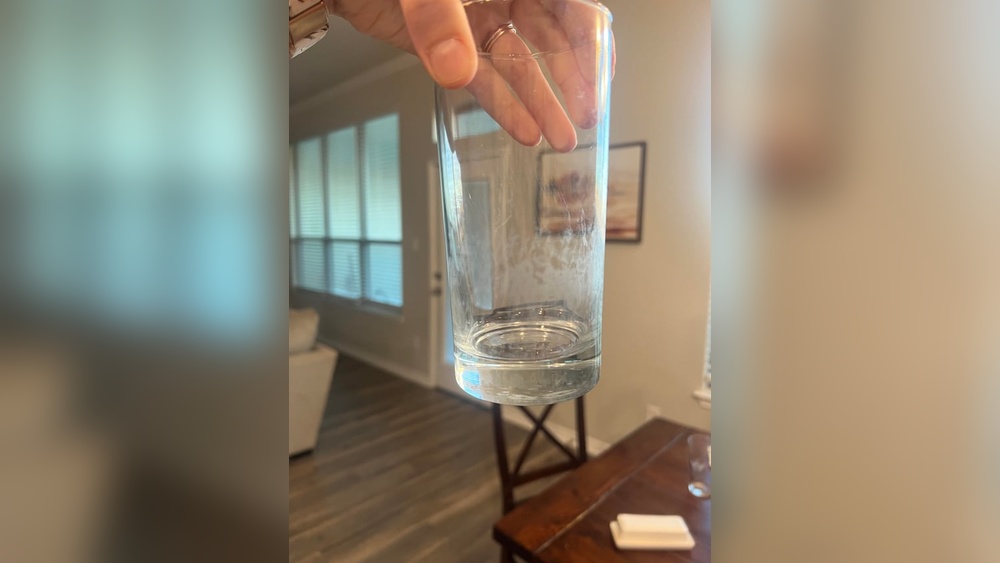
Have you ever filled a glass with tap water and noticed that it looks cloudy or milky at first, then clears up after a few seconds? This is a very common experience, especially in homes with treated municipal water. Many people worry that cloudy water could be unsafe or a sign of poor water quality. As a water quality expert who has worked with both city utilities and private homeowners, I can assure you that there are clear reasons behind this phenomenon, most of which are harmless. In this article, I will explain why water turns cloudy, what causes this effect, and when you should be concerned.
Understanding Cloudy Water
Cloudiness in freshly poured water is technically called turbidity. Turbidity means the water has particles or tiny bubbles that scatter light, making it look white or hazy. Most of the time, this is not dangerous and clears on its own.
Main Causes
The three main reasons for cloudy tap water are:
- Air bubbles trapped under pressure
- Suspended particles such as silt or sand
- Chemical reactions with minerals or chlorine
Each cause has its own signs, but air is by far the most common.
How Cloudy Water Happens
When water travels through pipes, it is often under pressure. Cold water holds more dissolved air than warm water. As water comes out of your tap into a glass, the pressure drops suddenly. This drop causes dissolved air to come out of solution and form tiny bubbles, much like opening a bottle of soda. These micro-bubbles give water a milky look.
Air Bubble Process
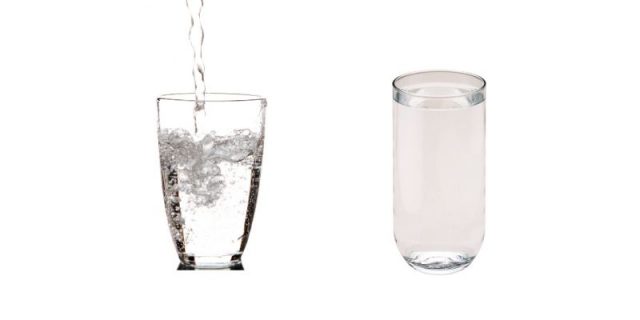
The cloudiness from air bubbles usually fades from the bottom up within 30 seconds. This is because the bubbles rise and escape to the surface. If you watch closely, you can see the water clear as the bubbles disappear.
Example
If you fill two glasses, one with hot water and one with cold, the cold one is more likely to appear cloudy. This is because cold water from the pipes contains more dissolved air.
Why Cloudy Water Matters
While cloudy water is usually harmless, it can sometimes signal issues that need attention.
- Safety: Most cloudy water caused by air is safe to drink. However, if the cloudiness does not clear or is accompanied by an odor, taste, or color, it could be a sign of contaminants.
- Quality: Persistent turbidity can mean your water has sediment or mineral buildup, which may affect plumbing and appliances.
When To Worry
You should be concerned if:
- Cloudiness does not clear after a few minutes
- Water smells bad or has a strange taste
- You notice particles settling at the bottom
Real Numbers And Data
The United States Environmental Protection Agency (EPA) sets the safe limit for turbidity in drinking water at 1.0 NTU (Nephelometric Turbidity Units) for public water systems, and ideally below 0.3 NTU for most of the year.
- Most household tap water measures less than 0.2 NTU
- Cloudy water from air bubbles has NTU values close to zero once cleared
Common Causes And Their Frequency
Below is a summary of how often different causes appear in homes based on field data.
| Cause | Frequency (in homes) | Typical NTU Level | Time to Clear |
|---|---|---|---|
| Air bubbles | 90% | 0.1 – 0.3 | Under 1 minute |
| Sediment | 7% | 0.4 – 1.0 | Does not clear |
| Mineral deposits | 2% | 0.3 – 1.2 | May clear slowly |
| Chemical reactions | 1% | Variable | Does not clear |
Practical Examples
Let’s look at some real-world cases.
- Case 1: In a city apartment, water turned cloudy each morning but cleared in 20 seconds. Testing showed no contaminants. The cause was cold water with dissolved air.
- Case 2: On a rural property, water stayed cloudy and left a white residue. This was traced to high calcium content, which can be solved with a water softener.
- Case 3: In an older house, cloudy water with brown particles did not clear. This was due to rust from old pipes, requiring pipe replacement.
Signs And Indicators
You can often tell the cause by observing:
- How long the cloudiness lasts: Bubbles clear fast, sediment and minerals do not.
- Where the clearing starts: Air clears from the bottom up, particles settle at the bottom.
- Any odor or taste: Chemical smells may suggest a problem.
Visual Test
Fill a glass and place it on the counter. Watch for these signs:
- If the water clears in less than a minute, it is likely air.
- If particles settle, it is probably sediment.
- If the water stays cloudy, especially with color or odor, get it tested.

Credit: www.culligan.com
Step-by-step Guidance
If you notice cloudy water, follow these steps to diagnose and manage it:
- Fill a clear glass with cold tap water.
- Observe the water for up to one minute.
- Note any changes: Does the cloudiness clear? From where?
- Smell the water: Any unusual odor?
- Taste a small amount: Any odd taste?
- Check other taps: Is it the same everywhere?
- Run the tap for 2-3 minutes to flush the system.
- Inspect plumbing if cloudiness persists.
- Contact your water provider if you suspect a problem.
If you use well water, have it tested yearly for minerals and bacteria.
Common Problems And Solutions
Sometimes, cloudy water is not just about air. Here are common issues and what you can do:
Problem 1: Persistent Cloudiness
- Possible causes: Sediment, minerals, pipe corrosion
- Solution: Clean faucet aerators and install a sediment filter
Problem 2: White Residue
- Possible cause: Hard water minerals like calcium
- Solution: Use a water softener or descaler
Problem 3: Discoloration
- Possible cause: Rust or manganese
- Solution: Replace old pipes and flush the system
Problem 4: Bad Odor Or Taste
- Possible cause: Chlorine, bacteria, or decaying organic matter
- Solution: Flush pipes, install a carbon filter, or consult your utility
Problem 5: Cloudy Water Only From Hot Tap
- Possible cause: Sediment buildup in water heater
- Solution: Flush the water heater tank
Credit: www.aquacure.co.uk
Maintenance Tips For Clear Water
Simple steps can help keep your tap water clear and healthy:
- Clean faucet screens every few months to remove trapped debris.
- Flush pipes by running water for a few minutes if you have not used them for a while.
- Install a sediment filter if your home has old pipes or well water.
- Service your water heater every year to prevent mineral buildup.
- Test your water annually, especially if you use a private well.
- Stay informed by reading your local water quality report, which is often available online.
For more about water testing and quality standards, you can visit the EPA’s drinking water standards.
Frequently Asked Questions
Why Does My Tap Water Look Cloudy But Then Clear Up?
This is almost always due to tiny air bubbles released when water moves from high pressure in the pipes to normal pressure in your glass. The bubbles rise and escape, making the water clear again in seconds.
Is Cloudy Tap Water Safe To Drink?
If the cloudiness is from air and clears quickly, it is safe. If it does not clear or if you notice other changes in smell, taste, or color, have your water tested before drinking.
What Should I Do If My Water Remains Cloudy?
Persistent cloudiness can mean sediment, minerals, or a plumbing problem. Try flushing your pipes and cleaning aerators. If it continues, contact your water provider for advice and possible testing.
Can Water Filters Remove Cloudiness?
Most sediment filters can remove particles and some minerals. They cannot remove air bubbles, but they will help with sediment or rust. Carbon filters can help with taste and odor.
How Can I Check Water Quality At Home?
Fill a clear glass and observe for changes. You can also use simple home test kits for minerals or buy a turbidity meter for more precise readings. For full assurance, send a sample to a certified lab.
Credit: www.reddit.com
Key Takeaways
Cloudy water after filling a glass is usually caused by harmless air bubbles. This effect is temporary and clears as bubbles rise and escape. If the cloudiness does not clear or is accompanied by other changes, it may signal sediment, minerals, or plumbing issues. Regular maintenance and observation keep your water safe and clear. For more details, see your local water report or reliable resources such as the CDC’s water quality page.
Understanding the science behind cloudy water helps you stay confident in your home’s water safety and know when to seek help.

Hasan Al Sarker is a Reverse Osmosis Specialist. He has worked for many years to ensure safe drinking water for all. His research paper has been published in several journals, including Issue, Medium, and Slideshare. He is recognized as a water doctor among specialists though he did not attend medical college.
Besides working as a researcher of reverse osmosis technology, he is also very fancy with the kitchen and cooking. His guides are reading thousands of people every day. As a head of content, he is responsible for all the published articles at RO System Reviews.