
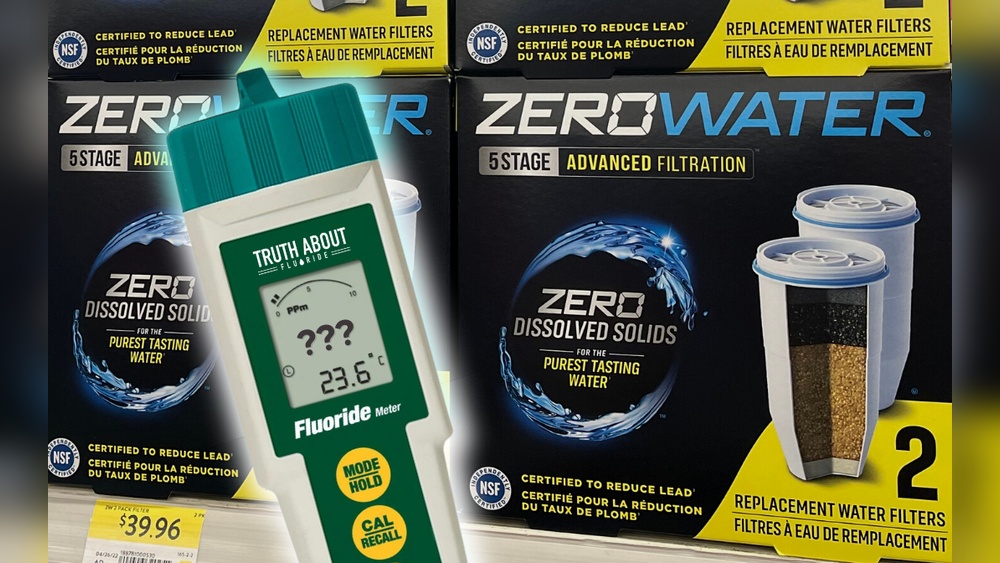
Are you worried about the fluoride in your drinking water? You’ve probably heard about Zero Water filters and wondered if they can really remove fluoride for you and your family.
Knowing what’s in your water is important for your health, but it can be confusing to find the right filter. You’ll discover how Zero Water filters work and whether they are a good choice to reduce fluoride. Keep reading to make sure you’re making the best decision for your water and your health.
How Fluoride Affects Water
Fluoride is a mineral found in water naturally or added during treatment. Its presence changes the water’s taste and chemistry. Many communities add fluoride to water to help prevent tooth decay. But not all fluoride in water is safe at high levels. Understanding how fluoride affects water helps people make better choices about drinking water.
Fluoride levels in water vary depending on location and water source. Some water contains fluoride naturally from rocks and soil. Other water gets fluoride from human activities or water treatment plants. Knowing the sources of fluoride is important for health and safety reasons.
Sources Of Fluoride In Drinking Water
Fluoride enters water mainly from natural and man-made sources. Natural fluoride comes from minerals in rocks and soil. When water flows through these rocks, it picks up fluoride. Some groundwater has higher fluoride levels due to this process.
Man-made sources include water fluoridation and industrial pollution. Many towns add fluoride to water to reduce cavities. Some factories release fluoride into water as waste. These sources can raise fluoride levels above safe limits.
Health Impacts Of Fluoride Exposure
Fluoride has benefits and risks for health. Low fluoride helps prevent tooth decay, especially in children. But too much fluoride can cause problems. Dental fluorosis is a condition where teeth get white spots or stains.
High fluoride exposure can harm bones and cause pain. Some studies link excess fluoride to other health issues. It is important to monitor fluoride levels in drinking water. Safe fluoride levels protect health without causing harm.
Zero Water Filter Technology
Zero Water Filter technology aims to provide cleaner drinking water by removing many impurities. This technology uses a special system designed to reduce contaminants. It works to improve taste and safety of tap water. Understanding this technology helps to know if it removes fluoride effectively.
Filtration Process Explained
Zero Water uses a five-stage filtration process. Each stage targets different types of impurities. The system removes particles, chemicals, and dissolved solids. It starts with a foam distributor to spread water evenly. Then a multi-layer activated carbon filter traps chlorine and organic compounds. Next, an ion exchange resin removes heavy metals and minerals. After that, a non-woven membrane removes finer particles. Finally, a second ion exchange resin reduces remaining dissolved solids. This thorough process lowers total dissolved solids (TDS) in water.
Key Components Of Zero Water Filters
The filter uses activated carbon to absorb chlorine and odors. Ion exchange resins attract and remove metals and minerals. A foam distributor ensures water flows evenly through the filter. A non-woven membrane blocks tiny particles. Together, these parts work to reduce contaminants significantly. The combination makes Zero Water filters effective for many impurities.
Fluoride Removal Capabilities
Fluoride in drinking water is a concern for many people. Some seek filters that can reduce or remove fluoride effectively. Zero Water filters are popular for removing many impurities. But how well do they handle fluoride? This section explores the fluoride removal capabilities of Zero Water filters.
Laboratory Test Results
Tests show Zero Water filters reduce fluoride but not completely. Lab results indicate about 50-60% fluoride removal. The filter uses a five-stage system with activated carbon and ion exchange. These stages help lower fluoride levels but do not eliminate them fully. Results vary depending on water quality and fluoride concentration.
Comparison With Other Filters
Other filters often remove fluoride better than Zero Water. Reverse osmosis and activated alumina filters tend to remove 90% or more. Zero Water excels at removing lead, chlorine, and total dissolved solids. For fluoride, it ranks lower than specialized fluoride filters. Choosing a filter depends on which contaminants you want to reduce most.

User Experiences And Reviews
User experiences and reviews offer real insights about Zero Water Filter’s ability to remove fluoride. Many users share their thoughts based on daily use and testing. These opinions help understand the filter’s real performance beyond product claims.
Some users report clear improvements in water taste and quality. Others mention testing the filtered water for fluoride levels. These firsthand reviews highlight both strengths and weaknesses of the Zero Water Filter.
Positive Feedback On Fluoride Removal
Many users say Zero Water Filter reduces fluoride effectively. They notice fresher and cleaner water after filtering. Some use fluoride test kits and confirm lower fluoride content. People appreciate the multi-stage filtration system for removing various contaminants. Several reviews mention significant improvement in water taste and smell. Users with concerns about fluoride find the filter helpful. The filter’s ability to lower chemicals and metals also gains praise. Many recommend it for daily home use to improve water quality.
Common Complaints And Limitations
Some users feel Zero Water Filter does not remove all fluoride. A few mention inconsistent results depending on water source. The filter may require frequent replacement to maintain effectiveness. Several users note the filter removes many minerals, affecting water taste. Others find the filter slower compared to other models. A small number report leakage or build quality issues. The cost of filter replacements can be high over time. Some users advise testing your water to check fluoride levels before purchase.
Alternatives For Fluoride Removal
Removing fluoride from drinking water can be important for many households. Several options exist to help reduce fluoride levels effectively. These alternatives differ in cost, ease of use, and efficiency. Choosing the right method depends on your needs and water quality.
Activated Alumina Filters
Activated alumina filters are popular for fluoride removal. They use a porous material that attracts fluoride ions. Water passes through the filter, and fluoride sticks to the alumina surface. These filters work best with water that has a neutral pH. They require regular maintenance to stay effective. Activated alumina filters are affordable and easy to install in homes.
Reverse Osmosis Systems
Reverse osmosis (RO) systems remove many impurities, including fluoride. RO pushes water through a semi-permeable membrane. This membrane blocks fluoride and other contaminants. RO systems provide clean, safe drinking water. They also remove minerals, so some users add minerals back for taste. These systems need professional installation and regular filter changes. Reverse osmosis offers one of the highest fluoride removal rates available.

Cost And Maintenance Considerations
Understanding the cost and maintenance of a Zero Water filter is key for many buyers. Knowing these details helps you plan your budget and keep your water clean. This section breaks down important points about filter changes and overall value in removing fluoride.
Filter Replacement Frequency
Zero Water filters do not last forever. They need to be replaced after filtering a certain amount of water. Usually, the filter lasts for about 15 to 20 gallons. This depends on your water quality. If your water has many impurities, the filter may clog faster.
Replacing the filter on time ensures effective fluoride removal. Using a worn-out filter reduces water purity. The replacement cost is a regular expense you must consider.
Overall Value For Fluoride Removal
Zero Water filters use a five-stage filtration process. This can reduce many contaminants, including some fluoride. However, complete fluoride removal may not be guaranteed.
The filter price and replacement cost add up. You pay more for better water quality. Think about how much fluoride removal matters to you. Compare costs with other filters that target fluoride specifically.
Balancing cost and maintenance helps decide if Zero Water fits your needs. Keep your budget and water health in mind.

Frequently Asked Questions
Does Zero Water Filter Remove Fluoride Completely?
Zero Water filters reduce fluoride levels significantly but may not remove 100%. It uses a five-stage filtration process for better contaminant removal, including fluoride. For complete fluoride removal, specialized filters like reverse osmosis may be more effective.
How Effective Is Zero Water Against Fluoride?
Zero Water filters can remove up to 90% of fluoride depending on water quality. Its ion exchange technology targets dissolved solids, including fluoride ions. Effectiveness varies by initial fluoride concentration and filter condition.
Can Zero Water Filter Improve Water Taste And Fluoride Safety?
Yes, Zero Water filters improve water taste by removing chlorine and contaminants, including fluoride. Reduced fluoride levels contribute to safer drinking water. Regular filter replacement ensures optimal performance and fluoride reduction.
Does Zero Water Filter Need Frequent Replacement For Fluoride Removal?
Yes, to maintain fluoride removal efficiency, Zero Water filters require regular replacement. Overused filters lose their ability to reduce fluoride and other contaminants. Follow the manufacturer’s guidelines for timely filter changes.
Conclusion
Zero Water filters remove many impurities from water. But they do not fully remove fluoride. If fluoride removal is important, look for filters made for that purpose. Always check the product details carefully before buying. Clean water is important for health and safety.
Choose the right filter to meet your needs. Simple steps help you get better water at home. Stay informed and make smart choices for your drinking water.

Hasan Al Sarker is a Reverse Osmosis Specialist. He has worked for many years to ensure safe drinking water for all. His research paper has been published in several journals, including Issue, Medium, and Slideshare. He is recognized as a water doctor among specialists though he did not attend medical college.
Besides working as a researcher of reverse osmosis technology, he is also very fancy with the kitchen and cooking. His guides are reading thousands of people every day. As a head of content, he is responsible for all the published articles at RO System Reviews.