
Are you wondering if a Brita water filter is really worth the investment? You want clean, great-tasting water, but you might be unsure if this simple device can make a big difference.
Imagine having fresher, clearer water right from your tap without the hassle or expense of buying bottled water. You’ll discover the real benefits of using a Brita filter, how it works, and whether it fits your lifestyle and budget. Keep reading to find out if this small change can lead to better health and savings for you.
Brita Filter Basics
Understanding the basics of Brita filters helps decide if they fit your needs. These filters improve tap water taste and quality. They work by reducing impurities that affect water flavor and safety.
Knowing how Brita filters work and the types available guides your choice. This knowledge ensures you pick the right filter for your water and lifestyle.
How Brita Filters Work
Brita filters use activated carbon and ion-exchange resin. The carbon traps chlorine and other chemicals that cause bad taste. The resin reduces metals like lead and copper in water. Water passes slowly through the filter to clean effectively. This process improves water taste and safety without changing minerals you need.
Types Of Brita Filters
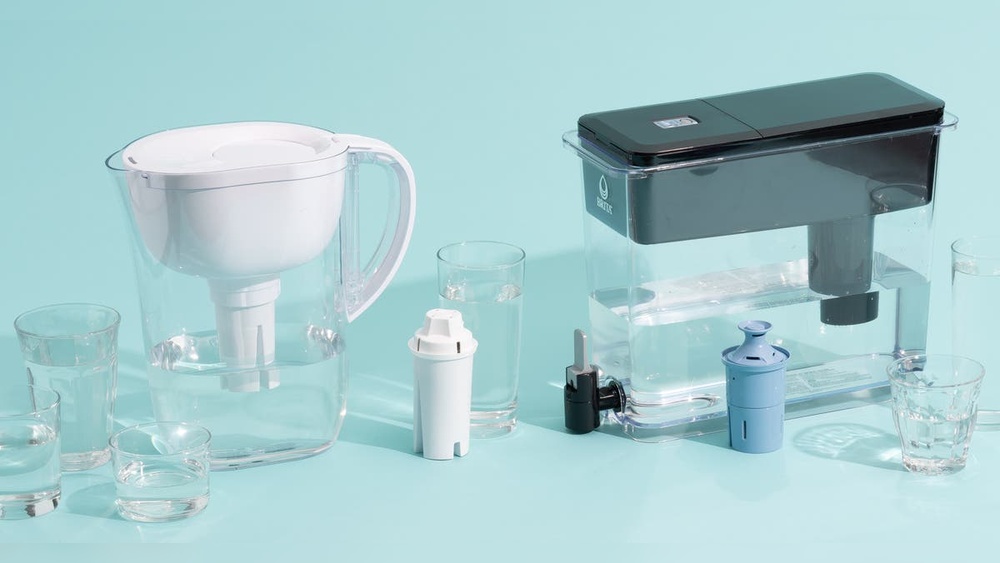
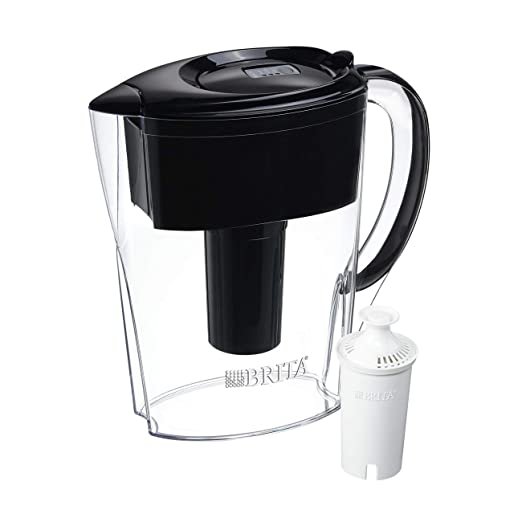
Brita offers several filter types for different uses. Pitcher filters fit in water pitchers for easy use at home. Faucet filters attach directly to your tap for instant filtered water. Bottle filters are portable and perfect for on-the-go hydration. Each type has replacement filters that keep water clean. Choose one based on your daily water habits and preferences.
Water Quality Benefits
Water quality is a key reason many people choose a Brita water filter. Clean water supports health and improves daily hydration. Using a filter can reduce harmful substances and make water safer to drink. It also changes how water tastes and smells, making it more pleasant. These benefits affect not only health but also how much water people drink each day.
Contaminants Removed
Brita filters cut down many common water pollutants. They reduce chlorine, which often causes bad taste and smell. Lead is another harmful contaminant these filters can lower. Some filters also reduce mercury and copper. Removing these elements helps protect your body from toxins. The filter uses activated carbon and ion exchange to trap impurities. It does not remove all minerals, keeping water healthy and natural.
Taste And Odor Improvement
Filtered water tastes fresher and cleaner. Removing chlorine and other chemicals removes bad odors. This makes drinking water more enjoyable and easy. People often drink more water when it tastes better. It can also improve cooking and coffee flavor. The filter smooths water’s taste without adding any chemicals. This simple change boosts daily water intake and hydration.
Cost And Maintenance
Cost and maintenance play a big role in deciding if a Brita water filter is worth it. Knowing these details helps you plan your budget and effort.
Initial Investment
Buying a Brita filter pitcher or dispenser costs between $20 and $50. Prices depend on size and style. The product is easy to find online or in stores. No extra tools or plumbing changes are needed. This makes the upfront cost simple and clear.
Filter Replacement Frequency
Filters usually need changing every 40 gallons or about two months. This depends on how much water you filter daily. Replacement filters cost roughly $6 to $10 each. Changing the filter is quick and does not require skill. Regular replacement keeps water tasting fresh and clean.
Long-term Savings
Using a Brita filter reduces the need to buy bottled water. This saves money over time and cuts plastic waste. The initial and ongoing costs are lower than buying bottled water. Clean tap water at home costs just a few cents per gallon. Over months, this adds up to real savings.

Environmental Impact
Choosing a Brita water filter can affect the environment in several ways. Using filtered water helps reduce waste and supports recycling efforts. These actions matter for the planet and future generations.
Reduction In Plastic Waste
Brita filters reduce the need for bottled water. Fewer plastic bottles mean less trash in landfills and oceans. Many plastic bottles take hundreds of years to break down. Using a Brita filter cuts down on this plastic waste. It helps protect wildlife and keeps nature cleaner. Small changes like this make a big difference over time.
Recycling Brita Filters
Brita offers recycling programs for used filters. Sending filters back keeps plastic and other parts out of landfills. The company recycles materials to make new products. This process saves energy and reduces pollution. Recycling filters supports a circular system. It lowers the overall impact on the environment. Participating in these programs helps make filtering water greener.
User Experience
Many people choose Brita water filters to improve their drinking water. The user experience plays a big role in deciding if this product is worth buying. This section explores how easy the filter is to use and what common problems users report. Understanding these points helps you make a smart choice.
Ease Of Use
Setting up the Brita filter is usually quick and simple. Most users say it fits well in their fridge or on the counter. The pitcher has a clear water level indicator, so you know when to refill. Changing the filter takes only a few seconds. The filter replacement indicator also helps remind users when to swap the cartridge. Pouring water feels smooth and easy, without spills or leaks.
Common Complaints
Some users find the filter slows down water flow a bit. A few mention the pitcher feels bulky or heavy when full. Others say the filter replacement parts can be costly. A small number report a plastic taste in the water during the first uses. Some users also note that the filter does not remove all minerals or chemicals. Cleaning the pitcher can be tricky in the corners.
Alternatives To Brita
Many people want to improve their water quality. Brita filters are popular but not the only choice. Exploring alternatives helps find the best fit for your needs and budget.
Other Filter Brands
Several brands offer water filters similar to Brita. PUR and ZeroWater are well-known options. PUR filters reduce chlorine and some heavy metals. ZeroWater uses a five-stage filter for cleaner taste. Some brands focus on reducing lead or other contaminants. Prices and filter life vary by brand. Compare features to choose what suits your needs.
Tap Water And Bottled Water
Tap water is often safe and regulated. Many cities add fluoride and treat water carefully. Some people prefer bottled water for taste or convenience. Bottled water costs more and creates plastic waste. Using a filter can improve tap water taste and quality. This option is usually cheaper and better for the environment.
Is It Worth It?
Deciding if a Brita water filter is worth it depends on your needs and habits. Many people wonder if the cost and effort of using a Brita filter pay off. The answer varies based on water quality, taste preferences, and budget. Understanding the benefits and drawbacks helps make a clear choice.
Pros And Cons
Brita filters improve water taste by reducing chlorine and odors. They also lower some metals like lead and copper. Using a Brita filter can save money compared to buying bottled water. The filters are easy to use and fit in most refrigerators.
On the downside, Brita filters do not remove all contaminants. The filter needs regular replacement to work well. Some people may find the filtered water tastes flat. Also, Brita pitchers have limited capacity and may not suit large families.
Who Should Consider Brita
People with tap water that tastes or smells bad should try Brita. It suits those who want cleaner water without buying bottles. Small households benefit from the easy use and size of Brita pitchers. Those living in areas with safe but unappealing water find Brita helpful.
Families needing large amounts of filtered water might need bigger systems. People with serious water quality issues may require advanced filters or treatment. Brita works best for everyday use and improving basic water taste and quality.
Frequently Asked Questions
What Contaminants Does A Brita Filter Remove?
A Brita filter reduces chlorine, mercury, copper, and zinc. It also improves taste and odor. However, it does not remove all contaminants like bacteria or viruses.
How Often Should I Replace A Brita Filter?
Replace the Brita filter every 40 gallons or about every two months. This ensures optimal water filtration and taste quality.
Is Brita Water Safer Than Tap Water?
Brita filters improve tap water taste and reduce some chemicals. However, it does not guarantee complete purification or removal of all harmful substances.
Can Brita Filters Save Money On Bottled Water?
Yes, using a Brita filter reduces bottled water purchases. This saves money and reduces plastic waste, benefiting both your wallet and the environment.
Conclusion
A Brita water filter can improve your tap water taste and quality. It reduces chlorine and some impurities effectively. The filter is easy to use and affordable. You save money compared to buying bottled water. Changing filters regularly keeps water clean and fresh.
Consider your water needs and budget before buying. Clean water helps you stay healthy every day. A Brita filter offers a simple way to enjoy better water at home. Worth thinking about for better hydration and taste.

Hasan Al Sarker is a Reverse Osmosis Specialist. He has worked for many years to ensure safe drinking water for all. His research paper has been published in several journals, including Issue, Medium, and Slideshare. He is recognized as a water doctor among specialists though he did not attend medical college.
Besides working as a researcher of reverse osmosis technology, he is also very fancy with the kitchen and cooking. His guides are reading thousands of people every day. As a head of content, he is responsible for all the published articles at RO System Reviews.