

Are you wondering if the Primo Water Dispenser has a filter? If you care about the quality and taste of your water, this question matters.
Knowing whether your dispenser filters water can help you stay healthier and save money. You’ll discover the truth about Primo’s filtering system and what it means for your daily hydration. Keep reading to find out everything you need to know before making your next water dispenser choice.
Primo Water Dispenser Basics
Understanding the basics of Primo water dispensers helps to know how they serve fresh water. These dispensers are popular for providing easy access to drinking water at home or office. They work by connecting to water bottles or a water line, depending on the model.
Primo dispensers aim to deliver clean, cold, or hot water quickly. Their design focuses on convenience and reliability. Knowing their functions and types can help you choose the right one for your needs.
How Primo Dispensers Work
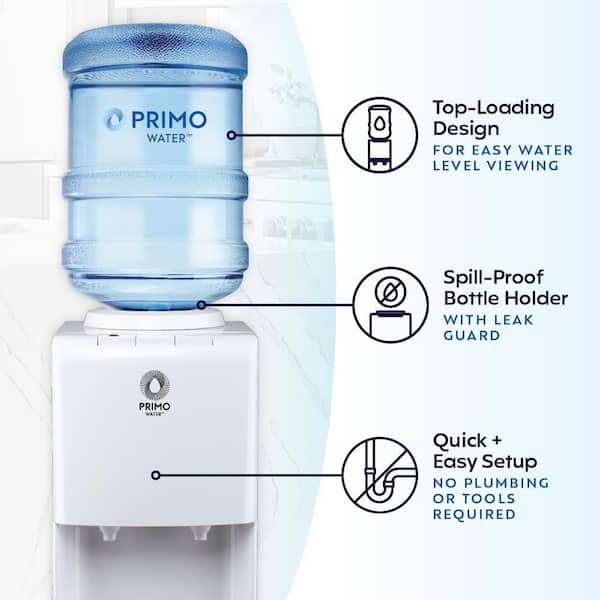
Primo water dispensers use bottles filled with purified water. You place the bottle upside down on top of the dispenser. The dispenser cools or heats the water inside the bottle. It uses a simple cooling system for cold water and a heating element for hot water.
The water flows through the dispenser’s taps when you press the lever. It does not filter the water again inside the machine. The quality depends on the water inside the bottle. Some models connect directly to a water line for continuous supply.
Types Of Primo Water Dispensers
Primo offers several types of dispensers to suit different needs. The bottle-top dispenser is the most common type. It works with 3-gallon or 5-gallon water bottles.
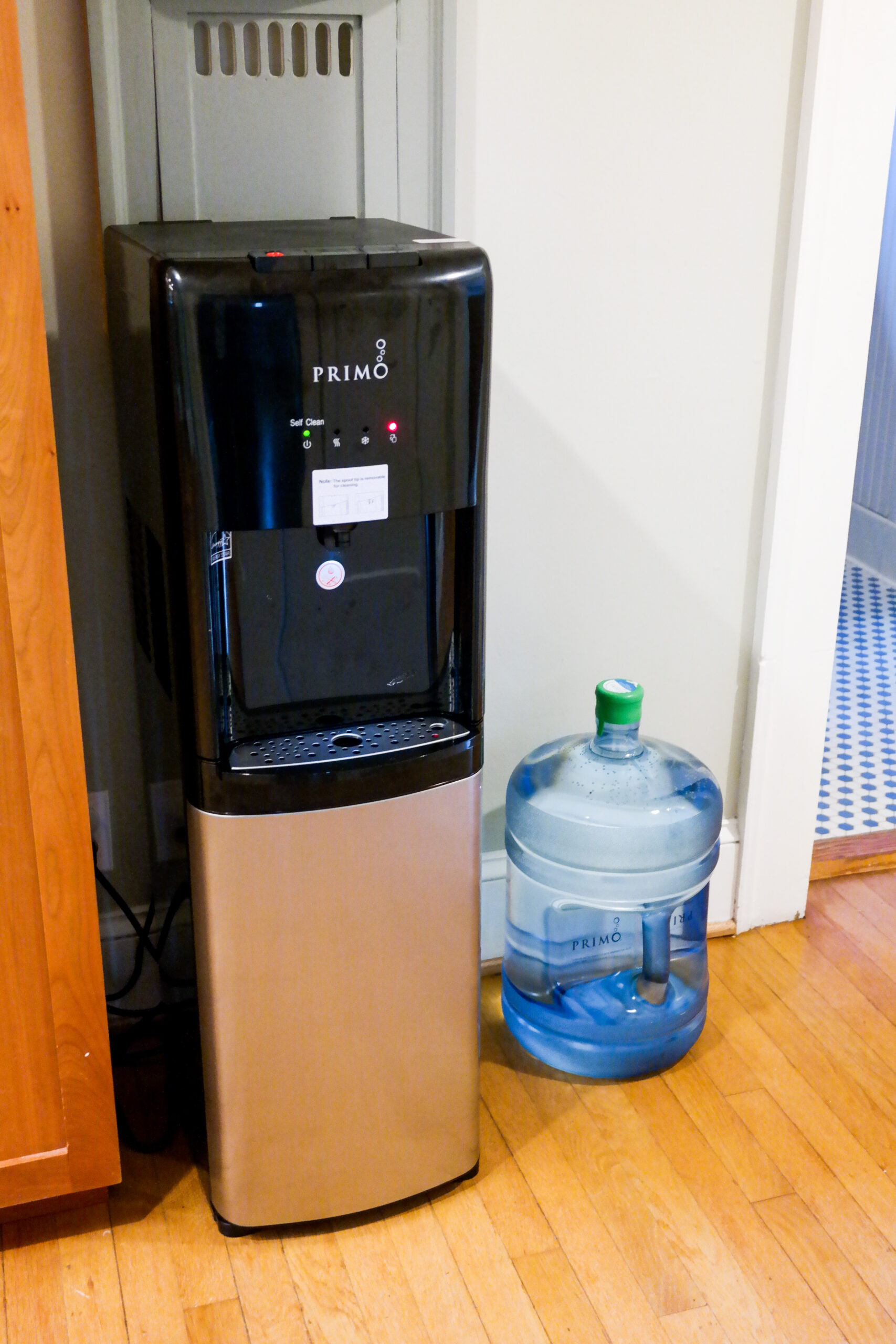
Another type is the bottom-load dispenser. It hides the water bottle inside the cabinet for a cleaner look. It is easier to load heavy bottles without lifting them high.
There are also countertop models for small spaces. Some Primo dispensers connect to a water line for hands-free refilling. Each type offers different features but follows the same basic water delivery method.
Filter Presence In Primo Dispensers
Primo water dispensers are popular for home and office use. Many buyers ask about the filter presence in these dispensers. Understanding which models have filters helps users choose the right one for their needs. Some Primo dispensers include built-in filters. Others do not have any filter system inside. This section explains the differences clearly.
Models With Built-in Filters
Certain Primo water dispensers come with built-in filters. These filters improve water taste by reducing impurities. They remove chlorine and some sediments from the water. This feature benefits users who want cleaner drinking water. Filters need regular replacement for best results. Models with filters are slightly more expensive but add value.
Models Without Filters
Many Primo dispensers do not have built-in filters. These models deliver water directly from the bottle. They rely on the bottled water quality for cleanliness. Without a filter, the dispenser is simpler and often cheaper. Users must choose high-quality bottled water for safety. These dispensers are easy to maintain and use.
Benefits Of Filtered Water
Filtered water offers many benefits that improve daily drinking habits. It removes impurities and harmful substances from tap water. Drinking filtered water supports better health and enhances taste. Clean water is essential for a healthy lifestyle and hydration.
Health Advantages
Filtered water removes chlorine, lead, and other harmful chemicals. It reduces bacteria and sediments that can cause illness. Drinking clean water helps protect your body from toxins. It supports your immune system and overall wellness. Many people feel better after switching to filtered water.
Taste And Odor Improvements
Filtered water tastes fresher and cleaner than tap water. It removes bad odors caused by chemicals and minerals. Water without strange smells encourages you to drink more. Better taste makes it easier to stay hydrated. Filtered water can improve the flavor of coffee and tea too.
Filter Maintenance And Replacement
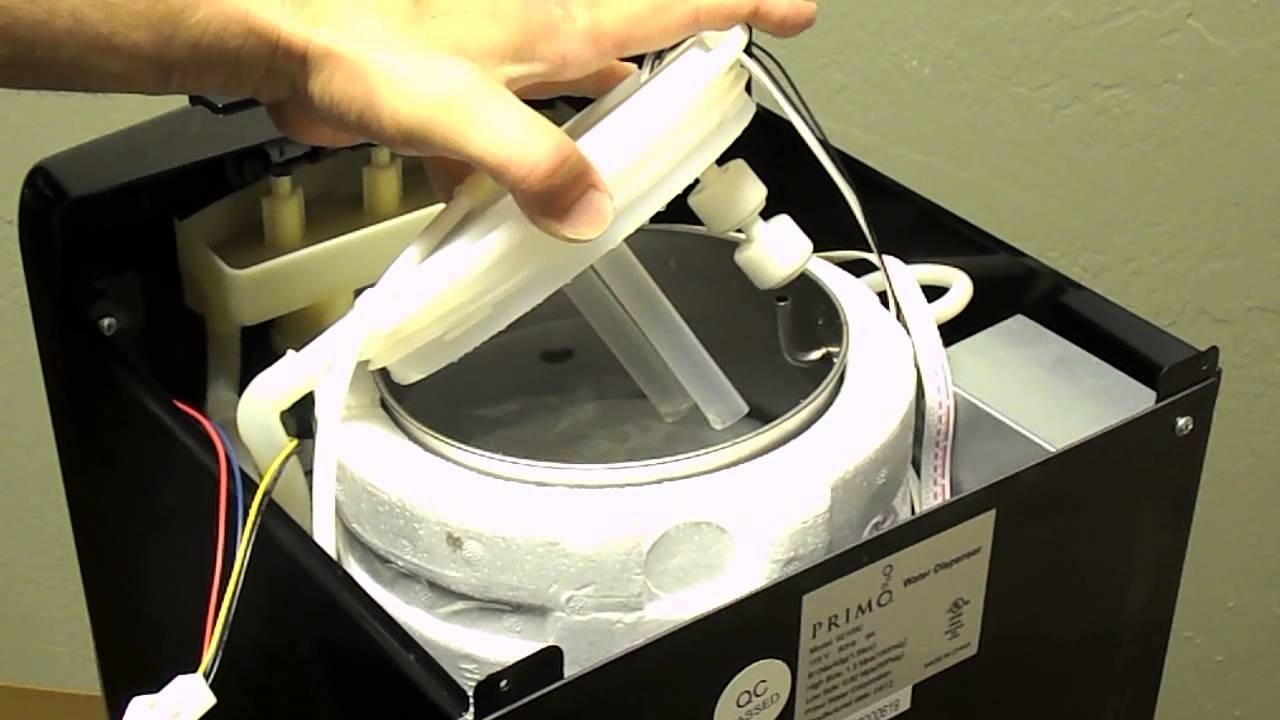
Maintaining and replacing the filter in your Primo water dispenser is key to clean, fresh water. Regular care keeps the water tasting good and removes impurities effectively. Neglecting filter upkeep can lead to poor water quality and might damage the dispenser.
When To Replace Filters
Replace the filter every three to six months depending on water usage. Signs of a worn filter include slower water flow and unusual taste. Some Primo models have indicators to remind you about filter changes. Clean filters work best and protect your health.
How To Replace Filters
First, turn off the water supply to the dispenser. Open the filter compartment, usually at the back or inside the unit. Remove the old filter by twisting or pulling it out carefully. Insert the new filter firmly in place, following the arrows or instructions. Close the compartment and turn the water back on. Run water for a few minutes to flush the new filter. This clears any loose carbon particles and prepares it for use.
Alternatives To Built-in Filters
Primo water dispensers usually do not include built-in filters. This means you need other ways to get clean water. Many people want fresh and safe water for drinking and cooking. There are simple options to make sure your water is filtered well.
Choosing the right alternative can help you enjoy pure water without extra hassle. These options fit different needs and budgets. They also work well with your Primo water dispenser.
Using External Filters
External water filters are easy to add to your Primo dispenser. These filters attach to the water source or the dispenser’s spout. They remove dirt, chlorine, and some bacteria.
Many external filters use activated carbon or ceramic material. These materials improve taste and reduce bad smells. You can replace the filter cartridges regularly to keep water clean.
Installing external filters does not take much time. They are a cost-effective way to improve water quality. You get fresh water without buying bottled water often.
Choosing Filtered Water Bottles
Filtered water bottles come with built-in filters. You fill them from any tap or water dispenser. The filter cleans water as you drink.
These bottles are great for travel or outdoor use. You can refill them multiple times. They reduce plastic waste and save money on bottled water.
Using filtered bottles with your Primo dispenser adds an extra layer of safety. You get clean water straight from the bottle. It is a simple, portable solution for filtered water.
User Experiences And Reviews
User experiences and reviews offer real insight into the Primo Water Dispenser’s filter system. Users share their thoughts on how the dispenser works daily. These opinions help understand the product’s strengths and weaknesses. Below are common themes from user feedback.
Positive Feedback
Many users appreciate the ease of use of the Primo Water Dispenser. They find the water taste clean and fresh, which suggests the filter works well. Several reviews mention the dispenser’s convenience for home and office use. Customers like the simple design and quick water flow. Some say the filter replacement is straightforward and not costly.
Common Complaints
Some users note the filter does not last as long as expected. A few mention the water flow slows down over time. Others report occasional leaks or drips around the filter area. Some find the dispenser noisy during use. A small number feel the filter system adds extra maintenance compared to other brands.
Final Tips For Primo Water Users
Using a Primo Water dispenser can make your water more convenient and tasty. Knowing some final tips helps you get the best from your machine. Small steps keep your water fresh and safe for daily use.
Maximizing Water Quality
Clean your dispenser regularly. Use mild soap and warm water for the drip tray and spouts. Replace water bottles before they run empty. This avoids air entering the system, which can affect taste. Keep the dispenser away from sunlight and heat to stop bacteria growth.
Cost Considerations
Buy water bottles in bulk to save money. Check for local refill stations to reduce bottle costs. Compare prices online and in stores before buying. Watch for sales or discounts. Remember, good water quality means spending a little more upfront but saving on health later.
Frequently Asked Questions
Does Primo Water Dispenser Include A Built-in Filter?
No, Primo Water Dispensers do not have built-in filters. They use pre-filled water bottles that are filtered before bottling. This design ensures clean, purified water without needing an internal filtration system.
How Often Should I Replace Primo Water Bottles?
You should replace Primo water bottles as soon as they are empty. The bottles are single-use and pre-filtered. Regular replacement ensures you always have fresh, clean water and maintains dispenser hygiene.
Can I Use Filtered Water In A Primo Dispenser?
Yes, you can use filtered water in a Primo dispenser. However, the dispenser is designed for sealed Primo bottles. Using other water sources may affect dispenser function or warranty.
Does Primo Water Dispenser Improve Water Taste?
Primo Water Dispensers deliver pre-filtered water, which tastes clean and fresh. The quality depends on the bottled water, not the dispenser. Using Primo’s purified water guarantees consistent taste and quality.
Conclusion
Primo Water Dispensers do not have built-in filters. They rely on the water bottles you use. Choose filtered or purified bottles for cleaner water. This keeps maintenance simple and fast. Knowing this helps you pick the right dispenser. Clean water depends on the bottle, not the machine.
This makes using Primo easy and convenient. Always check your water source for safety. That way, you enjoy fresh water every day.

Hasan Al Sarker is a Reverse Osmosis Specialist. He has worked for many years to ensure safe drinking water for all. His research paper has been published in several journals, including Issue, Medium, and Slideshare. He is recognized as a water doctor among specialists though he did not attend medical college.
Besides working as a researcher of reverse osmosis technology, he is also very fancy with the kitchen and cooking. His guides are reading thousands of people every day. As a head of content, he is responsible for all the published articles at RO System Reviews.