
Have you ever wondered what’s really hiding in your tap water? Even if it looks clear, your water might still carry unwanted chemicals, odors, or tastes that affect your health and enjoyment.
That’s where a carbon filter comes in. But what exactly does it remove from your water? Understanding this can help you make smarter choices for your family’s drinking water. Keep reading to discover how a carbon filter works and what impurities it can eliminate to give you cleaner, fresher water every day.
How Carbon Filters Work
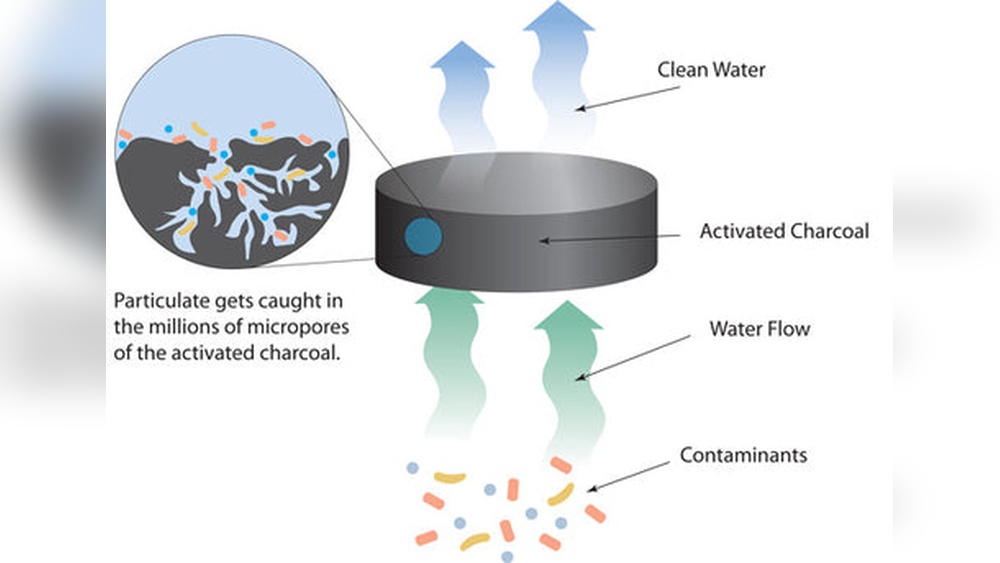
Carbon filters clean water by removing many harmful substances. They use a special material to trap bad particles and chemicals. This process makes water safer and better to drink.
Activated Carbon Basics
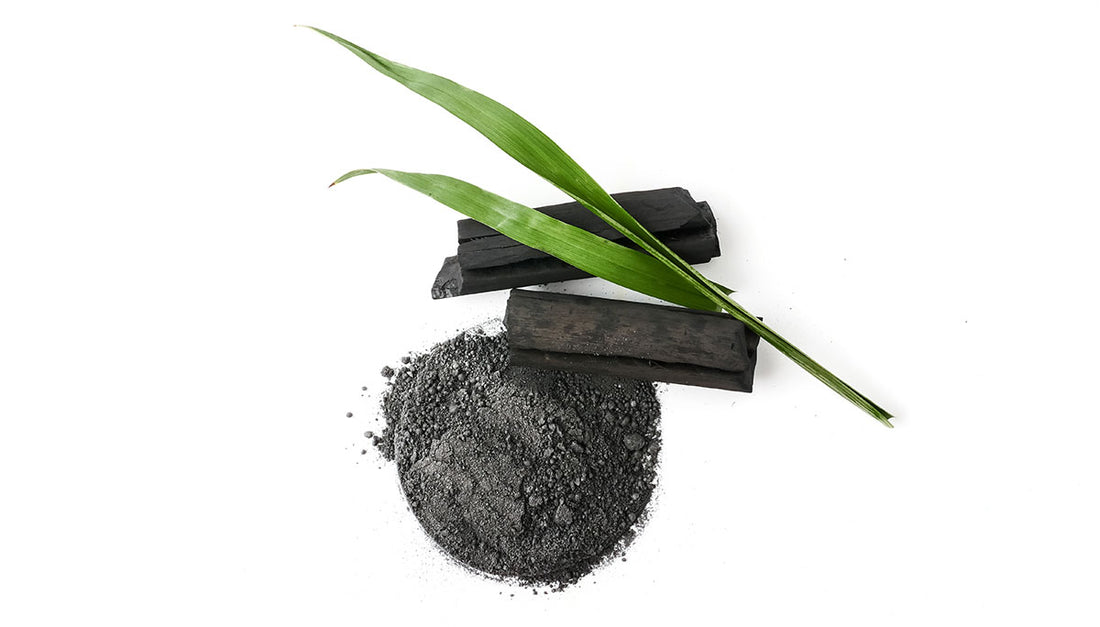
Activated carbon is carbon treated to have many tiny holes. These holes increase the surface area. More surface means more space to trap impurities. This carbon is often made from coconut shells or coal.
Adsorption Process
Adsorption is the key to how carbon filters work. Water passes through the carbon material. Harmful chemicals stick to the surface of the carbon. They do not pass through with the water. This removes chlorine, pesticides, and some heavy metals.
Filter Types
There are several types of carbon filters. Granular activated carbon (GAC) uses loose granules. It works well for chlorine and odor removal. Carbon block filters are dense and stronger. They trap smaller particles and more contaminants. Some filters combine carbon with other materials for extra cleaning.
Common Contaminants Removed
Carbon filters clean water by removing many common contaminants. These filters improve water quality and safety. They work by trapping harmful substances in the filter’s porous carbon material. This process helps protect health and enhances water taste.
Chlorine And Chloramine
Chlorine is used to kill bacteria in tap water. It can give water a strong smell and taste. Carbon filters remove chlorine effectively. They also reduce chloramine, a chemical made from chlorine and ammonia. Removing these chemicals makes water safer and more pleasant.
Volatile Organic Compounds
Volatile Organic Compounds (VOCs) come from industrial pollution and household products. These chemicals can harm health and cause bad water taste. Carbon filters capture VOCs before they reach your glass. This helps keep water clean and fresh.
Pesticides And Herbicides
Pesticides and herbicides enter water from farms and gardens. They are harmful if consumed over time. Carbon filters reduce many of these chemicals. This lowers the risk of health problems linked to contaminated water.
Bad Tastes And Odors
Water can have unpleasant tastes and smells from various sources. Carbon filters absorb these unwanted elements. They remove sulfur, rotten egg smell, and other odors. This results in fresh, clean-tasting water every time.
Limitations Of Carbon Filters
Carbon filters clean water by trapping many impurities. They work well for chemicals, bad smells, and some particles. But they cannot remove everything. Understanding their limits helps choose the right water filter. Below are some things carbon filters cannot fully remove.
Heavy Metals
Carbon filters do not remove heavy metals like lead or mercury. These metals are harmful to health even in small amounts. Special filters, such as reverse osmosis or distillation, handle heavy metals better. Relying only on carbon filters may leave these metals in your water.
Microorganisms
Carbon filters cannot kill or trap viruses and bacteria. These tiny organisms cause sickness and need strong treatment. UV filters or boiling water remove microorganisms safely. Using only carbon filters may not make water safe to drink from germs.
Minerals And Salts
Carbon filters do not remove minerals and salts from water. These include calcium, magnesium, and sodium. Minerals affect water hardness but are not harmful in small amounts. Other filters like water softeners or reverse osmosis remove these substances better.

Benefits Of Using Carbon Filters
Carbon filters offer many benefits for water purification. They remove many impurities that affect water quality. Using a carbon filter can make water safer and more pleasant to drink.
These filters are easy to use and affordable. They improve water in ways that matter for health and taste. People can enjoy cleaner water at home or work.
Improved Water Taste
Carbon filters remove chlorine and other chemicals that cause bad taste. Water no longer smells or tastes strange. This makes drinking water more enjoyable. Fresh and clean water encourages people to drink more.
Health Considerations
Carbon filters reduce harmful substances like pesticides and volatile organic compounds. Removing these impurities supports better health. Filters also lower some heavy metals, making water safer. Cleaner water helps protect the whole family from illness.
Environmental Impact
Using carbon filters reduces plastic bottle waste. People rely less on bottled water. This helps cut down pollution and landfill waste. Carbon filters also use less energy than other treatment methods. They offer a greener choice for clean water.
Maintenance And Replacement Tips
Maintaining a carbon filter is key to clean water. Regular care keeps the filter working well. Knowing when and how to replace it helps avoid problems. Proper disposal protects the environment. Follow these tips for a safe, fresh water supply.
Filter Lifespan
Most carbon filters last three to six months. This depends on water quality and usage. High contaminants shorten filter life. Check the manufacturer’s guide for exact time. Replace the filter on schedule to keep water pure.
Signs To Replace
Notice a strange taste or smell in water. Water flow slows down noticeably. Filter looks dirty or clogged inside. These signs mean the filter needs replacement. Don’t wait too long to change it. Old filters can let harmful particles pass through.
Proper Disposal
Used carbon filters contain trapped pollutants. Throwing them in trash can harm the environment. Check local rules for disposal or recycling. Some places accept filters at special centers. Follow guidelines to dispose of filters safely.
Frequently Asked Questions
What Contaminants Do Carbon Filters Remove From Water?
Carbon filters effectively remove chlorine, sediment, volatile organic compounds (VOCs), and bad odors from water. They also reduce some pesticides and herbicides, improving taste and safety.
Can Carbon Filters Remove Heavy Metals From Water?
Carbon filters reduce certain heavy metals like lead and mercury, but they are not fully effective for all metals. Specialized filters may be needed for complete heavy metal removal.
How Does A Carbon Filter Improve Water Taste?
Carbon filters absorb chlorine and organic compounds that cause bad taste and odor. This results in cleaner, fresher, and more pleasant-tasting water for drinking and cooking.
Are Carbon Filters Effective Against Bacteria And Viruses?
Standard carbon filters do not remove bacteria or viruses. For microbial contaminants, additional disinfection methods like UV treatment or reverse osmosis are necessary.
Conclusion
A carbon filter cleans water by removing many harmful substances. It catches chlorine, bad smells, and chemicals. It also reduces some pesticides and heavy metals. This makes water taste better and safer to drink. Clean water helps keep your body healthy.
Using a carbon filter is a smart choice for fresh water. Simple and effective. Clear water, clear mind.

Hasan Al Sarker is a Reverse Osmosis Specialist. He has worked for many years to ensure safe drinking water for all. His research paper has been published in several journals, including Issue, Medium, and Slideshare. He is recognized as a water doctor among specialists though he did not attend medical college.
Besides working as a researcher of reverse osmosis technology, he is also very fancy with the kitchen and cooking. His guides are reading thousands of people every day. As a head of content, he is responsible for all the published articles at RO System Reviews.