
Are you worried about fluoride in your drinking water but don’t want to buy an expensive filter? You’re not alone.
Many people want a simple, natural way to remove fluoride without complicated gadgets. What if you could improve your water’s quality using easy methods right at home? You’ll discover practical, effective ways to reduce fluoride in your water—without spending a fortune or relying on filters.
Keep reading, because your health and peace of mind are worth it.
Why Remove Fluoride
Fluoride is a common additive in many water supplies. It helps reduce tooth decay but can cause health worries for some people. Knowing why you might want to remove fluoride from your water is important for making safe choices. This section explains the main reasons to consider fluoride removal.
Health Concerns
Too much fluoride can cause health problems. It may lead to dental fluorosis, which changes the look of teeth. High fluoride levels can also affect bones and joints. Some studies suggest fluoride might impact the thyroid gland and brain health. People with certain health conditions should be cautious about fluoride intake.
Fluoride Sources In Water
Fluoride gets into water naturally from rocks and soil. Many cities add fluoride to water to help dental health. Well water can have high natural fluoride levels. Bottled water may or may not contain fluoride. Knowing the source of fluoride helps decide if removal is needed.
Benefits Of Fluoride Removal
Removing fluoride can improve water taste and safety. It helps protect children and sensitive adults from excess fluoride. Lower fluoride levels can reduce risks of dental and bone issues. Clean water without fluoride suits people who prefer natural water. It also supports overall health and peace of mind.
Natural Filtration Techniques
Natural filtration techniques offer simple ways to reduce fluoride in water. These methods use common materials and basic processes. They do not need special filters or machines. People can try them at home with some patience and care.
Boiling And Settling
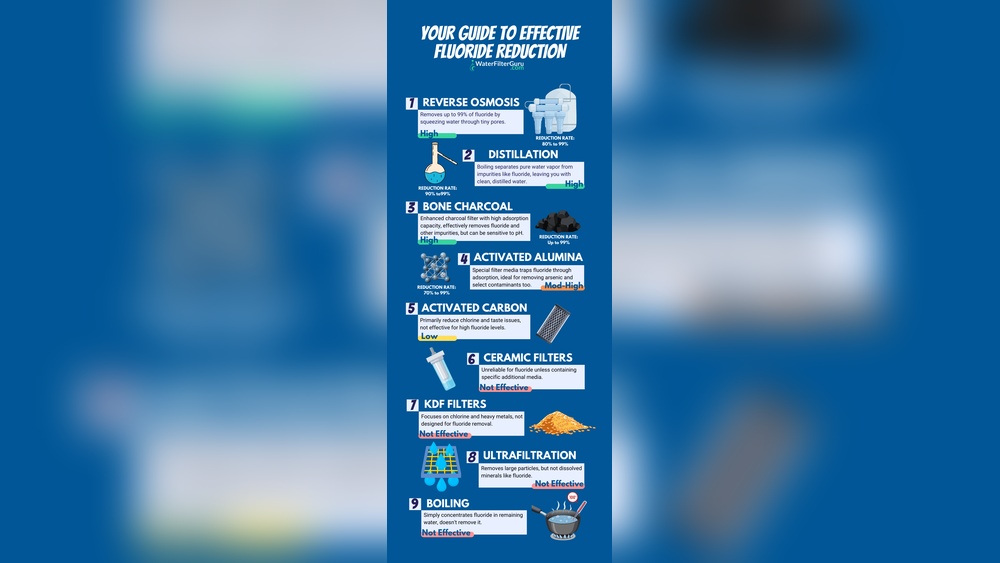
Boiling water helps remove some impurities but not all fluoride. It can reduce fluoride slightly by evaporation. After boiling, let water sit for several hours. This lets heavy particles settle at the bottom. Carefully pour clear water from the top to avoid disturbing sediment. This method lowers fluoride a little but is not very strong.
Activated Alumina Method
Activated alumina is a natural material with a high surface area. It can absorb fluoride ions from water effectively. To use, soak activated alumina in water for some time. Then, pour water slowly through the alumina. The material traps fluoride while letting clean water pass. This technique needs replacing alumina regularly for best results. It works well without electric filters or chemicals.
Bone Char Filtration
Bone char is made by heating animal bones in low oxygen. It contains carbon and calcium compounds. These can attract and hold fluoride ions from water. You can make a simple bone char filter at home. Pour water slowly through a layer of bone char. The fluoride sticks to the char, and cleaner water comes out. This method is traditional and used in many parts of the world.
Chemical Treatment Options
Chemical treatment options offer ways to remove fluoride from water without using filters. These methods change the water’s chemistry to reduce fluoride levels. The treatments use common substances and simple processes. They suit small-scale or home use. Each method works by causing fluoride to settle or react, making it easier to remove.
Using Lime For Precipitation
Lime, or calcium hydroxide, helps remove fluoride by precipitation. Adding lime raises the water’s pH. This change causes fluoride to form solid particles. These solids settle at the bottom of the container. The clear water on top has less fluoride. This method is cost-effective and uses easy-to-find materials.
Adding Calcium Compounds
Calcium compounds like calcium chloride or calcium nitrate also reduce fluoride. They react with fluoride to form insoluble calcium fluoride. This solid can be separated from the water by settling or filtration. Using calcium compounds is simple and safe for household use. It improves water quality by lowering fluoride levels quickly.
Ph Adjustment Approaches
Changing the water’s pH affects fluoride removal. Fluoride ions react more at higher pH levels. Adding alkaline substances like sodium carbonate raises the pH. This helps fluoride form compounds that settle out. Careful pH control is important to avoid water damage. This method works best combined with other treatments.

Distillation And Evaporation
Removing fluoride from water can be done using distillation and evaporation. These methods rely on natural processes to separate fluoride from water. They do not need special filters. Both techniques use heat to turn water into vapor. The vapor leaves impurities behind, including fluoride. Later, the vapor turns back into clean water. This process works well for small amounts of water at home.
Simple Distillation Setup
Simple distillation uses boiling and condensation. First, boil the water in a pot with a lid. The lid should be tilted to guide steam. Place a clean container to catch the condensed water. The steam rises and hits the cool lid. It turns back into liquid and drips into the container. This water has less fluoride because fluoride stays in the pot. Repeat the process for better results.
Solar Evaporation Method
Solar evaporation uses the sun’s heat to clean water. Pour water in a shallow pan or tray. Cover the pan with a clear plastic sheet. Place a small weight in the center so water drips off. The sun heats the water, and it evaporates. The vapor collects on the plastic and drips into a clean container. This method is slow but uses no energy. It reduces fluoride by leaving it behind in the pan.
Diy Adsorption Materials
Removing fluoride from water can be done using natural materials at home. These materials work by adsorption, a process where fluoride sticks to their surfaces. DIY adsorption materials are affordable and easy to find. They do not need special equipment or filters. Using these materials can improve water quality safely.
Using Charcoal
Charcoal is a common material for adsorbing fluoride. It has many tiny pores that trap fluoride particles. Use activated charcoal for better results. Crush the charcoal into small pieces. Place it in a container and pour water over it. Let the water sit for several hours. The fluoride will stick to the charcoal, cleaning the water.
Rice Husk Ash
Rice husk ash is made by burning rice husks. It contains silica, which helps remove fluoride. Collect rice husks and burn them until they turn to ash. Cool the ash before use. Add the ash to water and stir well. Let it settle, then pour off the clean water. The ash adsorbs fluoride and other impurities.
Clay Minerals
Clay minerals like bentonite and kaolinite can absorb fluoride ions. These clays have a large surface area and charged particles. Mix clay with water to make a slurry. Pour the slurry into the water to be treated. Stir and let it sit for some time. The clay binds with fluoride, reducing its amount in water.
Testing Water At Home
Testing your water at home helps you know if fluoride is present. This step is important before trying to remove fluoride. You can get clear results with simple tools. Testing also saves money and time.
Fluoride Test Kits
Fluoride test kits are easy to use. These kits include test strips or liquid reagents. You dip the strip or add drops to your water sample. Then, wait a few minutes for color change. The kit usually comes with a color chart for comparison.
Buy test kits from online stores or local shops. Choose kits with clear instructions and good reviews. Some kits test fluoride only. Others check for multiple water chemicals.
Interpreting Results
Match the color on the test strip to the chart. Darker colors often mean higher fluoride levels. Light or no color means low or no fluoride. Follow the kit’s guide carefully to avoid mistakes.
Repeat the test two or three times for accuracy. Write down your results and compare over time. If fluoride levels are high, consider methods to reduce it.
Tips For Maintaining Safe Water
Maintaining safe water is important for health. Removing fluoride without a filter takes effort. Simple tips can help keep water clean and safe at home. These steps make a big difference in water quality.
Regular Water Testing
Testing water often shows if fluoride levels are safe. Use easy test kits available online or in stores. Check water quality every few months. Testing helps catch problems before they get worse. Knowing your water’s condition guides the next steps.
Combining Methods
Use more than one way to reduce fluoride. Boiling water can lower some fluoride but not all. Adding natural substances like activated alumina can help. Mixing methods improves results. Try simple home remedies alongside testing for better safety.
Safe Storage Practices
Store water in clean, sealed containers. Keep containers away from sunlight and heat. Clean storage jars regularly to avoid germs. Using safe containers stops new contamination. Proper storage keeps water fresh and healthy.


Frequently Asked Questions
How Can I Remove Fluoride From Water Without A Filter?
You can remove fluoride using methods like boiling, activated alumina, or natural adsorption materials. These options reduce fluoride without needing a traditional water filter.
Does Boiling Water Remove Fluoride Effectively?
Boiling water does not remove fluoride. In fact, it may concentrate fluoride levels as water evaporates. Alternative methods are recommended for fluoride removal.
Can Activated Alumina Remove Fluoride From Water?
Yes, activated alumina is highly effective at adsorbing fluoride. It is commonly used in water treatment to reduce fluoride levels safely.
Are Natural Methods Effective For Fluoride Removal?
Some natural materials like bone char and certain clays can reduce fluoride. However, their effectiveness varies and may require careful application.
Conclusion
Removing fluoride from water without a filter is possible. Simple methods like boiling or using activated alumina help reduce fluoride. Natural options such as bone char or certain clays also work. Keep in mind, no method removes all fluoride completely.
Testing water regularly ensures safer drinking water. Clean water supports better health and well-being. Try these easy steps to improve your water quality today.

Hasan Al Sarker is a Reverse Osmosis Specialist. He has worked for many years to ensure safe drinking water for all. His research paper has been published in several journals, including Issue, Medium, and Slideshare. He is recognized as a water doctor among specialists though he did not attend medical college.
Besides working as a researcher of reverse osmosis technology, he is also very fancy with the kitchen and cooking. His guides are reading thousands of people every day. As a head of content, he is responsible for all the published articles at RO System Reviews.