Are you worried about the nitrates in your water? You’re not alone.
High nitrate levels can affect your health and the taste of your water. But don’t worry—there are simple and effective ways to filter nitrates from your water right at home. You’ll discover easy steps and practical solutions that anyone can use.
Keep reading to learn how you can make your water safer and cleaner for you and your family.
Sources Of Nitrate Contamination
Nitrates are common pollutants in water. They come from different sources. Knowing these sources helps in reducing nitrate contamination. It also guides the best ways to filter nitrates from water.
Agricultural Runoff
Farmers use fertilizers rich in nitrates to grow crops. Rain or irrigation can wash these chemicals into rivers and lakes. This runoff raises nitrate levels in water bodies. It also seeps into underground water, affecting wells.
Industrial Waste
Some factories release waste that contains nitrates. This waste often goes into nearby water sources. Improper handling of industrial waste increases nitrate pollution. It can harm both people and animals relying on the water.
Septic Systems
Septic tanks treat household waste on-site. Poorly maintained or old systems leak nitrates into the ground. These nitrates move into groundwater over time. Many rural homes face this problem without regular septic care.
Health Risks Of Nitrates
Nitrates are common in water sources, especially in farming areas. These chemicals come from fertilizers, animal waste, and sewage. Drinking water with high nitrate levels can cause serious health problems. Understanding these risks helps you protect yourself and your family.
Methemoglobinemia In Infants
Infants are very sensitive to nitrates in water. High nitrate levels can cause methemoglobinemia, also called “blue baby syndrome.” This condition reduces oxygen in the blood. Babies may look pale or have a blue tint on their skin. It can cause breathing problems and even be fatal if untreated. Using safe water for infants is very important.
Long-term Exposure Effects
Adults drinking nitrate-contaminated water for years face health risks too. Long-term exposure may increase the risk of certain cancers. Stomach and bladder cancers are linked to nitrate intake. Nitrates can also affect thyroid function and cause other health issues. Regular testing and filtering of water can reduce these risks.
Testing Water For Nitrates
Testing water for nitrates is a key step to ensure safe drinking water. Nitrates can cause health problems, especially for babies and pregnant women. Knowing the nitrate level helps decide if water needs treatment. There are simple ways to test water at home or through professional labs. Both methods give useful results for safe water use.
Home Testing Kits
Home testing kits are easy to use and affordable. They include test strips or liquid reagents that change color. You dip the strip in water, then compare the color with a chart. Results appear within minutes. These kits give a quick idea about nitrate levels. They are good for regular checks but less precise than lab tests. Follow the instructions carefully for accurate results.
Professional Laboratory Analysis
Professional labs offer detailed and accurate nitrate testing. You collect a water sample and send it to the lab. Experts use advanced tools to measure nitrate concentration. Lab results show exact nitrate levels and other water quality data. This method is best for official testing or when home kits show high nitrate. Lab tests take longer but provide trusted results for safety decisions.
Methods To Remove Nitrates
Removing nitrates from water is important for health and safety. High nitrate levels can cause serious health problems, especially for babies and pregnant women. Several methods exist to reduce or remove nitrates from water. Each method works in a different way and suits different needs.
Ion Exchange Systems
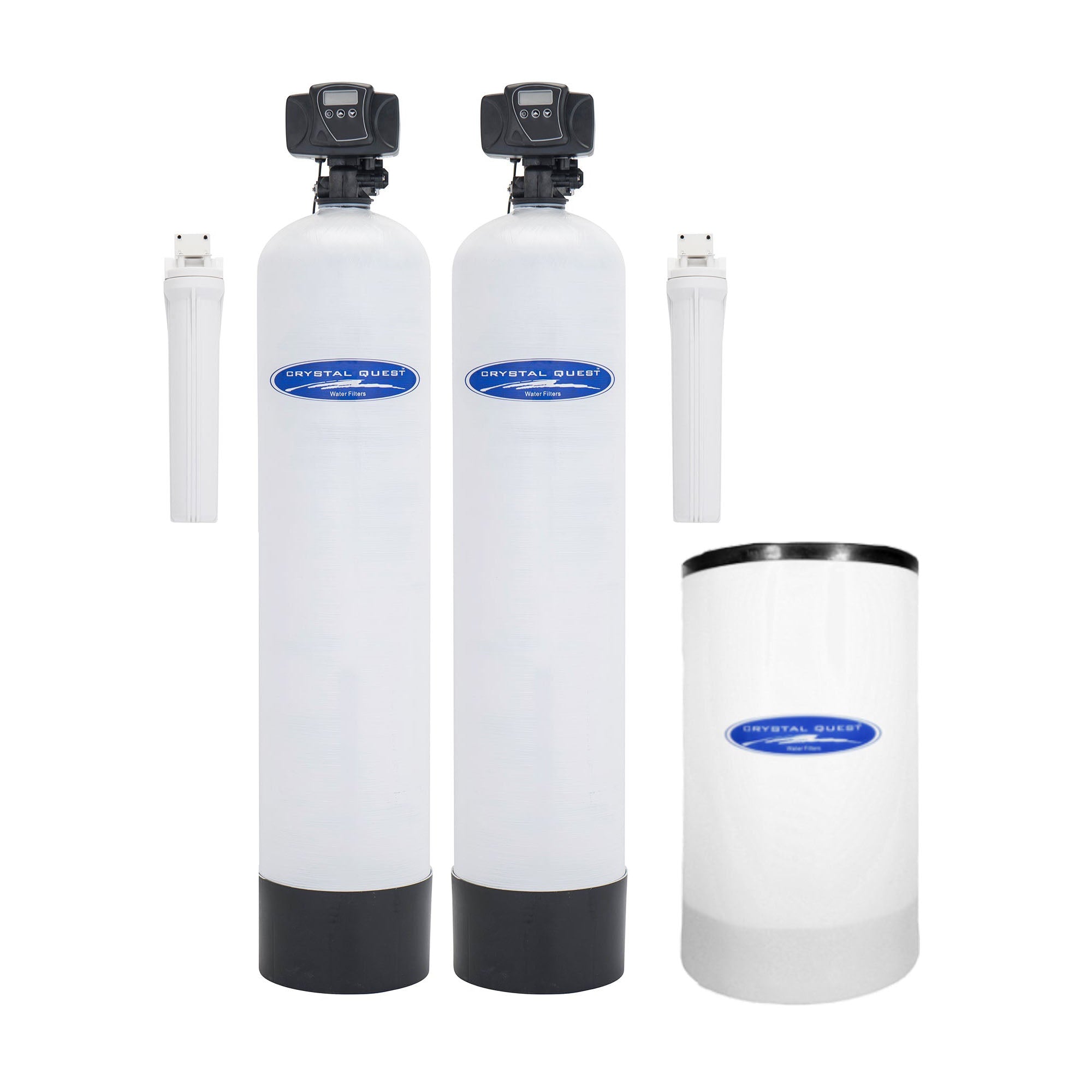
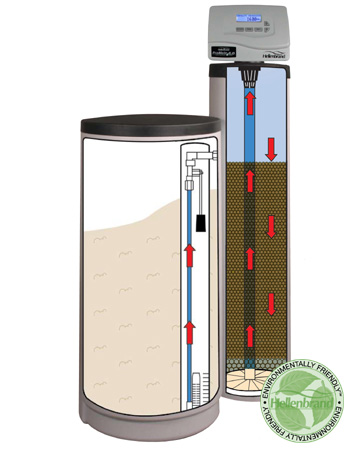
Ion exchange systems swap nitrate ions with harmless ions like chloride. Water passes through a resin bed that traps nitrates. This method works well for small to medium water supplies. The resin needs regular cleaning to keep working well. It removes nitrates efficiently and quickly.
Reverse Osmosis
Reverse osmosis forces water through a fine membrane. This membrane blocks nitrates and other impurities. It produces clean water by filtering out many harmful substances. This method uses electricity and wastes some water. It is effective but can be costly for large volumes.
Distillation
Distillation boils water to create steam. The steam rises and leaves nitrates behind. The steam then cools and turns back into clean water. This method removes almost all contaminants, including nitrates. Distillation uses energy and takes more time than other methods.
Biological Denitrification
Biological denitrification uses bacteria to remove nitrates. The bacteria convert nitrates into harmless nitrogen gas. This process happens in special filters or tanks. It is natural and eco-friendly but needs careful control. This method works best for large water systems and wastewater.
Choosing The Right Filtration System
Choosing the right filtration system is essential to remove nitrates from water effectively. Different filters work in various ways and suit different needs. Picking the best one depends on several factors. These include cost, maintenance, and how well the system cleans the water. Understanding these points helps you make a smart choice.
Cost Considerations
Filtration systems vary widely in price. Some are affordable upfront but have higher ongoing costs. Others may cost more initially but save money later. Consider both the purchase price and running expenses. Budget for filter replacements and energy use. Choose a system that fits your budget without compromising quality.
Maintenance Requirements
Every filtration system needs regular care to work well. Some require frequent filter changes. Others need occasional cleaning or inspections. Think about the time and effort you can spend. Easy-to-maintain systems reduce hassle and keep water safe. Check if the system comes with clear maintenance instructions.
Effectiveness And Efficiency
Not all filters remove nitrates equally. Some systems reduce nitrates to very low levels. Others may only partially clean the water. Look for filters tested and certified for nitrate removal. Efficiency matters to protect your health and save resources. Choose a system proven to deliver clean, safe water consistently.
Diy Nitrate Removal Tips
Removing nitrates from water at home is possible with some simple methods. These DIY nitrate removal tips help improve water quality safely. Understanding each method is key to choosing the right one for your needs.
Activated Carbon Filters
Activated carbon filters are common in many water systems. They trap impurities like chlorine and bad odors. But activated carbon alone does not remove nitrates well. Specialized carbon filters mixed with other materials can reduce nitrate levels. These filters work best when combined with other nitrate removal methods. Check product details to find filters designed for nitrates.
Boiling Myths And Facts
Many believe boiling water removes nitrates. Boiling actually concentrates nitrates because water evaporates. This can increase nitrate levels, making water less safe. Boiling is good for killing germs but not for nitrate removal. Use other methods like reverse osmosis or ion exchange for better nitrate reduction.
Preventing Nitrate Pollution
Preventing nitrate pollution is key to protecting water quality. Nitrates come from many sources, especially farming and waste. Stopping pollution before it starts helps keep water safe and clean. Simple actions can reduce nitrate levels and protect health.
Sustainable Farming Practices
Farmers can reduce nitrate pollution by using smart methods. Applying fertilizers carefully limits excess nitrates in soil. Crop rotation helps plants absorb more nutrients naturally. Buffer strips of grass or trees catch nitrates before they reach water. These practices keep soil healthy and water cleaner.
Proper Waste Disposal
Waste from homes and animals often contains nitrates. Disposing of waste correctly stops nitrates from leaking into water. Using septic systems properly prevents leaks. Treating animal manure before spreading it on fields lowers nitrate runoff. Safe waste handling protects water from nitrate pollution.

Frequently Asked Questions
What Is The Best Method To Remove Nitrates From Water?
The best method to remove nitrates is using ion exchange filters or reverse osmosis systems. These effectively reduce nitrate levels to safe limits for drinking water.
Can Boiling Water Remove Nitrates Effectively?
No, boiling water does not remove nitrates. It can actually increase nitrate concentration by evaporation, making water less safe.
How Can I Test Nitrate Levels In My Water?
Use a home nitrate test kit or send a water sample to a certified lab. Regular testing ensures water safety for consumption.
Are Activated Carbon Filters Effective Against Nitrates?
Activated carbon filters do not effectively remove nitrates. They are better suited for removing chlorine and organic contaminants.
Conclusion
Filtering nitrates from water keeps it safe and healthy to drink. Choose the right method based on your needs and budget. Regular testing ensures your water stays clean over time. Simple steps can make a big difference for your family’s health.
Clean water means peace of mind every day. Start filtering today for better water tomorrow.

Hasan Al Sarker is a Reverse Osmosis Specialist. He has worked for many years to ensure safe drinking water for all. His research paper has been published in several journals, including Issue, Medium, and Slideshare. He is recognized as a water doctor among specialists though he did not attend medical college.
Besides working as a researcher of reverse osmosis technology, he is also very fancy with the kitchen and cooking. His guides are reading thousands of people every day. As a head of content, he is responsible for all the published articles at RO System Reviews.