
If you use a Keurig coffee maker, you know how important clean water is for a great cup of coffee. But how often should you replace your Keurig water filter to keep your coffee tasting fresh and your machine working smoothly?
You might think it’s not a big deal, but skipping this simple step can lead to bad tasting coffee and even damage your machine over time. You’ll discover exactly when and why to change your Keurig water filter, so you can enjoy perfect coffee every time without any hassle.
Keep reading to find out the easy steps to keep your Keurig in top shape!

Why Water Filters Matter
Water filters in your Keurig are important for many reasons. They help keep your coffee tasting fresh. They also protect your machine from damage. Using a clean filter makes a big difference every day. Here is why water filters matter.
Impact On Coffee Taste
Water quality changes the flavor of your coffee. A dirty filter lets minerals and chemicals pass through. These elements can make coffee taste bitter or odd. Clean filters remove impurities. This keeps your coffee smooth and rich. Fresh water means better coffee every single cup.
Extending Machine Lifespan
Minerals build up inside your Keurig without a filter. This buildup clogs parts and causes problems. A water filter traps these minerals before they enter the machine. Less buildup means fewer repairs and longer machine life. Replacing filters regularly helps your Keurig stay healthy.
Signs To Replace Your Filter
Knowing when to replace your Keurig water filter is important for great coffee. The filter keeps water clean and fresh. Over time, it gets clogged and less effective. Watch for clear signs that show it’s time for a new filter. These signs help keep your coffee tasting good and your machine working well.
Decreased Water Flow
Water flows slower than usual during brewing. The coffee takes longer to brew. This happens because the filter is clogged with minerals and dirt. A slow water flow means the filter needs replacing. Changing it improves water speed and coffee quality.
Off Flavors In Coffee
Coffee tastes different or strange. It may taste bitter or flat. Old filters cannot remove impurities well. These impurities affect the coffee’s flavor. A fresh filter keeps your coffee tasting clean and rich. Replace the filter to avoid bad flavors.
Filter Indicator Alerts
Your Keurig machine has a filter indicator light. It turns on when the filter needs changing. This alert helps you keep track easily. Do not ignore this light. Replace the filter as soon as you see the alert. It keeps your machine running smoothly.
Recommended Replacement Frequency
Knowing how often to replace your Keurig water filter is key. The right timing keeps your coffee tasting fresh. It also protects your machine from buildup. Several factors affect when to change the filter. Understanding these helps maintain your Keurig’s performance.
Manufacturer Guidelines
Keurig suggests changing the filter every two months. This is about every 60 days or 40 tank refills. The filter box usually includes this advice. Following these instructions keeps your machine safe. It ensures good water quality for each brew.
Based On Water Quality
The quality of your tap water matters. Hard water with minerals clogs filters faster. If your water has many minerals, replace the filter more often. Softer water lets the filter last longer. Test your water or ask your local water company. This helps decide the best replacement schedule.
Usage Patterns
The number of brews you make affects filter life. More coffee means the filter works harder. If you brew several cups daily, change the filter every month. For occasional use, two months may be enough. Track your coffee habits to pick the right time.
How To Change Your Keurig Filter
Changing your Keurig water filter is simple. This keeps your coffee tasting fresh and clean. Follow these steps to swap the old filter for a new one.
Removing The Old Filter
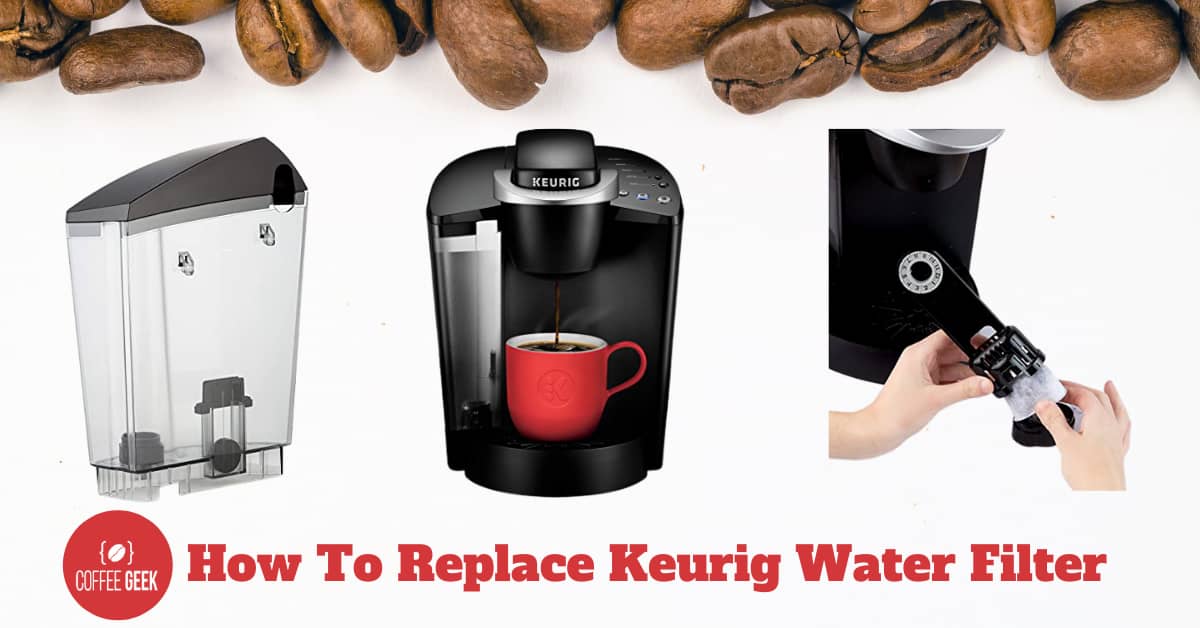
First, lift the handle on the water reservoir. Remove the reservoir from the machine. Take out the old water filter from the reservoir. Dispose of the old filter properly. Clean the reservoir if needed before adding the new filter.
Preparing The New Filter
Take the new filter out of its package. Rinse it under cold water for about 15 seconds. Soak the filter in fresh water for five minutes. This removes loose carbon dust. Shake off any excess water gently.
Installing The New Filter
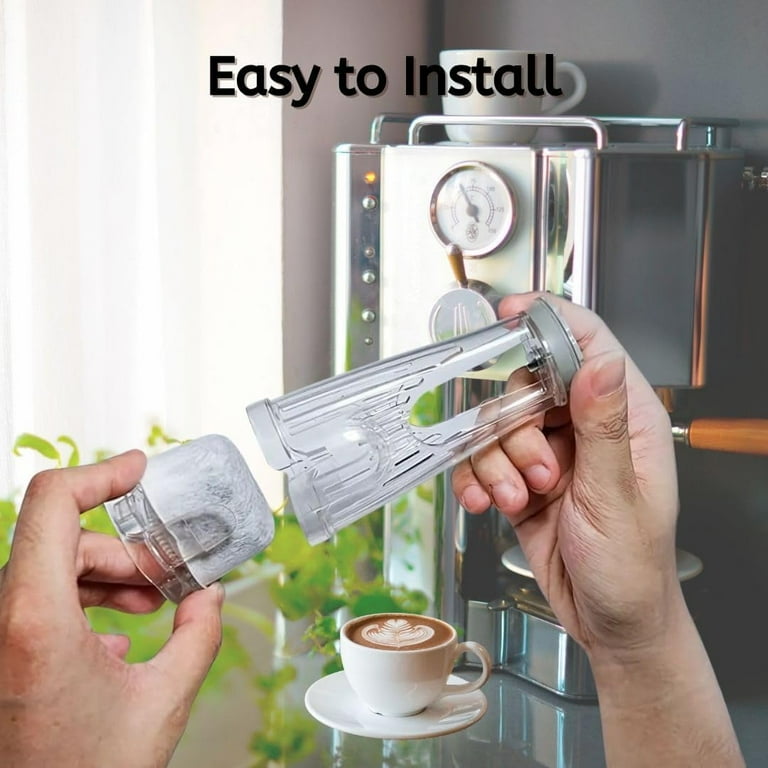
Place the new filter into the filter holder. Make sure it fits snugly and securely. Put the filter holder back into the water reservoir. Reattach the reservoir to the Keurig machine. Press down the handle to lock it in place.
Maintaining Your Keurig Machine
Maintaining your Keurig machine is key to getting fresh coffee every time. Regular care keeps the machine working well and extends its life. Simple steps can prevent buildup and keep water flowing freely. Clean parts and timely replacements matter for the best taste.
Regular Cleaning Tips
Clean the drip tray and K-cup holder often. Wipe the machine’s outside with a damp cloth. Remove and wash the water reservoir every week. Use warm, soapy water and rinse well. Run a brew cycle with just water to flush the system. This removes coffee residue and oils that build up inside.
Descaling Schedule
Descale your Keurig every three to six months. This removes mineral deposits that clog the machine. Use a descaling solution or white vinegar. Fill the water reservoir with the solution. Run several brew cycles without a K-cup. Then run clean water cycles to rinse. This helps keep the heating element clean and the coffee tasting fresh.
Common Mistakes To Avoid
Knowing how to properly care for your Keurig water filter can save you time and money. Many users make avoidable errors that reduce the filter’s effectiveness. Being aware of these mistakes helps keep your coffee tasting fresh and your machine working well.
Ignoring Filter Replacement
Many people forget to change the filter on time. This leads to bad taste and poor water quality. Old filters collect dirt and minerals. They stop cleaning water properly. Replace the filter every two months or after 60 tank refills. This keeps your coffee fresh and your machine safe.
Using Non-compatible Filters
Some try cheap or wrong filters to save money. These may not fit or work well. Using non-compatible filters can damage your Keurig. It also may not filter water correctly. Always buy filters made for your Keurig model. This protects your machine and ensures good water quality.
Frequently Asked Questions
How Often Should I Replace My Keurig Water Filter?
You should replace your Keurig water filter every 2 months or after brewing 60 tanks. This ensures optimal taste and machine performance. Regular replacement prevents mineral buildup and keeps your coffee fresh and clean.
What Happens If I Don’t Replace The Keurig Filter?
Not replacing the filter can cause mineral buildup inside the machine. This affects water flow, damages parts, and worsens coffee taste. The filter helps remove impurities, so skipping replacement reduces your Keurig’s lifespan and coffee quality.
Can I Use The Keurig Without A Water Filter?
Yes, you can use Keurig without a water filter, but it’s not recommended. Without a filter, minerals and impurities may damage the machine and affect coffee taste. Using filtered water enhances flavor and extends your Keurig’s life.
How Do I Know When To Change The Keurig Filter?
Keurig recommends changing the water filter every 2 months or after 60 uses. Some models have indicator lights to notify you. If your coffee tastes off or brewing slows, it might be time to replace the filter.
Conclusion
Replacing your Keurig water filter regularly keeps your coffee fresh and tasty. Change it every two months or after 60 tank refills. Clean water helps your machine work well and lasts longer. Don’t wait for problems to start. Stay on schedule for the best coffee experience.
Simple steps protect your machine and improve flavor. Keep your filter fresh and enjoy every cup. It’s easy and worth the effort.

Hasan Al Sarker is a Reverse Osmosis Specialist. He has worked for many years to ensure safe drinking water for all. His research paper has been published in several journals, including Issue, Medium, and Slideshare. He is recognized as a water doctor among specialists though he did not attend medical college.
Besides working as a researcher of reverse osmosis technology, he is also very fancy with the kitchen and cooking. His guides are reading thousands of people every day. As a head of content, he is responsible for all the published articles at RO System Reviews.