
Have you ever wondered what’s really lurking in your tap water? You might be surprised to learn how many tiny particles and chemicals can slip through ordinary filters.
That’s where the Zero Water filter comes in. But what does the Zero Water filter actually remove? If you want clean, pure water that tastes fresh and is better for your health, understanding this could change the way you drink water every day.
Keep reading to discover exactly what contaminants it tackles and why it might be the best choice for you and your family.
Zero Water Filter Technology
The Zero Water filter uses advanced technology to clean water thoroughly. It removes many impurities that affect taste and safety. This technology focuses on reducing total dissolved solids (TDS) to near zero. The result is clear, fresh-tasting water suitable for daily use.
Zero Water technology is different from most regular filters. It offers a deeper level of filtration. It targets a wide range of contaminants that other filters might miss. The technology is designed to improve water quality significantly.
Five-stage Filtration Process
The Zero Water filter cleans water using five stages. Each stage plays a specific role in removing impurities. The first stage catches larger particles like dirt and rust. The next stages focus on smaller contaminants and chemicals.
One stage uses an ion exchange process to remove dissolved solids. This step is key to reducing TDS effectively. The final stage polishes the water, ensuring it tastes clean and fresh. Together, these stages provide very thorough water purification.
How It Differs From Other Filters
Zero Water uses a unique approach to remove almost all dissolved solids. Most filters only reduce some contaminants, leaving many behind. Zero Water targets a wider range of harmful substances, including heavy metals and salts.
Unlike carbon filters, it does not rely only on absorption. It uses ion exchange and other methods to capture more impurities. This makes the water safer and better tasting. The Zero Water filter also tests water with a TDS meter to ensure quality.
Common Contaminants Removed
The Zero Water filter removes many common contaminants found in tap water. These impurities affect taste, smell, and safety. Understanding what it removes helps you trust your water quality.
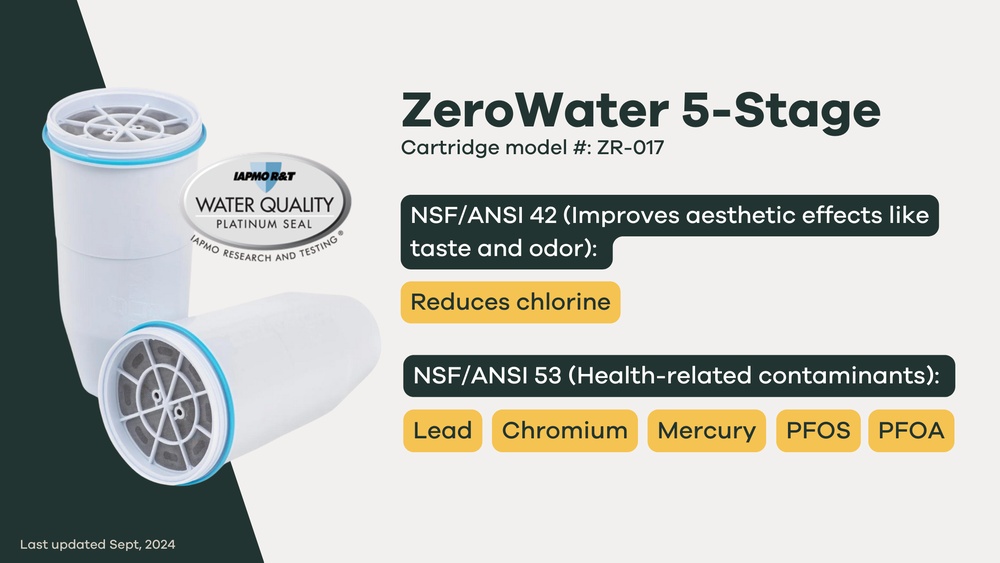
This filter uses a five-stage process to trap particles and chemicals. It targets substances that standard filters often miss. Below are some key contaminants removed by the Zero Water filter.
Heavy Metals
Heavy metals like iron, copper, and zinc can harm health. Zero Water captures these metals effectively. Removing heavy metals improves water clarity and safety.
Chlorine And Chloramine
Chlorine and chloramine are added to disinfect tap water. They cause a strong smell and taste. Zero Water removes these chemicals, making water fresher and better tasting.
Lead And Mercury
Lead and mercury are dangerous even in small amounts. They can come from old pipes or pollution. Zero Water reduces lead and mercury levels, protecting your family’s health.
Pesticides And Herbicides
Farming chemicals like pesticides and herbicides can enter water supplies. These toxins are harmful if consumed regularly. Zero Water filters out these contaminants for safer drinking water.
Impact On Water Taste And Odor
The Zero Water filter has a strong impact on the taste and smell of your water. It removes many substances that cause bad odors and strange flavors. Clean water not only tastes better but also feels fresher. This makes drinking water more enjoyable and helps you drink more every day.
Reduction Of Chemical Smells
Zero Water filter removes chlorine and other chemicals that cause strong smells. These chemicals often make tap water smell like a swimming pool. After filtering, the water smells clean and natural. No more harsh chemical odors. This makes water more pleasant to drink and use in cooking.
Improvement In Flavor
The filter also removes metals and minerals that give water a bitter or metallic taste. This results in smoother, fresher water flavor. Many users notice water tastes pure and soft. This can make a difference in tea, coffee, and recipes. Clearer water taste helps you enjoy every sip.
Contaminants That May Remain
The Zero Water filter removes many harmful substances from tap water. It uses a five-stage filtration system to reduce contaminants. Still, some substances may stay in the water after filtering. Knowing what might remain helps you decide if this filter fits your needs.
Microbial Contaminants
Zero Water filters do not remove all microbes like bacteria and viruses. These tiny organisms can cause illness. The filter is not designed to kill or trap all germs. For water with microbial risks, use additional treatment like boiling or UV light.
Fluoride And Nitrates
Fluoride and nitrates often stay in the water after using Zero Water. These chemicals are common in tap water. The filter reduces some but does not fully remove them. People concerned about fluoride or nitrate levels should consider special filters made for those contaminants.
Testing And Certification
Testing and certification are key to trust any water filter. They show what the filter can remove from water. Zero Water filters undergo strict tests to prove their quality and safety.
These tests help users know exactly what contaminants the filter removes. They also confirm the filter meets important health and safety standards. This section explains the main certifications and lab results for Zero Water filters.
Nsf/ansi Standards Met
Zero Water filters meet several NSF/ANSI standards. These standards check for the removal of different contaminants.
NSF/ANSI Standard 42 tests for chlorine and taste improvement. Standard 53 focuses on health-related contaminants like lead and mercury. Standard 401 checks for emerging contaminants such as pharmaceuticals. Zero Water filters meet or exceed these standards, ensuring clean and safe water.
Lab Test Results Summary
Independent labs test Zero Water filters to confirm their performance. Results show nearly 99.6% total dissolved solids removal. This includes metals, salts, and minerals.
Tests also confirm removal of lead, chromium, and mercury. These toxins can harm health even at low levels. Zero Water filters reduce these contaminants below EPA limits. They also reduce pesticides and industrial chemicals. The lab results prove the filter’s strong ability to clean water effectively.

Maintenance For Optimal Performance
Maintaining the Zero Water Filter is key to its best performance. Regular care helps keep water clean and fresh. Without proper upkeep, the filter may lose its power to remove contaminants.
Simple steps can extend the filter’s life. These steps also ensure every glass of water tastes great and stays safe to drink.
Filter Replacement Indicators
The Zero Water Filter has clear signs for replacement. Watch for slow water flow. It means the filter is clogged. The taste of water may change too. If water tastes odd or stale, check the filter.
Some models have a meter that shows filter life. When the meter signals, replace the filter soon. Using an old filter can let impurities pass through.
Cleaning Tips
Clean the pitcher or dispenser regularly. Use warm water and mild soap. Avoid harsh cleaners that may damage parts. Rinse well to remove soap residue.
Do not clean the filter itself. Only replace it as needed. Keep the lid and spout clean for better water flow. Wipe them with a soft cloth every week.

Frequently Asked Questions
What Contaminants Does Zero Water Filter Out?
Zero Water removes lead, chlorine, mercury, and heavy metals. It also filters pesticides, pharmaceuticals, and dissolved solids, providing cleaner, safer drinking water.
How Effective Is Zero Water In Removing Tds?
Zero Water filters out 99. 6% of Total Dissolved Solids (TDS), ensuring significantly purified water with minimal impurities and improved taste.
Does Zero Water Remove Chlorine Taste And Odor?
Yes, Zero Water effectively eliminates chlorine taste and odor, making water fresher and more enjoyable to drink.
Can Zero Water Filter Remove Heavy Metals Like Lead?
Zero Water filters out harmful heavy metals, including lead, mercury, and chromium, protecting your health from toxic exposure.
Conclusion
Zero Water filters remove many harmful substances from water. It takes out lead, chlorine, and heavy metals. It also removes dissolved solids that affect taste and safety. This filter helps you drink cleaner, clearer water every day. Using Zero Water means fewer impurities in your glass.
It supports better health and peace of mind. Clean water is essential for life. Choose a filter that really works well. Zero Water shows strong results in removing unwanted particles. Simple, effective, and easy to use—good water is possible.

Hasan Al Sarker is a Reverse Osmosis Specialist. He has worked for many years to ensure safe drinking water for all. His research paper has been published in several journals, including Issue, Medium, and Slideshare. He is recognized as a water doctor among specialists though he did not attend medical college.
Besides working as a researcher of reverse osmosis technology, he is also very fancy with the kitchen and cooking. His guides are reading thousands of people every day. As a head of content, he is responsible for all the published articles at RO System Reviews.