
Have you ever wondered how water gets so clean and clear before it reaches your glass? The secret often lies in a simple yet powerful tool: the sand filter.
If you want to understand how this natural method removes dirt and impurities from water, you’re in the right place. By the end of this article, you’ll see how sand filters work and why they might be the perfect solution for your water needs.
Keep reading to discover the science behind clean water and how it can benefit you every day.
Basics Of Sand Filtration
Sand filtration is a common method to clean water. It uses natural sand to remove dirt and particles. This process helps make water clearer and safer to use. Understanding the basics of sand filtration shows why it is popular for water treatment.
Sand filters work by trapping impurities as water passes through the sand layers. This simple but effective method has been used for many years in homes, pools, and water plants. Knowing how sand filters work helps to choose the right type and maintain it properly.
How Sand Filters Work
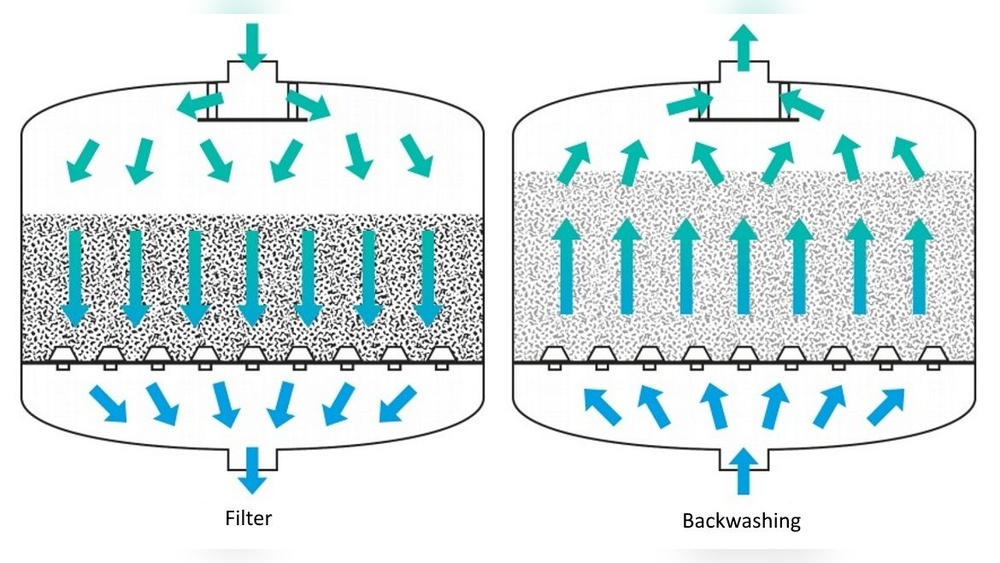
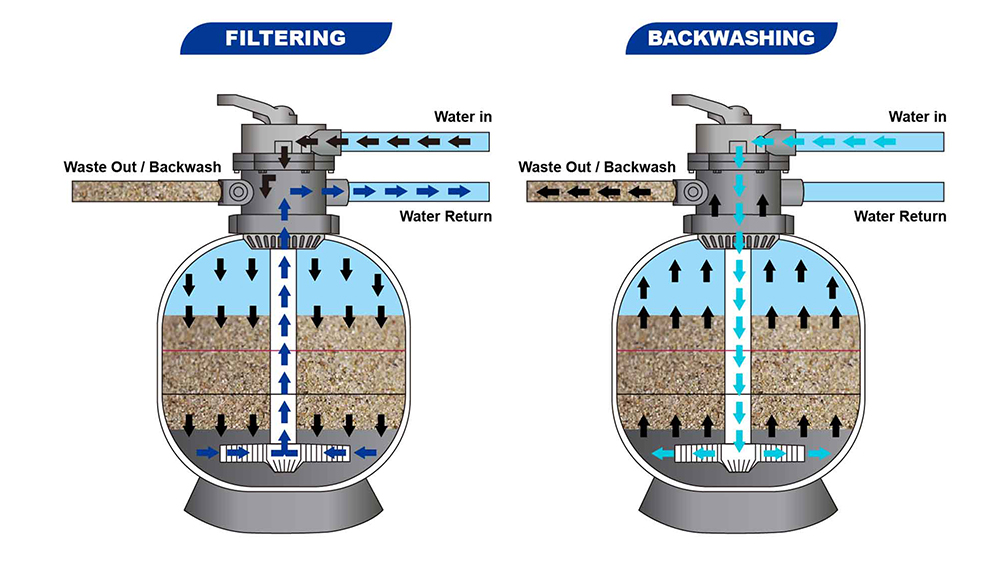
Water flows through a bed of sand. The sand catches dirt, debris, and small particles. Clean water then flows out from the other side. Tiny spaces between sand grains act like a net. The particles get stuck while water moves on. Over time, the sand fills with trapped particles. Cleaning or replacing the sand keeps the filter effective.
Types Of Sand Filters
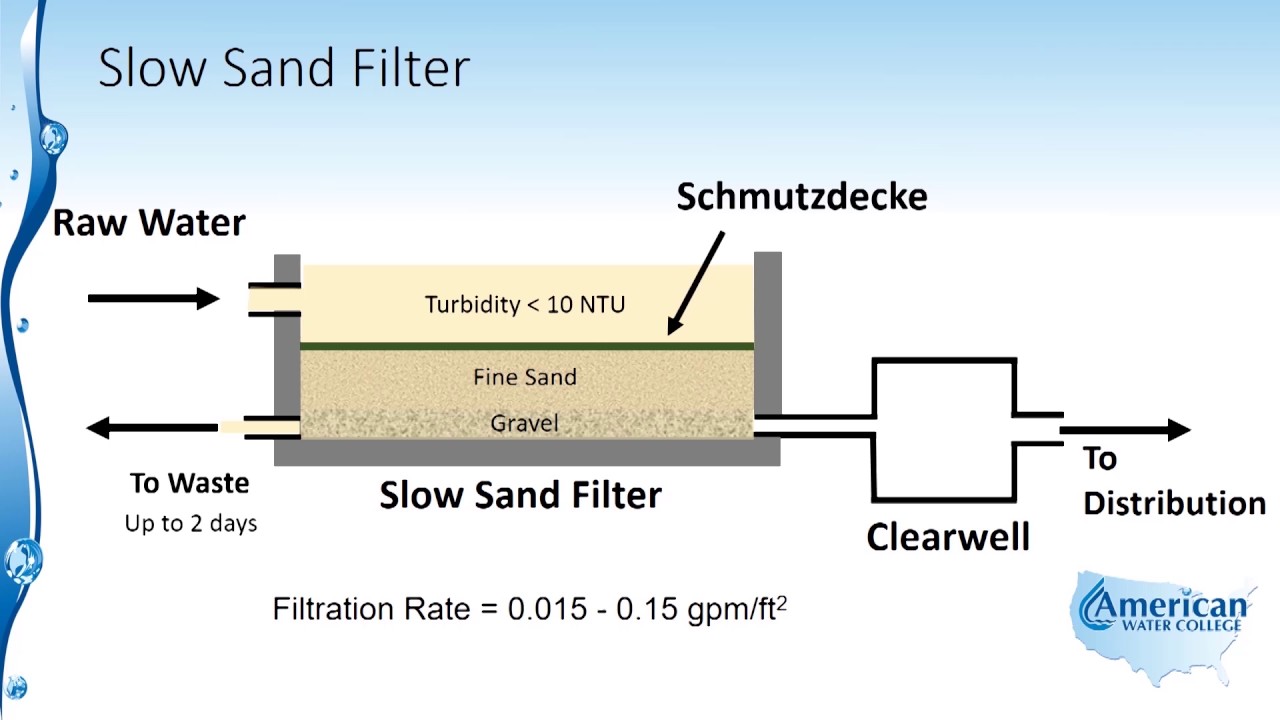
There are several types of sand filters. Rapid sand filters use fast water flow and need backwashing to clean. Slow sand filters let water pass slowly, using natural bacteria to remove impurities. Pressure sand filters operate under pressure and are common in pools and industries. Each type fits different water needs and spaces.
Key Components Of Sand Filters
Sand filters have important parts to work well. The filter tank holds the sand and water. The sand bed is where the cleaning happens. Underdrain systems collect filtered water and keep sand in place. Valves control water flow during filtration and cleaning. Proper design of these parts ensures good water quality.
Filtration Process Explained
The filtration process in sand filters is simple but very effective. Water passes through layers of sand that clean it naturally. This process removes dirt, germs, and some chemicals. The sand acts as a barrier and a surface for different cleaning actions to take place.
Physical Removal Of Particles
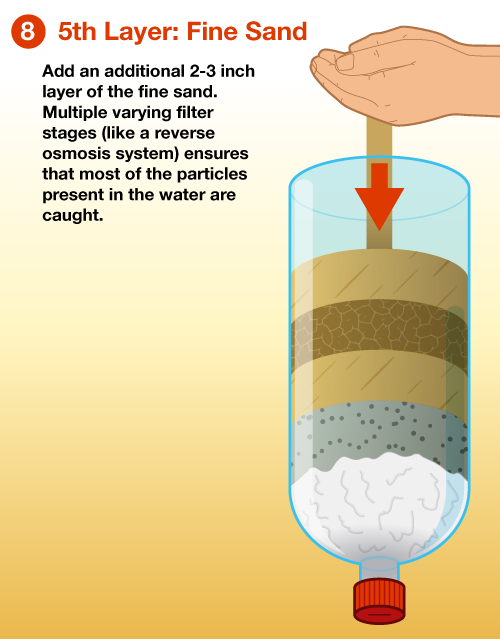
Sand traps dirt, debris, and other solid particles from water. As water flows down, larger particles get stuck on the top layers. Smaller particles get caught deeper in the sand. This stops many impurities from passing through.
The sand grains create a tight mesh that blocks suspended solids. This physical barrier improves water clarity. It also helps protect the water from further contamination.
Biological Filtration Effects
Microbes grow naturally on sand surfaces. These tiny organisms consume harmful bacteria and organic waste in the water. They break down pollutants into simpler, safer substances.
This biological layer forms over time. It acts like a natural purifier inside the filter. The process improves water quality by reducing germs and odor.
Chemical Interactions In Sand Filters
Sand can also cause chemical changes in water. Some minerals in sand bind with contaminants, removing them from water. This process is called adsorption.
Sand filters can reduce harmful metals and chemicals. They help balance the water’s pH level. This makes water safer and better for use.
Benefits Of Using Sand Filters
Sand filters offer many benefits for water treatment. They improve water quality and protect health. These filters use natural processes to clean water efficiently. People choose sand filters for their simplicity and reliability.
Here are key benefits of using sand filters in water purification.
Improved Water Clarity
Sand filters remove dirt and particles from water. They trap tiny debris that makes water cloudy. This process makes water clear and visually clean. Clear water looks better and is easier to use. It helps in homes, pools, and irrigation systems.
Reduction Of Harmful Contaminants
Sand filters reduce many harmful substances in water. They catch bacteria, algae, and some chemicals. This lowers health risks related to dirty water. Clean water helps prevent illnesses caused by contamination. Sand filters add a strong layer of protection.
Cost-effectiveness And Sustainability
Sand filters cost less to install and maintain. They use simple materials that last a long time. These filters do not need electricity or chemicals. This saves money and reduces environmental impact. Sand filters provide a sustainable choice for water cleaning.
Applications Of Sand Filters
Sand filters play a key role in cleaning water. They remove dirt and tiny particles by trapping them in layers of sand. This process works well for many uses. Sand filters are simple, reliable, and effective. They help improve water quality in different settings.
Residential Water Treatment
Many homes use sand filters to clean well water. They remove sand, rust, and other particles from drinking water. This makes water safer and clearer for daily use. Sand filters need little maintenance and last long. They help families have clean water without harsh chemicals.
Industrial Water Purification
Industries use sand filters to treat large volumes of water. They remove solids before water goes to machines or processes. Clean water protects equipment from damage and keeps products safe. Sand filters help industries meet water quality rules. They reduce costs by reusing water safely.
Aquarium And Pool Maintenance
Sand filters keep aquarium water clear and healthy for fish. They trap waste and debris to prevent water cloudiness. Pools also use sand filters to remove dirt and leaves. This keeps pool water fresh and safe to swim in. Sand filters are easy to clean and operate in these areas.
Maintaining Sand Filters
Maintaining sand filters is key to keeping water clean and clear. Regular care stops clogs and keeps water flowing smoothly. Simple steps help the filter work well for a long time.
Cleaning And Backwashing Techniques
Cleaning sand filters means removing trapped dirt and debris. Backwashing is the main method. It reverses water flow through the sand bed. This pushes out dirt and cleans the filter.
Run backwash until the water looks clear. Usually, this takes 2 to 3 minutes. Avoid overdoing it to save water and protect the filter.
Common Issues And Troubleshooting
Filters can have problems like low water flow or cloudy water. Check for clogged sand or broken parts. Sand that is too old or compacted reduces filter action.
Look for leaks around valves and pipes. Tighten or replace parts if needed. Regular checks prevent small issues from becoming big problems.
Tips For Prolonging Filter Life
Replace the sand every 3 to 5 years. Use clean water during backwash to avoid adding dirt. Keep the filter dry during winter to stop damage.
Store spare parts handy. Clean the filter housing regularly. These habits extend the filter’s lifespan and keep water pure.
Comparing Sand Filters With Other Methods
Sand filters clean water by trapping dirt and particles in sand layers. Different water filters work in various ways. Comparing sand filters with other popular methods helps you choose the best option. Each filter has strengths and limits. Understanding these can guide your decision.
Sand Filters Vs. Activated Carbon
Sand filters remove large particles and sediments. They do not remove chemicals or odors. Activated carbon filters absorb chemicals, bad smells, and taste. Carbon works well for chlorine and organic compounds. Sand filters last longer but need backwashing to clean. Carbon filters need replacement more often. Combining both can improve water quality.
Sand Filters Vs. Reverse Osmosis
Reverse osmosis (RO) filters remove almost all impurities. RO uses a thin membrane to block salts and tiny particles. Sand filters cannot remove dissolved solids or salts. RO requires more energy and wastes some water. Sand filters use less energy and water. RO gives very pure water but costs more. Sand filters are easier to maintain.
Choosing The Right Filter For Your Needs
Consider water quality and filter cost first. Sand filters suit well for cloudy or muddy water. Activated carbon fits if you want to improve taste and remove chemicals. Reverse osmosis is best for very pure water needs. Think about maintenance and how much water you use. Choose a filter that fits your budget and water problems.
Frequently Asked Questions
How Does A Sand Filter Clean Water Effectively?
A sand filter removes impurities by trapping particles in sand layers. Water passes through sand, capturing dirt and debris. This process clarifies water, making it cleaner and safer for use or discharge.
What Types Of Contaminants Do Sand Filters Remove?
Sand filters primarily remove suspended solids, dirt, and debris. They can also reduce some bacteria and algae. However, they are less effective against dissolved chemicals and viruses.
How Often Should A Sand Filter Be Cleaned?
Sand filters should be cleaned when water flow decreases or pressure rises. Typically, cleaning occurs every 3 to 6 months, depending on usage and water quality. Regular maintenance ensures efficient filtration.
Can Sand Filters Improve Water Taste And Odor?
Sand filters mainly improve water clarity by removing particles. They have limited effect on taste and odor, which require additional treatments like activated carbon filters.
Conclusion
Sand filters clean water by trapping dirt and particles. Water flows through sand layers, which catch impurities. This process helps remove dust, debris, and some harmful substances. Sand filters work well for pools and drinking water systems. They need regular cleaning to stay effective.
Using sand filters keeps water clearer and safer to use. Simple, natural, and reliable—sand filtration remains a trusted method. Clear water means healthier homes and environments. Understanding this method helps appreciate how water gets clean.

Hasan Al Sarker is a Reverse Osmosis Specialist. He has worked for many years to ensure safe drinking water for all. His research paper has been published in several journals, including Issue, Medium, and Slideshare. He is recognized as a water doctor among specialists though he did not attend medical college.
Besides working as a researcher of reverse osmosis technology, he is also very fancy with the kitchen and cooking. His guides are reading thousands of people every day. As a head of content, he is responsible for all the published articles at RO System Reviews.