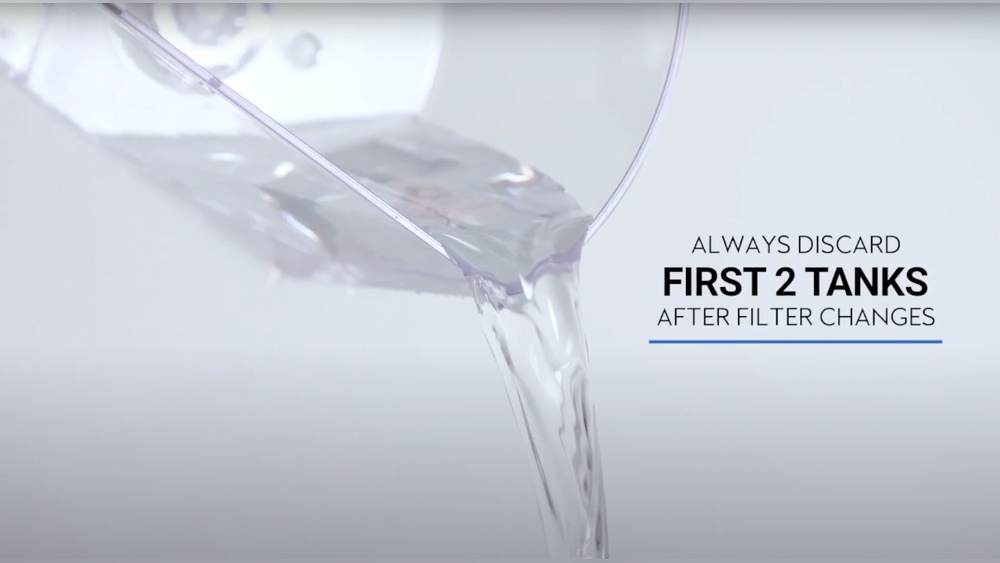
You just changed your water filter, but how long should you run the water before using it? This simple step can make a big difference in the taste and safety of your drinking water.
If you skip it or run the water too briefly, you might still get leftover particles or an odd flavor. On the other hand, running it too long wastes water and time. You’ll discover the exact time you should flush your filter to enjoy fresh, clean water every time.
Keep reading to learn the easy trick that ensures your water is perfect after every filter change.

Why Run Water After Filter Change
Running water after changing a filter is very important. It helps make sure your water is clean and tastes good. New filters can have small bits and air inside. These need to be cleared out before you drink the water. Let’s see why running water after a filter change matters.
Removing Air And Debris
New filters often trap air inside. This air can cause sputtering or uneven water flow. Running water pushes out trapped air and any loose debris. It clears the filter and pipes. This step helps avoid strange noises and keeps water flow steady.
Flushing Out Carbon Dust
Many filters use activated carbon. This carbon can shed tiny dust particles. These particles can make water cloudy or taste odd. Running water flushes out carbon dust from the filter. It cleans the filter before you start drinking the water.
Ensuring Clean Taste
New filters may give water a strange taste at first. Running water helps remove this taste. It also washes away any leftover cleaning agents. Clear, fresh water tastes better and is safer to drink. This step guarantees a clean and fresh water taste every time.
Recommended Flushing Time
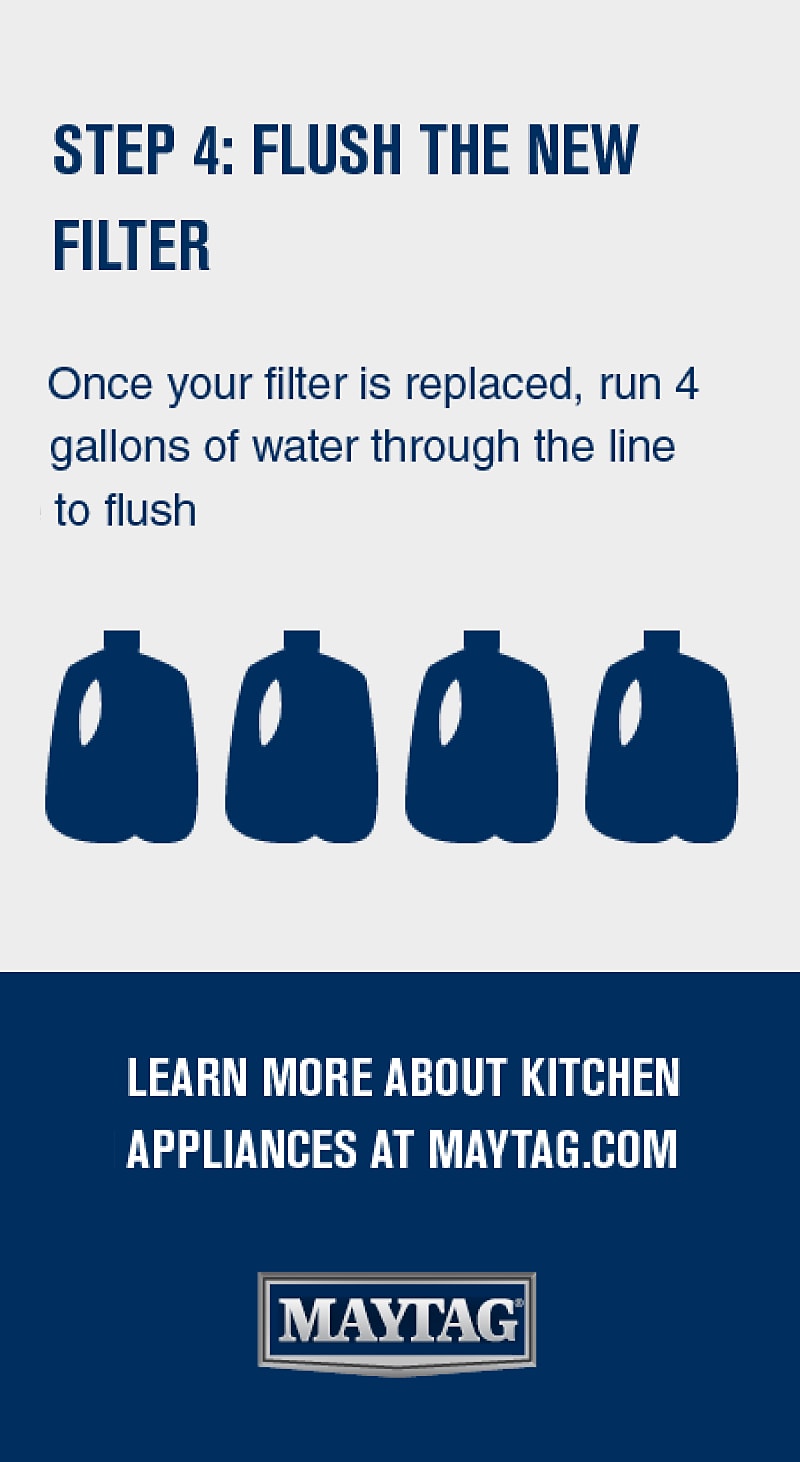
Flushing the water after changing a filter is important. It clears out any loose carbon particles and dust. The right flushing time helps your water taste fresh and clean. Knowing the recommended flushing time ensures the filter works well.
Manufacturer Guidelines
Most filter makers give clear instructions about flushing. They often suggest running water for 2 to 5 minutes. These guidelines help remove any impurities from the new filter. Always check the user manual for exact directions.
Typical Time Frames
Common flushing times range from 30 seconds to 5 minutes. Some filters need only a short flush. Others, like carbon or reverse osmosis filters, may need longer. Running water too little or too long can affect filter performance.
Factors Affecting Duration
The type of filter affects how long you flush. Water pressure also plays a role. Filters that remove more particles may require longer flushing. Temperature and water quality can change the needed time too.
Signs You’ve Flushed Enough
After changing your water filter, flushing it properly is important. Flushing removes loose carbon dust and other particles. Knowing when to stop running water saves time and water. Watch for clear signs that the water is clean and ready.
Clear Water Flow
The water should flow smoothly without any cloudiness. Cloudy or murky water means more flushing is needed. Wait until the water looks clear from start to end. Clear water shows the filter is ready to use.
Absence Of Odor
New filters may release a slight smell at first. This odor comes from carbon dust or filter materials. Run the water until the smell disappears completely. No smell means the filter is clean and safe for drinking.
Improved Water Taste
Freshly filtered water should taste clean and fresh. A bad or strange taste means more flushing is required. Taste the water after some flushing to check quality. Good taste confirms the filter is working well.

Consequences Of Insufficient Flushing
Flushing your water filter after changing it is crucial. Skipping this step can cause several problems. Water quality may drop, the filter can get damaged, and health risks might rise. Understanding these consequences helps you keep your water clean and safe.
Poor Water Quality
Insufficient flushing leaves dust and carbon particles in the water. These particles make water taste bad and look cloudy. Contaminants trapped in the old filter may not clear out. This lowers the overall water quality. Clean water is important for drinking and cooking.
Filter Damage Risks
New filters need flushing to remove loose materials inside. Without flushing, debris can clog the filter quickly. This reduces the filter’s lifespan. The filter may also fail to remove impurities. Flushing helps the filter work efficiently and last longer.
Health Considerations
Impurities and particles left in water after changing filters can harm health. Drinking unflushed water may cause stomach upset or illness. Some contaminants could irritate sensitive skin or allergies. Flushing ensures safer water for your family’s health.
Tips For Efficient Flushing
Flushing your water filter properly after changing it keeps your water clean and fresh. Efficient flushing removes trapped air and loose carbon bits. It ensures your filter works well from the start. Follow these tips to flush your filter quickly and safely.
Using Cold Water Only
Always use cold water for flushing your new filter. Hot water can damage the filter material. Cold water pushes out air and particles better. It also protects your filter’s lifespan. Run the cold tap steadily for the recommended time. This simple step helps clear out impurities fast.
Checking Water Pressure
Check your water pressure before flushing the filter. Low pressure slows flushing and may leave particles behind. High pressure can harm the filter’s parts. Aim for moderate, steady pressure. Adjust your faucet or valve if needed. Proper pressure makes flushing smooth and effective.
Regular Filter Maintenance
Keep your filter clean with regular maintenance. Change filters as suggested by the manufacturer. Clean filter housings during each change. This prevents buildup and keeps water pure. Regular care reduces flushing time after each replacement. It also keeps water tasting fresh and clear.
Frequently Asked Questions
How Long Should I Run Water After Changing Filter?
Run water for 2 to 5 minutes after replacing your filter. This clears out any loose carbon particles and activates the new filter properly.
Why Is Flushing The New Filter Necessary?
Flushing removes trapped air and manufacturing debris. It ensures clean water flow and improves your filter’s lifespan and performance.
Does Water Temperature Affect Filter Flushing Time?
No, water temperature does not change flushing time. Use cold water to avoid damaging the filter and maintain its efficiency.
Can I Drink Water Immediately After Changing The Filter?
It’s best to wait until you flush the filter fully. Running water for a few minutes ensures safe, clean drinking water.
Conclusion
Running water after changing a filter clears out any loose particles. Usually, running water for about 5 minutes is enough. This helps the filter work well and keeps your water clean. Remember to check your filter’s instructions for exact timing.
Clean water means better taste and safety. Taking this small step protects your health. Keep your filter fresh and enjoy clear water every day. Simple care makes a big difference.

Hasan Al Sarker is a Reverse Osmosis Specialist. He has worked for many years to ensure safe drinking water for all. His research paper has been published in several journals, including Issue, Medium, and Slideshare. He is recognized as a water doctor among specialists though he did not attend medical college.
Besides working as a researcher of reverse osmosis technology, he is also very fancy with the kitchen and cooking. His guides are reading thousands of people every day. As a head of content, he is responsible for all the published articles at RO System Reviews.