
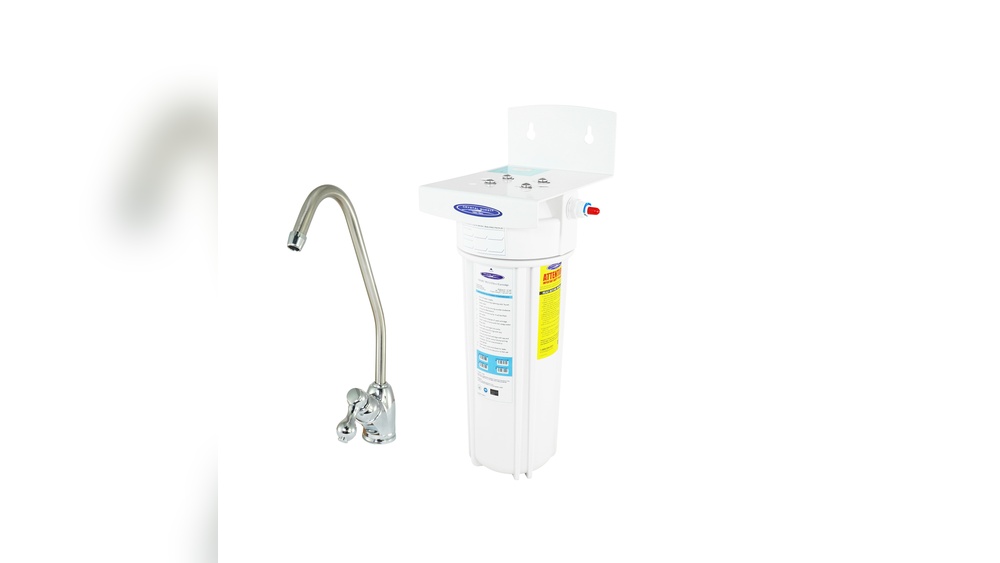
Are you worried about the safety of your drinking water? Nitrates are common contaminants that can pose serious health risks, especially for children and pregnant women.
You might be wondering: can you filter nitrates out of water to protect your family? The good news is, there are effective ways to remove these harmful substances. Keep reading to discover how you can ensure your water is clean, safe, and healthy for everyone in your home.
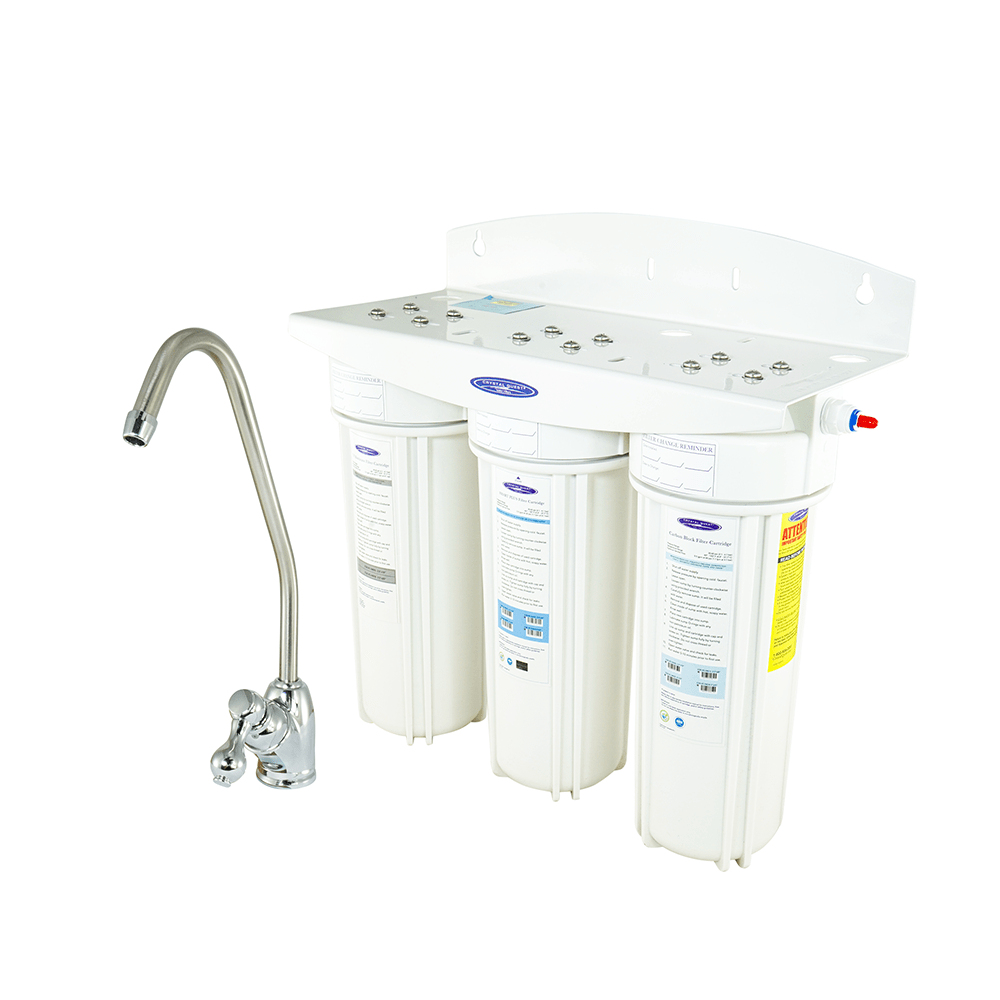
Nitrates And Their Impact
Nitrates are chemicals often found in water. They come from natural and human activities. High nitrate levels in water can affect health. Understanding their sources and effects helps us stay safe.
Water quality depends on controlling nitrate levels. Many people want to know how nitrates enter water and why they matter. Below are key points about nitrates and their impact.
Sources Of Nitrates In Water
Nitrates enter water from farms, sewage, and waste. Fertilizers used in farming are a major source. Rain washes these chemicals into rivers and wells. Animal waste from farms also adds nitrates. Some industrial processes release nitrates too. Natural decay of plants and soil can raise nitrate levels.
Health Risks Linked To Nitrates
High nitrates in drinking water can be harmful. Babies under six months old are most at risk. Nitrates can cause a condition called methemoglobinemia. This reduces oxygen in the blood and causes breathing problems. Adults may face risks with long-term exposure. Pregnant women and people with health issues should be cautious.
Regulatory Standards For Nitrate Levels
Governments set limits for nitrate in drinking water. The U.S. EPA limit is 10 mg/L as nitrate-nitrogen. Water providers must test and keep levels below this. Some countries have similar or stricter limits. These rules protect public health. Checking water quality regularly helps ensure safety.
Common Water Testing Methods
Testing water for nitrates is important for safe drinking water. Many methods exist to check nitrate levels. Some are easy and fast, while others provide detailed results. Choose the method that fits your needs and budget.
Home Testing Kits
Home testing kits are simple tools to check nitrate levels quickly. These kits often use test strips or color changes. You dip a strip in water, then compare the color to a chart. Results appear within minutes. These kits are affordable and easy to use. They help spot high nitrate levels early. However, results may be less precise than laboratory tests.
Professional Laboratory Testing
Professional laboratory testing offers accurate and detailed nitrate analysis. You collect a water sample and send it to a certified lab. Labs use advanced machines to measure nitrate concentration. Results include exact nitrate amounts and other water quality data. This method is best for thorough water safety checks. It takes longer and costs more than home kits. Labs also provide advice on water treatment if nitrates are high.
Physical Filtration Techniques
Physical filtration techniques help remove impurities from water by trapping particles. These methods do not use chemicals but rely on physical barriers. They are popular for improving water quality at home. Some techniques target nitrates, but effectiveness varies.
Activated Carbon Filters
Activated carbon filters use tiny pores to trap contaminants. They absorb many chemicals and improve taste and odor. These filters reduce some harmful substances but do not remove nitrates well. They are best for chlorine and organic compounds. For nitrate removal, other methods are needed.
Reverse Osmosis Systems
Reverse osmosis systems force water through a semi-permeable membrane. This membrane blocks many dissolved solids, including nitrates. It is one of the most effective ways to remove nitrates from water. These systems require regular maintenance and use energy. Despite that, they provide clean, safe drinking water.
Chemical Treatment Options
Chemical treatment options offer effective ways to remove nitrates from water. These methods use chemical reactions or processes to reduce nitrate levels. Many water systems use these treatments to ensure safe drinking water. The two main chemical treatments are ion exchange and biological denitrification.
Ion Exchange Processes
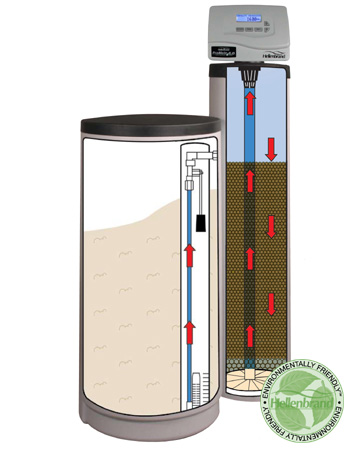
Ion exchange is a common method to filter nitrates out of water. It works by swapping nitrate ions with other harmless ions. Usually, chloride ions replace nitrate ions in the water. The process involves passing water through a special resin. The resin traps nitrates and releases chloride ions instead.
This method is fast and can treat large water volumes. The resin needs regular cleaning to work well. It is effective for both small and large water systems. Ion exchange does not add harmful chemicals to the water.
Biological Denitrification
Biological denitrification uses bacteria to remove nitrates from water. These bacteria convert nitrates into nitrogen gas. The gas escapes harmlessly into the air. The process happens in special filters or tanks.
This method is natural and eco-friendly. It works well in systems with steady water flow. The bacteria need oxygen and organic material to survive. Biological denitrification can reduce nitrates to very low levels. It also helps improve overall water quality.
Comparing Filtration Methods
Choosing the right method to filter nitrates from water is important. Different filters work in different ways and offer various benefits. Understanding how these methods compare helps you pick the best option for your needs. Below, we explore key aspects of popular nitrate filtration methods.
Effectiveness And Limitations
Some filters remove nitrates better than others. Reverse osmosis systems are very effective, removing up to 90% of nitrates. Ion exchange filters also work well but may need frequent regeneration. Carbon filters do not remove nitrates effectively. Each method has limits based on water quality and filter type. No filter removes nitrates completely all the time. Testing water regularly helps track filter performance.
Cost And Maintenance Considerations
Initial cost varies between filtration methods. Reverse osmosis units cost more upfront. Ion exchange systems are less expensive but need salt or chemicals for regeneration. Regular filter changes add to maintenance expenses. Some filters need professional service, increasing cost. Cleaning and upkeep affect filter lifespan. Choose a system that fits your budget and maintenance ability.
Choosing The Right Solution
Choosing the right solution to remove nitrates from water is important for safety and health. Different methods work better in different situations. Understanding your needs helps find the best option.
Cost, water quality, and how much water you use matter. Some systems remove only nitrates, while others handle many contaminants. Size and maintenance also affect the choice.
Factors To Consider
First, test your water to know nitrate levels. Higher levels need stronger treatment. Check for other chemicals too.
Think about how much water your home uses daily. Some filters work well for small amounts only. Others support larger families.
Budget matters. Some nitrate filters cost more upfront but save money later. Others are cheaper but need frequent replacement parts.
Maintenance is key. Choose systems that are easy to clean and service. Complex systems may require professional help.
Combining Methods For Best Results
Using more than one method can improve nitrate removal. For example, reverse osmosis paired with ion exchange works well.
Pre-filters can remove sediment before nitrate treatment. This protects the main filter and extends its life.
Some homes use distillation after other treatments. It removes nearly all impurities, including nitrates.
Combining methods often costs more but ensures safer water. It reduces nitrate levels effectively and protects health.
Preventing Nitrate Contamination
Preventing nitrate contamination in water is important for health and environment. Nitrates come from many sources, mainly farming and waste. Controlling these sources helps keep water clean and safe.
Efforts to stop nitrate pollution protect people and animals. They also keep plants and soil healthy. Simple steps can make a big difference in reducing nitrate levels.
Safe Agricultural Practices
Farmers can use fertilizers carefully to avoid excess nitrate buildup. Applying only the needed amount reduces nitrate runoff into water. Crop rotation helps by using plants that take less nitrogen.
Cover crops protect soil and absorb extra nitrates. Proper timing of fertilizer use prevents nitrate leaching. Avoiding over-irrigation also limits nitrate movement to water supplies.
Protecting Groundwater Sources
Groundwater can become contaminated from surface nitrate pollution. Keeping wells clean and sealed stops nitrate entry. Buffer zones with plants near water sources filter nitrates naturally.
Monitoring water quality regularly helps detect nitrate problems early. Avoiding waste dumping near water sources reduces contamination risks. Protecting groundwater ensures safe drinking water for all.

Frequently Asked Questions
How Effective Are Home Filters In Removing Nitrates?
Home water filters like reverse osmosis and ion exchange systems effectively reduce nitrates. They can remove up to 90% or more. Activated carbon filters alone are less effective for nitrates. Always check product specifications for nitrate removal capabilities before purchase.
What Health Risks Do Nitrates In Water Pose?
Nitrates can cause serious health issues, especially in infants. High nitrate levels can lead to methemoglobinemia or “blue baby syndrome. ” Long-term exposure may increase cancer risk. It’s important to filter or treat water with elevated nitrate levels for safety.
Can Boiling Water Remove Nitrates Effectively?
Boiling water does not remove nitrates; it may actually concentrate them. Heat evaporates water but leaves nitrates behind. To reduce nitrates, use proper filtration methods instead of boiling. Boiling is ineffective for nitrate contamination.
Which Water Treatment Methods Remove Nitrates Best?
Reverse osmosis, ion exchange, and distillation are the most effective nitrate removal methods. They physically separate nitrates from water. Activated carbon filters and boiling are not reliable for nitrate removal. Choose treatment based on water quality and nitrate levels.
Conclusion
Nitrate removal from water is possible with the right methods. Filters like reverse osmosis and ion exchange can reduce nitrates effectively. Testing your water helps choose the best option. Clean water keeps your family safe and healthy. Stay informed about water quality and treatment choices.
Small steps make a big difference in water safety. Remember, good water means better health every day.

Hasan Al Sarker is a Reverse Osmosis Specialist. He has worked for many years to ensure safe drinking water for all. His research paper has been published in several journals, including Issue, Medium, and Slideshare. He is recognized as a water doctor among specialists though he did not attend medical college.
Besides working as a researcher of reverse osmosis technology, he is also very fancy with the kitchen and cooking. His guides are reading thousands of people every day. As a head of content, he is responsible for all the published articles at RO System Reviews.