
Is your water softener not working as well as it used to? Changing the filter might be the simple fix you need.
If you want clean, soft water flowing through your home without any hassle, knowing how to change your water softener filter is key. In this guide, you’ll learn easy steps to replace the filter quickly and keep your system running smoothly.
Stick with me, and you’ll save time, avoid costly repairs, and enjoy better water quality every day. Let’s get started!
Signs To Replace Water Softener Filter
Knowing when to replace your water softener filter is important. The filter keeps your water clean and soft. Over time, it gets clogged and less effective. Watch for signs that tell you it’s time for a change. This helps keep your water fresh and your softener working well.
Reduced Water Flow
Water flows slower than usual from your taps. Showers and faucets may feel weak. A clogged filter blocks water and lowers pressure. This means your filter needs replacement soon. Don’t wait until the flow stops completely.
Unusual Taste Or Odor
Water tastes different or smells odd. A bad filter lets impurities through. These can change the water’s flavor and smell. Clean, soft water should taste fresh and pure. Notice any strange changes and check the filter.
Hard Water Symptoms
White spots appear on dishes or faucets. Soap does not lather well on skin or hair. Hard water can cause these problems. A worn-out filter fails to soften water properly. Replace the filter to stop hard water issues.
Tools And Materials Needed
Changing the filter on a water softener is simple with the right tools and materials. Preparing these before you start saves time and makes the process smooth. Knowing what to have on hand helps avoid interruptions and mistakes.
Below is a list of common replacement filters and the tools needed for the job. Understanding these will guide you through the filter change easily.
Replacement Filter Types
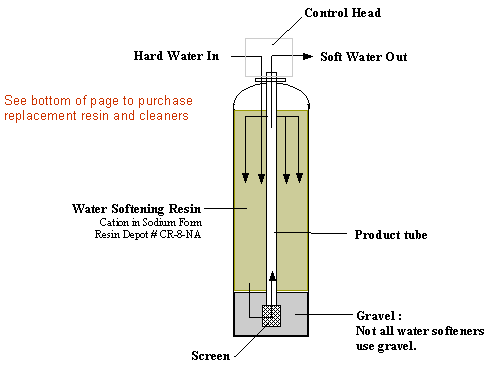
Water softeners use different filter types based on the system design. The most common are sediment filters, carbon filters, and resin bed filters. Sediment filters remove dirt and rust. Carbon filters improve taste and reduce chlorine. Resin bed filters soften water by removing minerals.
Check your water softener model to pick the right filter type. Using the correct filter ensures the system works well and lasts longer.
Required Tools List
Basic tools make filter replacement quick and safe. You will need a wrench or filter housing tool to open the filter case. A bucket or towel helps catch water spills. Gloves protect your hands from dirt and chemicals. A screwdriver may be required for some models.
Have a clean cloth ready to wipe the filter area. This keeps the system clean and prevents damage. Keep all tools nearby before starting the filter change process.
Preparing Your Water Softener
Preparing your water softener before changing the filter is very important. It helps avoid water spills and keeps the system safe. Taking the right steps makes the job easier and faster.
Start by making sure the system is off. Then, release any built-up pressure inside. These steps protect you and the water softener.
Turning Off The System
Find the main power switch or unplug the water softener. This stops the system from running during the filter change. Turning off the system prevents water flow and electrical hazards.
Check the control panel to confirm the system is off. Wait for a few minutes to let it fully shut down before moving on.
Relieving Pressure
Open a nearby faucet to release water pressure inside the pipes. This helps avoid water spraying out when you remove the filter.
Some water softeners have a pressure release valve. Use it carefully to let out any extra pressure in the system.
Make sure pressure is fully relieved before you start removing the filter. This keeps the process clean and safe.

Removing The Old Filter
Removing the old filter is a key step in changing a water softener filter. This part protects your system by catching dirt and particles. Replacing it regularly keeps your water clean and your softener working well.
Start by finding and opening the filter housing. Then, carefully take out the old filter. These steps need care to avoid spills and damage.
Accessing The Filter Housing
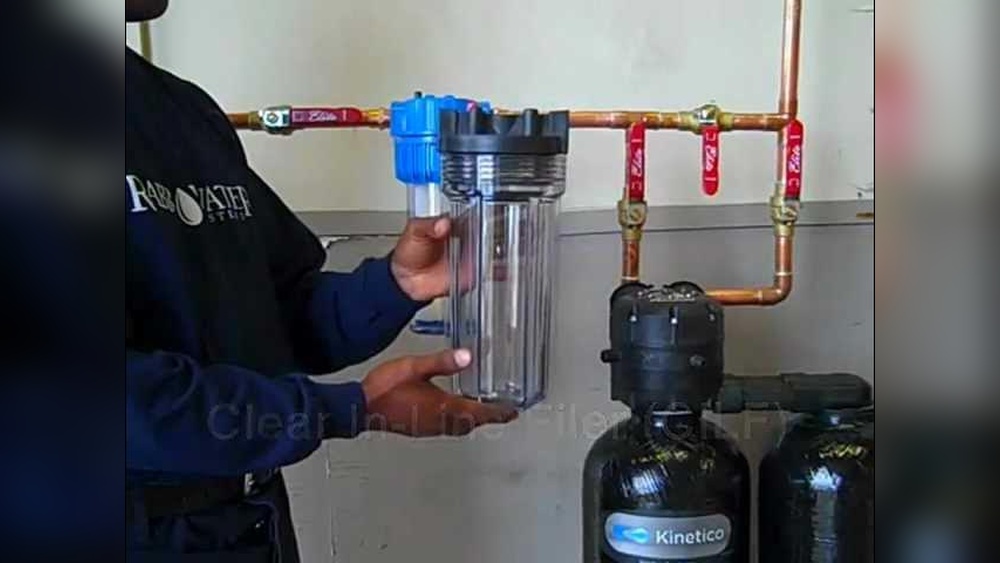
Locate the water softener’s filter housing first. It is usually near the main unit or water inlet. The housing looks like a small, clear or white container.
Turn off the water supply to stop flow. This prevents leaks during removal. Use a cloth to catch any drips.
Unscrew the housing cap slowly. Some models have a twist-off cap or a locking mechanism. Keep the cap safe for reassembly.
Safely Removing The Filter
Pull the old filter straight out of the housing. Avoid squeezing or bending it too much. Old filters may be dirty or wet.
Check for any residue or buildup inside the housing. Clean the inside with a soft cloth if needed. Dispose of the old filter in the trash.
Handle the filter gently. Use gloves if you prefer to keep your hands clean. This step prepares the system for the new filter.
Installing The New Filter
Installing the new filter is a key step in maintaining your water softener. It ensures clean, soft water for your home. Doing this correctly helps the system work well and last longer.
Checking Filter Compatibility
First, check if the new filter fits your water softener model. Using the wrong filter can cause leaks or poor water flow. Look at the size and type on the package. Compare it with your old filter or the user manual. Only use filters made for your specific system. This step saves time and avoids damage.
Proper Placement And Sealing
Place the new filter carefully into the housing. Align it as shown in the instructions. Make sure it sits flat and snug. Tighten any caps or screws firmly, but do not overtighten. A good seal stops water from leaking. Check the gasket or O-ring for cracks or dirt. Replace it if needed before installing the filter. Proper sealing keeps your water softener running smoothly.
Restarting The Water Softener
Restarting the water softener after changing the filter is a key step. It helps the system work well and keeps water clean. Follow the steps carefully to avoid problems and enjoy soft water again.
Turning The System Back On
First, switch the water softener back on. Find the power button or plug it in. This action wakes the system after maintenance. Wait a moment for it to start fully. The control panel might show a light or number. This means the system is ready.
Flushing The System
Next, flush the water softener to clear any air or debris. Run water through the softener for a few minutes. This process cleans the new filter and pipes. It also helps remove any trapped air. Check the water flow to ensure it is steady. Flushing keeps your water fresh and soft.
Maintenance Tips For Longevity
Maintaining your water softener ensures it works well for a long time. Good care helps avoid damage and keeps water clean. Simple steps can extend your system’s life and save money.
Regular Filter Checks
Check the filter every month. Look for dirt, clogs, or damage. A dirty filter reduces water flow and softening power. Clean or replace the filter if it looks blocked or worn. Regular checks prevent bigger problems later.
Scheduling Replacements
Change the filter as the manual says. Most filters need replacement every 3 to 6 months. Mark your calendar to remember the dates. Timely replacement keeps water fresh and softener working well. Don’t wait for issues to appear before changing the filter.

Frequently Asked Questions
How Often Should I Change A Water Softener Filter?
You should change your water softener filter every 3 to 6 months. This depends on water usage and quality. Regular changes keep your system efficient and water clean.
What Tools Do I Need To Change The Filter?
Basic tools include a wrench, bucket, and replacement filter. Turn off water supply before starting. Always consult your water softener manual for specific tools.
Can I Change The Filter Myself Safely?
Yes, changing the filter is simple and safe. Turn off power and water supply first. Follow manufacturer instructions carefully to avoid damage or leaks.
How Do I Know If My Filter Needs Changing?
Signs include reduced water flow, bad taste, or cloudy water. Regular checks help maintain water quality. Replace the filter immediately if these signs appear.
Conclusion
Changing the filter on your water softener keeps water clean and fresh. It helps the softener work well and last longer. Regular filter changes stop dirt and buildup from causing problems. You save money by avoiding repairs and bad water taste.
Follow simple steps to change the filter safely and quickly. Stay on top of filter changes to enjoy soft, healthy water every day. Easy care brings great results.

Hasan Al Sarker is a Reverse Osmosis Specialist. He has worked for many years to ensure safe drinking water for all. His research paper has been published in several journals, including Issue, Medium, and Slideshare. He is recognized as a water doctor among specialists though he did not attend medical college.
Besides working as a researcher of reverse osmosis technology, he is also very fancy with the kitchen and cooking. His guides are reading thousands of people every day. As a head of content, he is responsible for all the published articles at RO System Reviews.