You probably don’t realize how much chlorine is in your tap water every day. While it helps keep water safe, chlorine can affect the taste and even your health over time.
If you’ve ever noticed a strange smell or taste when you turn on the tap, you’re not alone. But here’s the good news: you can easily remove chlorine from your tap water. You’ll discover simple and effective ways to filter chlorine so your water tastes better and feels cleaner.
Keep reading, because what you learn could change the way you drink water forever.
Why Remove Chlorine?
Chlorine is added to tap water to kill germs and keep it safe. But too much chlorine can cause problems. Many people want to remove chlorine to protect their health and improve water quality. Understanding why to remove chlorine helps make better choices for your water.
Health Concerns
Chlorine can irritate skin and eyes. Some people may have allergies or breathing problems from chlorine. Long-term exposure could affect your health. Removing chlorine lowers these risks and makes water safer for daily use.
Effects On Taste And Smell
Chlorine gives water a strong, chemical taste. It also causes a bad smell that many find unpleasant. Removing chlorine improves water’s taste and smell. This makes drinking water more enjoyable and encourages hydration.
Impact On Household Appliances
Chlorine can damage appliances like washing machines and water heaters. It may cause metal parts to corrode faster. This reduces the lifespan of your appliances. Filtering chlorine helps protect your home and saves money on repairs.

Common Chlorine Removal Methods
Removing chlorine from tap water is important for better taste and health. Many simple methods exist to reduce chlorine quickly. Each method works differently and suits different needs. Understanding these common methods helps you choose the right one for your home.
Boiling Water
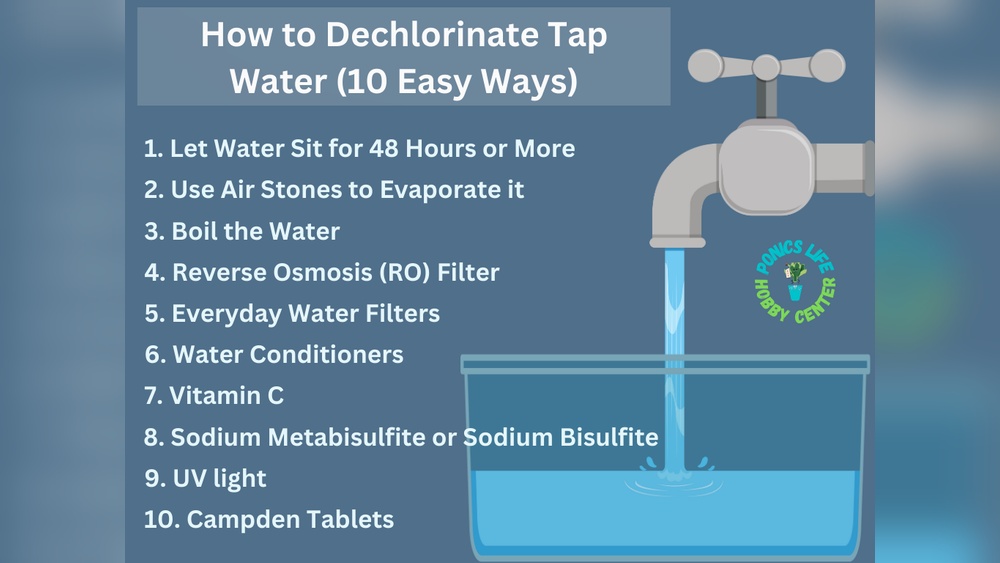
Boiling water is a quick way to remove chlorine. Heat causes chlorine to evaporate and leave the water. Boil the water for at least 15 minutes. Let it cool before drinking or using. This method works best for small amounts of water.
Using Activated Carbon Filters
Activated carbon filters trap chlorine and other chemicals. These filters attach to taps or fit in water pitchers. Water passes through the carbon, which absorbs chlorine. This method improves taste and odor effectively. Replace filters regularly for best results.
Letting Water Sit
Letting water sit allows chlorine to escape naturally. Pour water into an open container and leave it for 24 hours. Chlorine will evaporate during this time. This method is simple but takes longer. It works well for daily drinking water preparation.
Chemical Neutralizers
Chemical neutralizers use special drops or tablets to remove chlorine. These products contain chemicals that react with chlorine and neutralize it. They work quickly and are easy to use. Follow package instructions carefully for safe use.
Choosing The Right Filter
Choosing the right filter is important to remove chlorine from tap water effectively. Different filters work in various ways. Some remove chlorine better than others. Knowing what to pick saves time and money. It also ensures cleaner and safer water for your home.
Types Of Water Filters
Carbon filters are popular for removing chlorine. They use activated charcoal to trap chemicals. Reverse osmosis systems also reduce chlorine. These filters push water through a fine membrane. Distillation is another option, which boils water to separate chlorine. Each type fits different needs and budgets.
Filter Certifications
Look for filters certified by organizations like NSF or WQA. Certification shows the filter meets safety and performance standards. It proves the filter can remove chlorine effectively. This helps avoid buying low-quality or fake products. Always check the label before buying.
Maintenance And Replacement
Filters need regular cleaning and changing. A clogged filter does not remove chlorine well. Follow the manufacturer’s instructions for replacement times. Some filters last a few months; others last longer. Proper maintenance keeps water clean and safe to drink.

Diy Chlorine Removal Techniques
Removing chlorine from tap water is important for better taste and health. Many people prefer simple, do-it-yourself methods. These methods use easy tools and natural processes. They work well to reduce chlorine quickly. No special equipment needed.
Using Vitamin C
Vitamin C neutralizes chlorine effectively. You can use vitamin C powder or tablets. Just add a small amount to water. Stir well and wait a few minutes. The chlorine will break down and disappear. This method is safe and fast.
Sunlight Exposure
Sunlight helps remove chlorine through natural breakdown. Pour water in a clear container. Leave it outside in the sun for several hours. The ultraviolet rays will reduce chlorine levels. This method works best on warm, sunny days. It is gentle and chemical-free.
Aeration Methods
Aeration removes chlorine by letting air mix with water. Pour water from one container to another several times. This adds oxygen and releases chlorine gas. You can also use an aquarium pump. Run the pump in water for 30 minutes. Aeration is simple and does not use chemicals.
Testing Chlorine Levels At Home
Testing chlorine levels at home helps you know the water quality. It shows if chlorine is safe or too high. This step is important before choosing a filter. Simple tools can measure chlorine quickly and easily.
Using Test Strips
Test strips are thin paper strips that change color. Dip a strip in water for a few seconds. Then, compare the color to a chart on the package. This shows the chlorine level in parts per million (ppm). Test strips are cheap and easy to use. They work well for quick checks.
Digital Chlorine Testers
Digital testers give precise chlorine readings on a screen. Fill a small cup with water. Insert the tester’s sensor into the water. The device measures chlorine and shows the result instantly. Digital testers cost more but are very accurate. They work best for regular and detailed testing.

Tips For Cleaner Tap Water
Keeping tap water clean helps protect your health and improves taste. Simple steps make water safer and fresher. These tips help you get the most from your water filter.
Regular Filter Cleaning
Clean water filters work better and last longer. Rinse or replace filter cartridges as the instructions say. Dirt and buildup reduce filter power. Check filters every few weeks to keep water pure.
Using Filtered Water For Cooking
Use filtered water for all cooking tasks. Boiling filtered water keeps food taste pure. It avoids chlorine and chemicals from changing flavors. Even washing vegetables with filtered water helps remove residues.
Storing Water Properly
Store water in clean, covered containers. Use glass or BPA-free plastic bottles for safety. Keep water away from sunlight and heat to stop bacteria growth. Freshly filtered water tastes best when stored well.
Frequently Asked Questions
What Are The Best Methods To Remove Chlorine From Tap Water?
The best methods to remove chlorine include activated carbon filters, boiling water, and using vitamin C tablets. These options effectively reduce chlorine taste and odor without harmful chemicals, making your water safer and more pleasant to drink.
How Long Does Chlorine Stay In Tap Water Naturally?
Chlorine usually dissipates from tap water within 24 to 48 hours when exposed to air. Letting water sit uncovered allows chlorine to evaporate, making it safer for drinking and cooking without additional filtration.
Can Boiling Water Remove Chlorine From Tap Water?
Yes, boiling water for 15 to 20 minutes can remove chlorine. Heat breaks down chlorine molecules, but it’s less effective for chloramine, a stronger disinfectant sometimes used in water treatment.
Are Activated Carbon Filters Effective For Chlorine Removal?
Activated carbon filters are highly effective at removing chlorine and its taste. They absorb chlorine molecules, improving water quality. These filters are widely used in pitchers, faucets, and under-sink systems.
Conclusion
Filtering chlorine from tap water protects your health and improves taste. Simple methods like activated carbon filters work well. Boiling water also helps remove chlorine safely. Choose the option that fits your needs and budget. Clean, fresh water feels better and supports daily hydration.
Small changes make a big difference in water quality. Start filtering today for safer drinking water at home.

Hasan Al Sarker is a Reverse Osmosis Specialist. He has worked for many years to ensure safe drinking water for all. His research paper has been published in several journals, including Issue, Medium, and Slideshare. He is recognized as a water doctor among specialists though he did not attend medical college.
Besides working as a researcher of reverse osmosis technology, he is also very fancy with the kitchen and cooking. His guides are reading thousands of people every day. As a head of content, he is responsible for all the published articles at RO System Reviews.