Every day, your brain relies on water to work well. Most people know that water is important for the body, but few realize how much it shapes memory, mood, and thinking. Even small drops in water levels can slow mental speed or make it harder to focus.
From my years working in neuroscience, I have seen how hydration changes brain performance—sometimes within hours.
Let’s explore how water interacts with the brain, why it matters for daily life, what signs to watch for, and how to keep your brain at its best.
Understanding The Connection Between Water And The Brain
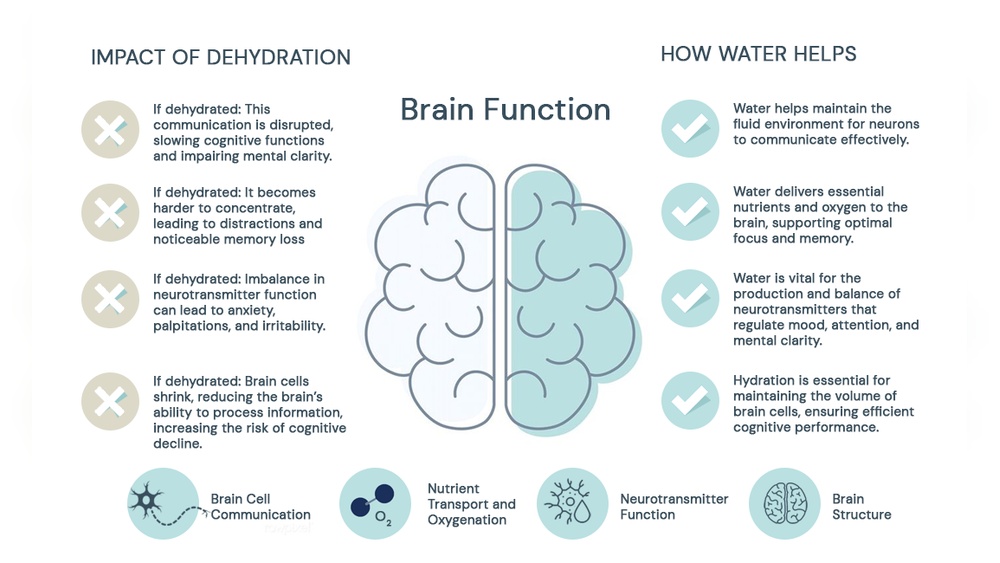
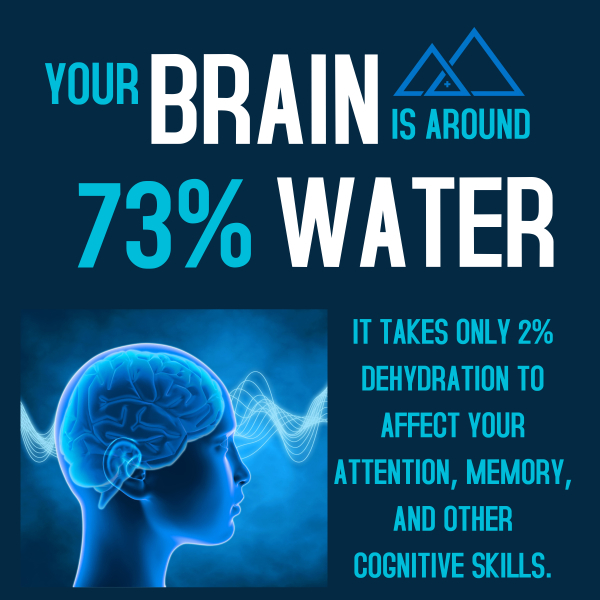
The human brain is about 75% water. Water surrounds every cell, helps carry signals, and supports blood flow. Without enough water, brain cells shrink, blood thickens, and communication slows.
Research shows that even a 1-2% drop in body water can impact attention, short-term memory, and reaction time. This is why athletes, students, and office workers often feel slow or foggy if they forget to drink enough.
Studies using MRI scans show that when people are dehydrated, certain brain areas become less active. For example, the prefrontal cortex (which handles focus and planning) works less efficiently. Water is not just a “nice to have”—it is the fuel for brain signals and chemical balance.
How Water Supports Brain Function
Water helps the brain in three main ways:
- Nutrient Transport: Water carries oxygen, glucose, and nutrients to brain cells. Without enough water, cells get less energy and cannot work as fast.
- Chemical Reactions: Many brain chemicals are made or broken down in water. For example, neurotransmitters like serotonin and dopamine need water-based reactions.
- Waste Removal: The brain creates waste, like amyloid and carbon dioxide. Water helps clear these out through the bloodstream and lymphatic system.
Without enough water, these systems slow down. This leads to slower thinking, mood swings, and sometimes headaches.
Why Proper Hydration Matters
Most people do not realize that mild dehydration can reduce mental sharpness. Here are some real numbers:
- A 1% loss in body weight from water can lower memory recall by 10–15%.
- Dehydration increases the risk of headaches by up to 40%, according to a study in Neurology.
- Children who drank water before exams scored 5–10% higher on average than those who did not.
Long-term dehydration can also raise the risk of serious issues, like confusion or even seizures in older adults. Water is a simple but powerful way to protect your mind.
Key Effects Of Dehydration On The Brain
When the brain does not get enough water, several problems can appear:
- Slower thinking: Tasks take longer, and mistakes increase.
- Poor memory: Short-term recall drops, making it hard to remember lists or details.
- Mood changes: People may feel irritable, sad, or anxious.
- Headaches: The brain shrinks slightly, pulling on pain-sensitive areas.
- Reduced alertness: It is harder to pay attention or stay awake.
These effects can happen within hours. Children and older adults are more sensitive, so small drops in water can have a bigger impact.
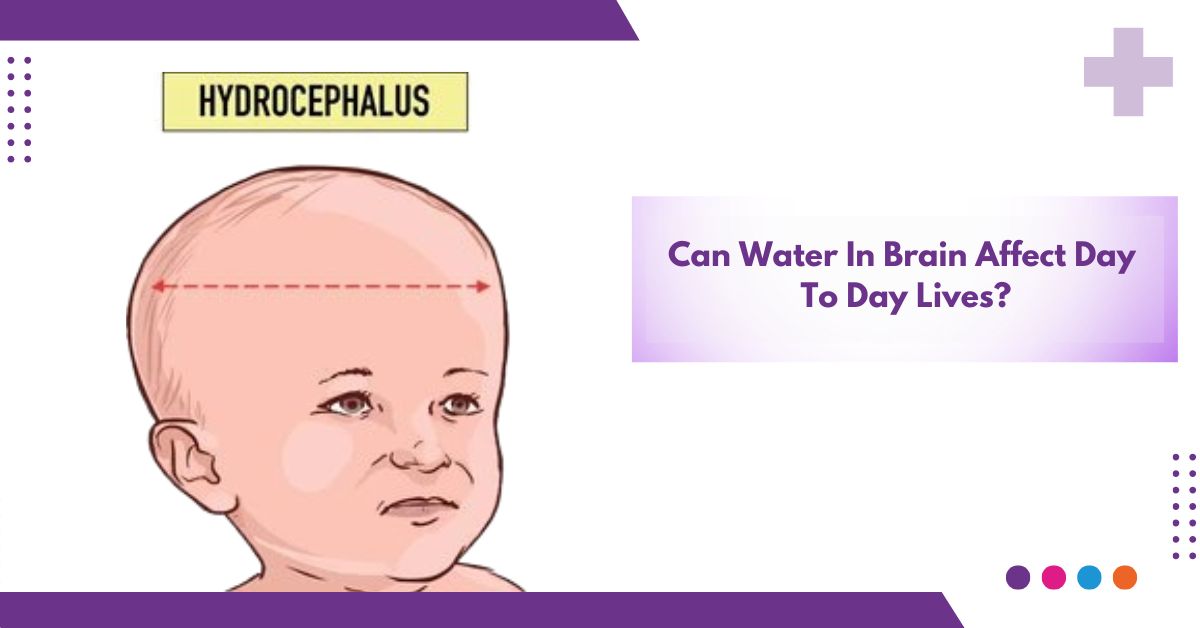
Credit: www.sriramakrishnahospital.com
Practical Examples Of Water And Brain Performance
Let’s look at real-life cases:
Students: A study of 447 children found those who drank water during class performed better on attention tests. Just 300 ml (about one glass) was enough to boost results.
Athletes: Runners in a marathon who lost over 2% body water showed slower decision-making and reaction times.
Office workers: In a UK trial, people who drank water before a meeting had 20% better idea recall and faster problem-solving.
Older adults: A study in the Journal of Gerontology showed that dehydration in seniors could mimic dementia symptoms, which improved after rehydration.
Signs And Indicators Of Poor Brain Hydration
It is not always easy to tell when your brain needs more water. Some signs can be subtle:
- Difficulty focusing on simple tasks
- Forgetting words or names more often
- Feeling tired for no clear reason
- Sudden headaches
- Being more moody or anxious
Physical signs like dry mouth or dark urine also point to dehydration, but brain effects usually happen first.
Credit: peakmedicalpc.com
Step By Step: How To Stay Hydrated For Brain Health
Here are steps I recommend to clients and students:
- Start your day with water. Drink a glass as soon as you wake up. Overnight, your body loses water through breathing and sweat.
- Drink small amounts often. Aim for a sip every 30–60 minutes, not just big drinks at meals.
- Adjust for activity. If you exercise or are in a hot place, drink more. For each hour of activity, add 250–500 ml.
- Check your urine color. Pale yellow means good hydration. Dark yellow or amber means you need more water.
- Use reminders. Set a phone timer or keep a bottle on your desk.
- Eat water-rich foods. Fruits like watermelon, oranges, and cucumbers can boost your intake.
Most adults need 2–2.5 liters per day, but this depends on weight, age, and climate.
Common Problems And Solutions
Problem 1: Forgetting To Drink
Solution: Use a marked water bottle or phone alarms. Tie drinking water to habits, like after each bathroom break.
Problem 2: Not Liking Plain Water
Solution: Add slices of lemon, cucumber, or berries. Herbal teas and diluted juice also count.
Problem 3: Confusing Thirst With Hunger
Solution: When you feel hungry, try drinking a glass of water first. Sometimes, the brain sends similar signals for both.
Problem 4: Busy Schedule
Solution: Fill a bottle at the start of your day and aim to finish it by lunch. Refill for the afternoon.
Problem 5: Overhydration
Solution: While rare, drinking too much water can dilute sodium. Do not force yourself—drink to thirst, especially if you have kidney or heart issues.
Maintenance Tips For Lasting Brain Health
- Keep water visible. Place bottles at work, in your bag, and at home.
- Check routines. Link water breaks to daily habits, like after phone calls.
- Watch caffeine and alcohol. Both can increase water loss, so balance with extra sips.
- Educate family members. Children and seniors need reminders, as their thirst signals are weaker.
- Stay aware during travel. Dry airplane air and long trips can raise your needs.
Comparing Water Needs For Different Groups
People need different amounts of water depending on age, activity, and health. Here is a summary:
| Group | Daily Water Need (Liters) | Special Notes |
|---|---|---|
| Children (6-12 yrs) | 1.0–1.5 | Needs rise with play or heat |
| Teenagers | 1.5–2.0 | Sports increase needs |
| Adults (18–65 yrs) | 2.0–2.5 | Men slightly more than women |
| Older Adults (65+ yrs) | 1.5–2.0 | Monitor closely, thirst less reliable |
| Athletes | 2.5–3.5 | Depends on duration and sweat loss |
These are typical values. For more details, the CDC provides further guidance.
Credit: www.cogn-iq.org
Real Numbers: How Fast Does Dehydration Affect The Brain?
The effects of water loss can show up quickly. In studies, people who lost just 1.5% of body water felt mentally tired and had more trouble doing mental math. For a 70 kg adult, this is about one liter lost, which can happen after a long walk or a few hours without water.
Severe dehydration (over 3% loss) can cause confusion, poor balance, and even hallucinations. Recovery is fast if water is replaced early, usually within 30–60 minutes.
Insights Most People Miss
Many believe they only need to drink when thirsty. In reality, the thirst signal is delayed. By the time you feel thirsty, your brain function may already be slipping.
Another overlooked fact: Chronic mild dehydration—not just single episodes—can affect learning and long-term memory. In my clinic, I have seen students’ grades rise simply by tracking and improving their daily water intake.
Frequently Asked Questions
What Is The Best Type Of Water For Brain Health?
Plain tap or filtered water is usually best. Bottled water is also fine. Electrolyte drinks are only needed if you sweat a lot or exercise hard.
Can Coffee Or Tea Count Toward My Daily Water Needs?
Yes, both coffee and tea count. However, too much caffeine can increase urine output, so balance these with plain water.
How Much Water Should Children Drink For Good Brain Function?
Children need about 1 to 1. 5 liters per day, more if active. Offer water often, as kids may not ask even when thirsty.
Are There Risks To Drinking Too Much Water?
Drinking far more than needed (over 4-5 liters quickly) can lower sodium and cause a rare issue called hyponatremia. Most people do not reach this unless forcing water.
What Foods Help Hydrate The Brain Besides Water?
Fruits like oranges, watermelon, and grapes, and vegetables like cucumber and lettuce, contain a lot of water. These can help, but plain water is still the main source.
Key Takeaway
Water is the most overlooked factor in brain health. Even a small lack can slow thinking, lower memory, and change your mood. Start with simple habits: keep water close, drink before thirst, and check your intake, especially during work, school, or activity. Your brain will thank you with sharper focus and better energy.
For deeper reading, see this review at National Institutes of Health. Stay hydrated, and keep your mind performing at its best.

Hasan Al Sarker is a Reverse Osmosis Specialist. He has worked for many years to ensure safe drinking water for all. His research paper has been published in several journals, including Issue, Medium, and Slideshare. He is recognized as a water doctor among specialists though he did not attend medical college.
Besides working as a researcher of reverse osmosis technology, he is also very fancy with the kitchen and cooking. His guides are reading thousands of people every day. As a head of content, he is responsible for all the published articles at RO System Reviews.